🚛 FREE SHIPPING | LIFETIME REPAIR WARRANTY | 20% Sale: “FASHION20”
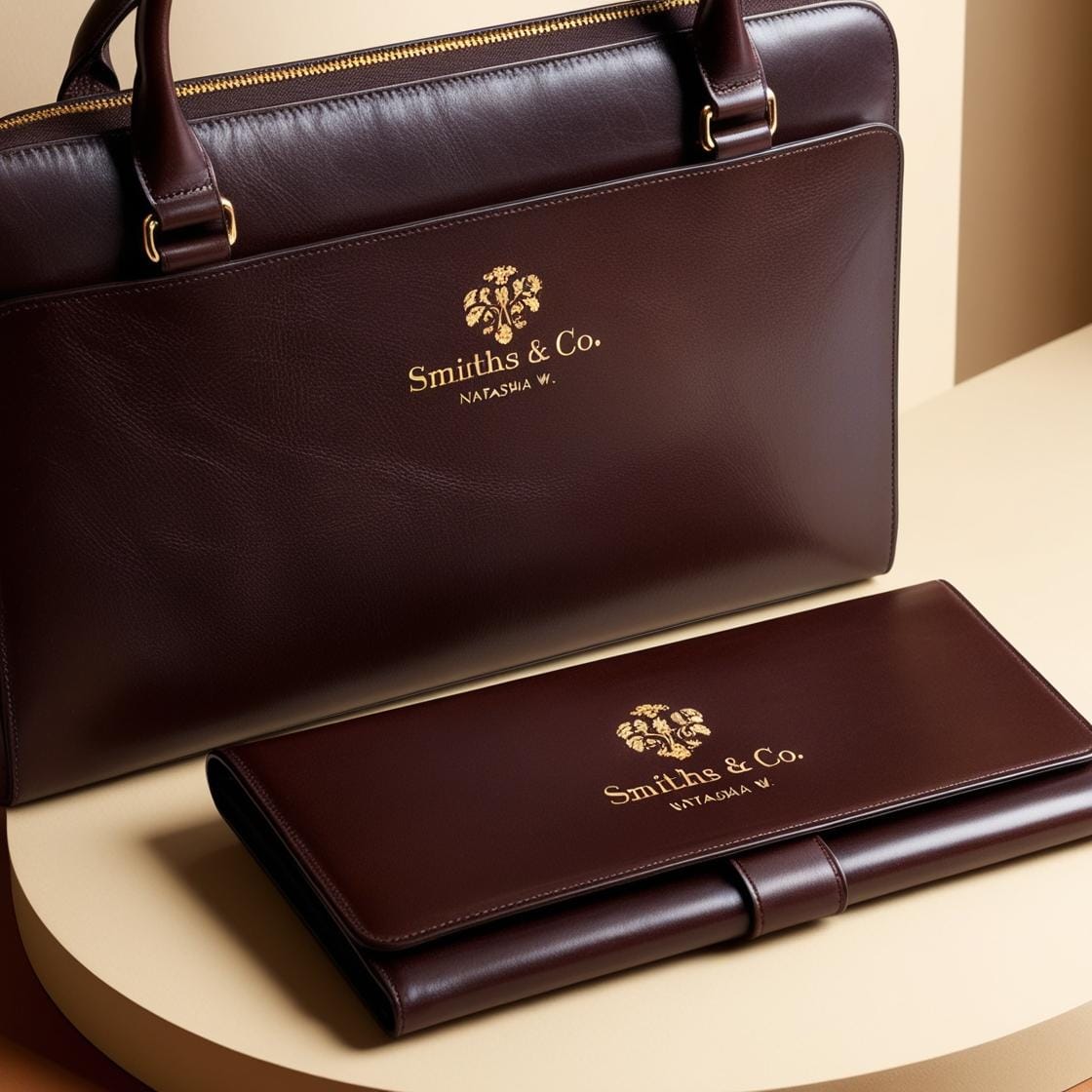
A vintage leather laptop bag is more than just a carrying case. It is a statement piece. It speaks of timeless style and rich history. But when you are looking for one, especially in the Indian market, how do you know you are making a smart choice? You need to assess its comfort, durability, and whether it will hold its value over time.
Choosing the right leather bag vintage requires a keen eye. It needs careful consideration. This guide will help you understand what to look for. It will ensure your investment is both practical and fashionable.
Vintage leather bags have a unique appeal. They often come with a beautiful “patina.” This is a soft sheen that develops on the surface over time. It tells a story. This natural aging process enhances the bag’s character. It cannot be easily replicated by new bags.
Beyond looks, vintage leather often represents a higher quality of craftsmanship. Many older bags were built to last. They used traditional methods and superior materials. This means better durability and a longer lifespan for your money.
The foundation of a good leather bag is the leather itself. Not all leather is created equal. Knowing the different grades is key to evaluating durability.
Look for thick, supple leather. It should feel robust but not stiff. Inspect the edges carefully. Raw, unsealed edges often indicate full-grain or top-grain leather. A smooth, plastic-like edge might mean lower quality or coated leather.
A laptop bag, no matter how stylish, must be comfortable. Especially if you carry it daily for commuting or travel. Consider these aspects:
The straps are crucial for comfort. Check the shoulder strap first. Is it wide enough to distribute weight evenly? Does it have good padding? Thick, dense padding is better than thin, flimsy foam. Look for straps that are adjustable and removable.
Next, examine the handles. If the bag has top handles, are they sturdy? Do they feel comfortable in your hand? They should not dig in, even when the bag is full. Solidly attached handles with good stitching are a must.
Ergonomics is about design for efficiency and comfort. A good vintage leather laptop bag should ideally have some ergonomic features. Look for a design that sits well against your body. Some bags have a slight curve or contoured shape. This can make a big difference when carrying a heavy laptop.
Consider the balance. A well-designed bag will not tilt uncomfortably. It should feel balanced when you wear it. This prevents unnecessary strain on your shoulders and back.
Before buying, try to simulate carrying it. If possible, place your laptop and some essentials inside. Wear it for a few minutes. Walk around. How does the weight feel? Does it shift awkwardly? A truly comfortable bag will feel like an extension of you, not a burden.
Durability is not just about the leather. It is about how the entire bag is constructed. This makes it a worthwhile, long-term asset.
Beyond the grade, consider the leather’s current condition. Are there any deep cracks or signs of dry rot? Surface scratches are normal for vintage and add character. But major damage could indicate poor care or a weakened material. Look for leather that feels strong and resilient. It should be able to withstand daily use.
Look closely at the stitching. It should be neat, tight, and consistent. Loose threads or uneven stitches are red flags. Strong thread, often waxed or heavy-duty nylon, indicates better quality. Reinforced stress points, like where straps attach, are important. These areas should have extra stitching or rivets for added strength.
Check the lining inside. A well-made bag will have a durable lining, often canvas or a sturdy fabric. Avoid bags with flimsy, torn, or stained linings. They wear out quickly and reduce the bag’s appeal.
The hardware is vital. Zippers, buckles, and clasps should be solid metal. Brass or high-quality steel is ideal. Test all zippers. They should open and close smoothly without snagging. Buckles should latch securely. Snaps should have a firm click. Flimsy or corroded hardware will be the first thing to fail. It can be costly to repair.
Since it is a laptop bag, protecting your device is paramount. Look for a dedicated laptop compartment. It should be adequately padded on all sides. Measure your laptop to ensure a snug fit. A loose compartment means your laptop will jostle around. This increases the risk of damage.
The padding should be thick enough to absorb minor bumps. Some vintage bags might not have a dedicated padded sleeve. In that case, you might need to use an additional laptop sleeve for extra protection. Check the bag’s overall structure. It should be rigid enough to offer some impact resistance.
A good vintage leather bag can be a smart investment. Its value can appreciate or at least hold steady over time.
Some vintage brands are more sought after. Research historical leather manufacturers known for quality. Companies like Saint Stag often produce timeless pieces that retain their value. Bags from well-regarded makers, even if not famous, generally signify better quality materials and craftsmanship. Provenance, or knowing the bag’s history, can also add to its appeal and value.
The bag’s current condition heavily influences its investment value. A “mint” or “excellent” condition bag with minimal wear will be worth more. “Good” condition means some visible wear but no major flaws. “Fair” might require some restoration. Be realistic about the condition. Minor scuffs and signs of use are acceptable for vintage. Deep gouges, tears, or structural damage will reduce its value significantly.
Consider the resale market. Popular styles, classic designs, and durable materials tend to have better resale potential. A bag made of full-grain leather from a reputable brand, well-maintained, stands a better chance of holding its value. It might even increase in value over decades, much like other vintage luxury items.
Before you buy, run through this quick checklist:
Once you own a vintage leather laptop bag, proper care is essential. It will preserve its comfort, durability, and investment value. Clean it regularly with a soft cloth. Use a good quality leather conditioner every few months. This keeps the leather supple and prevents drying and cracking. Store it in a dust bag in a cool, dry place when not in use. Address any minor repairs promptly to prevent bigger issues.
Evaluating a vintage leather laptop bag for comfort, durability, and investment value means looking at the whole picture. Focus on the quality of the leather, the integrity of its construction, and the practical comfort it offers. A well-chosen vintage bag is a functional accessory and a wise long-term purchase. It will serve you well for years to come, aging gracefully by your side.
Full-grain leather is considered the best for durability and longevity. It develops a beautiful patina over time and is very resistant to wear and tear. Top-grain leather is also a good, durable choice.
Examine the straps and handles. Look for wide, padded straps and comfortable, sturdy handles. Check the overall design for balance and contoured shapes. If possible, simulate weight by putting a few heavy books inside and trying it on briefly.
Always inspect the hardware. Look for solid metal zippers, buckles, and clasps. Brass or heavy-duty steel are excellent choices. Test all zippers and latches to ensure they operate smoothly and securely. Avoid flimsy or corroded hardware.
Many older vintage bags may not have a dedicated padded laptop sleeve. You should check if the main compartment is large enough and consider using an additional padded laptop sleeve inside the bag for extra protection against bumps and scratches. Always measure your laptop dimensions first.
Regular maintenance is key. Clean the bag with a soft cloth and apply a quality leather conditioner every few months to keep the leather supple. Store it properly in a dust bag away from direct sunlight and extreme temperatures. Address any minor damage or repairs quickly to prevent further deterioration.
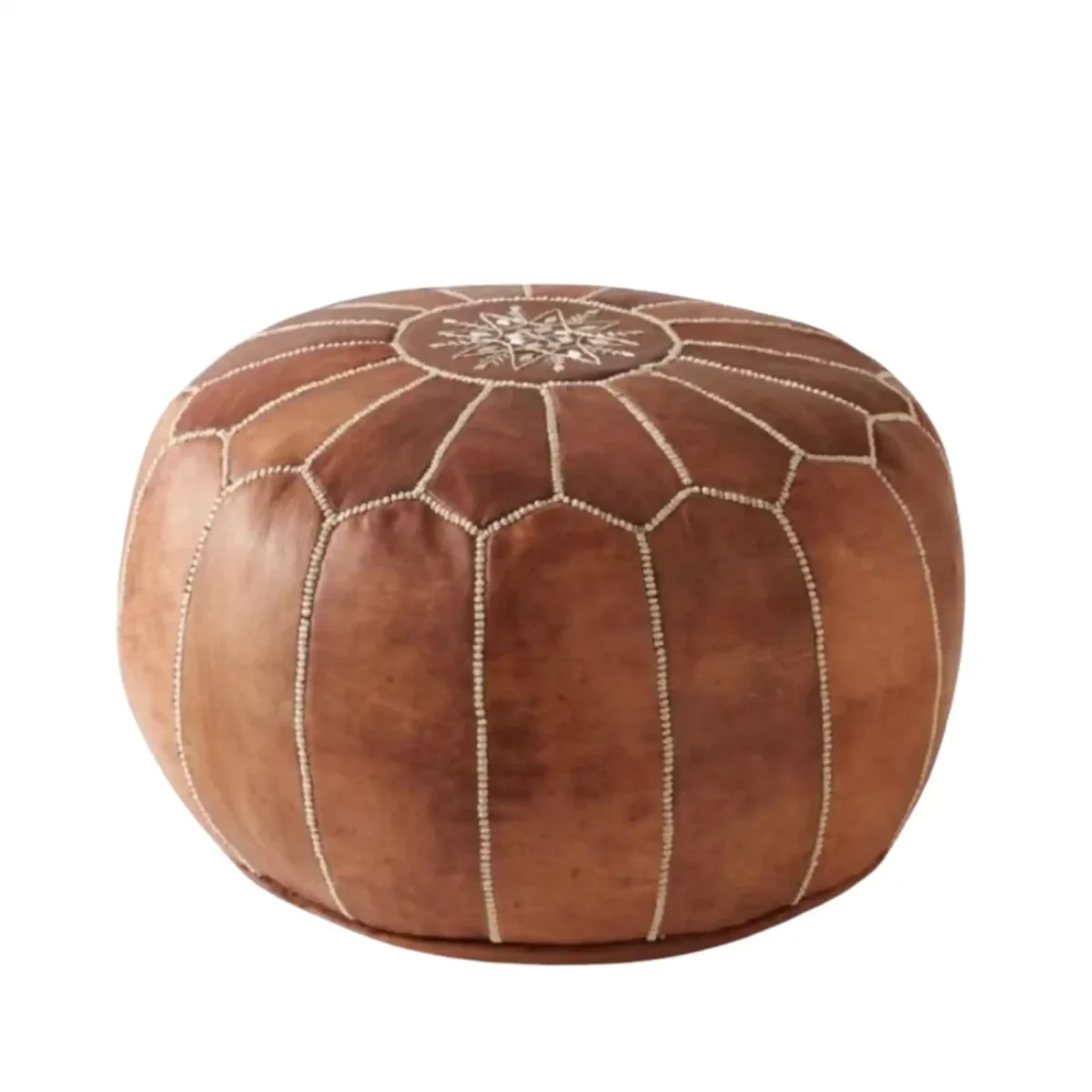
Out of stock
$138.00 Original price was: $138.00.$69.00Current price is: $69.00.
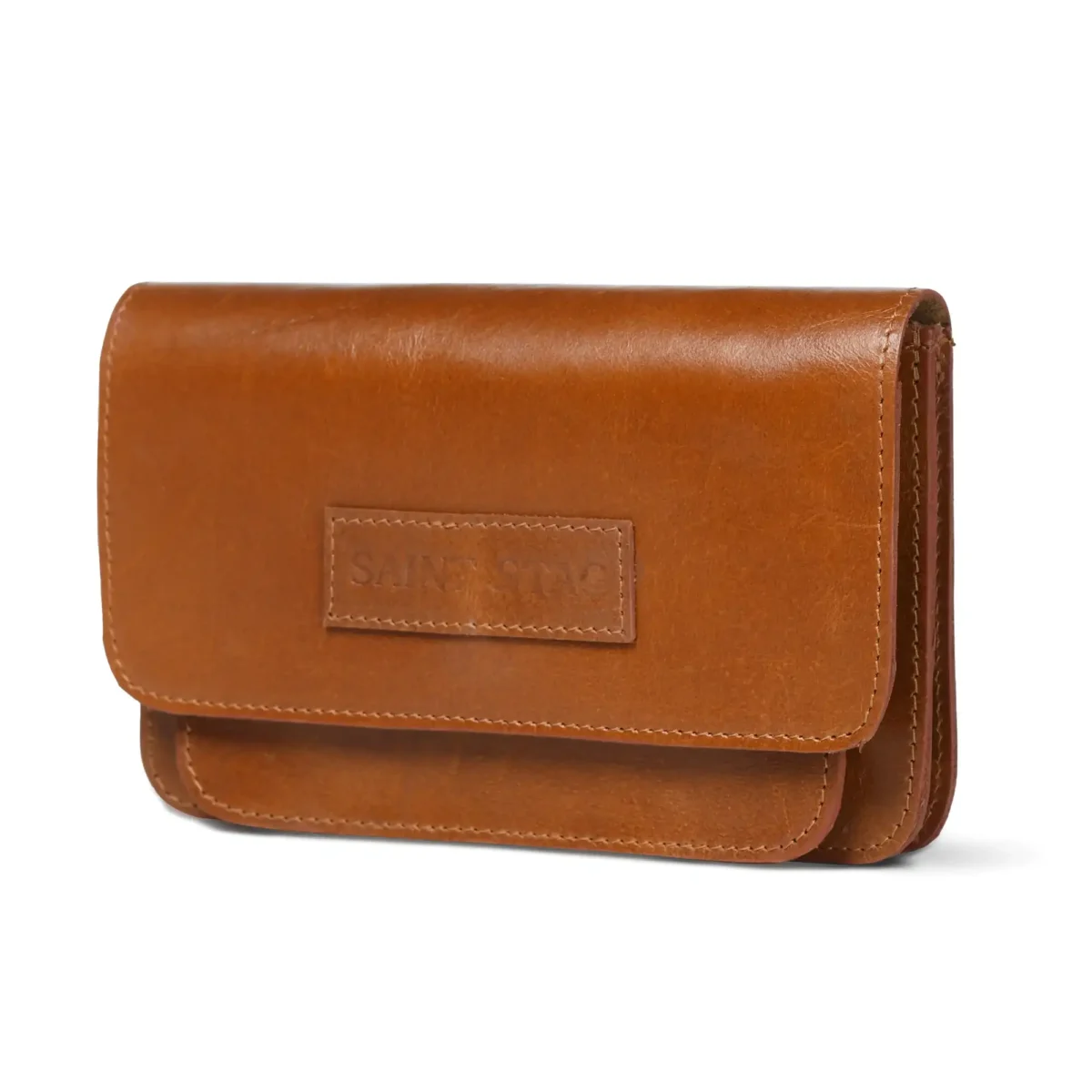
8 in stock
$84.00 Original price was: $84.00.$42.00Current price is: $42.00.
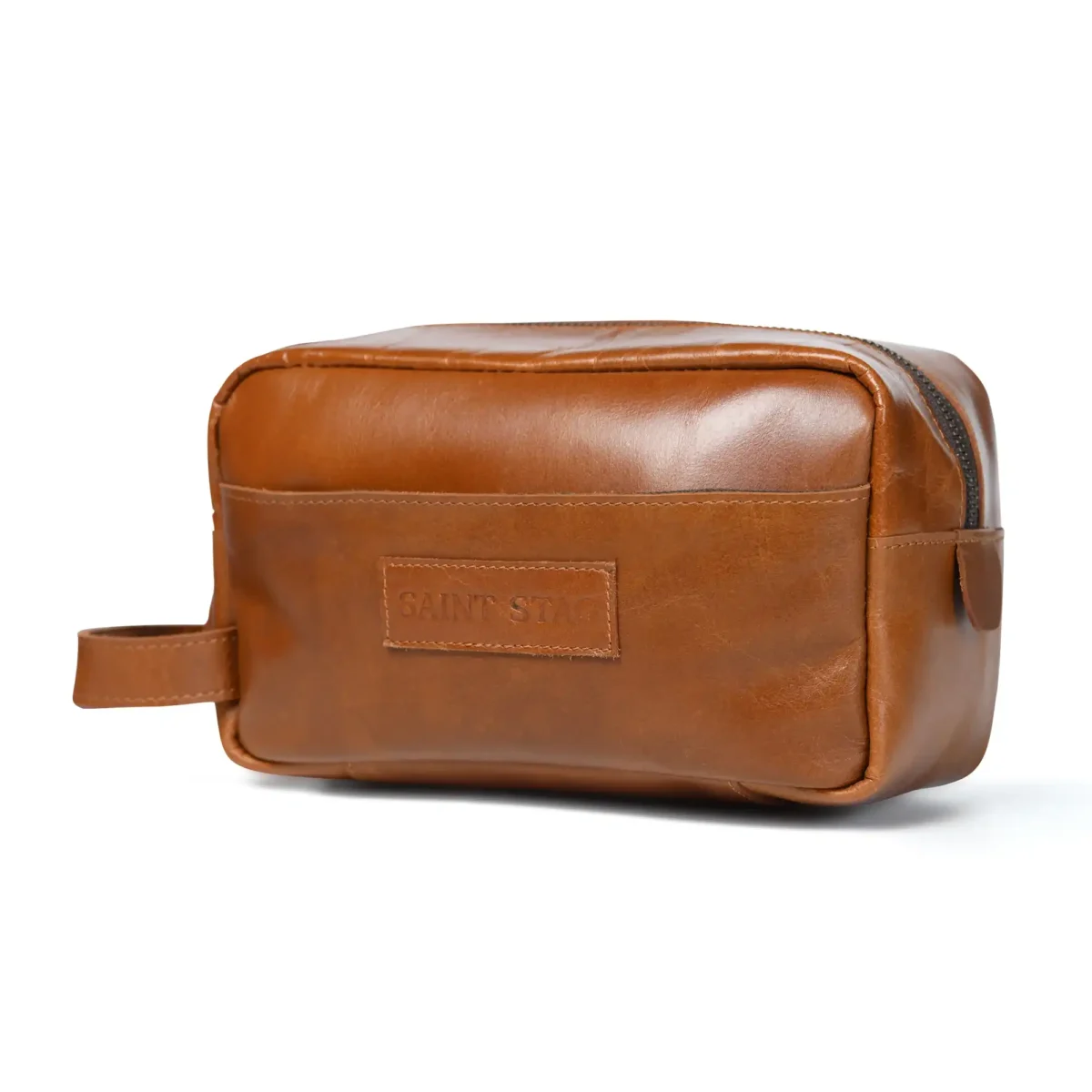
8 in stock
$90.00 Original price was: $90.00.$45.00Current price is: $45.00.
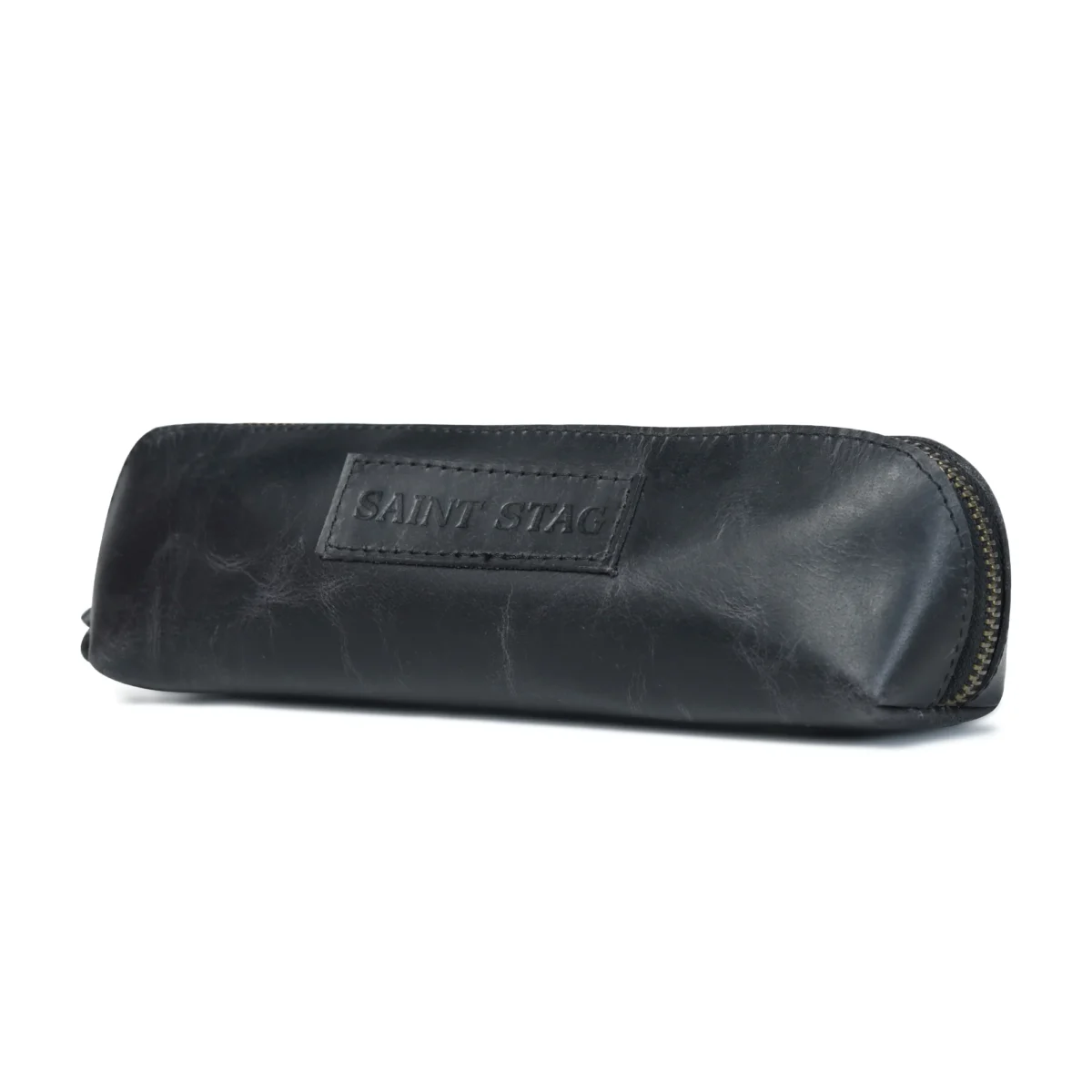
8 in stock
$70.00 Original price was: $70.00.$35.00Current price is: $35.00.
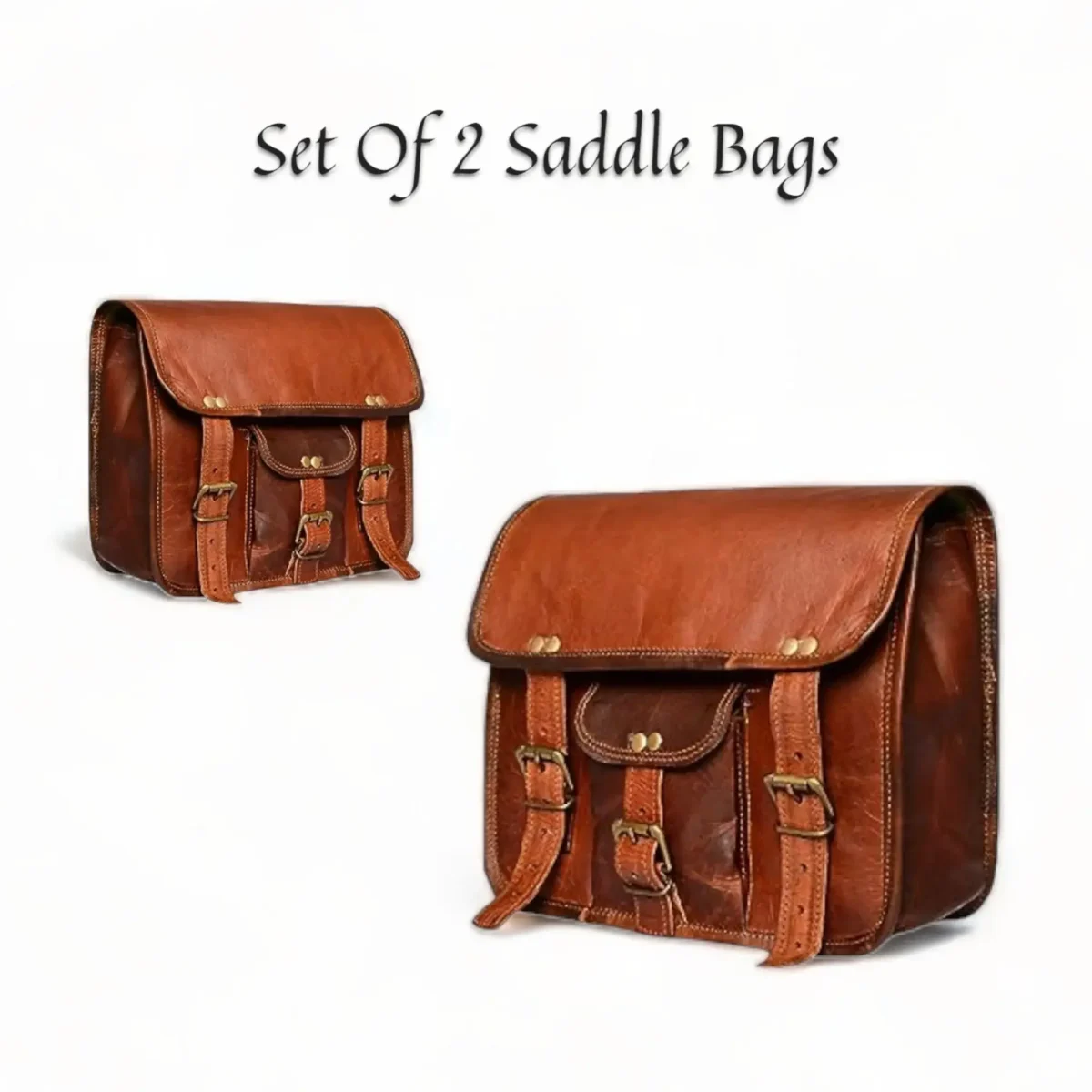
10 in stock
$130.00 Original price was: $130.00.$65.00Current price is: $65.00.
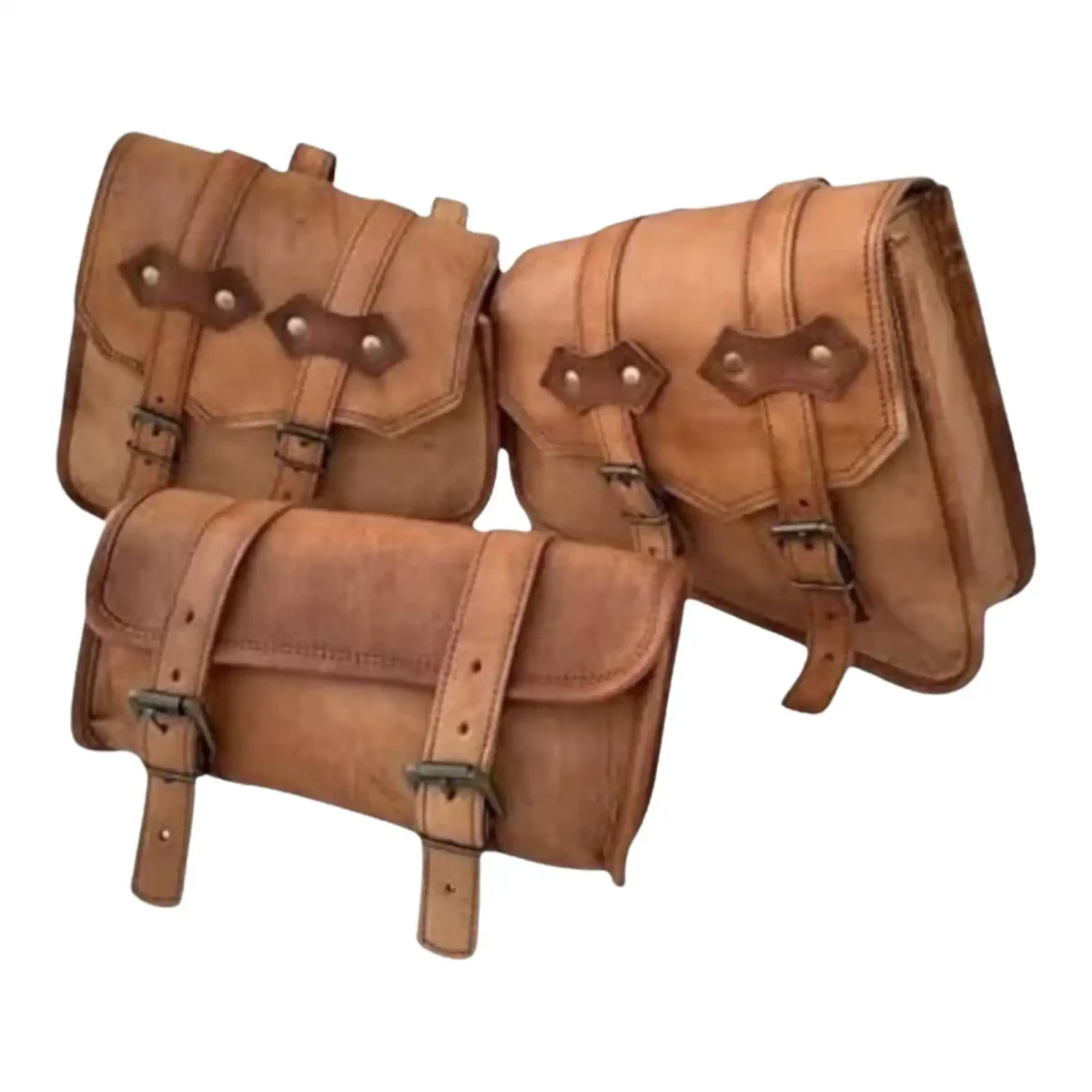
1 in stock
$98.00 Original price was: $98.00.$49.00Current price is: $49.00.