🚛 FREE SHIPPING | LIFETIME REPAIR WARRANTY | 20% Sale: “FASHION20”
Have you ever looked at a beautiful, seasoned leather duffle bag and wondered about its journey? Not just where it’s been, but how it was made? What gives it that unique character and incredible durability that mass-produced bags often lack? It’s a story of artisan craftsmanship, passed down through generations.
Behind every truly great leather duffle bag lies a world of skilled hands, traditional tools, and meticulous attention to detail. This isn’t just about making a bag; it’s about creating an heirloom. Let’s take a behind-the-scenes look at the intricate processes that define these timeless travel companions.
The journey of a high-quality leather duffle bag begins long before any cutting or stitching. It starts with the careful selection of leather. True artisan bags, like those offered by Saint Stag, often use full-grain leather. This is the strongest and most durable part of the animal hide, retaining all its natural markings and imperfections. These unique features contribute to the bag’s character over time.
Think of full-grain leather like a fine piece of wood; its natural texture and grain are preserved. Unlike lesser grades, it hasn’t been sanded or altered to remove imperfections. This means it develops a beautiful patina as it ages, a rich sheen that tells the story of its use and travel. Another crucial aspect is the tanning process. Vegetable-tanned leather, for instance, uses natural tannins found in bark and plants. This traditional method is environmentally friendlier and creates leather that is rigid, durable, and ages gracefully.
Once the leather is chosen, the real magic of craftsmanship begins with the stitching. This is where the difference between a mass-produced item and an artisan piece becomes truly evident. Many high-quality vintage duffle bags are known for their saddle stitching, a technique revered for its strength and longevity.
Saddle stitching involves using two needles and a single continuous thread. Each stitch is essentially a lock onto itself. This means that if one stitch ever breaks, the others remain intact, preventing the entire seam from unravelling. This is a stark contrast to machine stitching, where a single broken thread can cause a domino effect. The precision and patience required for saddle stitching are immense, making it a hallmark of true artisan quality. You can often identify hand-saddle-stitched bags by their slightly angled, distinct stitches, unlike the perfectly uniform line of machine stitching.
Beyond the surface, the internal construction of a duffle bag is critical for its durability. Artisans pay close attention to reinforced stress points. Areas like where handles attach, straps connect, or corners meet are often strengthened with extra layers of leather or double stitching. This ensures the bag can withstand the rigours of travel and heavy loads for years to come.
High-quality hardware is also essential. Artisans often opt for solid brass or rust-resistant metals for zippers, buckles, and rivets. These materials are not only robust but also age beautifully, complementing the leather’s developing patina. Poor quality hardware can break easily, compromising the bag’s functionality. For a bag that will endure, every component is carefully considered.
The finishing touches are where a leather duffle bag truly comes alive and reveals its artisanal quality. Take edge burnishing, for example. This is the process of smoothing, shaping, and sealing the raw edges of the leather. Artisans carefully rub and heat the edges, sometimes using natural waxes, to create a smooth, durable, and polished finish. This prevents fraying and adds to the bag’s sophisticated appearance. It’s a time-consuming step often skipped in mass production.
Every detail, from the lining material – often a durable canvas or soft suede – to the flawless installation of sturdy zippers, reflects the artisan’s dedication. These elements are not just functional; they contribute to the overall tactile experience and the bag’s lasting appeal. When you choose a carefully crafted leather duffle bag, you are investing in a piece of art made to last.
So, how can you spot a genuinely artisan-made duffle bag? Look for the small imperfections that hint at human hands, not machines. Uneven stitching, though strong, can be a subtle sign of handwork. Examine the edges for burnishing; a raw, unsealed edge is a red flag. Feel the leather; full-grain leather will feel natural, supple, and rich, not plastic-like. Check the hardware for its weight and finish. Lightweight, flimsy metal suggests a lower quality product.
The way the bag develops its patina is also a strong indicator. Quality leather will darken and soften in unique ways over time, gaining character rather than simply wearing out. This is the beauty of a truly well-made item. When you want to explore premium options, consider brands that prioritise traditional methods. Discover the difference genuine artistry makes by exploring our exclusive collection of leather bags.
An artisan-crafted leather duffle bag is more than just an accessory; it’s an investment. With proper care, it can last a lifetime, becoming a cherished companion on countless journeys. Regular cleaning with a soft cloth and conditioning with a good quality leather conditioner will keep the leather supple and prevent it from drying out or cracking. Protect it from extreme moisture and direct sunlight, which can damage the leather.
If your bag needs a deeper clean or repair, it’s often best to consult a professional leather restorer. They have the expertise and tools to restore your bag to its former glory without compromising its integrity. Maintaining your duffle bag ensures that its story, and the artisan’s dedication, continues for generations.
In a world of fast fashion and disposable items, the enduring appeal of artisan-crafted leather duffle bags stands out. They are a testament to skill, patience, and a commitment to quality that transcends trends. Each stitch, every piece of hardware, and the very leather itself tells a story of meticulous creation. This is the true legacy of craftsmanship. If you are looking for a travel companion that will stand the test of time and tell its own unique story, we invite you to explore our selection of finely crafted leather duffle bags at Saint Stag.
Full-grain leather is the highest quality and most durable part of the animal hide, retaining its natural texture and markings. It’s important because it develops a beautiful patina over time, resists wear better, and offers superior strength and longevity compared to other leather types.
Saddle stitching is a traditional hand-stitching technique where two needles are used to create a series of interlocking stitches. If one stitch breaks, the others remain secure, preventing the entire seam from unravelling. This makes the bag’s seams incredibly strong and long-lasting.
Look for signs of handwork, such as slightly uneven or angled stitching (indicating saddle stitching), well-finished and burnished edges, solid brass or high-quality metal hardware, and natural variations in the full-grain leather. The bag should feel substantial and well-constructed.
Vegetable-tanned leather uses natural plant-based tannins for processing, making it more environmentally friendly than chrome-tanned leather. It’s known for its rigidity, durability, and ability to develop a rich, unique patina as it ages, enhancing the bag’s character.
Regular maintenance includes wiping the bag with a soft, damp cloth to remove dirt, and conditioning the leather periodically with a suitable leather conditioner. This keeps the leather supple and prevents drying or cracking. Store it in a cool, dry place away from direct sunlight and extreme moisture.
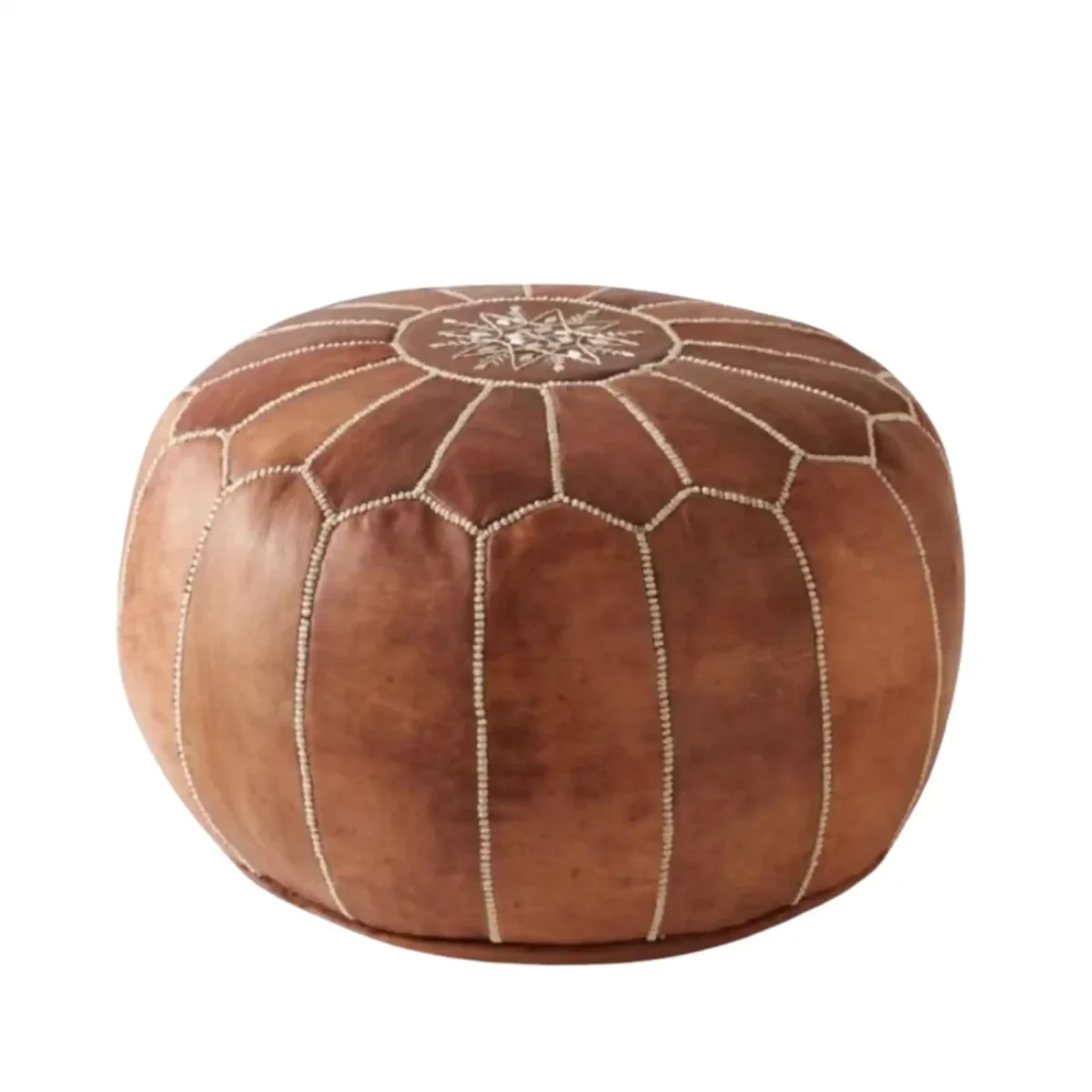
Out of stock
$138.00 Original price was: $138.00.$69.00Current price is: $69.00.
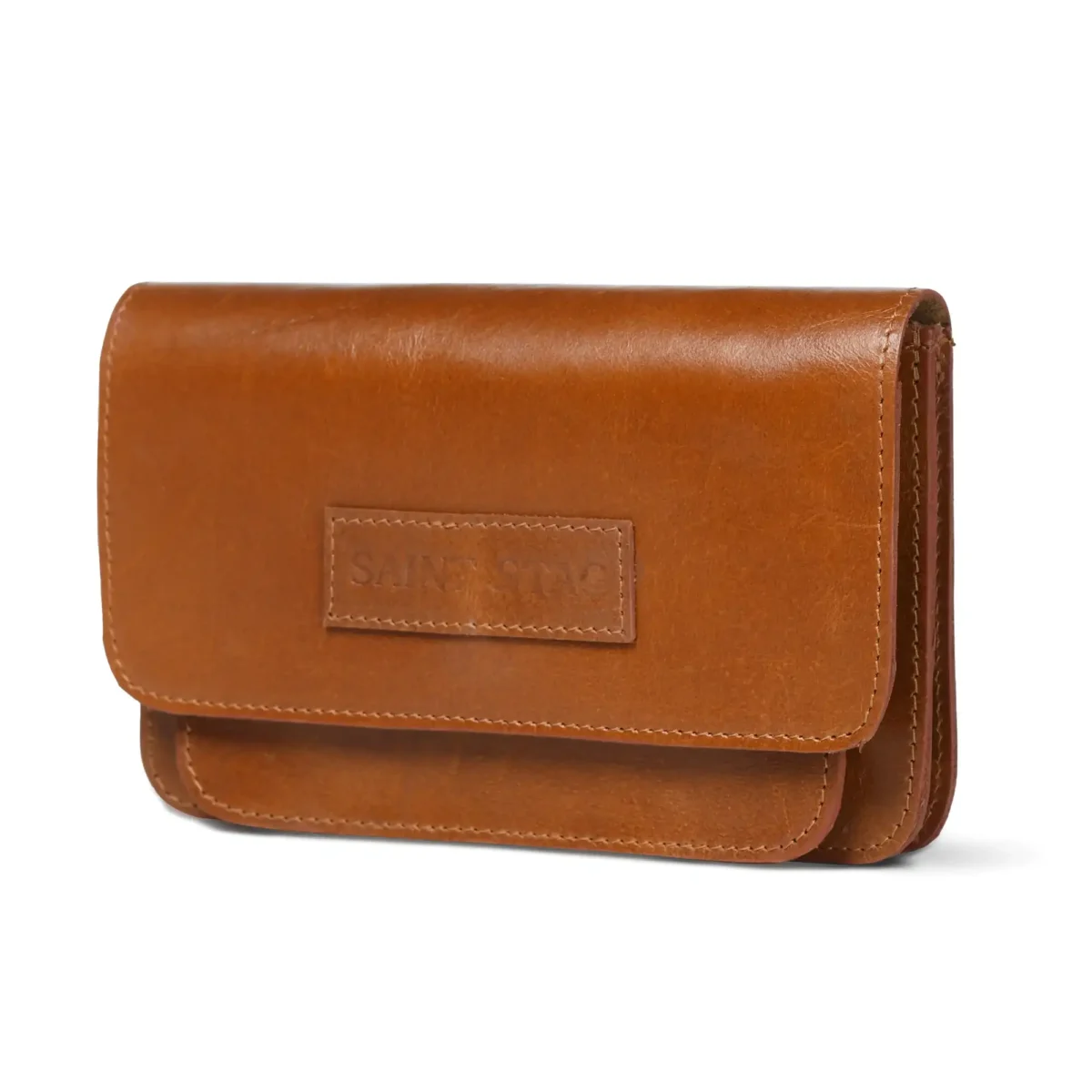
8 in stock
$84.00 Original price was: $84.00.$42.00Current price is: $42.00.
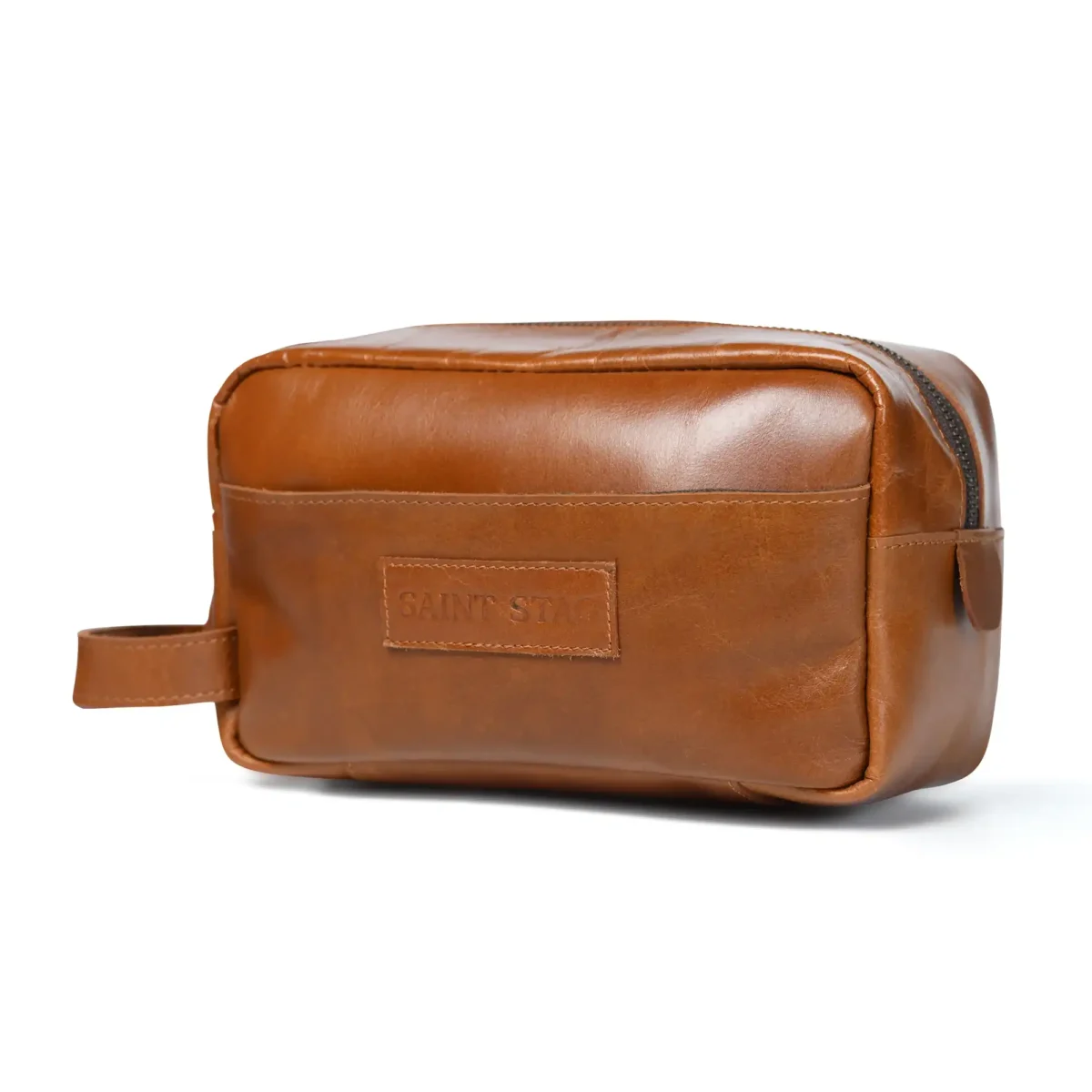
8 in stock
$90.00 Original price was: $90.00.$45.00Current price is: $45.00.
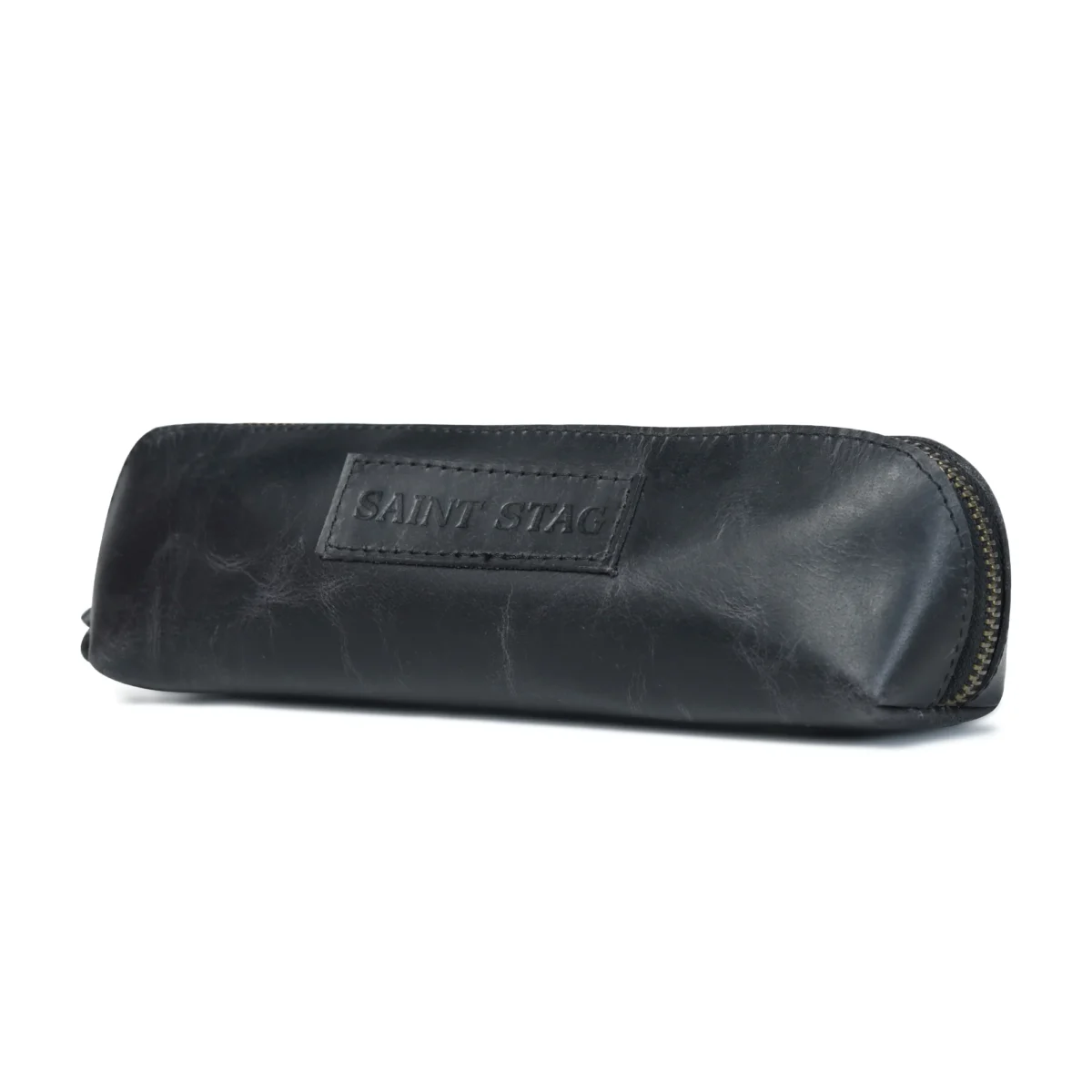
8 in stock
$70.00 Original price was: $70.00.$35.00Current price is: $35.00.
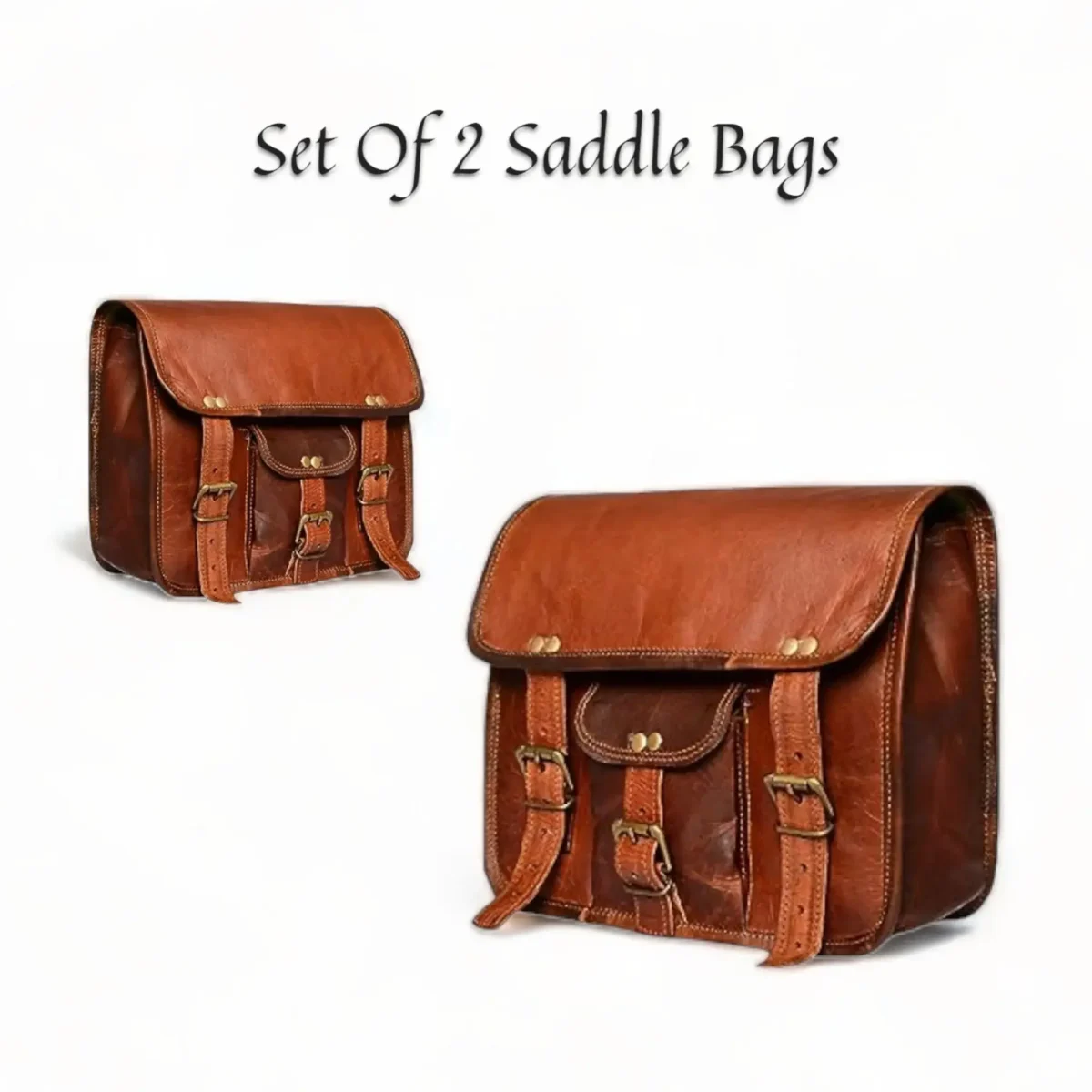
10 in stock
$130.00 Original price was: $130.00.$65.00Current price is: $65.00.
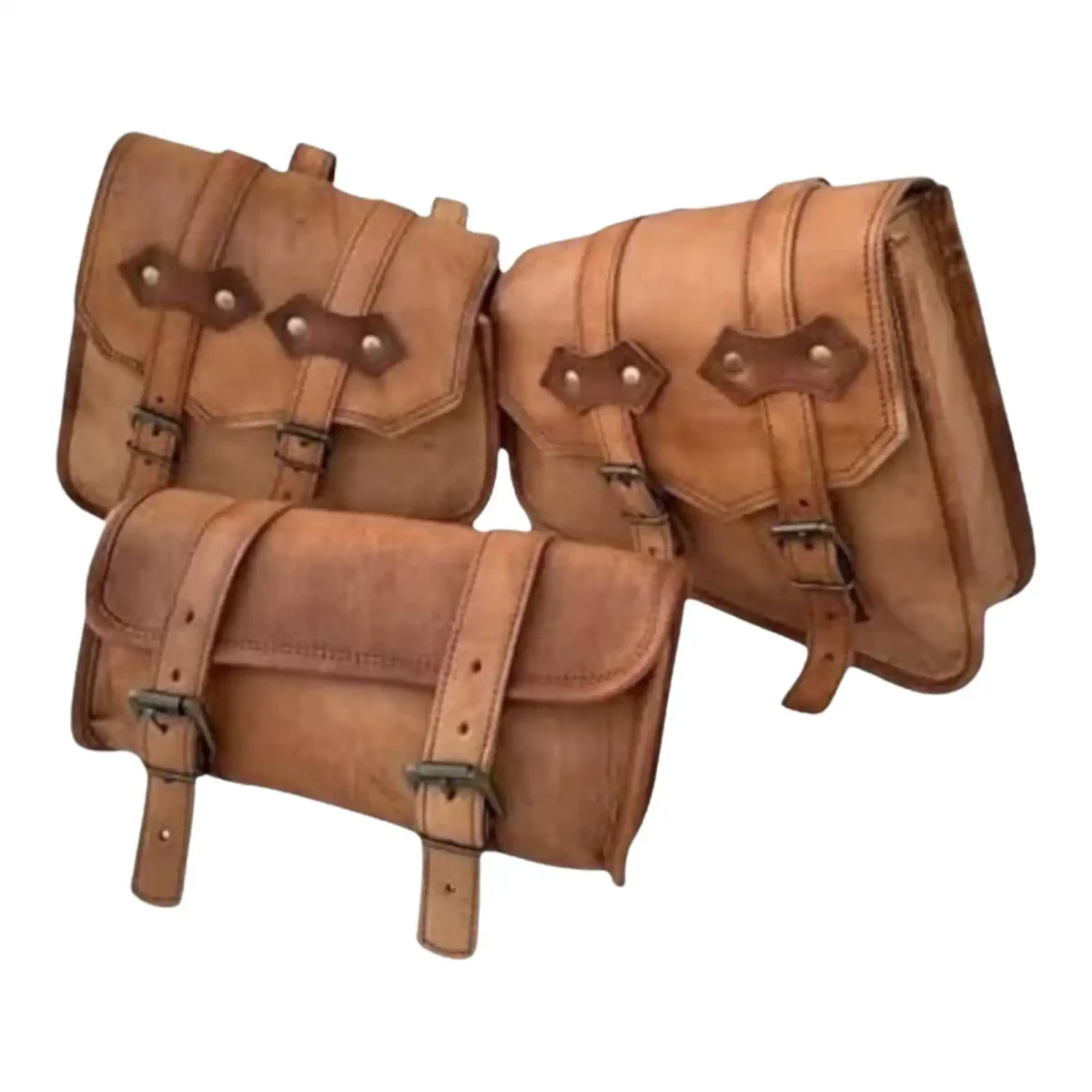
1 in stock
$98.00 Original price was: $98.00.$49.00Current price is: $49.00.