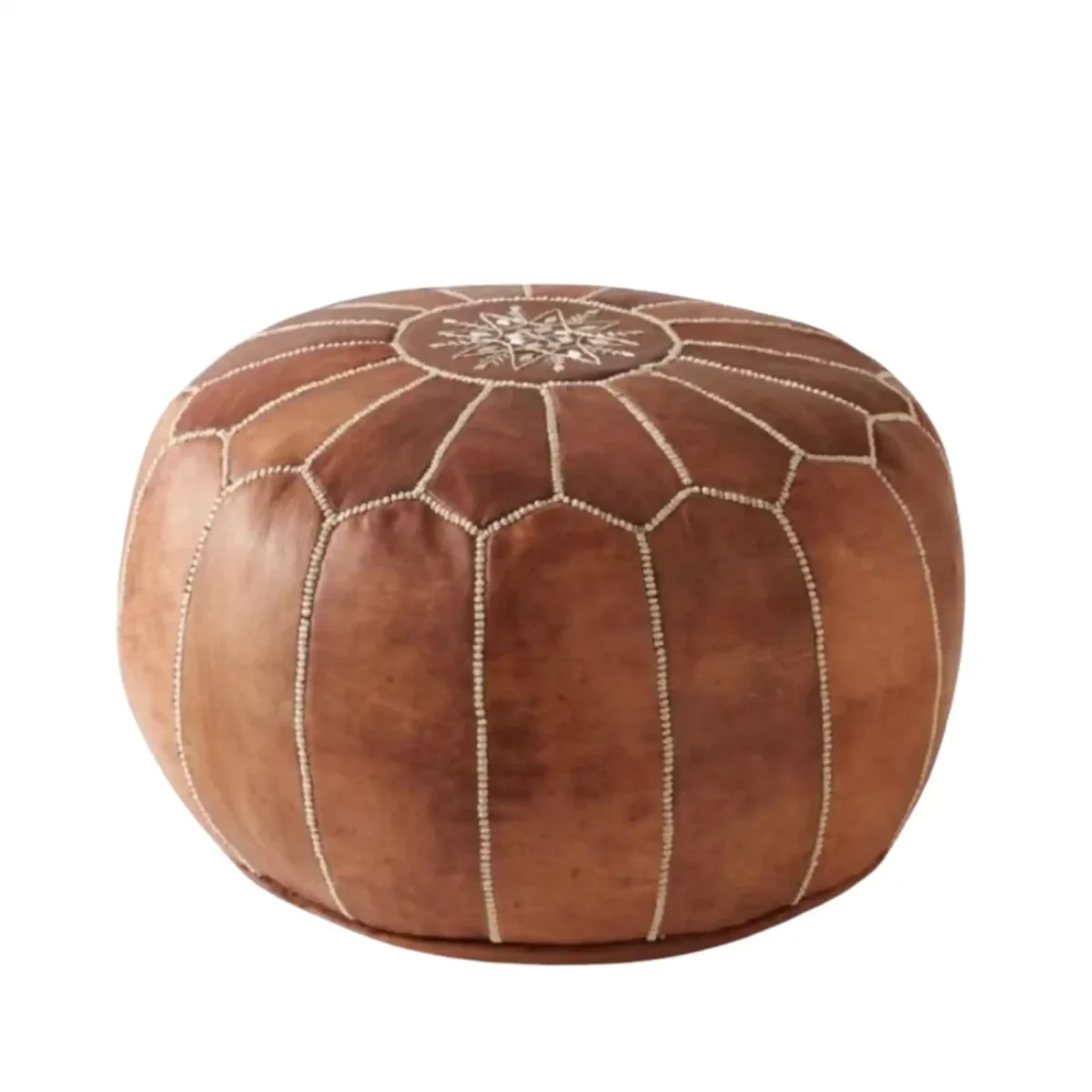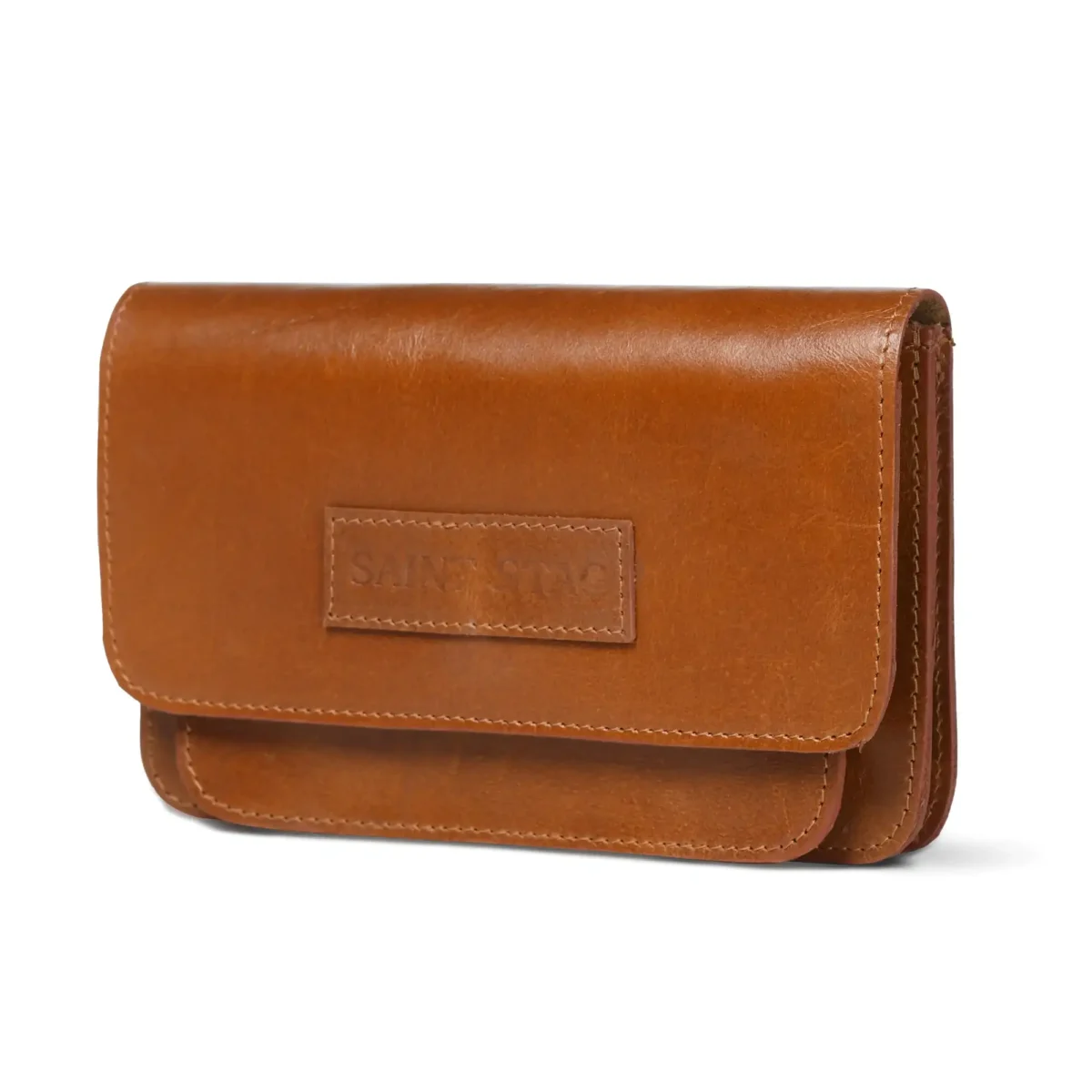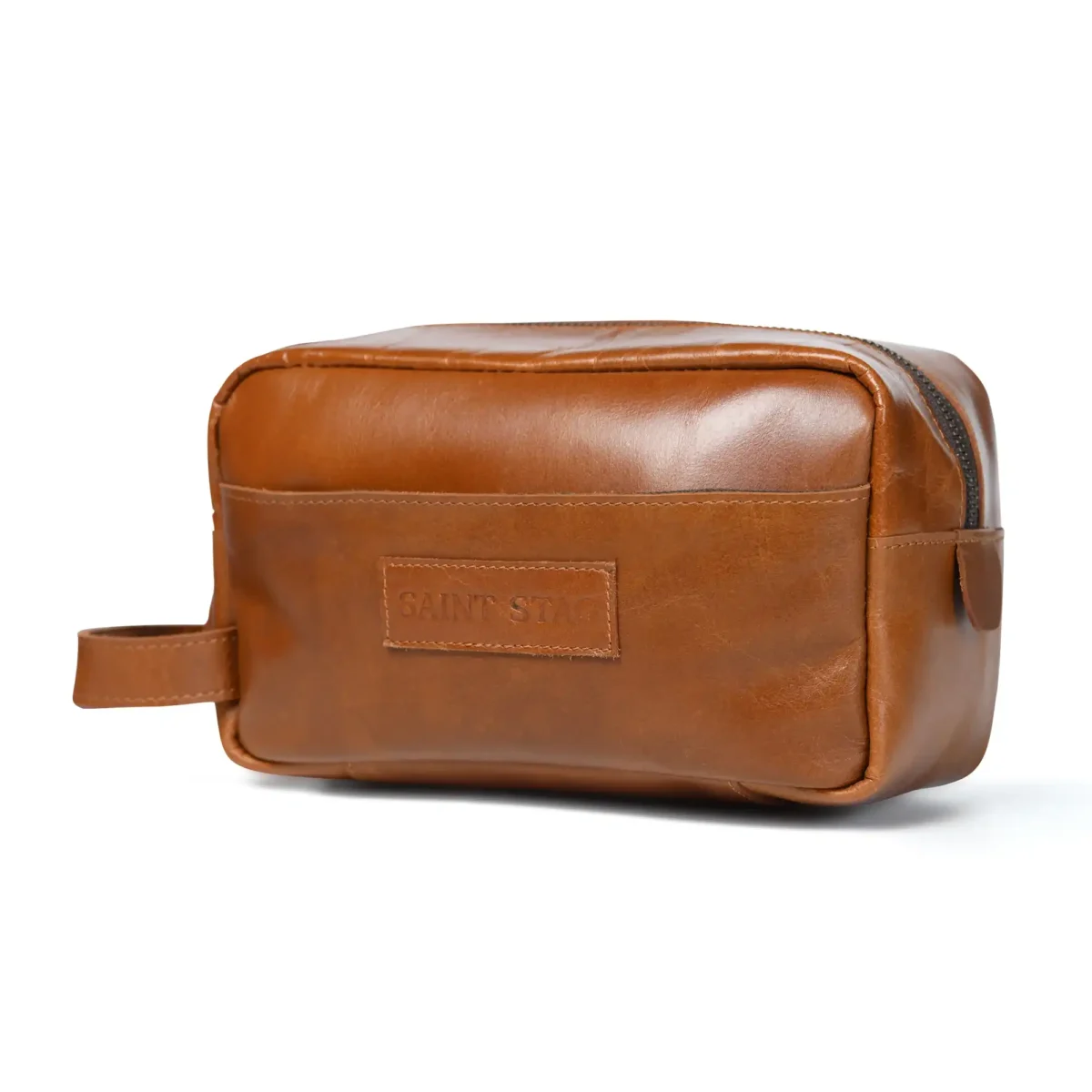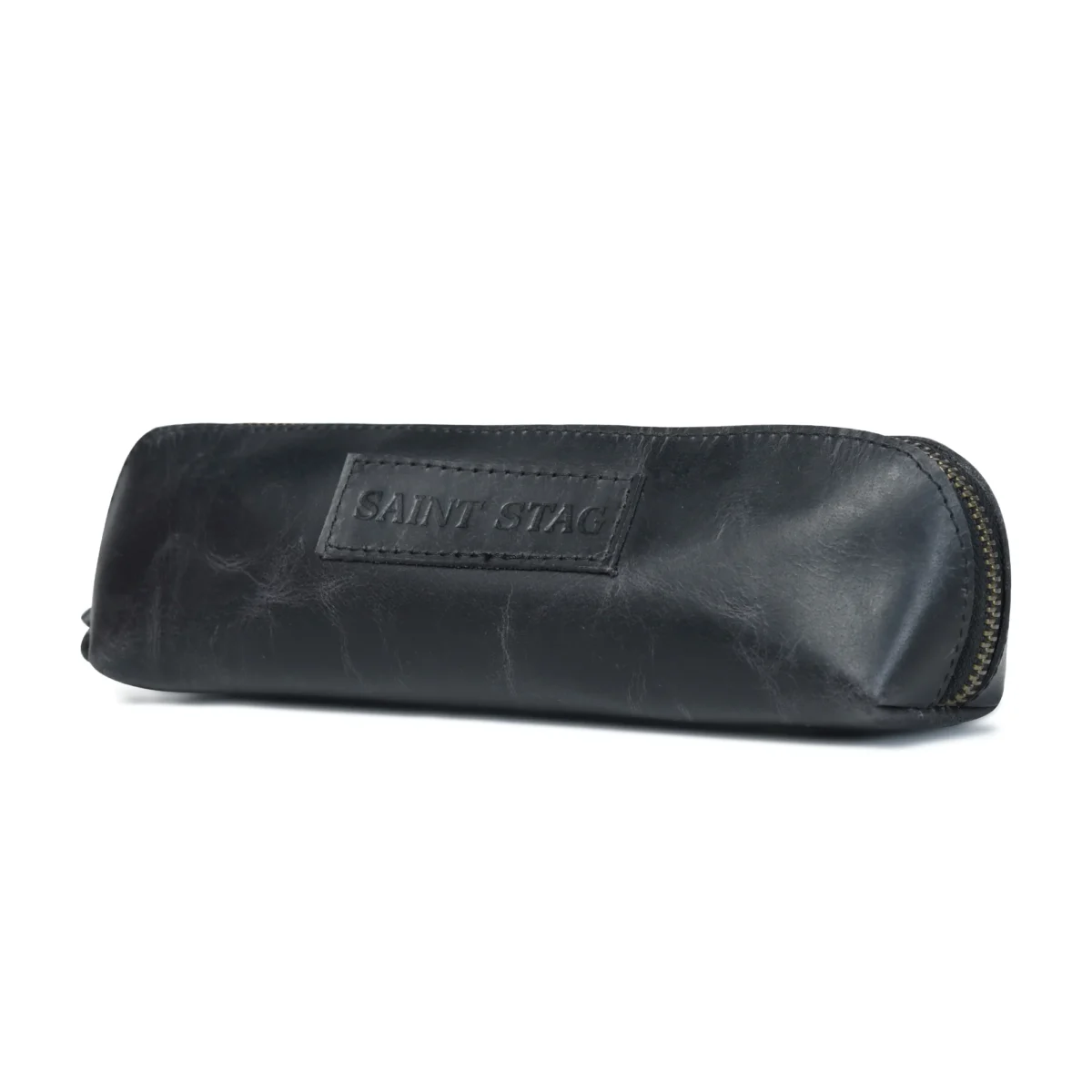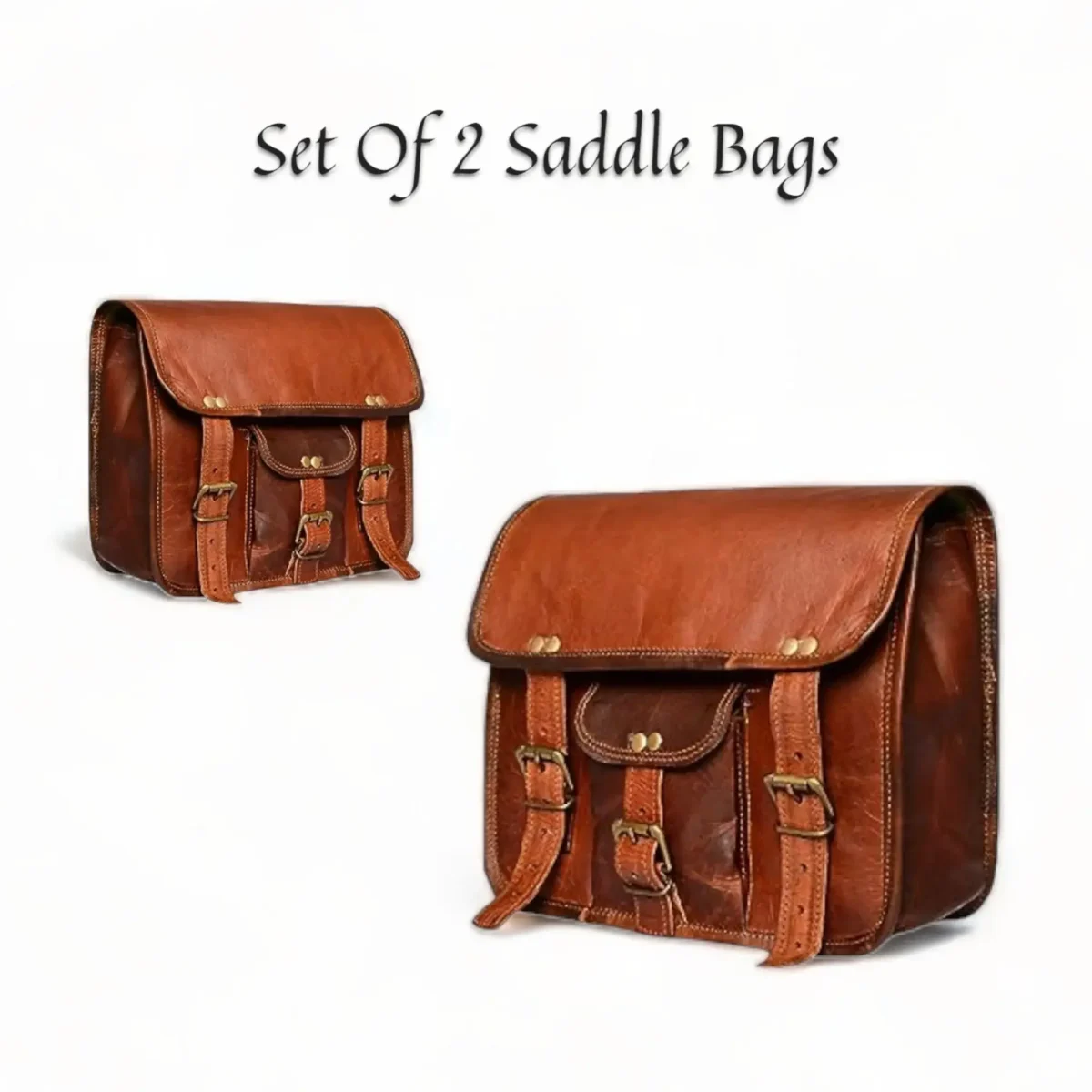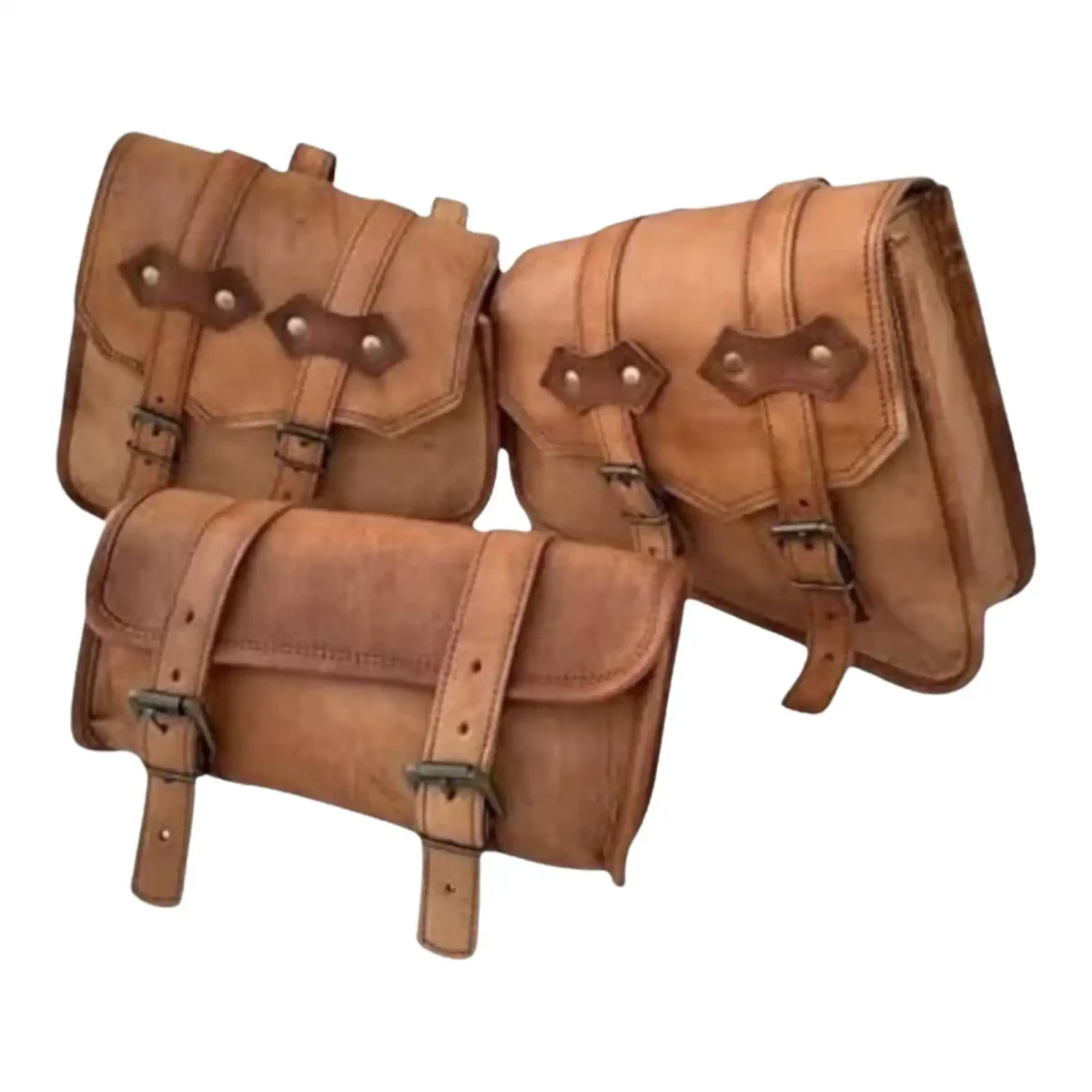
Vintage leather bags hold timeless appeal—symbolizing craftsmanship, character, and heritage. For collectors and professionals in the USA, these pieces represent much more than fashion accessories; they are long-term investments that tell a story. However, as online vintage markets expand, so does the flood of replicas, synthetic substitutes, and counterfeit pieces marketed as “genuine” leather.
Learning how to identify real vs fake vintage leather bag online in the USA is essential for anyone seeking authenticity and value. The difference between a handcrafted full-grain leather tote and a synthetic imitation can be thousands of dollars, not to mention the emotional satisfaction of owning something truly original.
This guide breaks down everything you need to know—from understanding true vintage leather characteristics to spotting red flags while shopping online—so you can buy with confidence.
Understanding What Makes Leather “Real”
Before learning to identify fake leather, it’s important to understand what makes genuine leather unique. Real leather originates from animal hide, primarily cowhide, that has been tanned and treated to create a durable, flexible material.
Real vintage leather bags typically use one of these three types:
-
Full-grain leather: The highest quality, with natural imperfections and fibers left intact. It develops a patina over time and lasts decades.
-
Top-grain leather: Slightly buffed for smoothness but still high quality. Commonly used for luxury handbags.
-
Genuine leather: A lower grade, made from layers of hide that have been corrected or embossed. Although genuine, it’s less durable than full or top-grain options.
Synthetic or faux leathers, often made from PVC or polyurethane, attempt to mimic the look and feel of genuine leather but lack its organic texture, durability, and aroma.
Why Counterfeit Vintage Bags Are So Common
Vintage leather bags are popular among collectors and professionals, which has created a thriving secondary market online—filled with authentic gems and deceptive fakes alike. Counterfeit sellers often use stock photos, vague descriptions, or low prices to attract buyers.
Some common tactics include:
-
Using terms like “vintage-style” instead of “vintage”
-
Listing bags as “leather” without specifying the type
-
Selling replicas of well-known heritage brands (Coach, Mulberry, Louis Vuitton, etc.)
-
Artificially “aging” synthetic leather to appear vintage
Knowing these tactics helps you approach each listing critically before making a purchase decision.
Key Differences Between Real and Fake Leather
Spotting the difference between real and fake leather becomes easy when you know what to look for. Use this checklist when browsing online or receiving a product after purchase.
1. Look and Texture
Real leather has natural imperfections like wrinkles, scars, or grain variance. It should not look perfectly uniform. The surface may feel soft but firm, with visible pores.
Fake leather tends to look overly smooth or glossy and feels plastic-like to touch. Pattern repetition is another giveaway; real leather grains never repeat exactly.
2. Smell Test
Authentic leather has a distinctive, earthy aroma that cannot be replicated by synthetic materials. In contrast, fake leather often smells like chemicals, plastic, or paint due to artificial coatings.
When shopping online, check product reviews or ask the seller to describe the scent if possible.
3. The Edge Finish
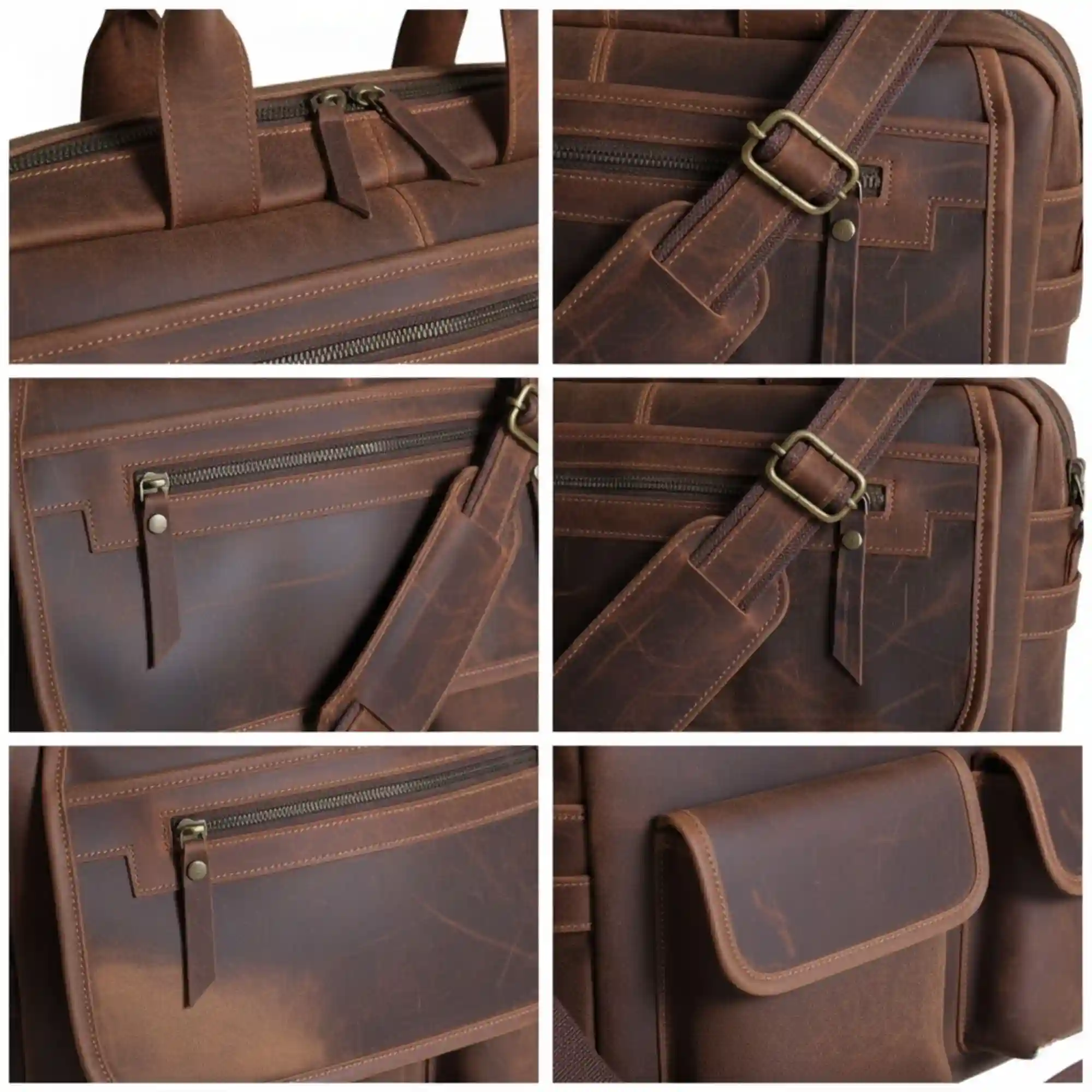
Inspect product photos closely. Authentic vintage leather bags usually have rough-cut edges or hand-painted finishes that age over time. Fake leather products have clean, sealed, or plastic-like edges that do not wear naturally.
4. Stitching and Hardware
Real vintage leather bags exhibit immaculate hand-stitching, balanced seams, and metal zippers or clasps. Counterfeit bags often have machine-stitched seams with uneven spacing and lightweight hardware prone to tarnish.
If possible, zoom in on seller photos. Look for consistent stitching and high-quality metal details like brass or antique bronze.
5. Weight and Flexibility
Leather has substance. Authentic leather feels heavier and more robust than synthetic alternatives. Fake leather is typically thin, stiff, or unnaturally flexible.
If product weight is provided on an online listing, it can offer clues—genuine leather bags tend to be denser and heavier for their size.
6. Heat and Water Reaction
Though you can’t test this during online buying, real leather warms quickly when touched and darkens slightly with moisture before drying back evenly. Fake leather often remains cool and repels water outright.
How to Identify Real vs Fake Vintage Leather Bag Online (USA Buyers’ Checklist)
When shopping online in the USA, follow these practical steps to ensure you’re purchasing authentic vintage leather:
-
Buy from trusted sellers or certified resellers. Look for businesses that specialize in vintage goods or have verified seller ratings. Platforms like Etsy, eBay, or dedicated vintage stores like Saint Stag often provide authenticity guarantees.
-
Analyze product images closely. Request high-resolution photos of grain texture, hardware, inner lining, and brand stamping.
-
Check for product provenance. Authentic vintage listings usually mention manufacturing origin, brand history, or previous owners.
-
Read seller reviews. Buyer feedback often reveals red flags or praise for authenticity. Genuine sellers are transparent about variations or marks on leather.
-
Beware of prices that seem too good to be true. Authentic vintage leather bags retain value. Extremely low prices often indicate replicas or reconstituted leather.
-
Ask detailed questions. Enquire about the type of leather (full-grain, top-grain), tanning method, or age. Scam sellers tend to avoid specifics.
-
Look for authenticity certificates or receipts. Many sellers of heritage brand vintage bags offer proof of purchase or certificates from verification agencies.
By implementing this checklist, buyers in the USA can confidently distinguish real craftsmanship from imitation.
How Vintage Leather Ages Differently from Fake Alternatives
The aging process is one of the truest signs of authenticity. Real vintage leather develops a patina—a soft, rich glow that deepens over years of handling and exposure. This patina enhances the bag’s beauty and unique story.
Fake leather, on the other hand, tends to crack, peel, or fade irregularly. Its artificial coating breaks down rather than maturing gracefully.
When browsing listings, pay attention to how the seller describes the bag’s condition. Terms like “natural patina,” “mild creasing,” or “sun-kissed fading” usually indicate genuine material aging, while “minor cracking” or “flaking” suggests synthetic deterioration.
Understanding Seller Terminology
Many online sellers unintentionally mislabel their products, while others purposely use confusing language. Learning key industry terms can protect you from costly mistakes.
-
Vintage-inspired: Not truly vintage. Usually a modern reproduction designed in a retro style.
-
Leather-like: Almost always synthetic.
-
Bonded leather: Made from leather scraps mixed with polyurethane and pressed to form sheets. This is not full-grain leather.
-
PU leather: Stands for polyurethane leather—a synthetic material that mimics leather’s appearance.
-
Genuine leather: Technically real leather, but lower quality and often mass-produced.
Understanding these labels ensures you won’t confuse imitation for the real thing.
Why Authentic Vintage Leather Bags Are Worth the Investment
Authentic vintage leather bags hold both financial and emotional value. They are built from superior materials that last decades and can even appreciate with time, unlike synthetic alternatives that degrade within a few years.
Brands with historical craftsmanship—such as Coach, Saddleback, or artisan brands like Saint Stag—craft bags designed to endure generations. Their resale value remains high in the collector’s market because authenticity and condition dictate price.
Moreover, genuine vintage leather aligns with sustainable living. It reduces demand for new production while celebrating the artistry of traditional leather work. In a world of fast fashion, owning something authentic becomes a quiet act of intention.
How to Preserve and Restore Vintage Leather Bags
Once you’ve confirmed your bag’s authenticity, proper care ensures it remains a lifelong companion. Below are expert tips for upkeep:
-
Store the bag in a breathable cotton dust bag; never in plastic.
-
Keep it away from direct sunlight and humid environments.
-
Apply conditioner or leather balm every few months to maintain suppleness.
-
Avoid overstuffing; it stretches and weakens the leather.
-
For deep restoration, contact a professional leather care specialist.
Consistent maintenance prevents cracking, restores luster, and accentuates the natural patina.
Red Flags to Watch When Buying Online
Online shopping can be safe if you know the warning signs of fraud or fakes.
-
Listings with generic or stock photographs.
-
No return policy or poor response from the seller.
-
Misuse of brand names and vague descriptions.
-
Discrepancies in logo design, font, or placement.
-
Inconsistent stitching patterns on handles and seams.
Perform reverse image searches when in doubt—many counterfeiters reuse photos from legitimate listings.
Identifying a real versus fake vintage leather bag online requires attention, patience, and understanding of materials. In the USA, the online market offers exceptional opportunities to acquire rare, authentic vintage leather bags, but only for those who research intelligently.
Real leather is defined by its irregular beauty, warm texture, and timeless endurance. Counterfeit pieces may imitate its appearance but cannot replicate the craftsmanship and heritage carried in authentic leatherwork.
Purchasing wisely means protecting your investment and aligning your choices with values: sustainability, artistry, and quality. Whether for a collector, professional, or enthusiast, owning a true vintage leather bag remains a mark of authenticity in a disposable age.
FAQs
Q1: How can I identify real vs fake vintage leather bag online in the USA?
Inspect product photos for grain texture, stitching, hardware, and edge finishes. Read seller reviews and confirm provenance before buying.
Q2: Do real vintage leather bags always have imperfections?
Yes, slight irregularities like wrinkles or scars are natural and desirable signs of authenticity.
Q3: Is genuine leather the same as full-grain?
No. Genuine leather is a lower quality variant, whereas full-grain is the top-grade leather with the most durability and character.
Q4: Can fake leather develop a patina?
No. Synthetic materials do not age naturally; they peel or crack over time. A patina is a unique hallmark of authentic leather.
Q5: Are vintage leather bags good investments?
Absolutely. Authentic vintage leather retains its beauty, durability, and market value—unlike synthetic substitutes that depreciate quickly.
Q6: Which online platforms are best for buying authentic vintage leather bags in the USA?
Look for specialized vintage retailers, trusted Etsy shops, or artisan brands like Saint Stag that guarantee authenticity.