🚛 FREE SHIPPING | LIFETIME REPAIR WARRANTY | 20% Sale: “FASHION20”
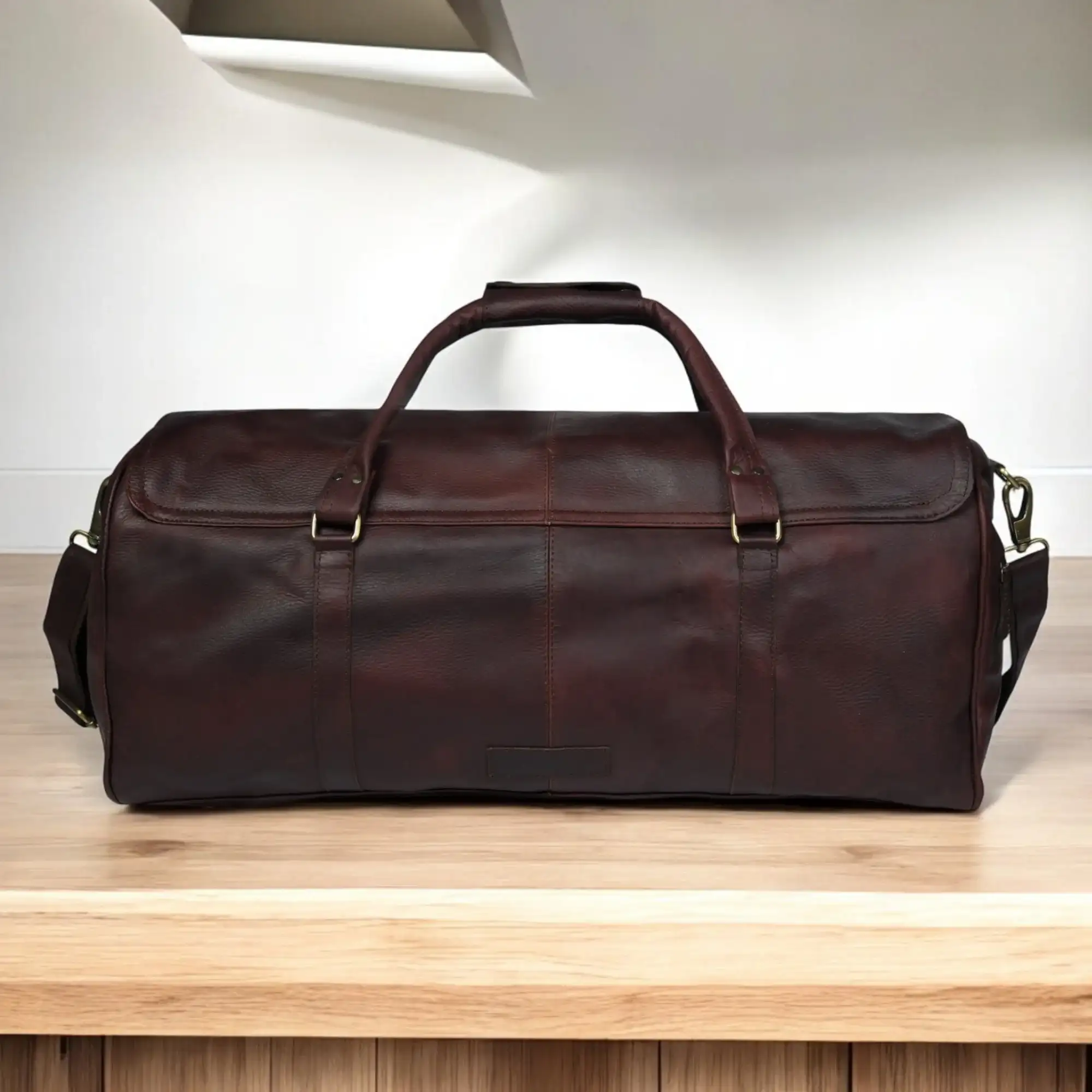
The Secret to Forever: Top Factors That Make a Vintage Leather Bag Truly Long Lasting
Why do some vintage leather bags stand the test of time, becoming cherished heirlooms, while others quickly fall apart? It is a question that fascinates many of us. We are drawn to vintage pieces not just for their unique style, but for the promise of endurance and a story. A truly long-lasting bag is a counter-narrative to today’s fast fashion. It represents an investment in quality and sustainability. At saintstag.com, we believe in the timeless appeal of well-crafted goods, designed to journey with you through life’s many adventures. This guide will uncover the essential factors that make a vintage leather bag truly durable. You will learn how to spot these qualities and understand why they are crucial for a bag’s longevity.
Foundation First: The Indisputable Quality of a Vintage Leather Bag
The type of leather used is the absolute cornerstone of a bag’s lifespan. Not all leather is created equal, and understanding the differences is key to identifying a truly long-lasting piece. The right leather will age gracefully, developing a rich character over the years. This quality ensures your bag becomes a beloved heirloom.
Full-Grain: The Gold Standard of Longevity
Full-grain leather is the highest quality and most durable leather bag available. It comes from the outermost layer of the hide, retaining all its natural imperfections and dense fibers. This untouched surface ensures maximum strength and resistance to wear. You can identify full grain leather by its visible grain patterns, natural markings, and rich, deep scent. It feels thick and substantial to the touch. Over time, it develops a beautiful patina, a soft sheen that adds character without compromising the material’s integrity. This type of leather breathes, making it incredibly long-lasting and resilient.
Top-Grain vs. Corrected-Grain: Knowing the Nuances
Top-grain leather is the second-highest grade. It undergoes a light sanding process to remove imperfections, making it softer and more pliable than full-grain. While still durable, it lacks some of the natural strength and unique character of full-grain. Corrected-grain leather has had its surface extensively buffed and often covered with a pigment or artificial grain. This process hides flaws but significantly reduces the natural strength and breathability of the leather. Both can be decent vintage choices if well-made, but their longevity will depend on the initial quality of the hide and the finishing process. Always inspect them closely for any signs of premature cracking.
The Red Flags: Bonded Leather and Its Pitfalls
Bonded leather is the lowest quality and should be avoided if you seek a truly long-lasting bag. It is made from scraps of leather fibers, often mixed with an adhesive, and then pressed together. This material is then coated with polyurethane and embossed to resemble genuine leather. While initially appearing like real leather, bonded leather is highly prone to peeling, flaking, and cracking within a short period. It lacks the strength, durability, and breathability of higher-grade leathers. In vintage items, bonded leather will show clear signs of deterioration, unlike the graceful aging of full-grain leather. Always check the edges and inside seams for signs of this inferior material.
The Art of Assembly: Craftsmanship That Endures
Beyond the leather itself, the way a bag is put together is critical to its endurance. Superior craftsmanship ensures every component works in harmony to withstand daily use. Even the best leather will fail if the construction is weak. Paying attention to these details helps you identify a truly quality vintage piece.
Stitching: The Unsung Hero of Strength
The stitching is a powerful indicator of a bag’s quality and its ability to last. High-quality vintage bags often feature saddle stitching, a traditional method where two needles pass through the same hole, creating an incredibly strong and secure seam. If one stitch breaks, the rest remain intact, unlike machine stitching where a single broken stitch can unravel an entire section. Look for tight, even stitches that are consistent in length and perfectly aligned. The thread itself should be robust, often linen or strong nylon, not thin cotton that frays easily. Pay close attention to stress points like handles, strap attachments, and corners. These areas should have reinforced stitching, sometimes with extra passes or double seams, to prevent tearing.
Robust Hardware: More Than Just Bling
Hardware, including zippers, buckles, clasps, and D-rings, plays a vital role in a bag’s functionality and longevity. Flimsy hardware is a common weak point in poorly made bags. Truly long-lasting vintage bags will feature hardware made from durable materials. Solid brass, stainless steel, or other heavy-duty metals are excellent choices. They resist tarnishing and rust, maintaining their integrity over decades. Zippers should be sturdy and operate smoothly, often from reputable brands like YKK or Lampo. Examine buckles and clasps for their weight and solid construction. They should feel substantial and secure, not hollow or easily bent.
Thoughtful Construction: Beyond the Surface
The overall construction of a bag reveals a lot about its potential for longevity. Gussets, which are folded or pleated sections, provide extra space and reinforce the bag’s structure, allowing it to expand without straining seams. Piping along edges protects the leather from abrasion and helps maintain the bag’s shape. Rolled edges, where the leather is folded over and stitched, are also a sign of quality. Inside, the lining material should be durable and well attached. Strong cotton, canvas, or even another layer of thin leather are good choices that resist fraying and tearing. Inspect internal pockets and compartments for thoughtful design and sturdy construction. A well-designed interior prevents items from poking through and damaging the bag’s structure over time.
The Journey of Time: Patina vs. Damage
One of the most appealing aspects of a vintage leather bag is its unique character developed over time. This aging process, however, can be a double-edged sword. It is crucial to distinguish between a desirable patina and actual structural damage. Understanding this difference is vital when assessing a bag’s long-term viability.
Embracing the Patina: The Beauty of Age
Patina is a natural, beautiful sheen that develops on high-quality leather through years of use, exposure to natural elements, and handling. It is a sign that the leather has aged gracefully and absorbed the essence of its journeys. Patina often manifests as a darkening, softening, and smoothing of the leather, creating a unique depth of color and texture. This change enhances the bag’s character and tells a story of its past. It is proof of genuine leather and excellent craftsmanship. A lovely patina indicates a bag that has been well-loved and well-made, promising many more years of service. It should feel smooth and uniform, not cracked or dry.
Discerning Deal-Breakers: When “Vintage” Becomes “Damaged”
While patina is desirable, certain signs of wear indicate a bag is structurally compromised and may not be truly long-lasting. Look out for cracking, flaking, or excessive dryness, which often point to inferior leather quality or severe neglect. These issues weaken the leather’s fibers and can lead to tears. Inspect for actual tears, broken stitching, or deeply rusted hardware. These are structural problems that compromise the bag’s integrity and often require extensive, costly repairs. While minor repairs like a loose stitch can be fixed, widespread damage suggests the bag may not endure much longer. Knowing when to walk away from a heavily damaged bag saves you from future disappointment.
The Keeper’s Guide: Extending the Life of Your Vintage Treasure
Even the most robust vintage leather bag requires proper care to ensure its longevity. Think of it as nurturing a living material. A little attention goes a long way in preserving its beauty and strength for decades to come. Regular maintenance is not just about keeping it looking good; it is about extending its life.
Gentle Cleaning & Conditioning
Regularly dust your leather bag with a soft, dry cloth to prevent dirt buildup. For light cleaning, wipe the surface with a slightly damp cloth, then immediately dry it with another clean cloth. Avoid harsh chemicals, as these can strip the leather of its natural oils and cause damage. Use a specialized leather conditioner a few times a year, or more often if the leather feels dry. Always test any new product on an inconspicuous area first, like the bottom or inside flap, to ensure it does not alter the leather’s color or texture. Conditioning keeps the leather supple, preventing it from drying out and cracking.
Proper Storage for Preservation
How you store your vintage leather bag significantly impacts its lifespan. Always keep it in a cool, dry place away from direct sunlight and extreme temperatures, which can cause the leather to fade, dry out, or warp. Humidity can also lead to mildew. Store your bag in a breathable dust bag, never in plastic, to allow for air circulation. To help the bag maintain its shape, stuff it with acid-free tissue paper or soft cloth. Avoid hanging bags by their straps for extended periods, as this can stretch or damage the handles. Proper storage prevents unnecessary wear and tear.
Mindful Use & Handling
Treat your vintage leather bag with care during daily use. Avoid overfilling it, which can strain seams and distort its shape. Protect it from rain and spills whenever possible; if it gets wet, blot it gently with a soft cloth and let it air dry naturally, away from direct heat. Do not rub the wet leather, as this can cause damage. Address any spots or spills immediately to prevent permanent staining. Regular, mindful handling prevents many common problems that can shorten a bag’s life. Consider rotating your bags to give them a rest, especially if you have a cherished collection. This simple habit contributes greatly to heirloom quality leather.
Why Invest in a Long-Lasting Vintage Leather Bag?
Choosing a long-lasting vintage leather bag is more than just a purchase; it is a statement. It embodies a philosophy of quality over quantity, a desire for authenticity, and a connection to history. There are several compelling reasons why this investment makes sense in today’s world.
Sustainability & Ethical Choice
In an era dominated by fast fashion and disposable goods, investing in a durable vintage leather bag is an inherently sustainable choice. You are giving a new life to an existing item, reducing waste, and minimizing your environmental footprint. This upcycling approach
directly supports a circular economy. Opting for vintage means you are not contributing to the demand for new production, which often has significant environmental costs. It is an ethical decision that aligns with conscious consumerism. You acquire a beautiful item while making a positive impact.
Uniqueness & Style
A vintage leather bag offers a distinct uniqueness that modern, mass-produced items simply cannot match. Each bag has its own history, character, and charming imperfections. The patina developed over time ensures no two bags are exactly alike. You own a piece with a story, reflecting a bygone era of design and craftsmanship. This timeless aesthetic transcends fleeting trends, making it a truly versatile accessory. A quality vintage bag complements various styles, adding a touch of sophistication and individuality to any outfit. It becomes an extension of your personal style, a conversation starter, and a true statement piece.
Value & Legacy
When chosen wisely, a long-lasting vintage leather bag can be a sound investment. High quality vintage bags, especially from reputable makers, often retain or even appreciate in value over time. They are seen as genuine vintage leather collectibles, particularly if they are well-preserved and unique. More than monetary value, a durable vintage bag carries a legacy. It is an heirloom quality leather piece that can be passed down through generations, carrying memories and stories within its very fabric. Imagine your children or grandchildren cherishing the same bag that you once loved. This enduring appeal makes it a truly special possession.
Conclusion: A Timeless Investment
The quest for a truly long-lasting vintage leather bag ultimately leads to three crucial pillars: the undisputed quality of its leather, the meticulous craftsmanship of its assembly, and the dedicated care it receives. By understanding these factors, you gain the confidence to identify a bag that will not just last, but improve with age. Owning a durable vintage leather bag is a joy, a commitment to sustainability, and an investment in an item with profound character. It connects you to history, exceptional artistry, and a slower, more deliberate approach to consumption. Explore saintstag.com’s handcrafted collection, designed with enduring quality in mind, to find a companion for your life’s journey.
FAQ Section
How can I tell if a vintage leather bag is genuine full-grain leather and will truly last?
To identify genuine full-grain leather, look for visible, natural grain patterns and imperfections on the surface. It should feel thick, substantial, and have a rich, natural leather scent. This type of leather develops a unique patina over time and is highly durable, promising true longevity for your vintage leather bag.
What specific signs of wear indicate a vintage leather bag has structural damage versus desirable patina?
Desirable patina is a smooth, even darkening or softening that adds character without compromising the leather. Structural damage, however, includes cracking, flaking, excessive dryness, deep tears, or broken stitching. These issues indicate weakening of the material or construction that will likely lead to further deterioration, making the bag less long-lasting.
Is it worth investing in an expensive vintage leather bag, and how can I ensure it retains its value over time?
Investing in an expensive vintage leather bag can be worthwhile if it is made from high quality materials and craftsmanship. To ensure value retention, choose bags made from full grain leather with robust hardware and excellent stitching. Consistent care, proper storage, and gentle use will preserve its condition and appeal, helping it retain or even increase its value.
What’s the best way to clean and condition a very old leather bag without damaging it, to ensure it lasts longer?
Begin by gently dusting the bag with a soft cloth. For cleaning, use a slightly damp cloth followed by immediate drying. Condition the leather with a specialized, high-quality leather conditioner a few times a year, always testing on an inconspicuous area first. Avoid harsh chemicals or excessive moisture to protect the leather’s integrity and extend its life.
Beyond the brand, what hidden craftsmanship details should I look for to determine if a vintage bag is truly well-made and durable?
Look for tight, even saddle stitching, which is stronger than machine stitching. Examine hardware for solid metal construction, like brass or stainless steel, and smooth operation. Check for reinforced stress points, well-constructed gussets, and durable lining materials. These details indicate thoughtful construction that ensures the bag’s durability, regardless of its brand name.
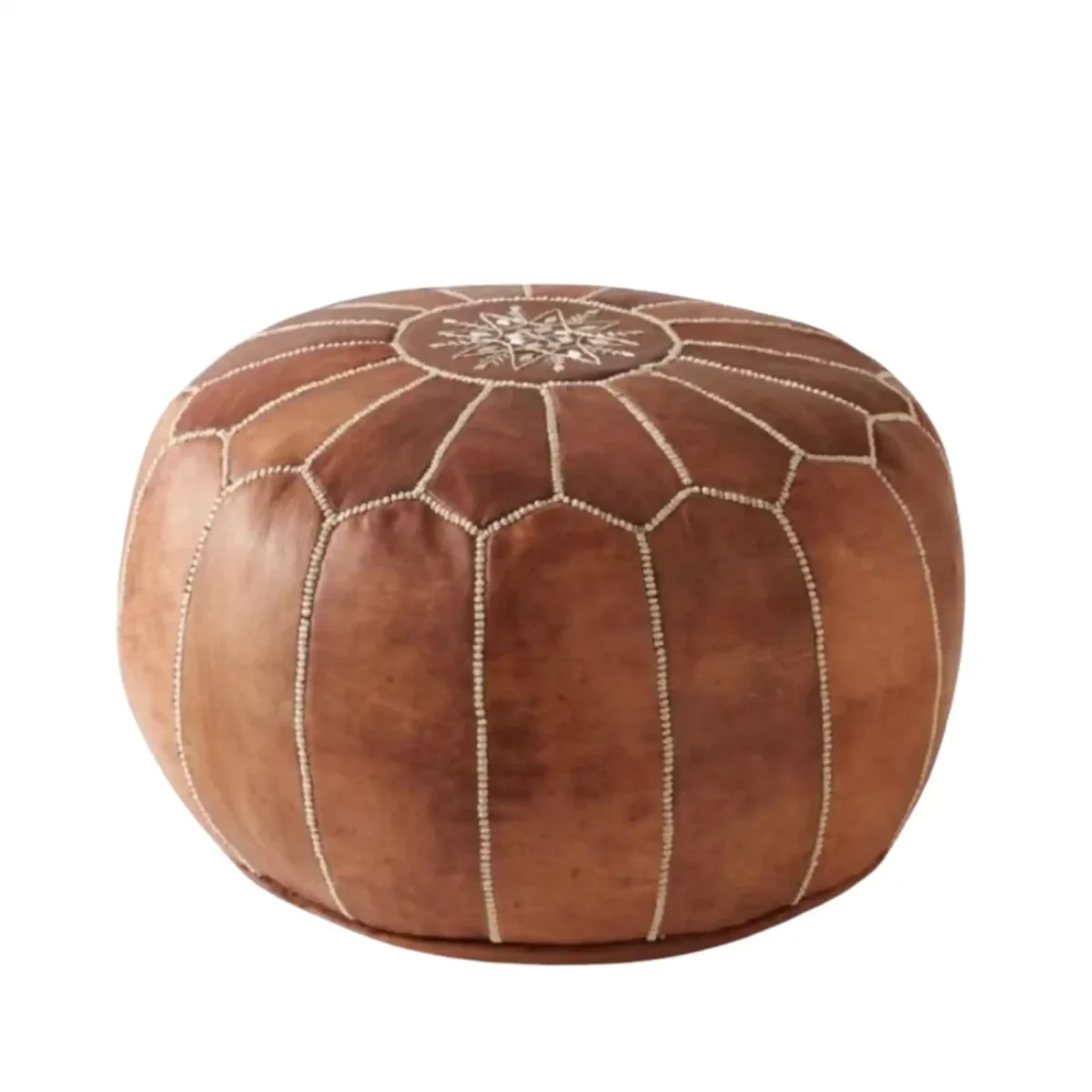
Out of stock
$138.00 Original price was: $138.00.$69.00Current price is: $69.00.
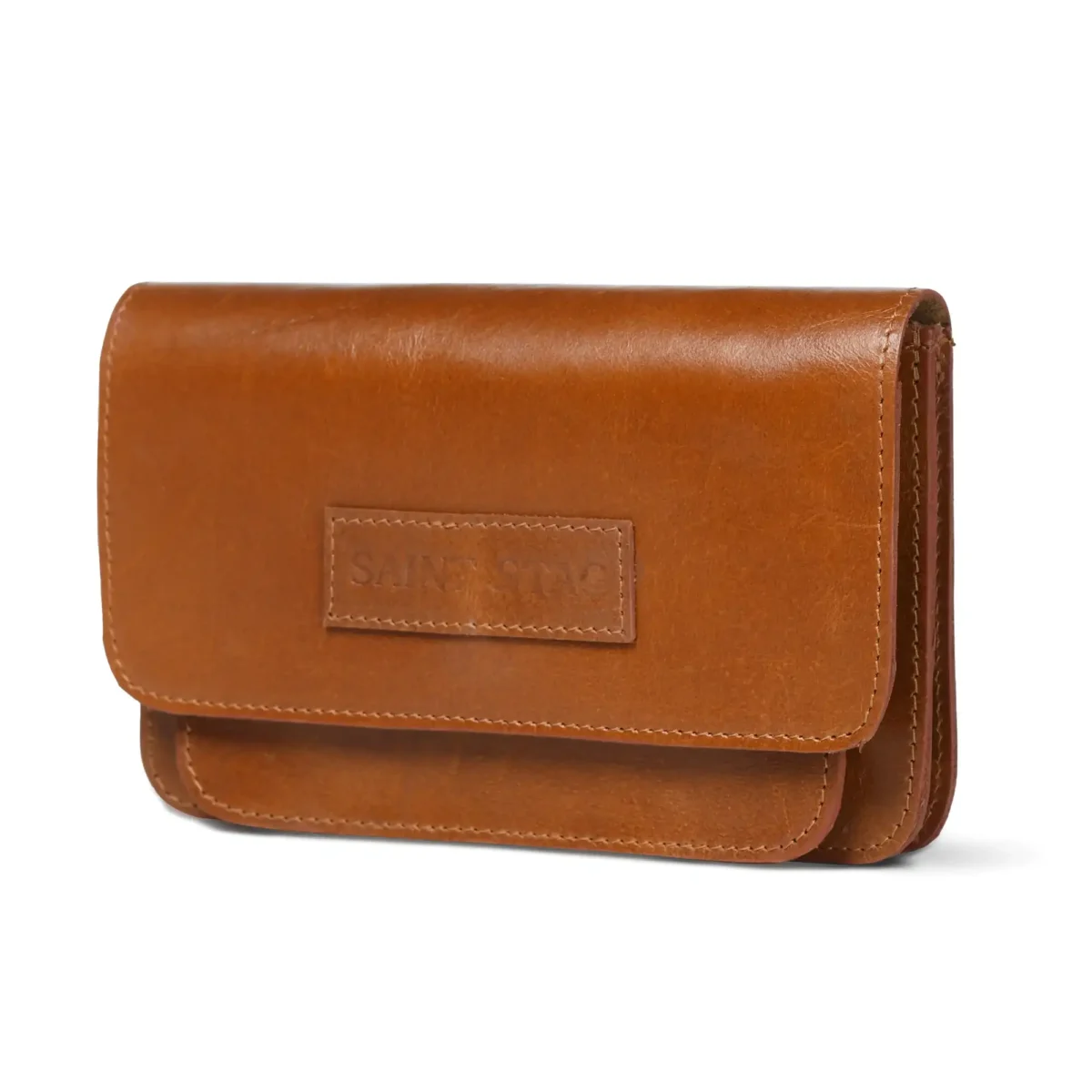
8 in stock
$84.00 Original price was: $84.00.$42.00Current price is: $42.00.
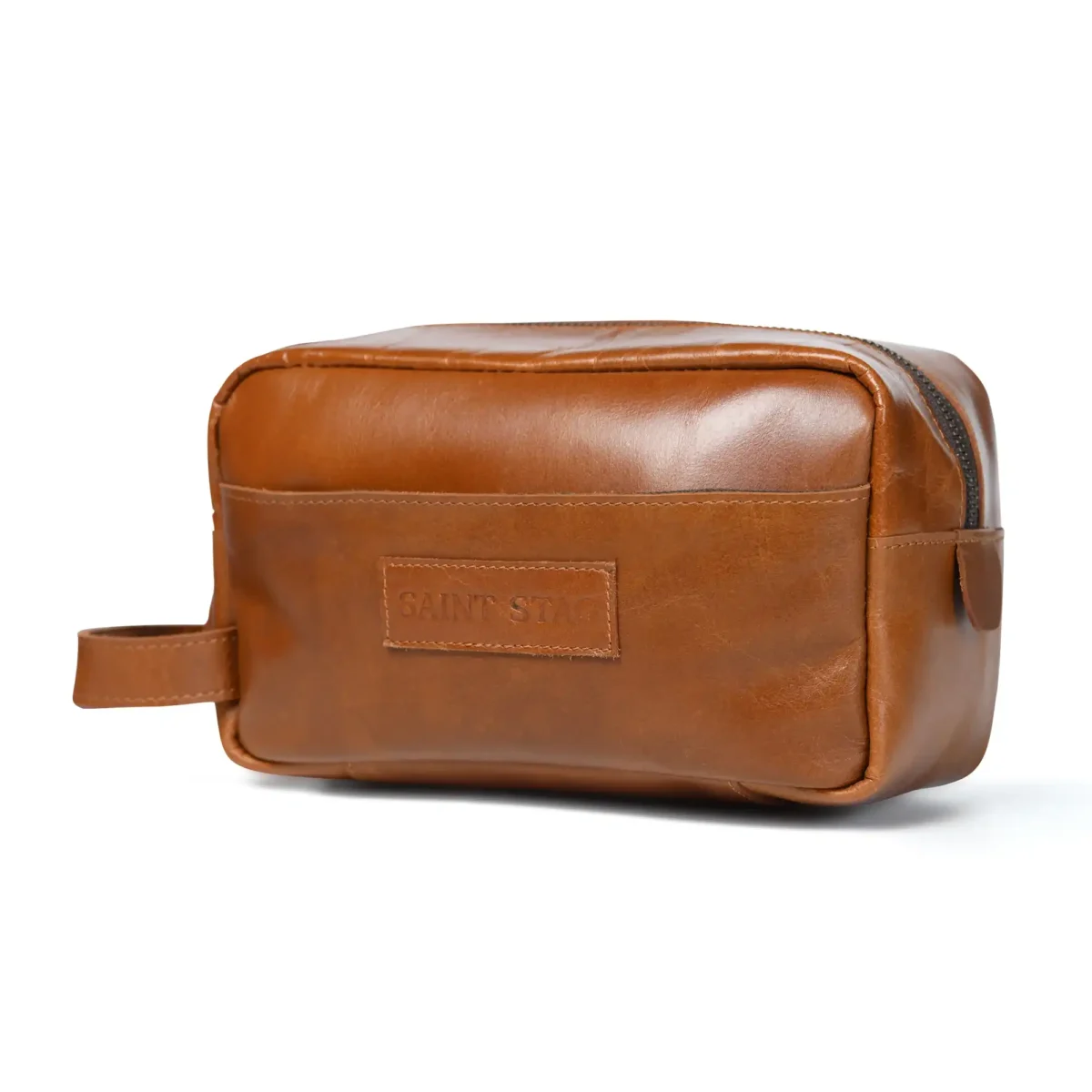
8 in stock
$90.00 Original price was: $90.00.$45.00Current price is: $45.00.
8 in stock
$70.00 Original price was: $70.00.$35.00Current price is: $35.00.
10 in stock
$130.00 Original price was: $130.00.$65.00Current price is: $65.00.
1 in stock
$98.00 Original price was: $98.00.$49.00Current price is: $49.00.