🚛 FREE SHIPPING | LIFETIME REPAIR WARRANTY | 20% Sale: “FASHION20”

Are you tired of investing in a beautiful new leather bag only for it to fall apart prematurely? It is a common frustration for anyone who values both style and substance in their accessories. You want a bag that not only looks great but also withstands the rigors of daily life, whether you are commuting to work or embarking on an adventure. A high-quality leather bag is more than just an accessory; it is a true investment. With proper care, a well made full-grain leather bag can last you anywhere from 7 to 10 years, and often even for decades. This guide offers you a comprehensive checklist of durability indicators. These insights go beyond the surface, including specific advice for finding a truly resilient vintage leather duffle bag. Our goal is to ensure you choose a bag that will endure and age beautifully.
The Ultimate Checklist: Top Durability Indicators for Your Next Leather Bag
The true longevity of any leather bag begins with the quality of the leather itself. Not all leather is created equal, and understanding the different types is your first step towards
making a smart purchase. High-quality leather will resist wear and tear much better than lesser grades. It forms the backbone of a durable accessory.
1.1 Full-Grain vs. Top-Grain vs. Genuine Leather: Know the Difference
Full-Grain Leather: The Gold Standard Full-grain leather is the highest quality and most durable leather available. It comes from the outermost layer of the hide, retaining all its natural texture and strength. The fibers in full-grain leather are the densest and most robust, making it incredibly resilient against stretching, tearing, and punctures. This type of leather develops a rich, unique patina over time. A patina is a soft sheen that forms on the surface of the leather as it ages and is used. It tells a story and adds character, which is highly desirable for a vintage leather duffle bag. Opting for full-grain leather ensures your bag will not only last but also improve with age.
Top-Grain Leather: A Good, Durable Option Top grain leather is the second-highest grade. It is created by sanding off the very top layer of full-grain leather to remove imperfections. This process makes it softer and more pliable, but it also removes some of the strongest fibers and natural markings. While still very durable, top-grain leather is slightly less robust than full-grain. It can be a good choice for bags where a smoother, more uniform appearance is preferred. It offers a balance of quality and a refined aesthetic. However, it will not develop the same rich patina as full-grain leather.
Genuine Leather and Bonded Leather: Beware of These Grades “Genuine leather” is a deceptive term. It refers to any leather that is not full-grain or top-grain. It is usually made from the lower layers of the hide, which are less dense and durable. This leather is often heavily processed, sanded, and dyed to mimic higher grades. Bags made from genuine leather tend to show wear quickly and are prone to cracking and peeling. Bonded leather is even lower quality, made from scraps of leather dust glued together with polyurethane. These options often lead to premature wear and buyer’s remorse. They simply lack the strength and longevity you expect from a quality leather bag.
1.2 The Importance of Thickness and Tannage
Thickness Metrics (oz/mm): How to Gauge Strength The thickness of the leather directly impacts a bag’s structural integrity and resistance to abrasion. For a heavy-duty bag like a duffle bag, look for leather that is between 5 to 9 ounces (or roughly 2.0 to 3.6 millimeters) thick. This substantial hide thickness provides superior resistance to everyday bumps, scrapes, and heavy loads. Thinner leather might feel lighter, but it will not offer the same level of protection or longevity. Always check the leather’s edges to get a sense of its thickness. A thick, solid edge is a good indicator of overall material quality. This is crucial for a durable leather bag, especially if you plan on frequent travel or heavy use. Tanning Process: The Hidden Factor in Lasting Quality The tanning process transforms raw hide into usable leather, and its method significantly affects durability. Vegetable tanning, a
traditional method using natural tannins from plants, is known for producing incredibly strong, rigid, and long-lasting leather. This process can take weeks or months, but it results in leather that ages beautifully and is less prone to chemical degradation. Chrome tanning, while faster and cheaper, uses chemicals that can sometimes weaken the leather fibers over time, or make the leather less resilient. While most modern leather is chrome-tanned, vegetable-tanned leather often provides superior sustained strength. It is a subtle but important indicator of a bag’s lasting quality.
Even the best leather can fail if the craftsmanship is poor. The way a bag is put together, from the stitching to the edge finishing, is critical for its overall durability. These details often reveal the manufacturer’s commitment to quality. Skimping on these elements means a bag might look good now, but it will not hold up over time.
2.1 The Art of Stitching: What to Look For
Stitching Reinforcement: The Mark of Resilience Examine the stitching closely. High quality bags will feature straight, even, and tight stitches. Look for double-stitched seams, especially at stress points like where straps attach to the bag, along zippers, and at corners. This reinforced stitching prevents seams from unraveling under pressure. Thick, durable thread like nylon or polyester is preferred, as it is less likely to break or fray. Weak or uneven stitching, or thin cotton thread, is a red flag. It indicates poor craftsmanship that will lead to early unraveling and structural failure. A well-stitched bag will have a neat appearance, showing attention to detail. No Loose Ends: Spotting Poor Craftsmanship Run your fingers along the seams. There should be no loose threads or inconsistent stitch lengths. Excess thread dangling or threads that are easily pulled suggest a hurried manufacturing process and a lack of quality control. These seemingly minor flaws can quickly escalate into larger issues, compromising the bag’s integrity. A truly durable leather bag will have every stitch securely finished.
2.2 Edge Finishing and Structural Integrity
Leather Edge Finishing: Protection Against Fraying The way the raw edges of the leather are treated is a key durability indicator. There are three main quality finishes: burnished, painted, or rolled. Burnished edges are smoothed and polished, creating a dense, sealed edge. Painted edges have a protective coating applied, preventing moisture and wear. Rolled edges involve folding the leather over and stitching it, creating a clean, durable finish.
Raw, unfinished edges are prone to fraying and damage over time. This exposes the leather’s internal fibers to the elements and wear. A proper edge finish not only looks refined but also significantly extends the life of the bag. Bag Structure: Maintaining Shape Over Time A durable bag should feel substantial and hold its shape even when empty. Look for internal reinforcement, particularly in the base and side panels. Some high-quality bags use additional layers of leather, canvas, or even rigid inserts to prevent sagging and maintain their silhouette. Poorly constructed bags will quickly lose their shape, especially with daily use or when carrying heavier items. This sagging not only looks bad but also puts undue stress on the seams and leather.
The hardware on a leather bag is often overlooked, but it plays a crucial role in its functionality and durability. Cheap hardware can break, tarnish, or snag, rendering an otherwise good bag unusable. Always scrutinize zippers, buckles, and attachment points. These components are essential for the bag’s daily operation and security.
3.1 Zippers, Buckles, and Fastenings
Hardware Durability: Metal Over Plastic For lasting quality, prioritize bags with solid metal hardware. Look for zippers, buckles, and clasps made from brass, steel, or other robust metal alloys. Brands like YKK are renowned for their high-quality, smooth-gliding, and durable zippers. Cheap plastic zippers are prone to breaking, teeth splitting, and general malfunction, which is frustrating and impractical. Metal hardware should feel weighty and substantial, not light and flimsy. Ensure that the hardware is securely attached and operates smoothly. Any stiffness or grinding in a zipper is a sign of poor quality. Rust Resistance: An Important Feature for Travelers If you plan to use your leather bag for travel or in varying weather conditions, consider rust-resistant hardware. Solid brass, for example, develops a natural patina rather than rusting. Plated metals can sometimes chip or corrode over time, especially when exposed to moisture. Rust on hardware can stain your bag’s leather and significantly detract from its appearance and functionality. Checking for quality, corrosion resistant metals is a small step that makes a big difference in long-term durability.
3.2 Straps, Handles, and Their Anchors
Strap Anchor Strength: Crucial for Load-Bearing The weakest point of many bags, especially duffle bags used for travel, is where the straps and handles attach to the main body. Look for straps that are multi-layered, securely stitched, and often reinforced with
rivets. The stitching should be dense and even, not sparse. Pull gently on the straps to feel for any give or weakness in the attachment points. If the straps are merely sewn onto a thin piece of leather, they are likely to fail under heavy loads. High-quality bags will have straps
that extend down the side of the bag, distributing weight more effectively. This is vital for professionals and travelers who carry heavy items. Adjustability and Comfort: Built to Last Quality construction extends to the adjustability and comfort of straps. If the straps are adjustable, check the buckles and sliders to ensure they are also made from durable metal and hold their position firmly. Padded straps on a duffle bag should have durable padding that does not compress or degrade quickly. Straps should feel robust, not flimsy, indicating they can withstand years of use without losing their structural integrity or comfort.
3.3 Bottom Reinforcement and Interior Lining
Reinforced Bottoms: Protecting Your Contents The bottom of a leather bag often takes the most abuse. Look for bags with a reinforced bottom, which might include an extra layer of leather, metal feet, or a stiffer internal panel. Metal feet help lift the bag slightly off surfaces, protecting the leather from scratches and moisture. A well-designed bottom prevents sagging and helps the bag maintain its shape. It also adds an extra layer of protection for your belongings inside. Durable Lining: What to Look For While the exterior is leather, the interior lining also contributes to a bag’s longevity. A sturdy, tightly woven fabric like canvas, twill, or a durable nylon blend is ideal. Avoid thin, flimsy fabrics that can tear easily or fray at the seams. A good lining protects the inside of your bag from spills and helps maintain its structure. It should be neatly stitched and free from loose threads.
Buying a vintage leather duffle bag can be a unique experience, offering a piece with history and character. However, it also requires a discerning eye to differentiate between a beautifully aged heirloom and a bag on the verge of structural failure. Knowing what to look for will ensure your vintage find is truly durable.
4.1 Patina: The Mark of True Vintage Durability
Aging Gracefully: Patina vs. Deterioration A genuine vintage leather duffle bag should display a rich, well-developed patina. This is a sign that the full-grain leather has aged beautifully, gaining depth and character from years of use and exposure. The leather should feel supple and strong, not dry, brittle, or cracked. A good patina indicates that the original leather was of high quality and has been cared for. Beware of bags that show signs of
peeling, excessive cracking, or a worn-off surface finish. These are indicators of lower-quality leather or severe neglect. They suggest material failure rather than desirable aging. Distinguishing Patina from Damage: A Critical Eye While minor scuffs and marks are part of a bag’s story, distinguish them from deep gouges, tears, or areas where the leather appears significantly weakened. Pay close attention to corners, edges, and where the bag folds naturally. These areas are prone to developing cracks if the leather has dried out. A healthy patina should feel integral to the leather, not like a superficial coating that is flaking off. True patina enhances the leather; damage compromises it.
4.2 Assessing Structural Integrity and Repairability in Aged Leather
Hidden Flaws: Checking for Dry Rot and Weak Points When inspecting an older bag, gently flex the leather in various places. If it feels excessively stiff, brittle, or makes a crackling sound, it could be suffering from dry rot. Dry rot is a condition where the leather’s fibers break down due to extreme dryness and lack of conditioning, making it very fragile and irreparable. This is a common flaw in neglected vintage items. Check areas like the bottom, sides, and inside folds where leather might have been compressed. Press on the surface of the leather; it should have some resilience, not feel crumbly. Any significant signs of weakness or flaking are major red flags. Repairable Designs: A Long-Term Advantage Consider the design of the vintage bag from a repairability standpoint. Bags with simple, robust construction and individual components (like straps or buckles) that can be replaced are often more sustainable in the long run. If a strap is integrated into the bag’s body in a complex way, its failure could mean the end of the bag. A design that allows for parts to be mended or exchanged offers greater longevity and ensures the bag can truly be cherished for generations. This foresight is especially valuable for a unique vintage piece.
Even the most durable leather bag needs proper care to truly stand the test of time. A little maintenance goes a long way in preserving its beauty and strength. Consistent care prevents common issues like drying, cracking, and staining. It ensures your investment continues to pay dividends in style and functionality for years.
5.1 Daily Habits for Long-Term Durability
Conditioning with Natural Oils: Preventing Cracking Regular conditioning is perhaps the most crucial step in leather care. Just like your skin, leather can dry out, especially with exposure to sun, heat, or dry air. Use a high-quality leather conditioner with natural oils every
few months, or more often if the bag feels dry. This keeps the leather supple, moisturized, and prevents it from cracking or becoming brittle. Apply a small amount with a soft cloth and buff gently. Protection from Elements: Moisture and Abrasions Leather is durable, but it is not impervious to damage. Avoid prolonged exposure to direct sunlight, which can fade and dry out the leather. Protect your bag from heavy rain; if it gets wet, let it air dry naturally, away from direct heat. Always try to keep your bag away from sharp objects or rough surfaces to prevent unnecessary scratches and abrasions. Being mindful of where you place your bag can prevent significant wear.
5.2 Proper Storage and Cleaning
How to Store Your Bag to Maintain Its Shape When not in use, store your leather bag properly to help it maintain its shape. Stuff it loosely with tissue paper or bubble wrap to prevent creasing and sagging. Keep it in a dust bag to protect it from dust and light. Store your bag in a cool, dry place with good air circulation. Avoid plastic bags, which can trap moisture and lead to mildew. Proper storage protects your bag from environmental damage. Gentle Cleaning Methods for Different Leather Types For routine cleaning, simply wipe your leather bag with a soft, slightly damp cloth to remove dust and dirt. For more stubborn marks, use a specialized leather cleaner. Always test any cleaning product on an inconspicuous area first to ensure it does not alter the leather’s color or finish. Different leather types may require specific care products, so always check the product instructions. Gentle and consistent cleaning keeps your bag looking its best without causing damage.
Conclusion: Make an Informed Choice for a Lifetime of Style
Choosing a durable leather bag is about making an informed decision, not just an aesthetic one. By prioritizing full-grain leather, meticulously inspecting the stitching, ensuring robust hardware, and understanding the nuances of good design, you empower yourself to select a product that truly endures. Remember the special considerations for a vintage leather duffle bag, focusing on genuine patina and structural integrity. With this knowledge, you are ready to confidently choose a durable leather bag that will not only serve your needs for years but will also develop a rich, unique character as it ages beautifully alongside you. We invite you to explore Saint Stag’s collection of handcrafted, durable vintage leather duffle bags and accessories. Our products are designed with these exact durability indicators in mind, built to last and tell your story for years to come. Share your experiences in choosing your perfect leather companion!
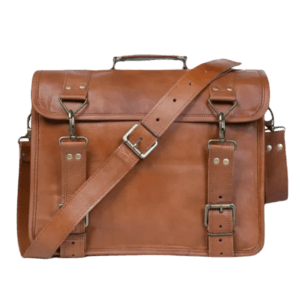
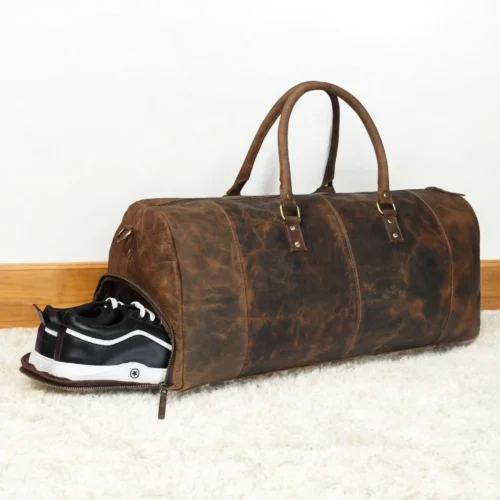
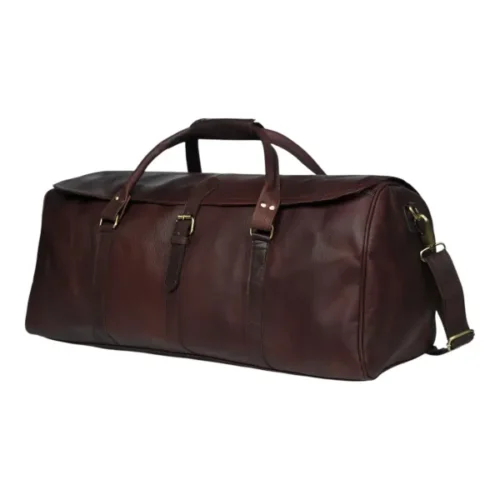

7 in stock
$138.00 Original price was: $138.00.$69.00Current price is: $69.00.
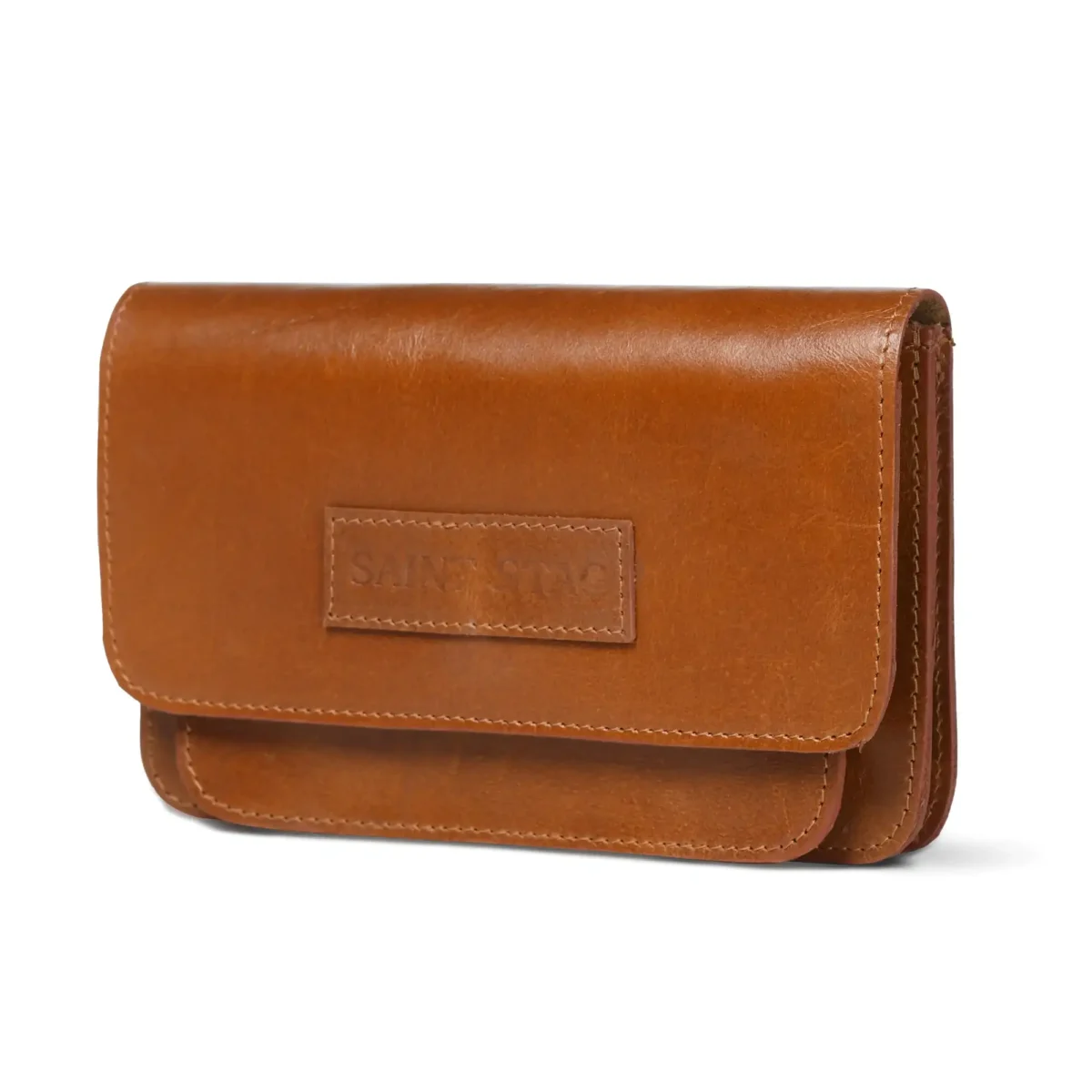
8 in stock
$84.00 Original price was: $84.00.$42.00Current price is: $42.00.
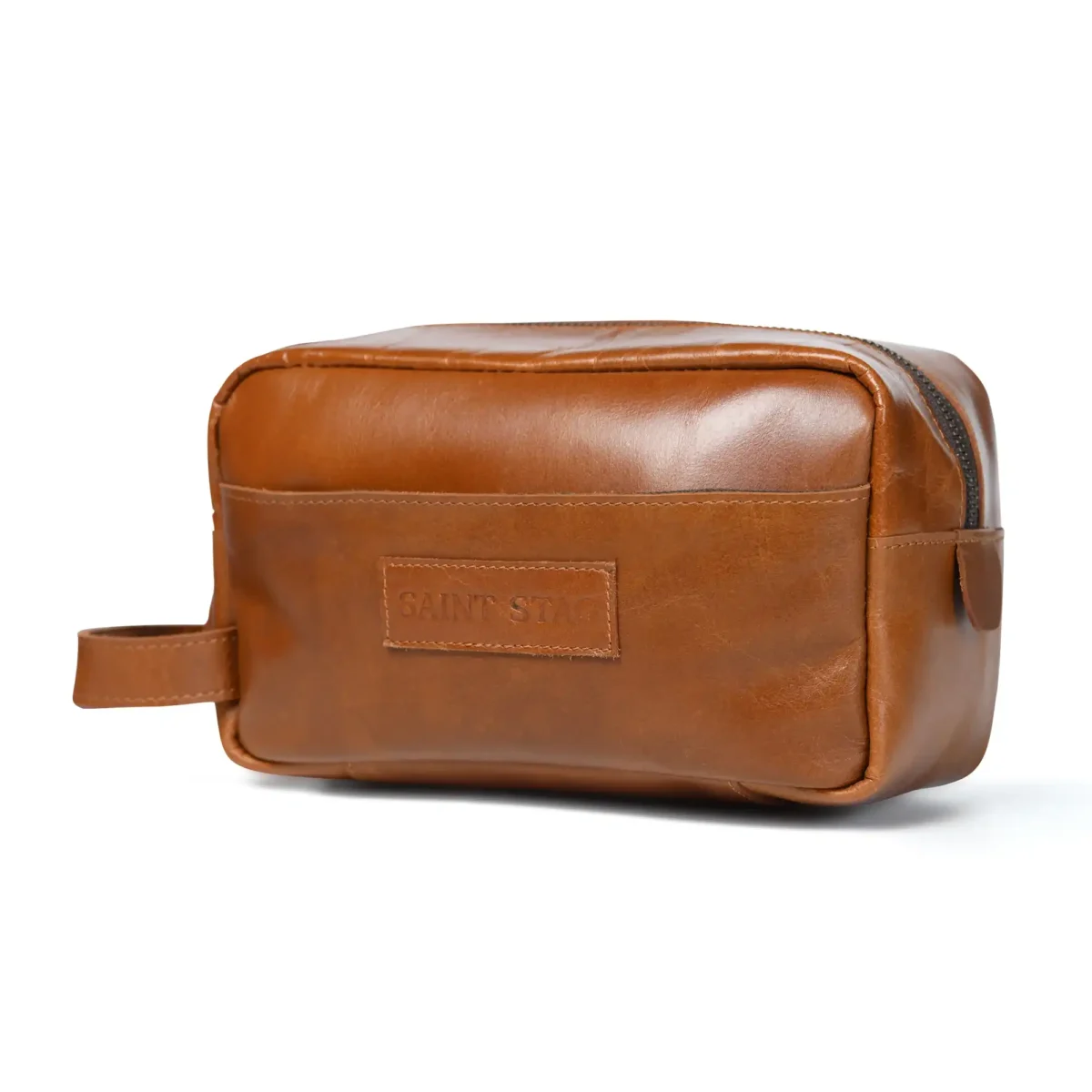
8 in stock
$90.00 Original price was: $90.00.$45.00Current price is: $45.00.
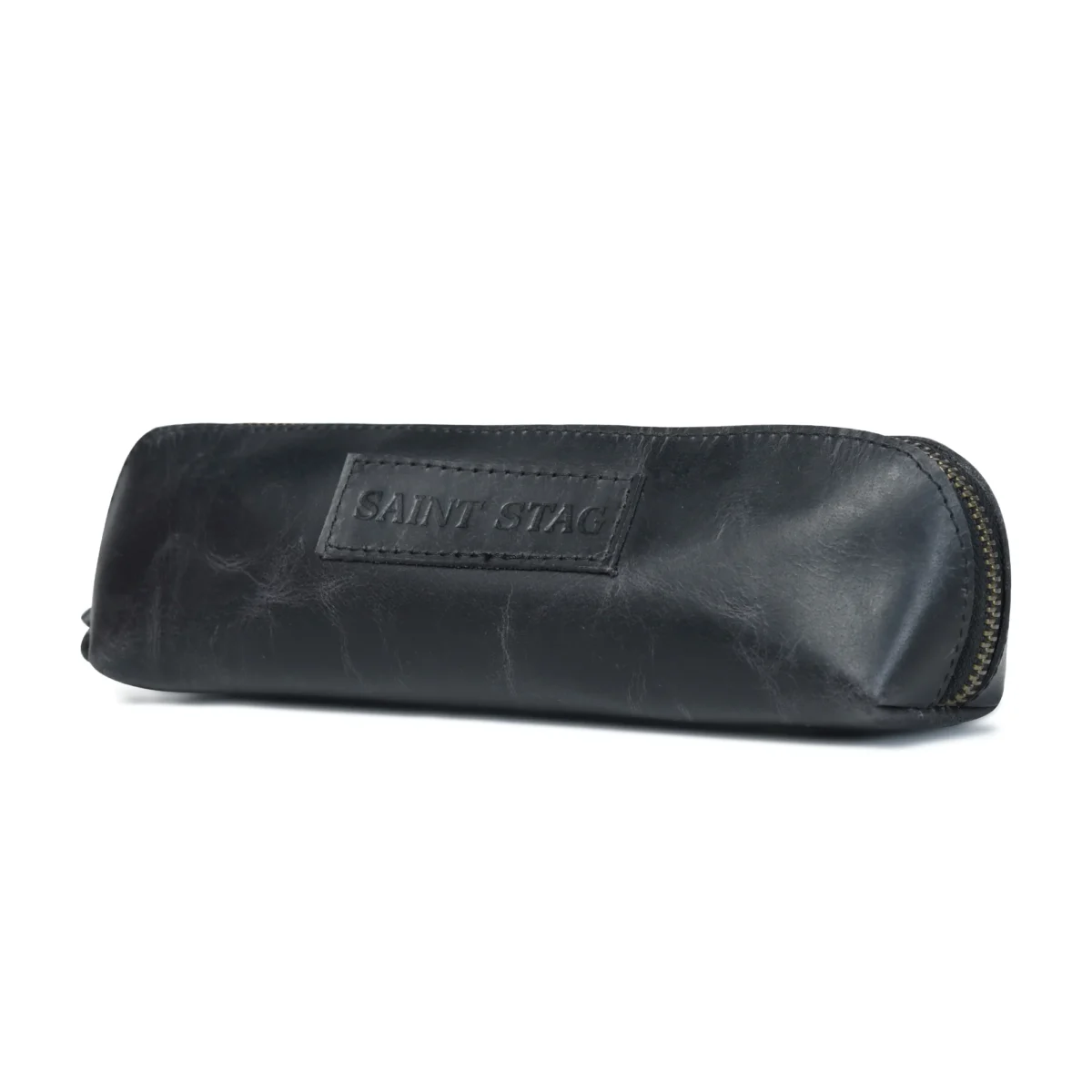
8 in stock
$70.00 Original price was: $70.00.$35.00Current price is: $35.00.
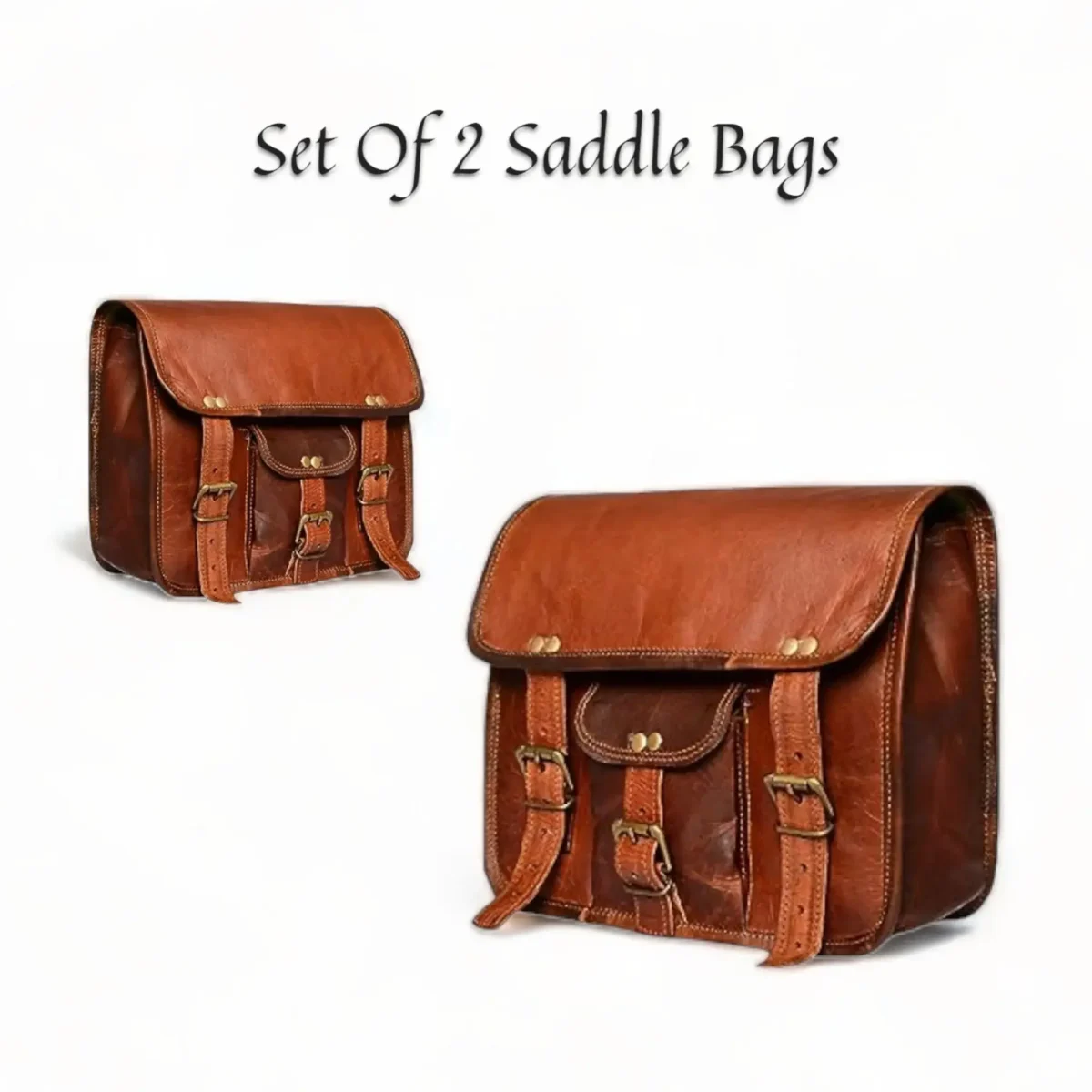
10 in stock
$130.00 Original price was: $130.00.$65.00Current price is: $65.00.
1 in stock
$98.00 Original price was: $98.00.$49.00Current price is: $49.00.