🚛 FREE SHIPPING | LIFETIME REPAIR WARRANTY | 20% Sale: “FASHION20”
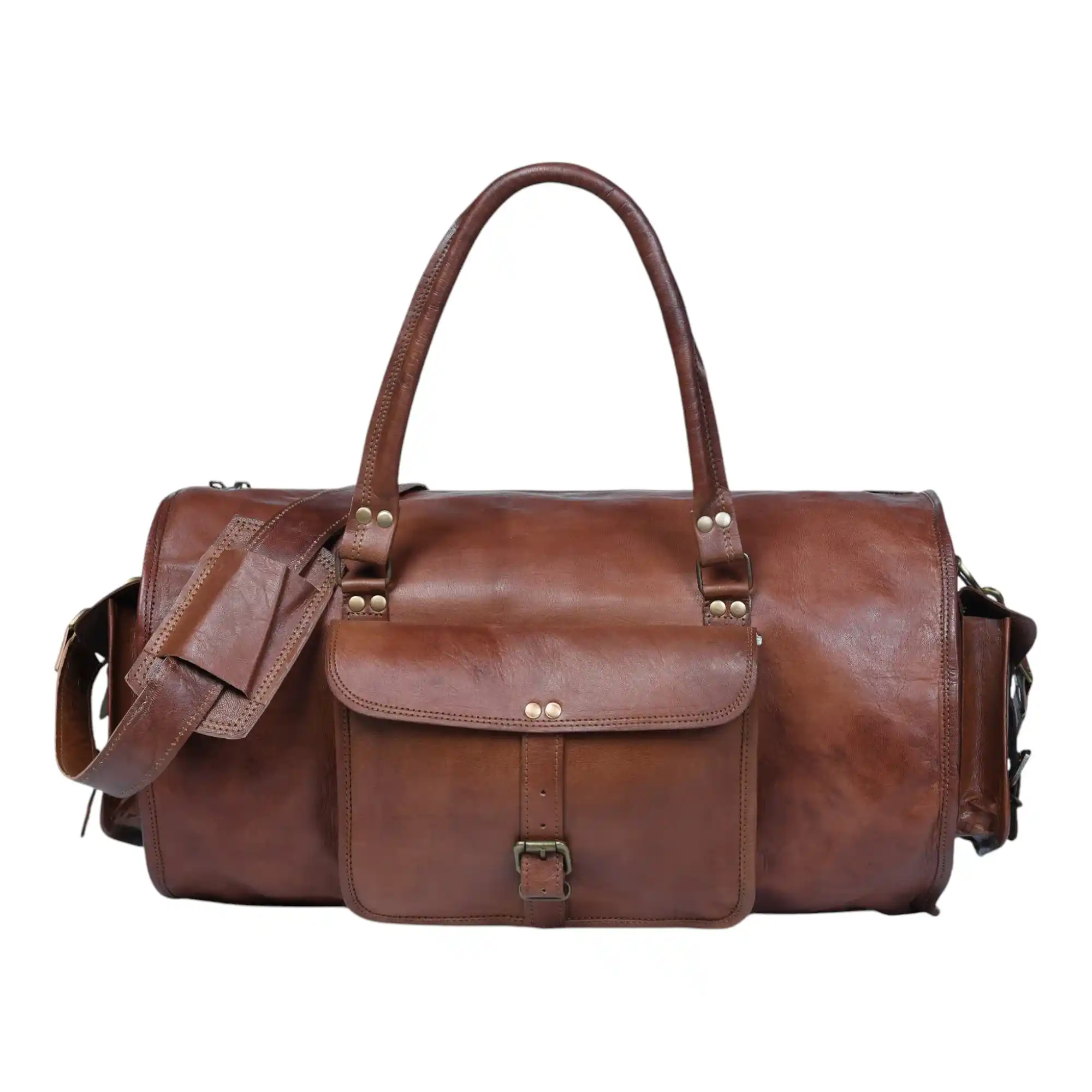
Ever wondered why some leather bags feel incredibly luxurious, last for decades, and even increase in value, while others fall apart quickly? The secret isn’t just in the material, but in the unseen artistry and skill that goes into making them. It’s about craftsmanship, a dedication to detail that transforms a simple piece of leather into a timeless heirloom.
For an Indian investor, understanding these techniques is key. It helps you identify genuine quality, appreciate the true value of your purchase, and ensure your investment will stand the test of time. Let’s explore the top craftsmanship techniques that separate truly premium leather bags from the rest.
Everything begins with the leather itself. The type and quality of leather are fundamental to a bag’s durability, appearance, and how it ages. Choosing the right hide is the very first step in creating a high-quality product.
Full-grain leather is the highest quality available. It retains the entire natural grain of the hide, including all its imperfections and unique characteristics. This means it’s incredibly strong, durable, and develops a beautiful “patina” – a soft sheen that deepens with age and use – unlike any other leather.
Think of it like a fine wine; full-grain leather only gets better over time. It resists moisture better and is less prone to tearing compared to corrected or bonded leathers. At Saint Stag, our commitment to quality starts here. We exclusively use full-grain leather, ensuring every bag has a robust foundation that will last a lifetime.
Vegetable tanning is an ancient, natural process that uses plant-based tannins like bark, leaves, and fruits. This method is slow, often taking weeks or even months, but it results in leather that is incredibly strong, rich in colour, and develops a magnificent patina. It’s also more environmentally friendly than chemical tanning.
Bags made with vegetable-tanned leather are known for their stiffness initially, which gradually softens and molds to your usage. This process contributes significantly to the bag’s longevity and unique character, making it a hallmark of true quality and traditional artisanal leatherworking.
Before any stitching begins, skilled artisans meticulously hand-cut each piece of leather. This isn’t just about shaping; it’s about carefully inspecting the hide for natural blemishes and variations, then orienting the patterns to maximize the leather’s strength and natural grain. It’s a precise task that minimizes waste and ensures each part of the bag utilizes the best section of the hide.
Machine cutting can be fast, but it often lacks this discerning eye for detail. Hand-cutting ensures that the most beautiful and durable parts of the full-grain leather are chosen for key areas of the bag, contributing to its overall structural integrity and aesthetic appeal.
Once the leather is prepared, how it’s put together is crucial. The methods of construction determine a bag’s strength, resilience, and how well it holds its shape through years of use.
Saddle stitching is a traditional, labour-intensive hand-stitching technique that creates an incredibly strong and durable seam. Unlike machine stitching, which uses two independent threads that can unravel if one breaks, saddle stitching uses a single thread passed through the same hole from both sides with two needles.
This interlocking method means that even if one stitch breaks, the rest of the seam remains intact. It’s a hallmark of premium, handmade leather goods and a vital technique for ensuring the longevity of your bag. At Saint Stag, our bags are a testament to the enduring strength of traditional saddle stitching.
High-quality bags pay special attention to areas that experience the most wear and tear, known as stress points. These include handle attachments, strap connections, and corners. Artisans reinforce these areas with extra stitching, rivets, or hidden leather patches.
This meticulous attention prevents handles from tearing off or seams from splitting under pressure. It’s a small detail that makes a massive difference in how long a bag can endure daily use. Look for cleanly finished, robust attachments that show no sign of weakness.
The finishing touches and choice of hardware might seem minor, but they are critical indicators of a bag’s overall quality and aesthetic appeal.
The edges of a leather bag are often overlooked, but their finish speaks volumes about craftsmanship. Raw, unfinished edges look crude and can fray over time. Premium bags feature meticulously finished edges using techniques like beveling, burnishing, or painting.
These processes protect the leather and give the bag a refined, complete look. It’s a labour of love that distinguishes true artisanal leatherworking.
Hardware isn’t just decorative; it’s functional. High-quality bags use solid, durable metals like solid brass or stainless steel for buckles, zippers, and D-rings. These materials are heavy, feel substantial, and are resistant to rust and tarnishing.
Avoid bags with lightweight, hollow, or plated hardware, as these tend to chip, peel, and break easily. Solid hardware is an investment in durability and contributes to the overall premium feel of the bag. It ensures that every component functions flawlessly for years.
While often hidden, the lining of a bag is another mark of quality. A well-constructed bag will feature a durable, high-quality lining, often made from sturdy canvas, microsuede, or even full leather. The lining should be neatly sewn, without loose threads or puckering.
Cheaper bags often use thin, synthetic linings that tear easily. A quality lining not only protects the interior of your bag but also adds to its structured feel and overall longevity. It’s a detail that shows care was taken even where it’s not immediately visible.
Some techniques are about more than just construction; they’re about imbuing a bag with unique character and ensuring it tells a story.
For some premium and unique pieces, artisans might employ hand-tooling or embossing. Hand-tooling involves carving or stamping intricate designs onto the leather surface by hand, creating a three-dimensional effect. Embossing uses heat and pressure to create raised patterns.
These decorative techniques add a layer of personalization and artistry, making each bag truly unique. They reflect the skill and vision of the craftsperson, turning a functional item into a work of art. Such details are especially valued in vintage leather bags, where unique artistry stands out.
Patina is the beautiful, soft sheen that develops on full-grain leather over time due to exposure to sunlight, oils from your hands, and daily handling. It’s a natural aging process that deepens the leather’s colour and adds character, making each bag uniquely yours.
This graceful aging is a hallmark of high-quality, vegetable-tanned full-grain leather. It shows that the bag is meant to be used, cherished, and passed down. It’s proof of quality that synthetic or corrected leathers can never replicate, enhancing the bag’s aesthetic and investment value over the years.
Armed with this knowledge, you can now approach your next leather bag purchase with confidence. Here’s a quick checklist for the discerning Indian investor:
Choosing a bag that embodies these craftsmanship techniques is an investment. It ensures you’re buying a product that will not only serve you well but also develop character and potentially become a cherished family heirloom. At Saint Stag, we stand by our quality with a lifetime craftsmanship warranty and a 15-day satisfaction guarantee, because we believe in the enduring value of exceptional handmade bags.
Full-grain leather is the highest quality leather, retaining the entire natural grain of the hide. It’s crucial because it’s the strongest, most durable, and most breathable leather available. It also develops a unique and beautiful patina over time, which artificial leathers cannot replicate, adding to the bag’s character and longevity.
Hand stitching, especially saddle stitching, often appears slightly angled and creates a more robust, interlocking seam. If one stitch breaks, the rest of the seam usually holds. Machine stitching typically forms a straight line and if one thread breaks, the entire seam can unravel quickly. Hand stitching often shows minor imperfections, which are a sign of human craftsmanship, not flaws.
Patina is the beautiful, soft sheen that develops on high-quality, full-grain leather over time with use, exposure to elements, and oils from your hands. It’s desirable because it signifies genuine, natural leather that ages gracefully, telling a story and making each bag truly unique. It enhances the bag’s aesthetic and makes it more personal.
For premium bags, vegetable-tanned leather is often preferred. It’s an ancient, natural process resulting in incredibly strong, durable leather that develops a rich patina and has a distinct, natural aroma. Chrome-tanned leather is faster and cheaper to produce, more flexible, and common in mass-produced items, but it typically doesn’t develop the same rich character or durability as vegetable-tanned leather.
Quality hardware, such as solid brass or stainless steel, is vital for longevity because it provides strength and resistance to wear, rust, and breakage. Cheap, plated, or hollow hardware can quickly corrode, chip, or snap, compromising the bag’s functionality and aesthetic. Investing in a bag with solid, durable hardware ensures that all components will last as long as the leather itself.
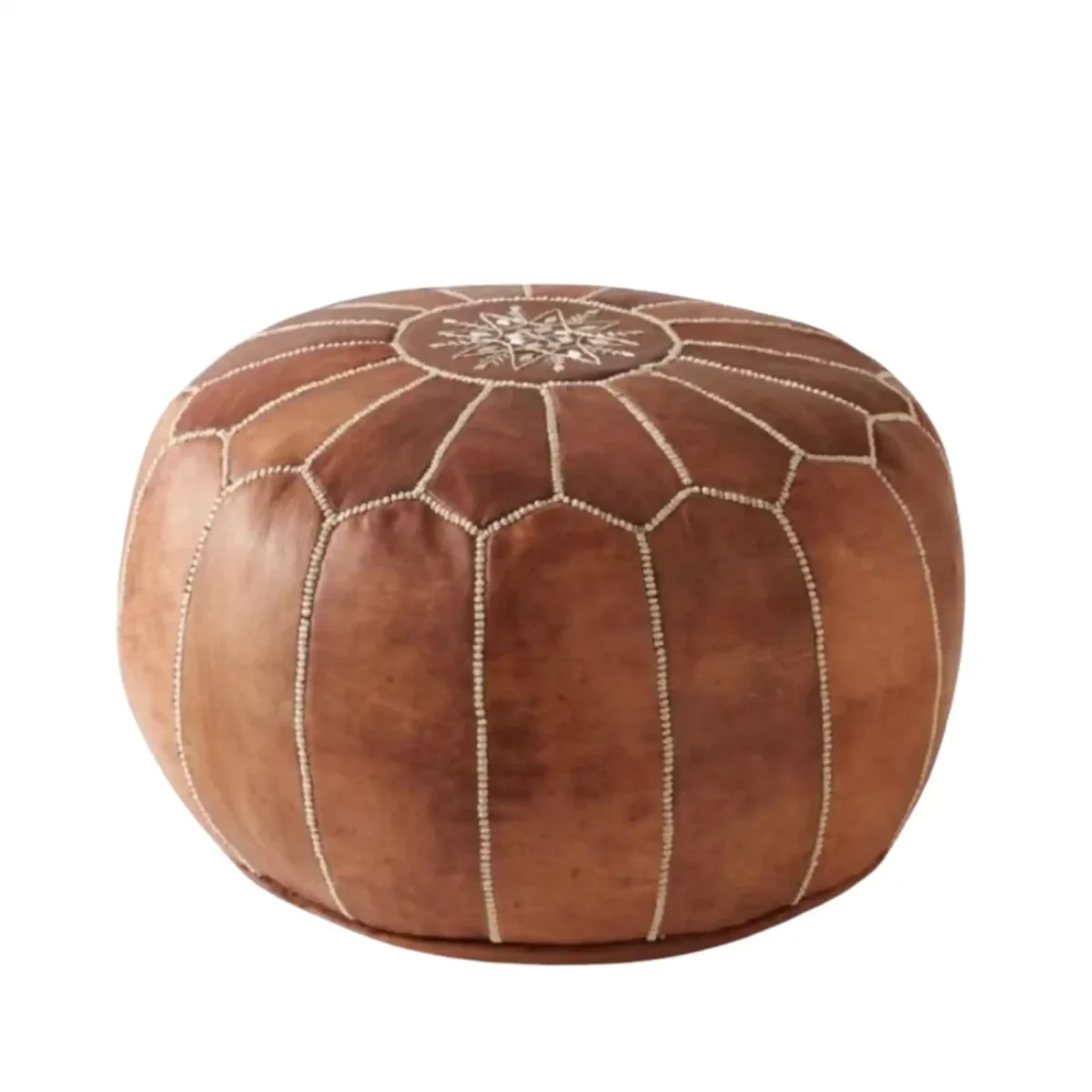
Out of stock
$138.00 Original price was: $138.00.$69.00Current price is: $69.00.
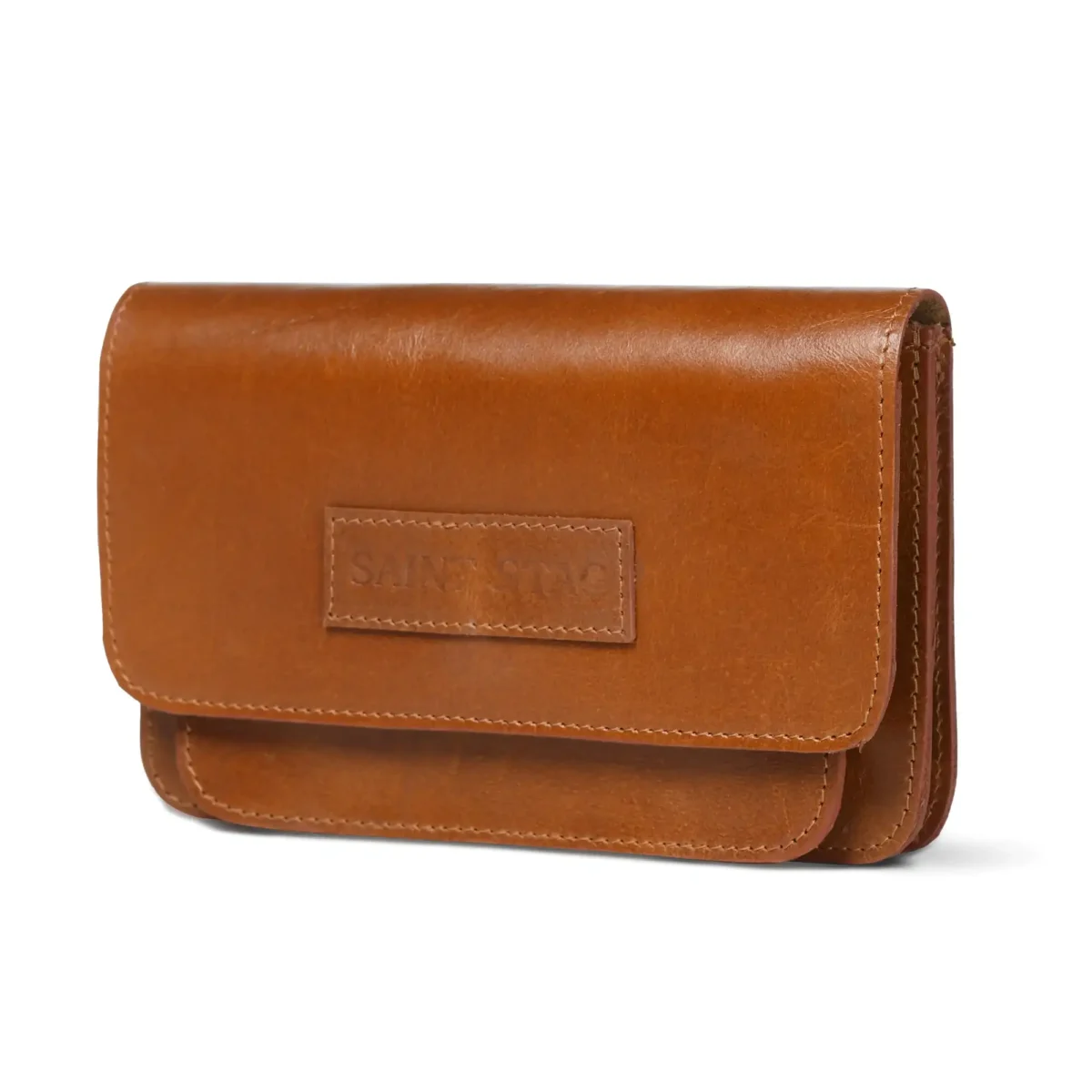
8 in stock
$84.00 Original price was: $84.00.$42.00Current price is: $42.00.
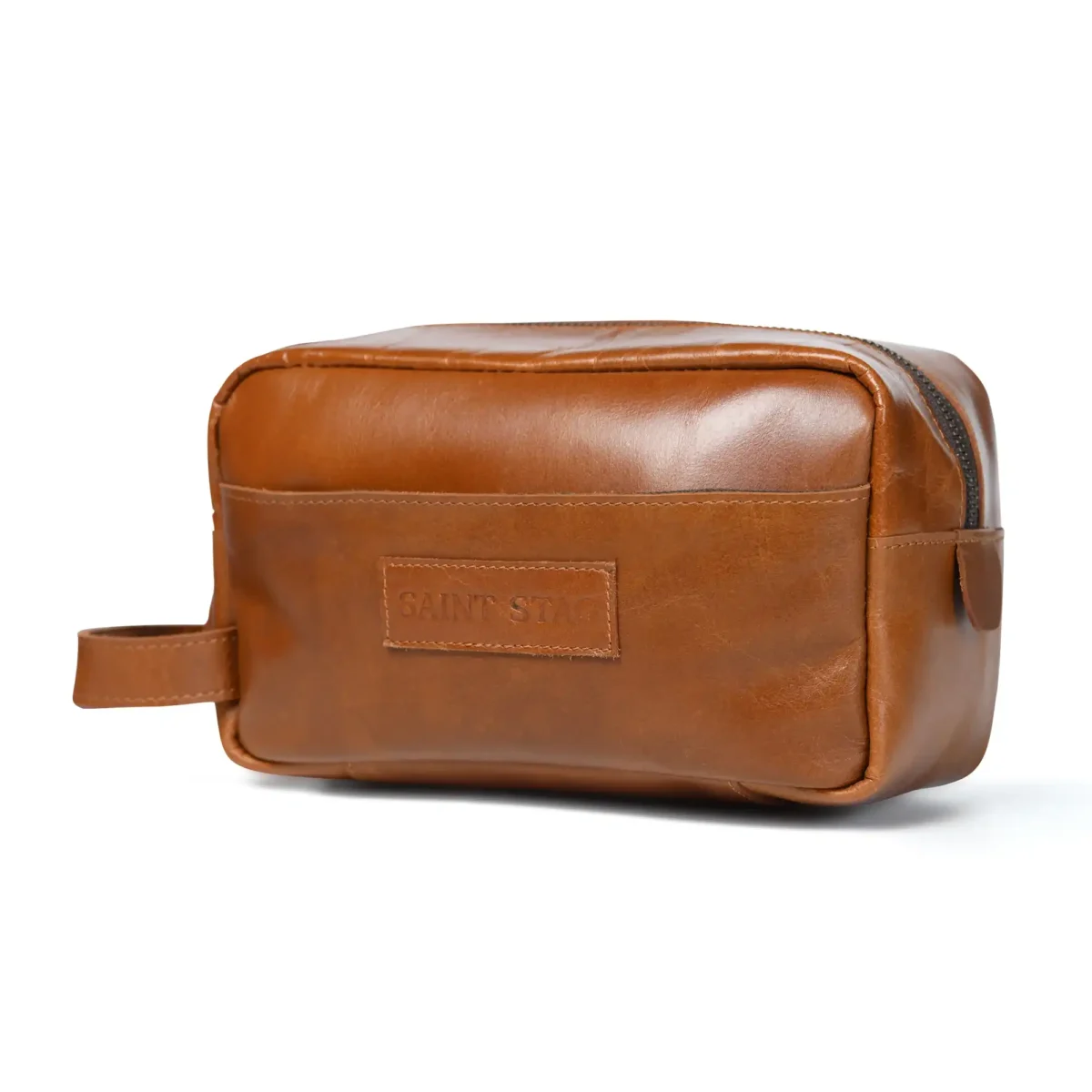
8 in stock
$90.00 Original price was: $90.00.$45.00Current price is: $45.00.
8 in stock
$70.00 Original price was: $70.00.$35.00Current price is: $35.00.
10 in stock
$130.00 Original price was: $130.00.$65.00Current price is: $65.00.
1 in stock
$98.00 Original price was: $98.00.$49.00Current price is: $49.00.