🚛 FREE SHIPPING | LIFETIME REPAIR WARRANTY | 20% Sale: “FASHION20”

The good news is that the world of fashion is changing. More and more brands and shops are focusing on sustainability and ethics, making it easier to find leather goods that align with your values. This guide will walk you through what to look for and where to find these conscientious companies.
Finding a beautiful vintage leather bag or a stylish vintage leather duffle bag is exciting. But for many of us, the joy of a new purchase comes with questions about its origin. We want to know if our choices are kind to the planet and fair to the people who made them.
Understanding Sustainable and Ethical Leather
When we talk about sustainable and ethical leather, we’re looking beyond just the finished product. We consider the entire journey, from how the raw materials are sourced to the methods used in tanning and manufacturing. It’s about minimizing environmental harm and ensuring fair labor practices.
Sustainable leather often refers to processes that reduce water usage, energy consumption, and chemical pollution. This includes innovative tanning methods and using hides that are a byproduct of the meat industry, ensuring nothing goes to waste. The goal is to lessen the overall footprint of leather production.
Ethical leather focuses on human rights and animal welfare. This means ensuring safe working conditions, fair wages for workers, and humane treatment of animals within the supply chain. It’s about respecting both people and animals involved in creating your leather accessories.
How Ethical Leather Differs from Vegan and Bio-Based Alternatives
The conversation around sustainable fashion often includes vegan leather and bio-based alternatives. These options are typically made from synthetic materials like polyurethane (PU) or plant-based sources like mushroom, pineapple, or apple waste. They aim to avoid animal products entirely.
While vegan leather offers a cruelty-free alternative, its sustainability can vary greatly. Some synthetic vegan leathers are petroleum-based, which raises concerns about plastic pollution and biodegradability. Bio-based leathers, however, often present a more eco-friendly solution due to their renewable sources.
Ethical animal leather, on the other hand, comes from animals but prioritizes responsible sourcing and processing. It often focuses on traceability, making sure the hides come from well-managed farms and tanneries with high environmental and social standards. Choosing between these options depends on your personal ethical framework and priorities.
Overview of Tanning Processes: Vegetable vs. Chrome Tanning
Tanning is the crucial step that turns raw animal hide into durable leather. The two most common methods are chrome tanning and vegetable tanning, and they have very different environmental impacts.
Chrome tanning is faster and cheaper, using chromium sulfates to create soft, pliable leather. However, if not managed properly, the wastewater can contain toxic chemicals that harm ecosystems. Many modern tanneries use advanced wastewater treatment, but it’s still a concern for consumers.
Vegetable tanning uses natural tannins found in bark, leaves, and fruits. This traditional method is much slower, taking weeks or even months, but it produces a robust, richly colored leather that develops a beautiful patina over time. It’s generally considered more environmentally friendly, especially when tanneries recycle their water and waste materials.
Why Choose Vintage Leather Duffle Bags?
Choosing a vintage leather duffle bag or any second-hand leather item is a fantastic way to embrace sustainability. It gives a new life to a pre-loved item, reducing the demand for new production and minimizing waste. This circular approach is a cornerstone of sustainable consumption.
Many older leather goods, particularly a vintage leather duffle bag, were made with incredible attention to detail and high-quality materials. Craftsmen often used traditional techniques and durable leathers that were built to last decades. This inherent longevity is a key aspect of sustainability, as it means less frequent replacement.
Beyond the environmental benefits, vintage leather bag items offer a unique style and character. Each scratch and worn patch tells a story, making your bag truly one-of-a-kind. These aren’t just practical items; they are pieces of history that add a distinct touch to your personal style.
Brands like Saint Stag specialize in high-quality leather goods, often inspired by classic designs and built with a focus on durability. By offering well-crafted, timeless items, they encourage a philosophy of buying less but buying better. This aligns perfectly with the spirit of investing in an enduring piece, whether it’s new or vintage.
Top Shops Selling Sustainable and Ethical Leather Goods
Identifying shops that truly commit to sustainable and ethical practices requires a keen eye. Look for transparency in their sourcing and manufacturing processes. Many reputable brands will openly share information about their supply chain on their websites.
When searching for eco-friendly leather goods, prioritize brands that mention their tanning methods. Shops that use vegetable-tanned leather, for example, are often a good indicator of environmental consciousness. They might also highlight partnerships with certified tanneries or artisans.
For those seeking a vintage leather duffle bag or other antique leather items, specialized vintage stores or online marketplaces are excellent resources. These platforms often curate their collections, providing details about the item’s age, condition, and sometimes its origin. Always check seller reviews for authenticity and quality.
Many contemporary brands now offer lines of sustainably sourced and ethically produced leather bags. These companies often hold certifications or are part of industry initiatives that monitor their environmental and social impact. Look for clear statements about fair labor, animal welfare, and reduced chemical use.
For example, a company like Saint Stag emphasizes creating durable, heirloom-quality items. While not solely focused on vintage, their commitment to craftsmanship means their products are designed for longevity, contributing to a more sustainable consumption pattern. They offer items that can become cherished vintage pieces for future generations.
How to Evaluate and Choose a Sustainable Leather Bag
Choosing an ethical leather bag or environmentally friendly leather products means being an informed consumer. There are several key attributes you should investigate to ensure your purchase aligns with your values.
First, always look for traceability. A truly sustainable brand should be able to tell you where their leather comes from, including the country of origin for the hides and the location of the tannery. This transparency allows you to verify their claims and ensures a responsible supply chain.
Certifications are another powerful indicator. Look for labels like the Leather Working Group (LWG), which rates tanneries based on their environmental performance. While not perfect, these certifications provide an independent assessment of a company’s commitment to reducing its environmental impact.
Consider the material quality itself. High-quality full-grain or top-grain leather, often found in a well-made leather bag, will last significantly longer than lower-grade or bonded leather. Longevity is a major factor in sustainability, as durable goods reduce the need for frequent replacements.
Don’t hesitate to ask brands specific questions about their practices. Inquire about their waste management, water treatment, energy sources, and labor standards. A reputable company committed to sustainability will be happy to provide this information. Avoid brands that are vague or unwilling to share details about their supply chain.
Caring for Your Leather Bag to Extend Its Life
One of the most practical ways to be sustainable with your leather goods is to take excellent care of them. Proper maintenance can significantly extend the life of your leather bag, keeping it out of landfills and preserving its beauty for years to come.
Regular cleaning is essential. Use a soft, damp cloth to wipe away dust and dirt. For deeper cleaning, choose a pH-neutral leather cleaner specifically designed for the type of leather your bag is made from. Always test any new product on a small, inconspicuous area first.
Moisturizing your leather is just as important as cleaning. Leather can dry out and crack over time, especially with exposure to sun or dry air. Apply a good quality leather conditioner every few months to keep the leather supple and prevent damage. This helps maintain its strength and appearance.
Don’t forget the power of repair and refurbishment. If a strap breaks, a zipper snags, or the leather gets scratched, seek out a professional leather repair shop. Many skilled artisans can restore your favorite leather bag to its former glory. This is far more sustainable than simply replacing the item.
Storing your leather bag properly also contributes to its longevity. Keep it in a dust bag when not in use, away from direct sunlight and extreme temperatures. Stuffing the bag with tissue paper can help it maintain its shape, particularly for items like a vintage leather duffle bag that might be stored for periods.
Sustainability Certifications Explained
Navigating the world of sustainable fashion can be complex, but certifications offer a helpful guide. These labels indicate that a product or its components meet specific environmental or social standards, providing consumers with greater confidence in their ethical purchasing decisions.
The Leather Working Group (LWG) is one of the most recognized certifications in the leather industry. LWG assesses and certifies tanneries based on their environmental performance, including water and energy usage, waste management, and chemical handling. A high LWG rating signifies a tannery that is working to minimize its ecological impact.
Another relevant standard is the OEKO-TEX Leather Standard. This certification focuses on human ecology, ensuring that leather and leather articles are free from harmful substances. It sets strict limits on chemicals, dyes, and other materials, protecting both consumers and workers involved in the production process.
Some brands might also highlight certifications related to fair labor practices, such as Fair Trade. While not specific to leather, Fair Trade certification ensures that products are made under safe working conditions and that workers receive fair wages. This addresses the ethical aspect of the supply chain.
It’s important to understand that no single certification covers every aspect of sustainability and ethics. However, a combination of these labels or a brand’s commitment to achieving
them provides strong evidence of their responsible practices. Always look for clear explanations from brands about what their certifications mean.
FAQs
Are leather bags really sustainable and ethical to buy?
The sustainability and ethics of leather bags depend heavily on how they are sourced and produced. Traditional leather production can have significant environmental impacts due to chemical use and waste, and ethical concerns regarding animal welfare and labor practices can arise.
However, many brands are now committing to more responsible practices. They might use hides that are byproducts of the meat industry, implement cleaner tanning processes like vegetable tanning, and ensure fair wages and safe conditions for workers. Choosing well made, durable leather also contributes to sustainability by extending product life.
How do I know if a leather duffle bag is vintage and sustainably made?
To determine if a leather duffle bag is truly vintage, look for specific characteristics like older hardware, unique stitching, or a distinctive patina that develops over time. The material itself might feel different from modern leather due to traditional tanning methods. You can also research the brand if it’s identifiable, or consult with experienced vintage dealers.
Regarding sustainability, a vintage item inherently contributes to sustainability by being reused and not requiring new resources. If it’s a new bag styled as vintage, look for certifications like Leather Working Group (LWG) for the tannery, or evidence of vegetable tanning and transparent sourcing practices. Brands like Saint Stag focus on creating durable, heirloom-quality bags designed to last, supporting long-term sustainability.
What are the main differences between vegan leather and ethical animal leather?
Vegan leather is typically made from synthetic materials (like PU or PVC) or plant-based alternatives (like pineapple or mushroom leather), avoiding all animal products. Its primary ethical appeal is often animal welfare, but its environmental impact varies; some synthetics can contribute to plastic pollution.
Ethical animal leather, on the other hand, comes from animal hides, but production prioritizes responsible sourcing. This includes using hides as byproducts, employing environmentally
friendly tanning processes (e.g., vegetable tanning), and ensuring fair labor practices. The choice often comes down to individual priorities regarding animal use versus broader environmental and social impacts.
Can repairing and caring for leather bags help reduce environmental impact?
Absolutely, repairing and properly caring for your leather bags significantly reduces their environmental impact. When you extend the life of an item, you lessen the need for new production, which saves raw materials, energy, and water, and reduces waste.
Instead of discarding a damaged bag, having it repaired by a skilled artisan gives it a second life. Regular cleaning and conditioning prevent wear and tear, maintaining the bag’s integrity for years. This practice embodies the principles of a circular economy and conscious consumption.
Which certifications should I look for when buying sustainable leather goods?
When seeking sustainable leather goods, look for certifications that indicate responsible practices across the supply chain. The Leather Working Group (LWG) is highly respected; it assesses and certifies tanneries for their environmental performance in areas like water, energy, and chemical management.
Another valuable certification is the OEKO-TEX Leather Standard, which ensures leather products are free from harmful substances and safe for human use. For broader ethical considerations, certifications like Fair Trade can signal fair labor practices. Always look for brands that clearly explain their certifications and commitment to transparent sourcing.
The quest for a truly sustainable and ethical leather bag, be it a classic leather bag or a rugged vintage leather duffle bag, is becoming easier with the growing number of conscious brands and informed consumers. By understanding the processes behind leather production, recognizing the value of certifications, and learning how to care for your items, you can make choices that reflect your values.
Remember that investing in high-quality, durable leather goods, whether new or vintage, is a sustainable choice in itself. These items are built to last, reducing the need for frequent replacements and contributing to a more circular economy.
We encourage you to explore shops that prioritize transparency and craftsmanship. Discover the lasting appeal of a well-made leather item and make a choice that you can feel good about. Start your journey towards owning an ethical leather bag by exploring brands like Saint Stag, known for their commitment to quality and timeless designs.
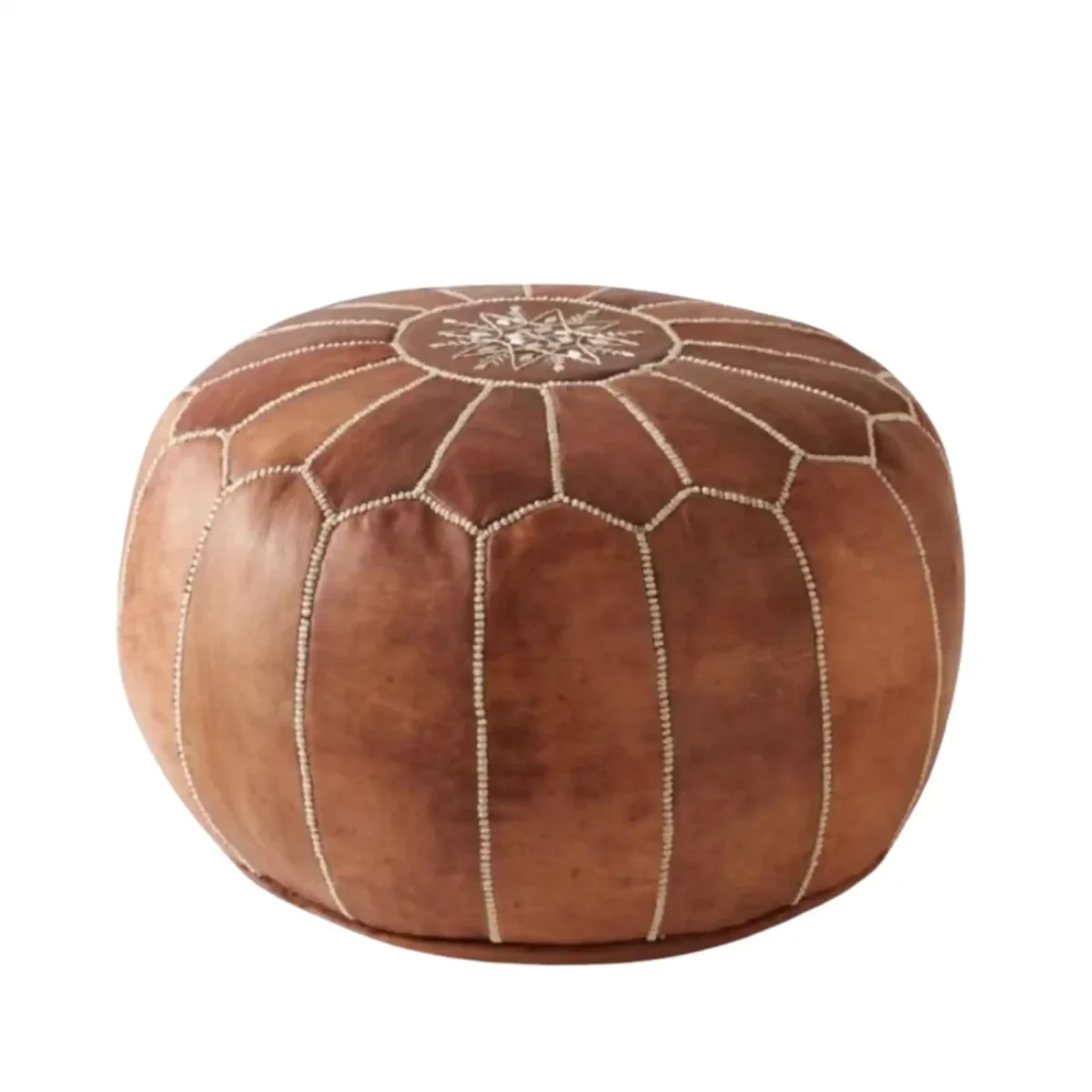
6 in stock
$138.00 Original price was: $138.00.$69.00Current price is: $69.00.
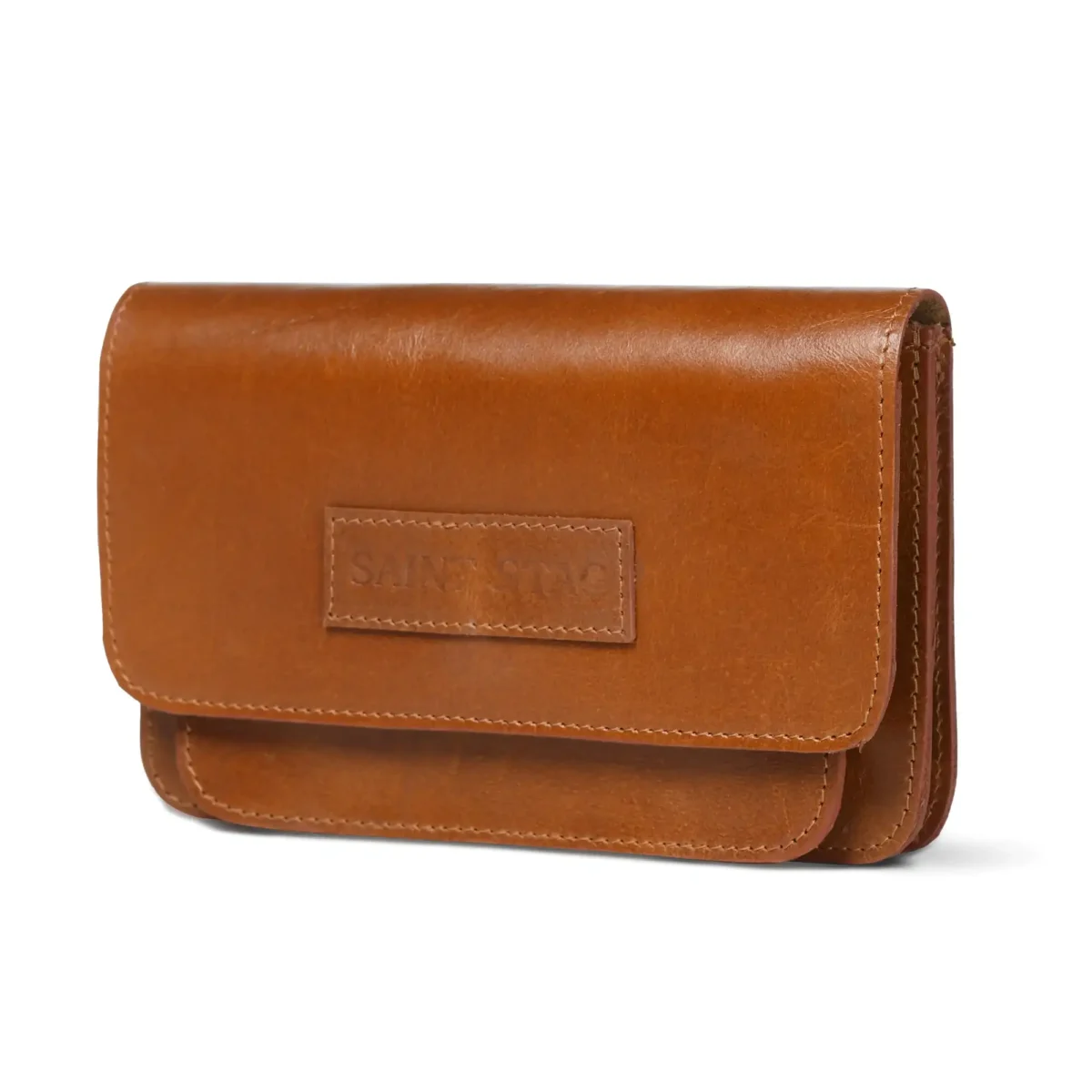
8 in stock
$84.00 Original price was: $84.00.$42.00Current price is: $42.00.
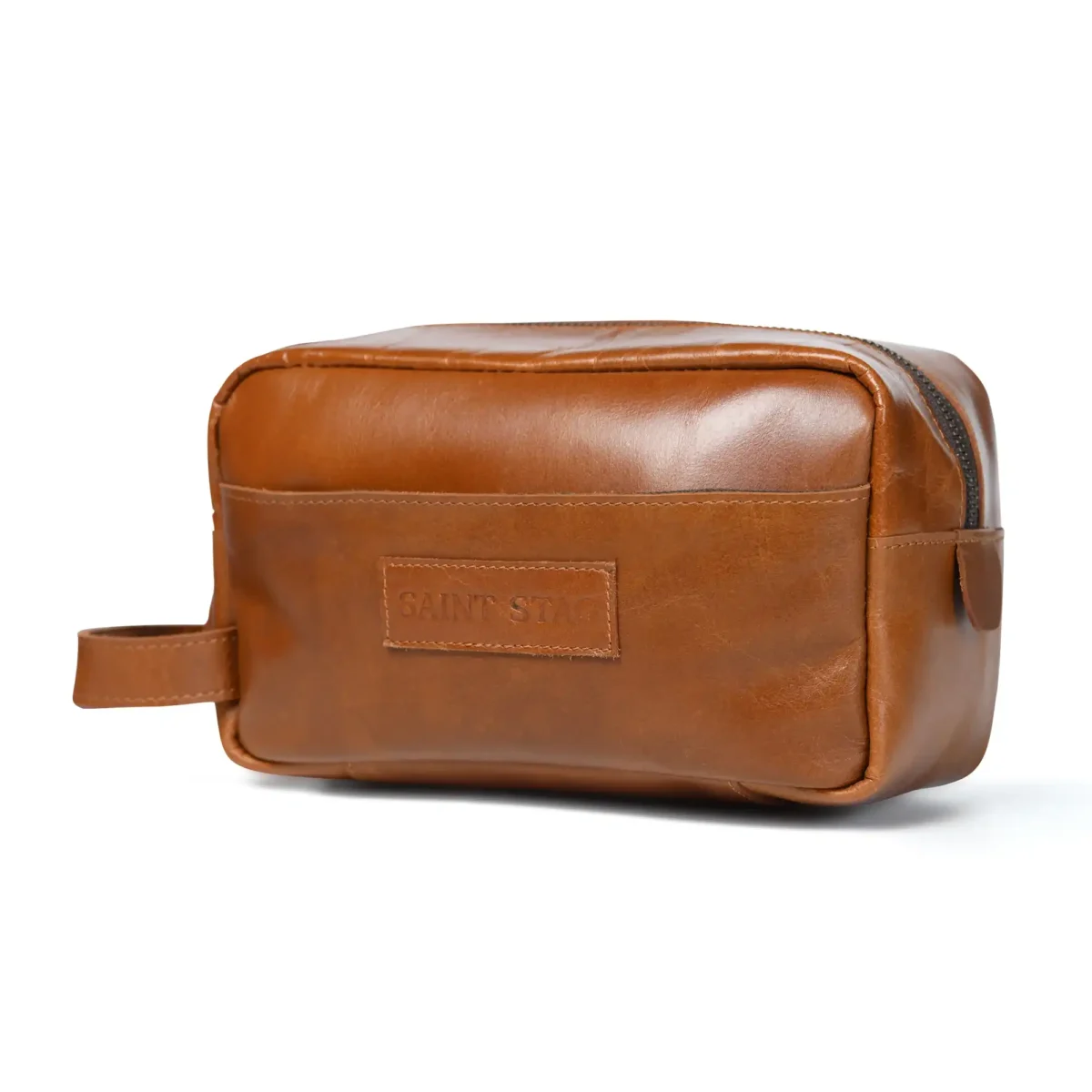
8 in stock
$90.00 Original price was: $90.00.$45.00Current price is: $45.00.
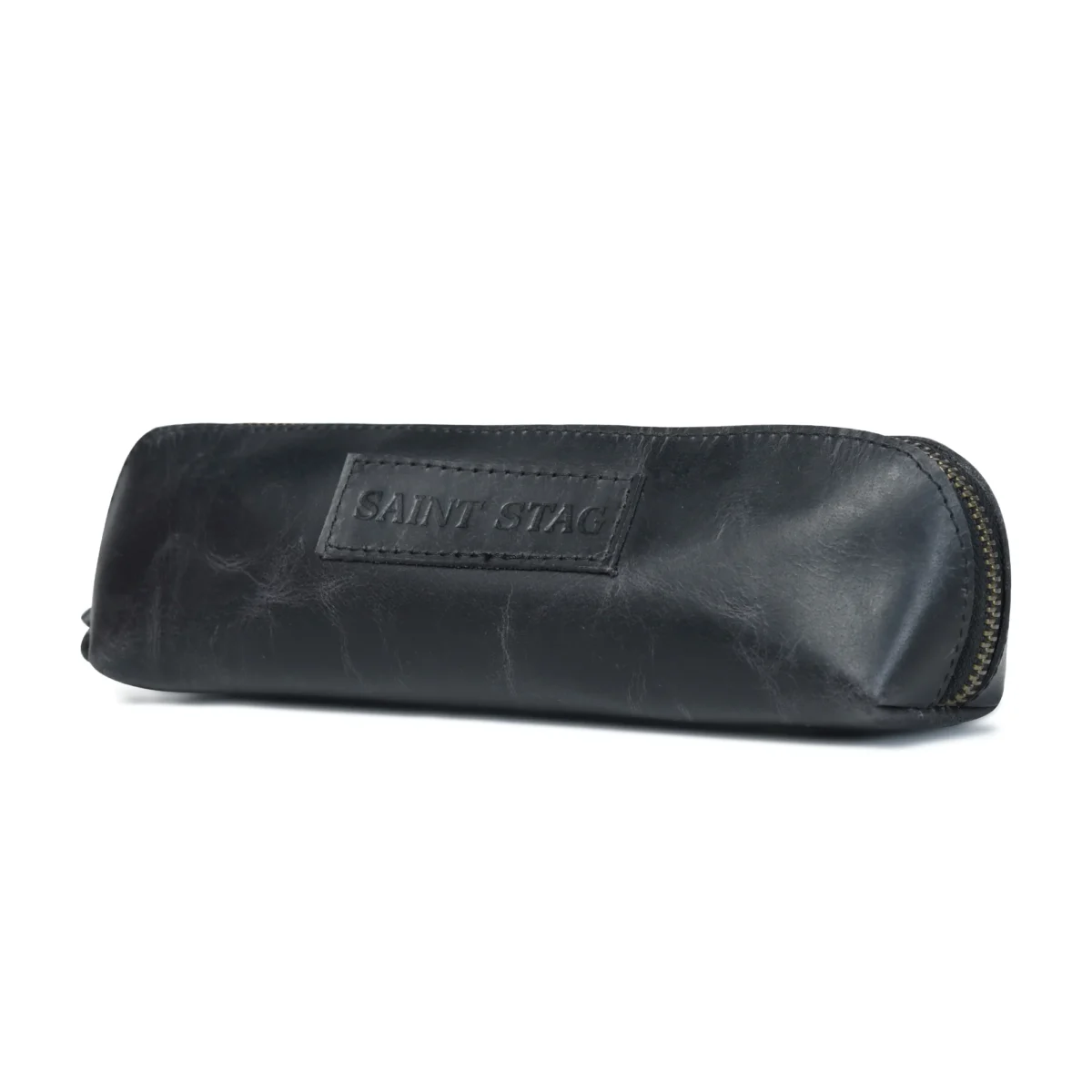
8 in stock
$70.00 Original price was: $70.00.$35.00Current price is: $35.00.
10 in stock
$130.00 Original price was: $130.00.$65.00Current price is: $65.00.
1 in stock
$98.00 Original price was: $98.00.$49.00Current price is: $49.00.