🚛 FREE SHIPPING | LIFETIME REPAIR WARRANTY | 20% Sale: “FASHION20”
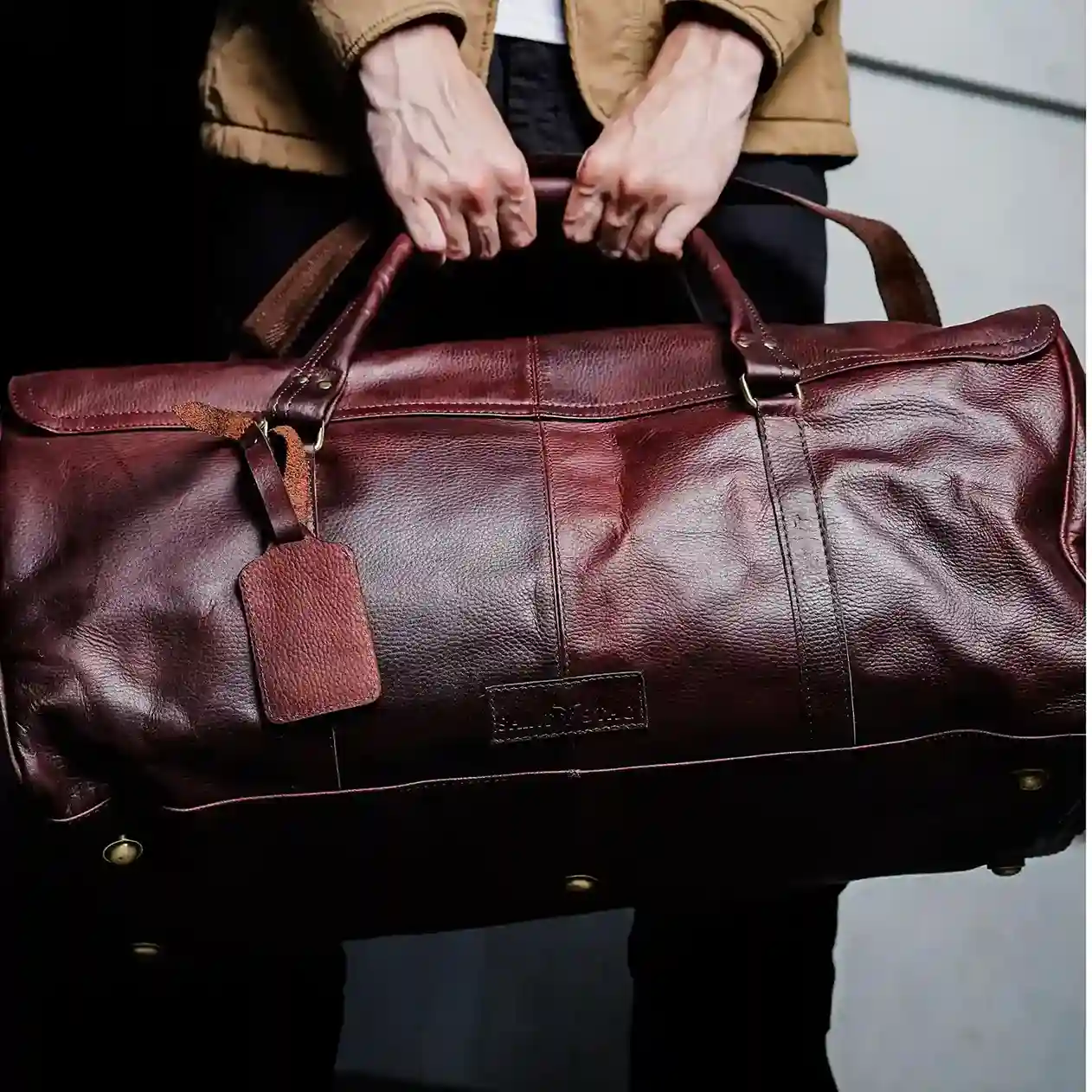
The modern professional’s world is fast-paced, image-conscious, and built on the balance between practicality and personal expression. From the boardroom to business travel, every accessory says something about who you are. In this context, vintage leather bags have reemerged as a smart, lasting choice for modern professionals who value quality, heritage, and sustainability.
But why vintage leather bags are worth it goes beyond aesthetics. Unlike mass-produced synthetic alternatives, a well-crafted vintage leather bag tells a story—each scuff, patina, and grain reflecting timeless craftsmanship. In today’s world, where disposable fashion dominates, owning a vintage leather piece signals refinement, responsibility, and permanence.
This article explores why vintage leather bags are not just stylish statements but also strategic investments for today’s professionals.
Leather has long been associated with craftsmanship, luxury, and endurance. Vintage leather, in particular, carries a unique charm unmatched by newly manufactured materials.
When leather ages, it develops a patina—a natural sheen that enhances its depth and texture over time. This process, often considered a flaw in synthetic materials, is precisely what makes vintage leather so prized. It evolves, much like its owner, adding layers of personality and character.
For professionals, this timeless quality speaks volumes. A vintage leather briefcase, messenger bag, or tote subtly communicates experience, confidence, and attention to detail. It suggests reliability—a trait clients and colleagues naturally associate with success.
When evaluating why vintage leather bags are worth it, longevity is a major factor. Most fast-fashion bags are designed to last a season or two. Vintage leather, however, was crafted in an era that valued endurance over convenience. The hides used were often full-grain or top-grain leather, treated minimally to preserve strength and integrity.
Such bags can easily last decades with basic care. The leather becomes more supple over time, the stitching remains intact, and the hardware develops a muted shine instead of rusting away.
For modern professionals, that’s not just durability—it’s value retention. A well-maintained vintage leather bag maintains its elegance and even appreciates in market value, especially when sourced from reputable brands or traditional leather makers.
In an age where sustainability and mindful consumption are essential, choosing a vintage bag reflects a forward-thinking ethos: investing in fewer, better items that age gracefully instead of discarding and replacing.
The golden era of leather craftsmanship, often spanning the mid-20th century, produced items built to last lifetimes. Unlike assembly-line products today, each vintage piece was hand-stitched, inspected, and refined by artisans who respected the material.
This unmatched quality is visible in details such as reinforced edges, solid brass hardware, and vegetable-tanned leather—processes that create products that age beautifully instead of deteriorating.
Modern professionals often seek individuality, and craftsmanship provides that defining distinction. Owning a vintage leather bag is not about merely carrying a functional piece—it’s a connection to traditional workmanship that modern factories can no longer mimic.
Sustainability is now central to professional and personal ethics. Reusing and restoring vintage leather bags align perfectly with eco-conscious values, reducing demand for mass-produced goods and the environmental toll associated with leather tanning and synthetic alternatives.
By choosing vintage, professionals extend the life cycle of existing materials while avoiding new production waste. The durability of leather means less frequent replacement, which supports both sustainability and savings.
In corporate environments that champion green values, a well-preserved vintage leather briefcase can be as much a conversation starter as a sustainability statement. It reflects awareness, culture, and integrity—all traits modern professionals aspire to embody.
One misconception about vintage leather bags is that they only suit classic aesthetics. In reality, vintage leather effortlessly complements modern wardrobes and professional environments.
For men, a vintage satchel or briefcase pairs perfectly with a tailored suit or business-casual attire. For women, a structured leather tote or shoulder bag adds understated elegance to both formal and creative roles. The neutral tones—tan, chestnut, espresso, cognac—blend seamlessly across styles and occasions.
Functionally, many vintage bags were designed with practicality in mind: reinforced handles, multiple compartments, and durable zippers or buckles. These design features remain relevant even in an era of laptops and tablets, proving that functional design never goes out of date.
Every vintage leather bag carries a story. Unlike new items, which feel generic until personalized, vintage leather comes preloaded with history. This emotional aspect adds depth to your professional presence.
Whether found in a curated shop, inherited from family, or sourced through a trusted brand like Saint Stag, each bag holds the memory of craftsmanship, use, and travel. Carrying such an item is akin to carrying a piece of legacy—an echo of enduring quality and aesthetic taste.
Professionals value emotional connection as much as practicality. Investing in a bag that carries meaning reinforces confidence and individuality, helping create a professional identity that stands apart in a world of similarity.
Beyond utility and aesthetics, vintage leather bags represent smart asset investments. High-quality leather ages gracefully, and many brands with legacy craftsmanship (such as Mulberry, Coach, or Italian ateliers) retain or even gain value over time.
Collectors and connoisseurs often pay a premium for well-preserved pieces, especially when they showcase unique patina or rare design elements. Owning vintage leather, therefore, becomes both a style statement and an appreciating asset.
Moreover, compared to repeatedly purchasing low-quality bags every year, owning one or two timeless vintage pieces offers tremendous financial efficiency in the long run. Professionals who treat their accessories as part of their personal brand quickly see the return on this choice.
When investing in vintage leather, quality inspection is key. Here’s a quick guide for professionals to identify genuine value:
Check the leather grade. Full-grain or top-grain leathers provide the best strength and aging characteristics.
Inspect stitching and hardware. Look for uniform stitching, solid brass or stainless-steel fittings, and natural leather linings.
Examine the patina. A rich, even patina indicates proper aging, not excessive wear or neglect.
Assess brand authenticity. Trusted makers with a heritage in craftsmanship usually produce the most durable designs.
Test structure and function. Make sure the bag’s compartments align with modern use—laptops, chargers, notebooks, etc.
A restoration service can also revive older pieces, conditioning the leather and reinforcing seams without losing the vintage essence. Brands like Saint Stag offer handcrafted restoration and polish, blending old-world charm with modern reliability.
Modern professionals seek balance: between innovation and tradition, style and purpose, individuality and belonging. A vintage leather bag perfectly embodies these dualities.
It complements both the minimalistic tech-focused aesthetic of modern offices and the classic sophistication of executive environments. It keeps essentials secure, withstands heavy travel, and enhances one’s professional image with subtle refinement.
In an era ruled by digital impressions, physical presence still matters—and small details like your bag can define that presence. A genuine vintage leather piece says you value authenticity, patience, and permanence in a world that moves fast.
To preserve your vintage leather bag’s charm and durability:
Clean with a damp cotton cloth; avoid harsh detergents.
Condition every 3–4 months using natural leather balm or wax.
Store in breathable fabric bags, away from direct sunlight.
Avoid plastic covers—they trap moisture and damage leather.
Repair minor scratches early to prevent deep cracking.
Proper maintenance doesn’t just keep your bag looking good; it helps it outlast trends and remain part of your style narrative for decades.
Vintage leather bags are far more than accessories—they are expressions of identity, sustainability, and timeless intelligence. For modern professionals seeking lasting value, choosing vintage is not nostalgia; it’s strategy.
It reflects your understanding of quality, your appreciation for history, and your alignment with conscious living. In a disposable world, a vintage leather bag remains the smartest investment: a companion that grows with you, adapts through time, and tells your story with quiet, undeniable confidence.
Q1. Why are vintage leather bags worth it?
Vintage leather bags are crafted from superior materials and built to last decades. They offer durability, historical value, and a timeless appeal that modern mass-produced bags can’t match.
Q2. How can I verify if a vintage bag is genuine leather?
Genuine leather feels warm and textured, unlike synthetic materials. Small imperfections, natural scent, and visible grain patterns signal authenticity.
Q3. Do vintage leather bags need special care?
Yes. Regular conditioning, gentle cleaning, and avoiding moisture extend the life of leather. Use a natural balm or leather conditioner every few months.
Q4. Are vintage leather bags sustainable?
Absolutely. Buying vintage reduces waste and limits the environmental impact of manufacturing new leather goods. It encourages the reuse of already existing materials.
Q5. Can vintage leather bags fit modern essentials?
Yes. Many vintage designs—especially messenger and briefcase styles—have ample space for laptops, tablets, notebooks, and daily accessories, making them ideal for professionals.
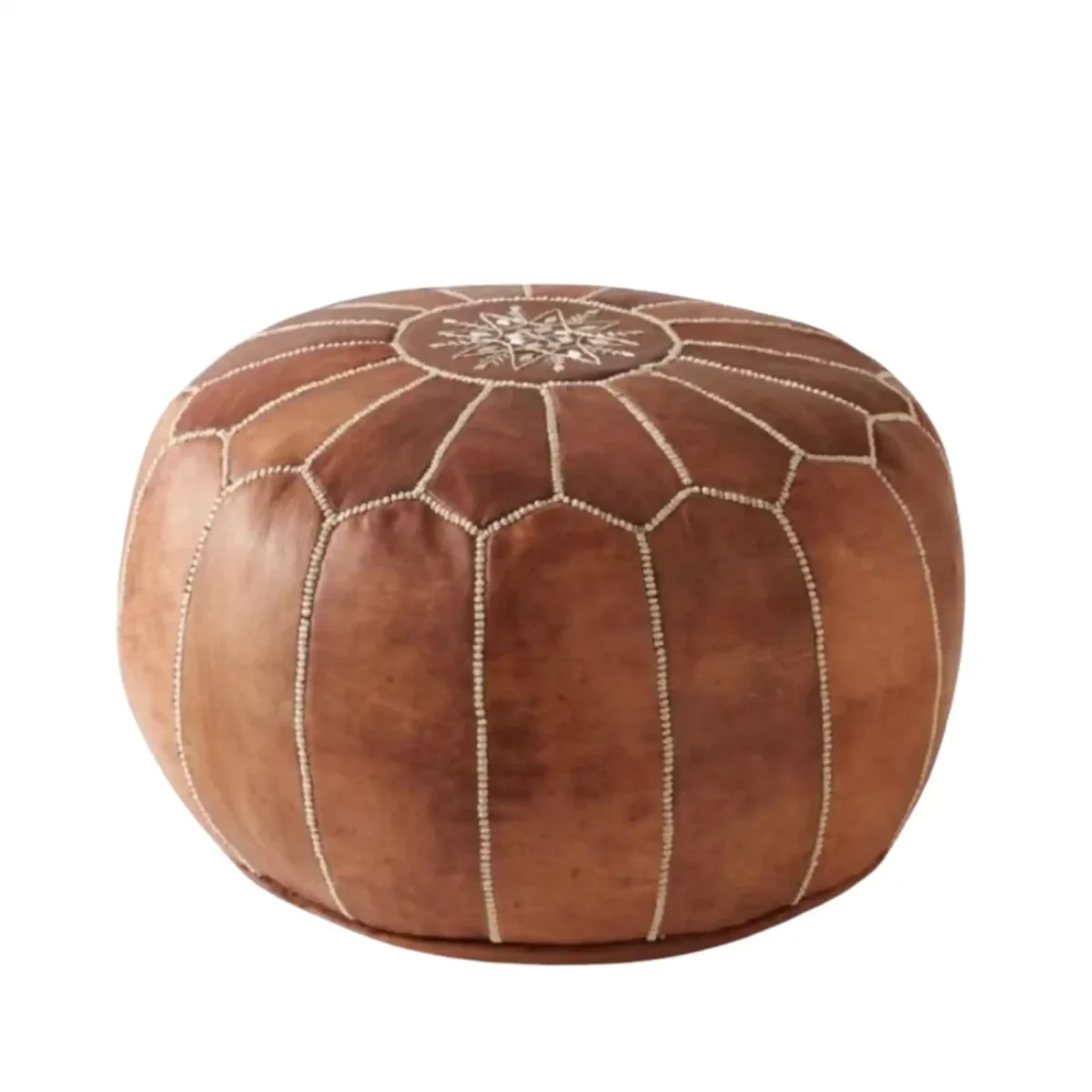
6 in stock
$138.00 Original price was: $138.00.$69.00Current price is: $69.00.
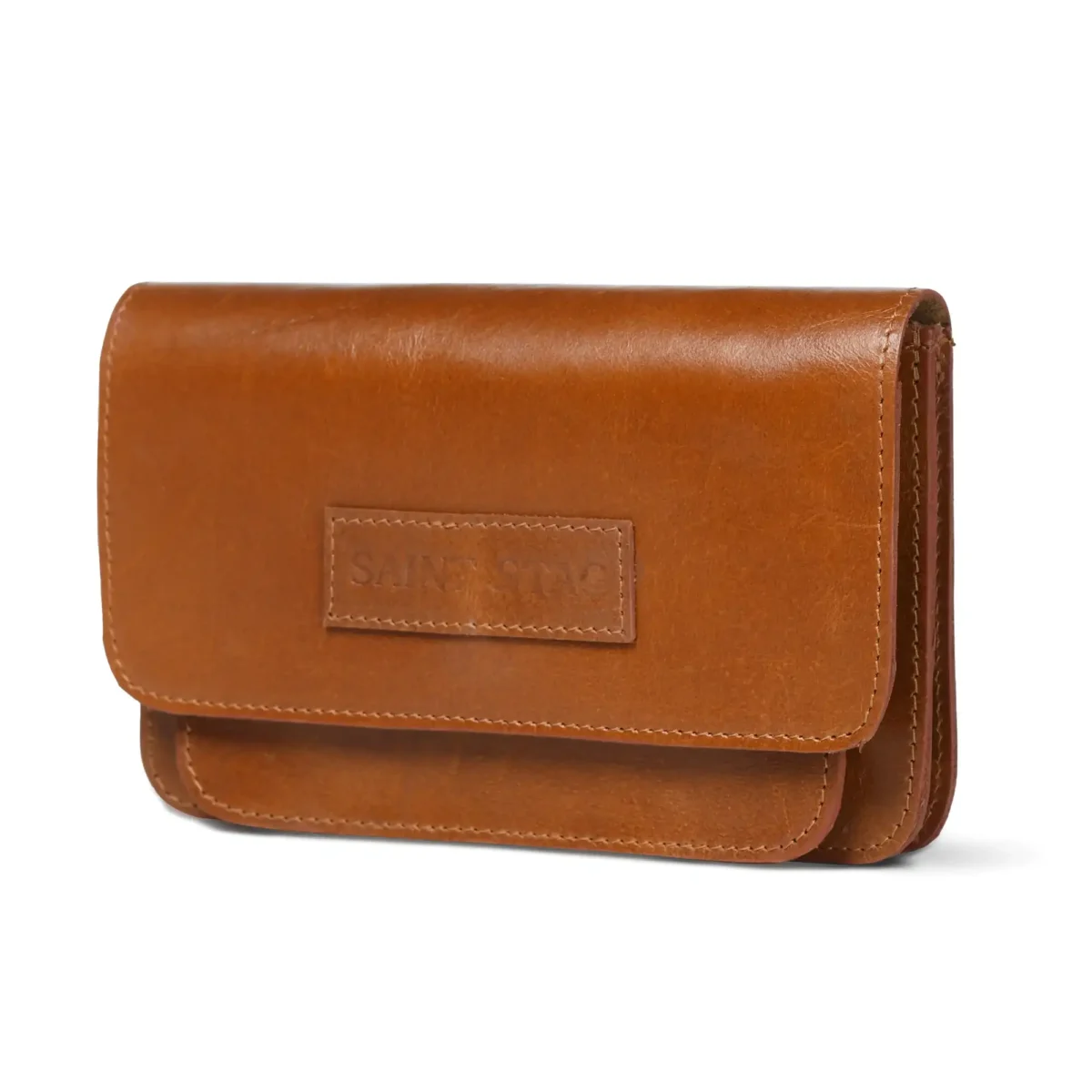
8 in stock
$84.00 Original price was: $84.00.$42.00Current price is: $42.00.
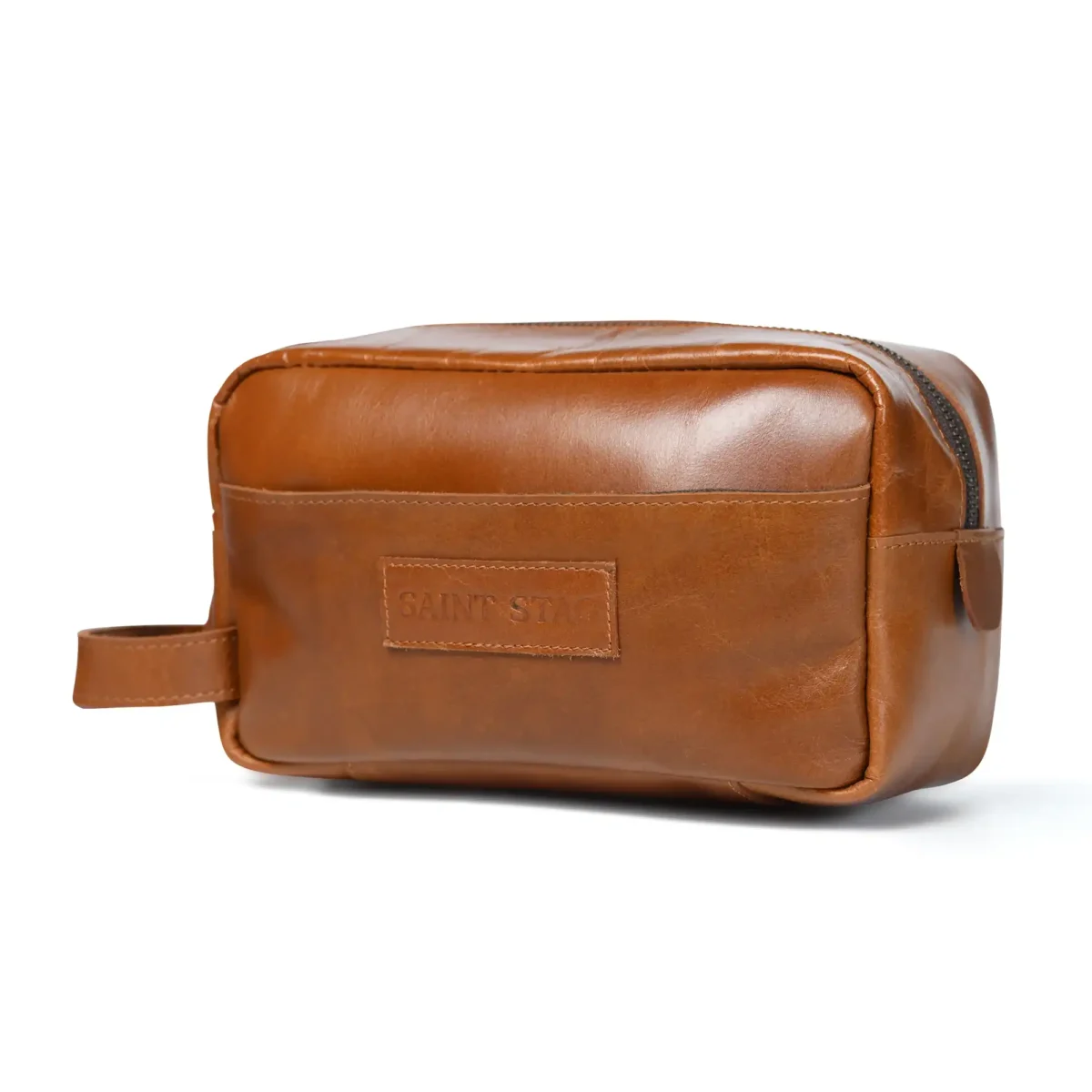
8 in stock
$90.00 Original price was: $90.00.$45.00Current price is: $45.00.
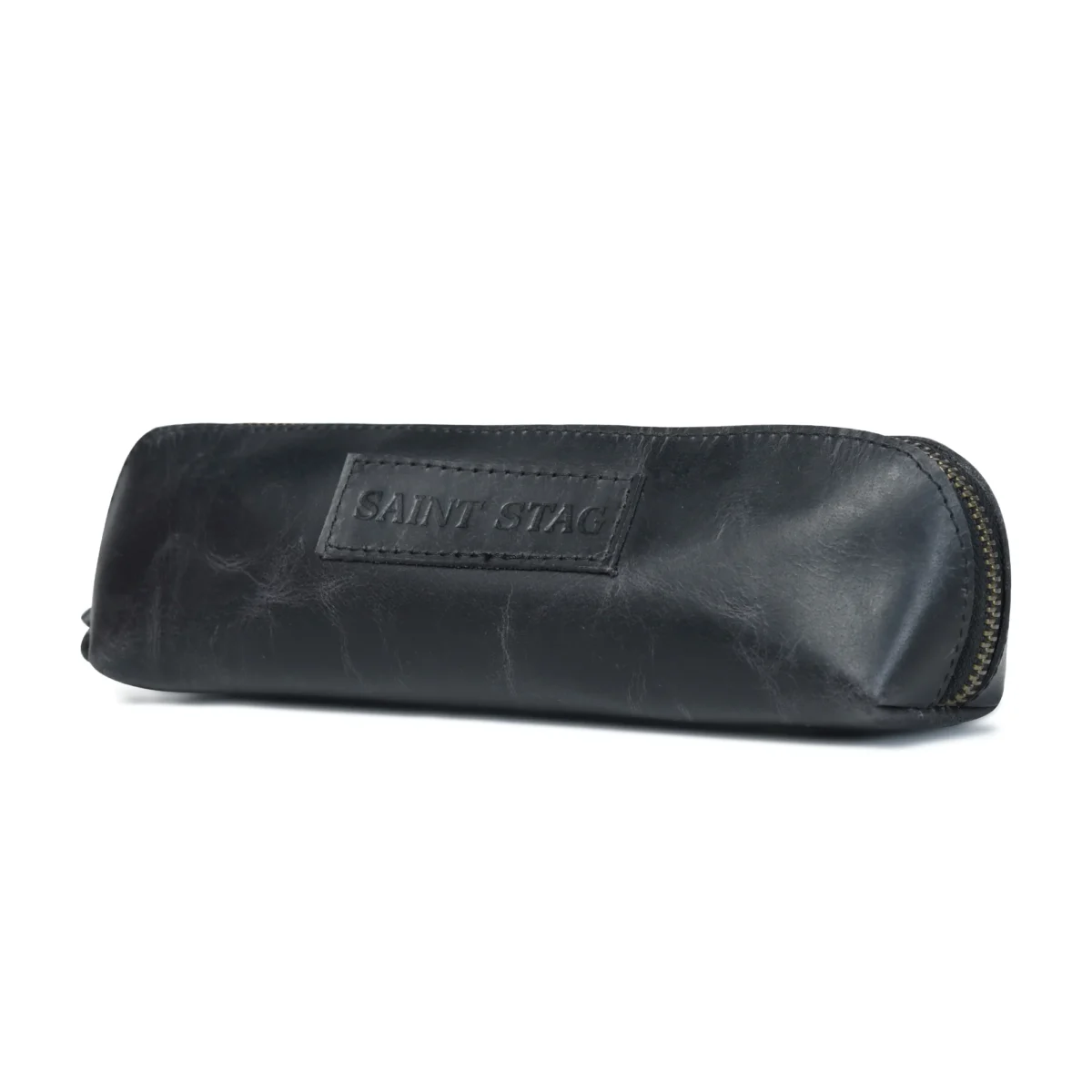
8 in stock
$70.00 Original price was: $70.00.$35.00Current price is: $35.00.
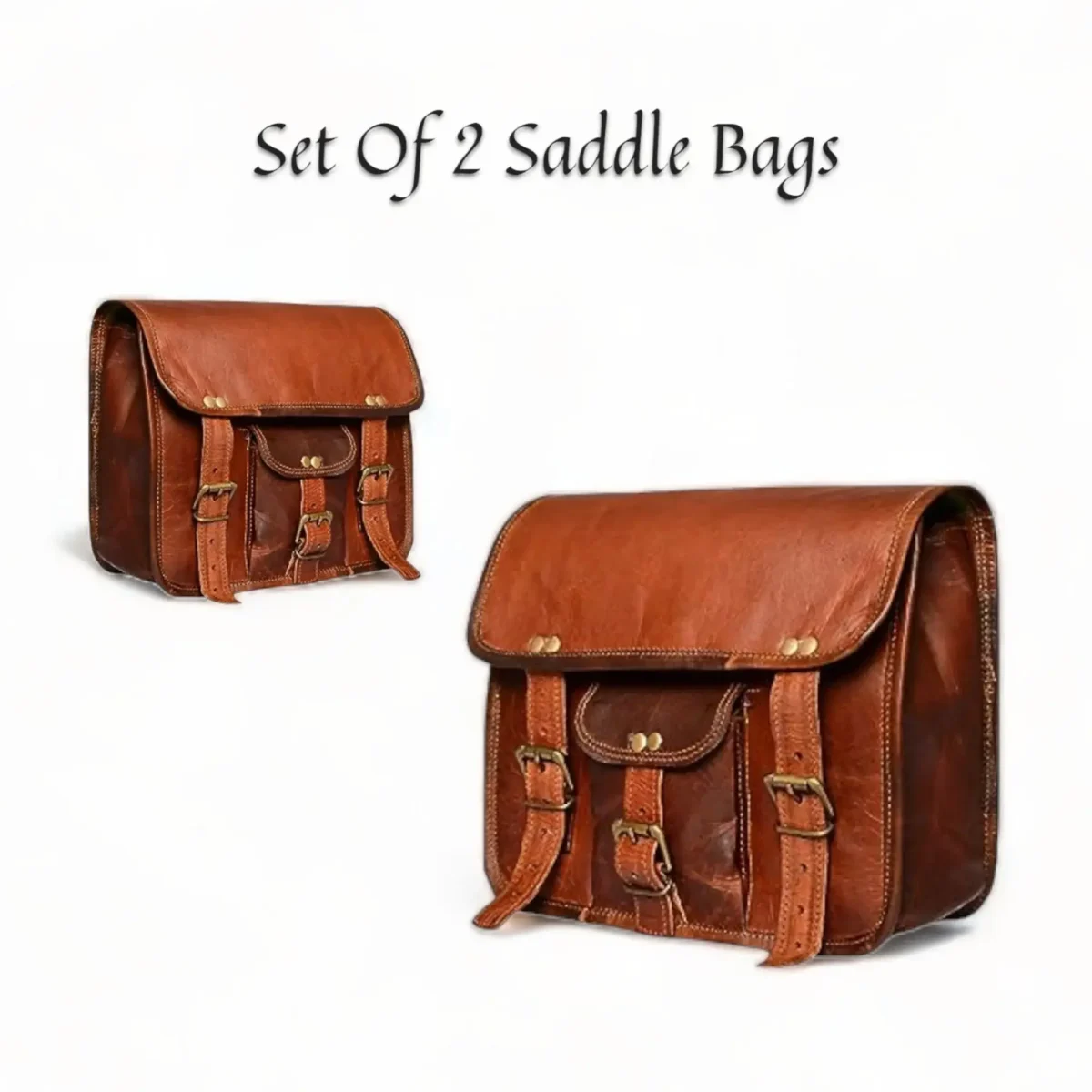
10 in stock
$130.00 Original price was: $130.00.$65.00Current price is: $65.00.
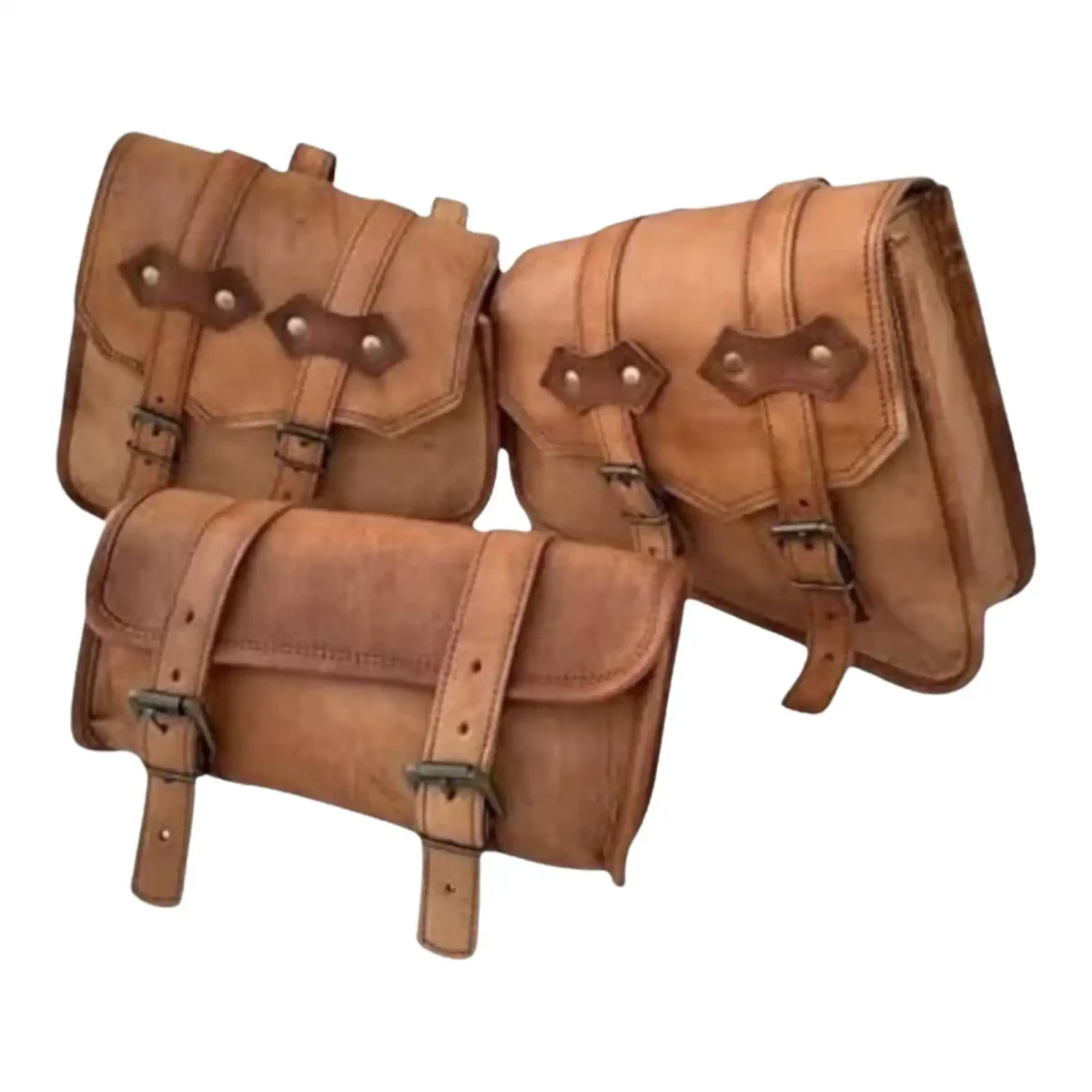
1 in stock
$98.00 Original price was: $98.00.$49.00Current price is: $49.00.