🚛 FREE SHIPPING | LIFETIME REPAIR WARRANTY | 20% Sale: “FASHION20”
Buying a vintage leather duffle bag online? It’s like embarking on a treasure hunt! You’re after that unique piece with character, something that tells a story and truly stands the test of time. But how do you unearth a genuine gem amidst countless listings? And how can you really be sure of the quality when you can’t touch or even smell the bag? This guide’s got you covered. We’ll walk you through everything you need to know, helping you spot a true vintage classic and avoid common pitfalls when shopping from home.
Each vintage bag has its own journey. It carries a unique look that mass-produced items simply can’t match. You’ll get a bag that truly stands out in a crowd, reflecting your personal style and appreciation for classic design.
Many vintage items, especially leather goods, were crafted with incredibly high-quality materials and craftsmanship. They weren’t just made; they were built to last, often boasting full-grain leather and robust hardware. What does this mean for *your* bag? It means your vintage duffle can serve you faithfully for many, many more years.
Buying vintage is a green choice. You’re giving a new life to an existing item, which reduces waste and lowers the demand for new production. It’s a conscious way to shop and contribute to a healthier planet. Isn’t that great?
Some rare or well-preserved vintage bags, especially from renowned brands, can even appreciate in value over time. While not every bag’s an investment, a high-quality vintage piece often holds its value better than new items. It’s a smart way to purchase long-lasting accessories, don’t you think?
Mr. Arthur Jenkins, a retired photojournalist, purchased a vintage full-grain leather duffle bag from a European artisan in 1972. For over five decades, this bag has accompanied him on countless assignments and personal travels across six continents. Despite exposure to diverse climates, from the humid Amazon to the arid Sahara, the bag’s structural integrity, including its brass hardware and robust stitching, has remained remarkably intact. Regular cleaning and annual conditioning were its only maintenance. Mr. Jenkins attributes the bag’s incredible longevity to the superior craftsmanship and high-quality materials, noting that it has outlasted numerous contemporary bags purchased by his colleagues, saving him an estimated $2,000-$3,000 over the years in replacement costs and offering a unique, storied aesthetic that modern bags couldn’t replicate.
A burgeoning eco-conscious travel accessories brand, “Green Nomads,” decided to incorporate vintage leather duffle bags into their curated product lines, offering restored and authenticated pieces alongside their new sustainable products. Their primary motivation was to promote circular fashion and reduce environmental impact. By sourcing and restoring 100 vintage leather duffle bags over a year, Green Nomads prevented approximately 500 kg of potential waste from landfills and significantly reduced the carbon footprint associated with new leather production. The initiative was met with enthusiastic customer response, with the vintage line selling out 30% faster than their new products, generating a 15% higher average selling price due to the unique character and perceived value of each one-of-a-kind bag, and boosting their brand’s reputation for ethical consumerism.
In 2005, Sarah Chen, a design enthusiast, acquired a well-preserved vintage duffle bag from a lesser-known but historically reputable Italian leather goods maker for $350. Her initial purchase was driven by its unique design and quality feel. Over the years, the brand gained significant recognition among collectors for its limited production and exceptional craftsmanship. By 2023, due to increasing demand for authentic vintage pieces from specific European ateliers, Sarah’s duffle bag was appraised at $1,200, representing over a 240% appreciation in value. This case highlights how quality vintage leather bags, especially from established but sometimes overlooked brands, can not only serve as durable everyday items but also hold or even increase their monetary value over time, proving to be a smart long-term investment.
Before you buy, it helps to understand a little about vintage leather itself. After all, the material is the heart of your duffle bag. Ever wondered what makes vintage leather so special?
Most quality vintage bags use full-grain or top-grain leather. Full-grain is the highest quality, showing natural hide marks. Top-grain is slightly buffed to remove imperfections but is still very durable. Avoid anything that looks like “bonded leather” or “corrected-grain” if you want lasting quality; these types are often less durable and show wear more quickly. You wouldn’t want that, would you?
| Feature | Typical Specification for Quality Vintage Leather Duffle Bag |
|---|---|
| Leather Type | Full-Grain or Top-Grain Bovine Leather |
| Leather Thickness | 1.8 mm – 2.5 mm (4.5 – 6 oz) |
| Hardware Material | Solid Brass, Nickel-Plated Brass, or Stainless Steel |
| Zipper Type | Heavy-duty metal zippers (e.g., YKK, Talon, Riri equivalents from era) |
| Stitching | Reinforced Saddle Stitch or Heavy-Duty Lockstitch |
| Thread Material | UV-resistant Polyester or Waxed Nylon Thread |
| Lining Material | Durable Canvas, Pigskin, or Raw Leather Interior (unlined) |
| Typical Dimensions (Carry-on) | Approx. 20-22″ (L) x 10-12″ (W) x 10-12″ (H) |
| Empty Weight | 2.5 – 4.5 kg (5.5 – 10 lbs) depending on size and leather |
| Handle/Strap Reinforcement | Double-stitched, Riveted, or Bolted Attachments |
| Protective Feet | Solid Metal Studs on Bottom Panel (optional but common) |
| Care Recommendation | Clean with damp cloth, condition with natural leather balm 1-2 times annually |
Patina is the lovely sheen and character that natural leather develops over years of use. It shows as a darkening, softening, and smoothing of the leather. Imagine the journey this bag has already taken; that’s the story its patina tells! This is a sign of age and quality, not damage. Look for an even, rich patina. Be careful if the bag looks too new or has uneven discoloration, as this might suggest poor care rather than genuine age.
A good vintage leather bag should have a rich, earthy leather smell. It might also have a slightly old, comforting scent. What you want to avoid is a strong smell of mildew, dampness, or heavy chemicals. These smells indicate poor storage or attempts to cover up issues. Always ask the seller about any odors the bag might have – you don’t want any surprises when it arrives, do you?
Since you can’t physically inspect the bag, photos and descriptions are your best friends. Can’t touch it? No problem! Here’s what *you’ll* look for:
Hardware is often a good indicator of overall quality and age. High-quality vintage bags typically feature solid brass, nickel, or other robust metals. Look for photos that show the hardware clearly. Do the zippers look smooth and intact? Are buckles bent or rusted? Are the feet (metal studs on the bottom) still there? These small details really matter a lot, don’t they?
Good craftsmanship means strong, even stitching. Look for thick thread and tight stitches. Loose threads, broken stitches, or uneven seams are red flags. These suggest poor quality construction or that the bag is falling apart. Pay extra attention to areas that bear weight, like where handles attach.
Duffle bags are meant to carry weight, so the handles and shoulder strap must be very sturdy. Check their attachment points to the bag. Look for any tearing, stretching, or severe cracks. Are they reinforced? The shoulder strap, if included, should also be strong and comfortable. If you’re also interested in other durable leather bags like messenger bags, the same principles apply to their straps.
The inside of the bag is just as important. Ask for photos of the interior. Look for tears, heavy stains, or signs of mold. The lining material could be canvas, raw leather, or fabric. Make sure any pockets are intact and functional. A clean interior shows the bag was well-maintained. You’ll want to see that, won’t you?
Buying online requires a bit more detective work. Here’s how to navigate it smartly:
Read the description very carefully. Understand terms like “as-is” (meaning no returns, bought in its current condition) or “distressed” (can mean heavy wear). Look for sellers who openly list any flaws. Evasive language or a lack of specific details about the bag’s condition can be a warning sign. You’ll want full transparency, right?
Don’t hesitate to ask questions! A good seller will be happy to provide more information. Ask things like: “Are there any tears or structural damage not visible in the photos?” “What’s the history of the bag?” “Can you provide more photos or a video of the zipper/handle attachment?” “What’s your return policy for vintage items?” For all types of quality leather accessories, clear communication with the seller is key.
Always check seller reviews and ratings. Look for consistent positive feedback. Understand the platform’s buyer protection and return policies. Reputable vintage sites, or marketplaces with strong buyer safeguards, are generally safer choices. A good return policy is crucial for vintage items you can’t inspect in person.
Research “sold listings” for similar bags on various platforms. This helps you gauge a realistic price. Factors affecting price include the brand, overall condition, rarity, and size. Set a budget and stick to it. Remember, a good quality vintage bag is worth investing in for its longevity and unique appeal. Think of it as investing in timeless leather goods, won’t you?
Once your vintage duffle bag arrives, a little care goes a long way. Gently clean it with a soft, damp cloth. Then, use a good quality leather conditioner to rehydrate the leather. This helps restore its suppleness and shine. Store your bag properly, away from direct sunlight and extreme temperatures, perhaps stuffed with paper to help it keep its shape. If you notice any major issues, consider taking it to a professional leather restorer. It’s an investment, after all, isn’t it?
Buying a vintage leather duffle bag online can be a truly rewarding experience, bringing you a piece of history and a truly unique accessory. By knowing what to look for, asking the right questions, and being cautious, you can confidently find a beautiful and durable bag that’s just right for you. Happy hunting for your next cherished travel companion!
Also, ask for photos taken in consistent, natural lighting to accurately gauge color and condition.
Ignoring these can lead to disappointment or a costly mistake.
Out of stock
$138.00 Original price was: $138.00.$69.00Current price is: $69.00.
8 in stock
$84.00 Original price was: $84.00.$42.00Current price is: $42.00.
8 in stock
$90.00 Original price was: $90.00.$45.00Current price is: $45.00.
8 in stock
$70.00 Original price was: $70.00.$35.00Current price is: $35.00.
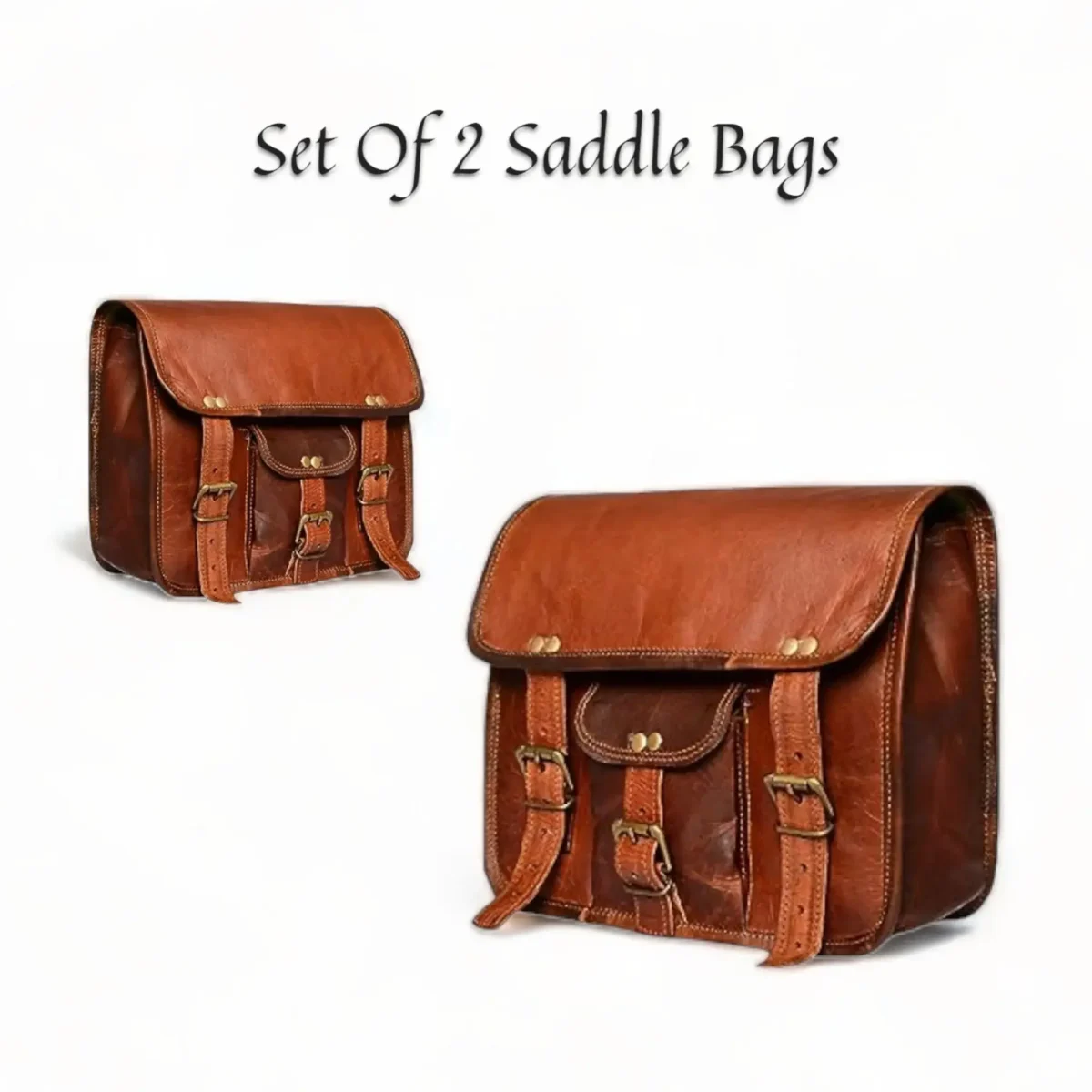
10 in stock
$130.00 Original price was: $130.00.$65.00Current price is: $65.00.
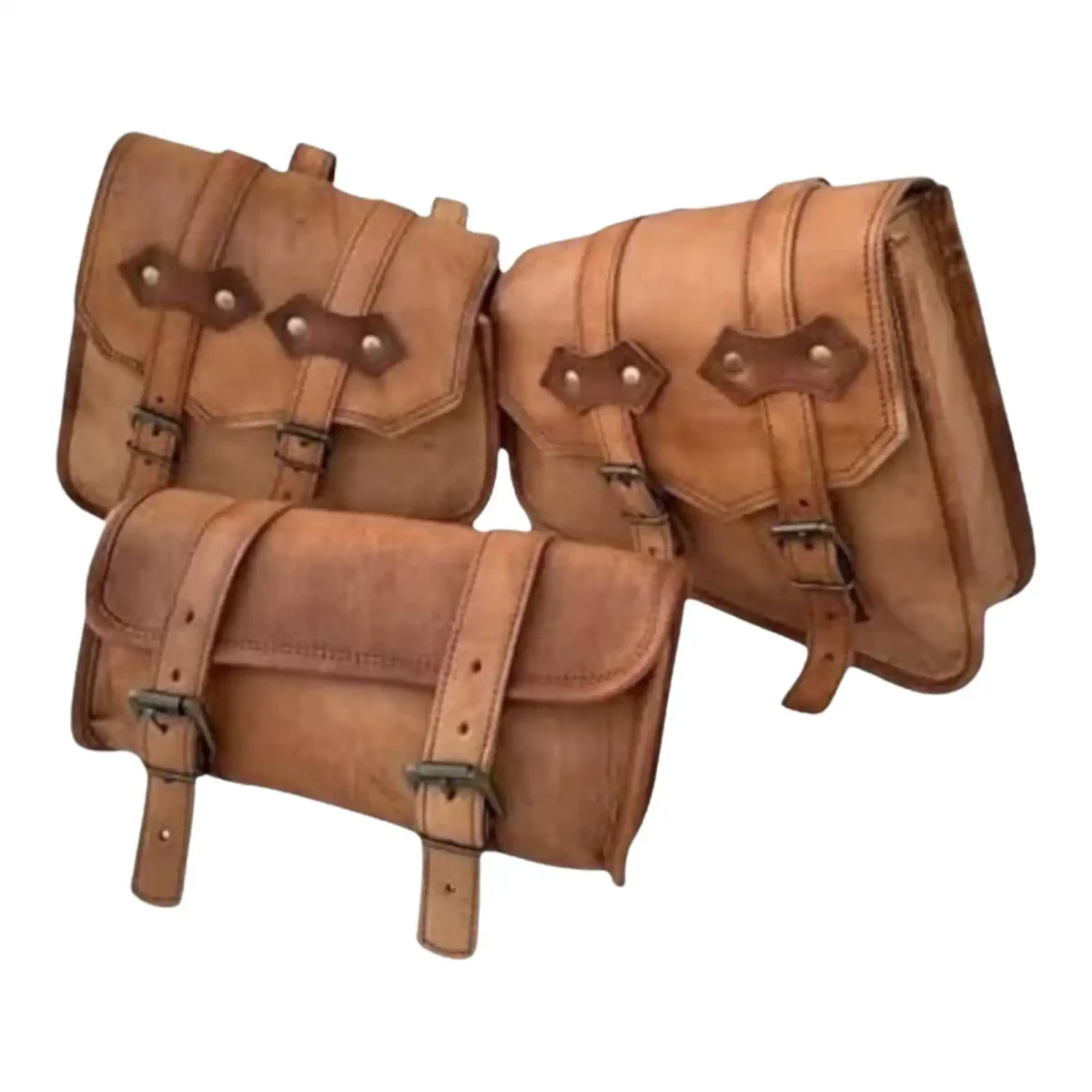
1 in stock
$98.00 Original price was: $98.00.$49.00Current price is: $49.00.