🚛 FREE SHIPPING | LIFETIME REPAIR WARRANTY | 20% Sale: “FASHION20”
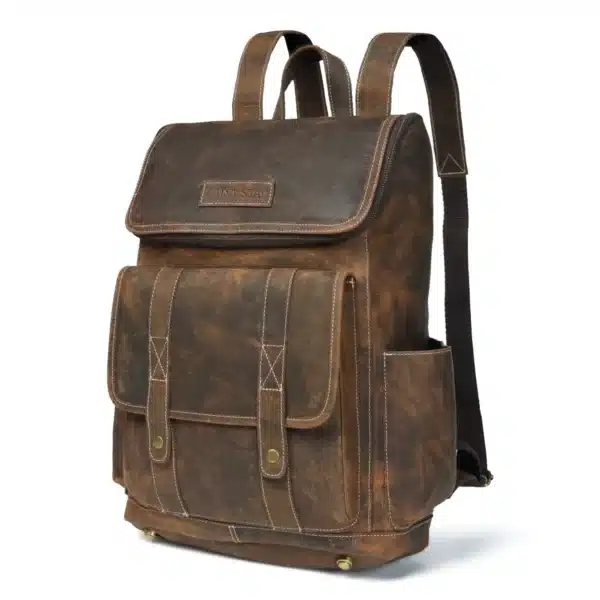
Choosing a new bag can be exciting. But when it comes to materials, things can get a bit confusing. Many people love the classic look of a vintage bag. They often wonder about the best material for durability and style. This often leads to a big question: What is the real difference between full grain leather and vegan leather bags?
Both options have their own unique qualities. They cater to different needs and values. Understanding these differences is important. It helps you make a smart choice for your next purchase. We will look at how each material performs. We will compare their durability, how they age, their impact on the environment, and how much care they need.
Full grain leather is the highest quality leather available. It comes from the top layer of the animal hide. This layer has all the natural grain and imperfections. Think of it like a fingerprint for the leather. It shows off the unique marks from the animal’s life.
This type of leather is minimally processed. It keeps its natural strength and fibers. Often, it is treated with vegetable tanning. This is an older, more natural method. It uses plant-based extracts. This process gives the leather a rich color and helps it age beautifully.
Full grain leather is incredibly durable. It resists wear and tear very well. This is because its fibers are so dense. This strength means your bag can last for many years. It can even become a treasured family heirloom.
One of its best features is how it ages. Full grain leather develops a unique “patina” over time. This is a soft sheen that comes from use and exposure. It gives each bag a distinct character and deepens its color. This aging process adds to the charm of a vintage piece. It makes the bag truly one-of-a-kind. Full grain leather also tends to hold its value. It can be a good investment over time.
Vegan leather is an alternative to traditional animal leather. It is made without using any animal products. Historically, most vegan leather was made from synthetic materials. These include polyurethane (PU) and polyvinyl chloride (PVC).
However, newer, more innovative vegan leathers are now available. These are often called “plant-based” or “bio-based” options. They can be made from unexpected sources. Examples include pineapple leaves (Piñatex), cactus, apples, and mushrooms. There are also composite materials. These might use recycled plastics mixed with bio-based polymers.
The term “vegan leather” often suggests it’s better for the environment. But the reality can be more complex. Traditional synthetic vegan leathers (PU and PVC) are plastics. They are not biodegradable. This means they can contribute to plastic waste for hundreds of years. Their production can also involve harsh chemicals.
Newer plant-based vegan leathers offer a more promising path. They often use fewer fossil fuels and chemicals. However, their overall environmental footprint still depends on many factors. These include how they are manufactured, processed, and what happens to them at the end of their life. It is important to look beyond just the “vegan” label.
Full grain leather is known for its incredible strength and longevity. It can withstand daily use for decades. With proper care, it resists cracks and tears. It softens and becomes more pliable over time.
Vegan leather, especially synthetic types, generally has a shorter lifespan. It can be prone to cracking, peeling, or scuffing, particularly with heavy use. Plant-based options are improving, but their long-term durability is still being tested compared to centuries of leather use.
Full grain leather bags develop a rich, unique patina. This makes them look even better as they age. They have a natural, luxurious feel and smell. This contributes greatly to their vintage appeal. The texture is often rich and varied.
Vegan leather can mimic the look of leather very well initially. However, it often does not age in the same way. Instead of developing a patina, it might start to show signs of wear like fading or peeling. The feel can sometimes be less supple or have a synthetic texture. Achieving a true, authentic vintage look can be challenging for some vegan materials.
Full grain leather can be heavier than many vegan options. It also offers some natural breathability. This can be comfortable for shoulder bags. It is quite weather-resistant, especially when treated properly.
Vegan leather bags are often lighter. They are generally easier to clean with just a wipe. However, their resistance to extreme weather or deep scratches can vary greatly by material. Some synthetic vegan leathers might not breathe as well, which can be a consideration for certain uses.
The environmental impact of both materials is complex. Leather production requires water and can produce waste. However, full grain leather is a byproduct of the meat industry. It also lasts for decades, reducing the need for frequent replacement.
Synthetic vegan leathers are derived from petroleum. They contribute to plastic pollution. They are not biodegradable. Plant-based vegan leathers are often highlighted for their lower carbon footprint. But their processing still needs energy and resources. It is vital to consider the entire lifecycle of any material.
For many, the main reason to choose vegan leather is animal welfare. It offers a cruelty-free alternative. This aligns with ethical beliefs against using animal products.
However, it is also important to consider human labor practices in production. Both leather and vegan leather industries can have ethical challenges regarding factory conditions. A truly ethical choice considers both animal welfare and human rights across the supply chain.
Caring for full grain leather helps it last a lifetime. Regularly wipe it with a soft, damp cloth. Use a good quality leather conditioner every few months. This keeps the leather supple and prevents drying. Protect it from direct sunlight and extreme moisture. Proper storage in a breathable dust bag is also key to preserving its natural beauty and allowing the patina to develop.
Vegan leather is generally easier to clean. For synthetic types, a damp cloth with mild soap is usually enough. For plant-based materials, always check the manufacturer’s specific care instructions. Avoid harsh chemicals or abrasive cleaners. While vegan leather doesn’t develop a patina, regular cleaning helps prevent staining and keeps it looking new for as long as possible. Repairs for cracks or peeling can be difficult or impossible.
The world of bags is diverse. You can also find bags made from upcycled or recycled materials. These offer a unique blend of sustainability and character. The choice between full grain and vegan leather depends on your personal values. It also depends on your lifestyle and what you seek in a bag.
At Saint Stag, we believe in the enduring appeal of quality craftsmanship. Our focus is on handcrafted bags made from aged full-grain leather. We choose this material for its exceptional durability and unique ability to develop a beautiful patina over time. Our goal is to create pieces that tell a story. They are designed to accompany you for many years, becoming richer in character with every journey. We are dedicated to traditional techniques. These ensure that each Saint Stag bag is not just an accessory, but a timeless companion.
The debate between full grain leather and vegan leather bags highlights different priorities. Full grain leather stands out for its unmatched durability, natural aging, and timeless appeal. It is a long-term investment that becomes more beautiful with time. Vegan leather offers an ethical choice, with improving materials and diverse aesthetics.
Ultimately, your decision comes down to your personal values. Consider what matters most to you in terms of longevity, maintenance, environmental impact, and style. Both materials offer unique benefits. Knowing these differences helps you choose a bag that truly suits your needs and conscience. Explore our collection at Saint Stag to find a bag that matches your journey.
The main advantage of full grain leather is its exceptional durability and strength. It is the strongest and most resilient part of the hide. It also develops a beautiful, unique patina over time, which adds to its character and value.
The eco-friendliness of vegan leather varies widely. Traditional synthetic vegan leathers (PU, PVC) are plastics and not biodegradable. Newer plant-based options are generally more eco-friendly. However, their overall environmental impact depends on production processes, chemicals used, and disposal.
Full grain leather will often show natural imperfections, wrinkles, and unique grain patterns. It feels robust and luxurious. It also has a distinct, natural leather smell. It will usually be thicker and have a less uniform appearance compared to processed leathers or vegan alternatives.
Generally, no. Full grain leather is known for lasting decades with proper care, often becoming an heirloom. Vegan leather, especially synthetic types, typically has a shorter lifespan. It can be more prone to cracking, peeling, or degrading over time, especially with heavy use.
Patina is a soft sheen that develops on full grain leather over time due to wear, exposure to elements, and handling. It deepens the leather’s color and texture. Patina is desirable because it gives the bag a unique, aged look. It shows the bag’s history and character. It makes each piece truly one-of-a-kind.
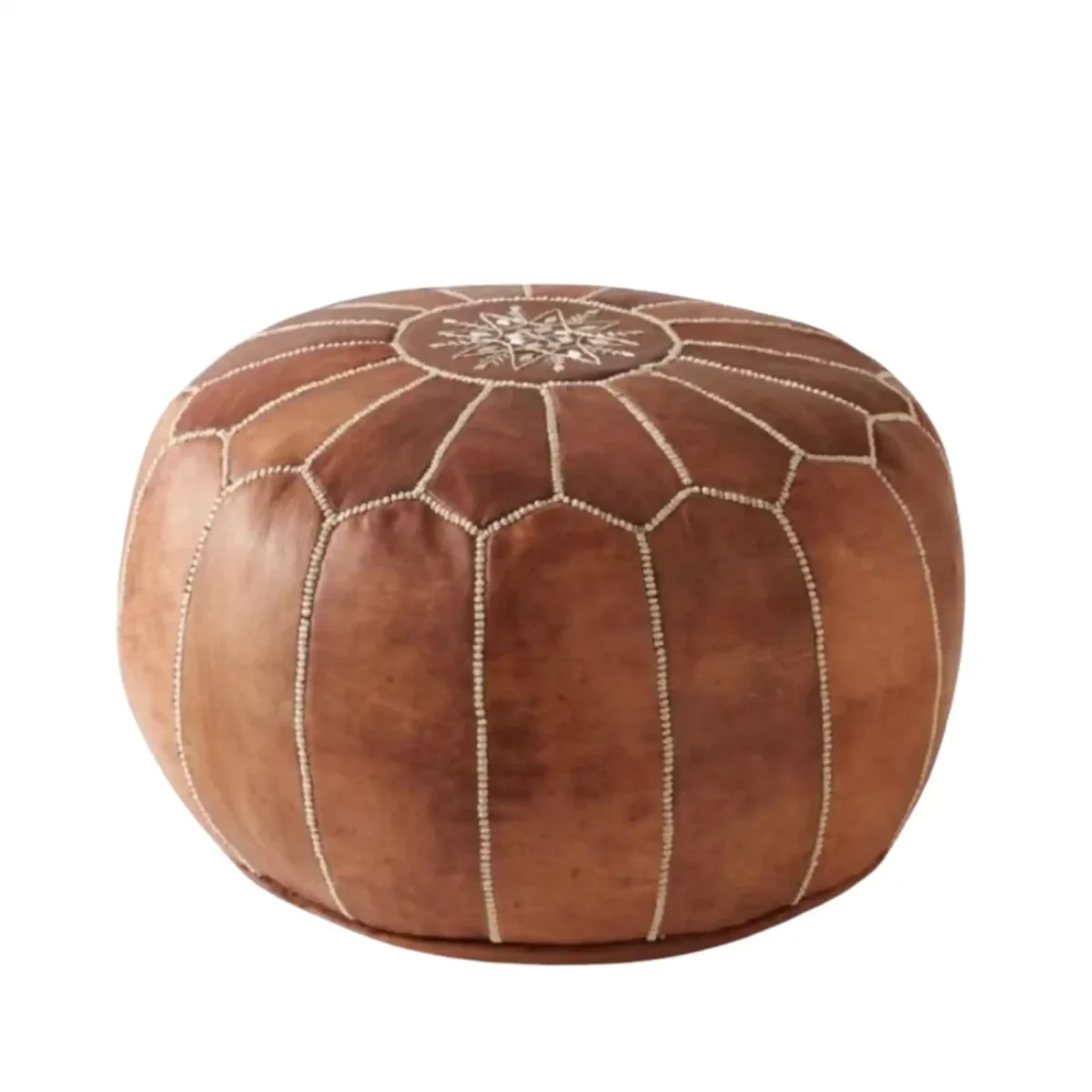
Out of stock
$138.00 Original price was: $138.00.$69.00Current price is: $69.00.
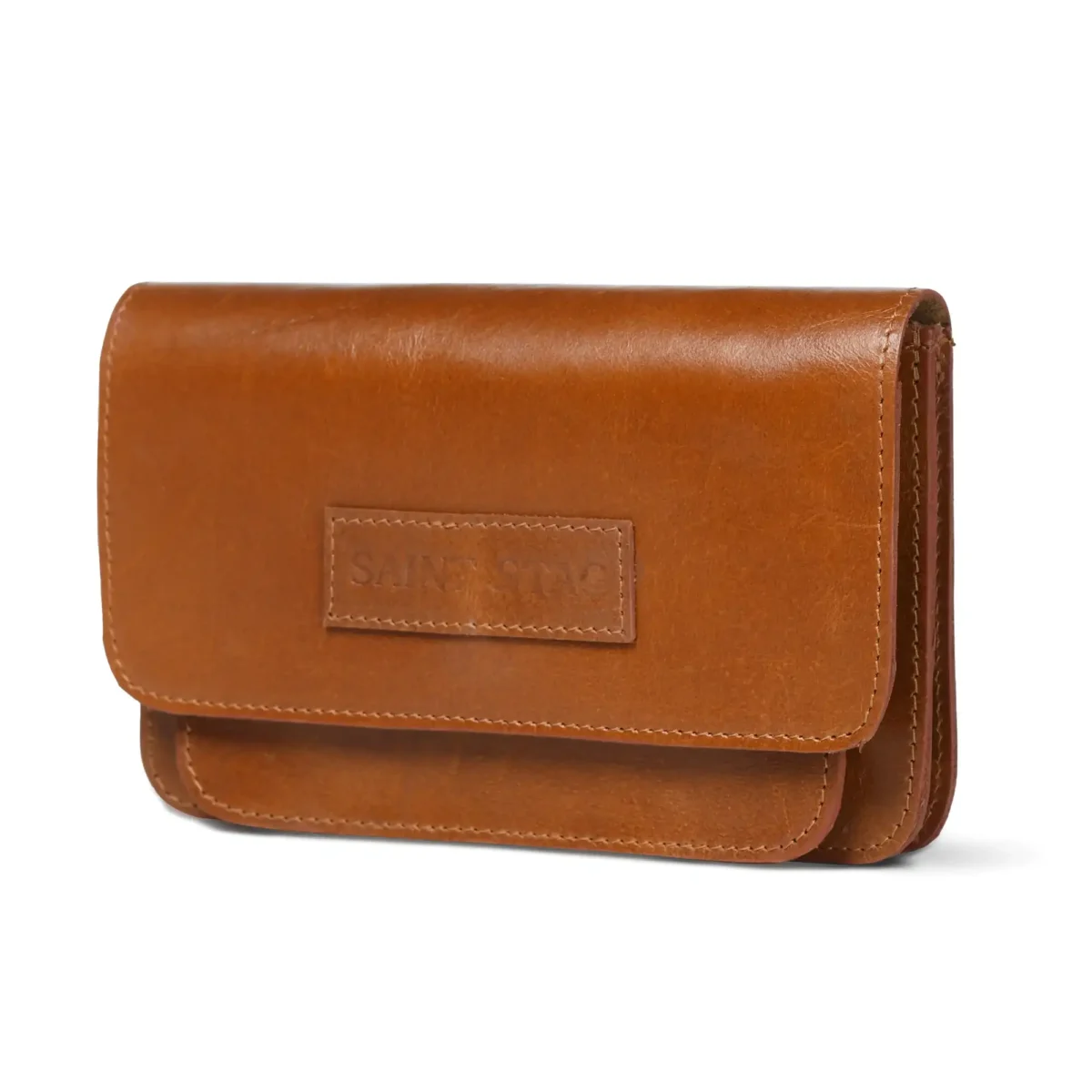
8 in stock
$84.00 Original price was: $84.00.$42.00Current price is: $42.00.
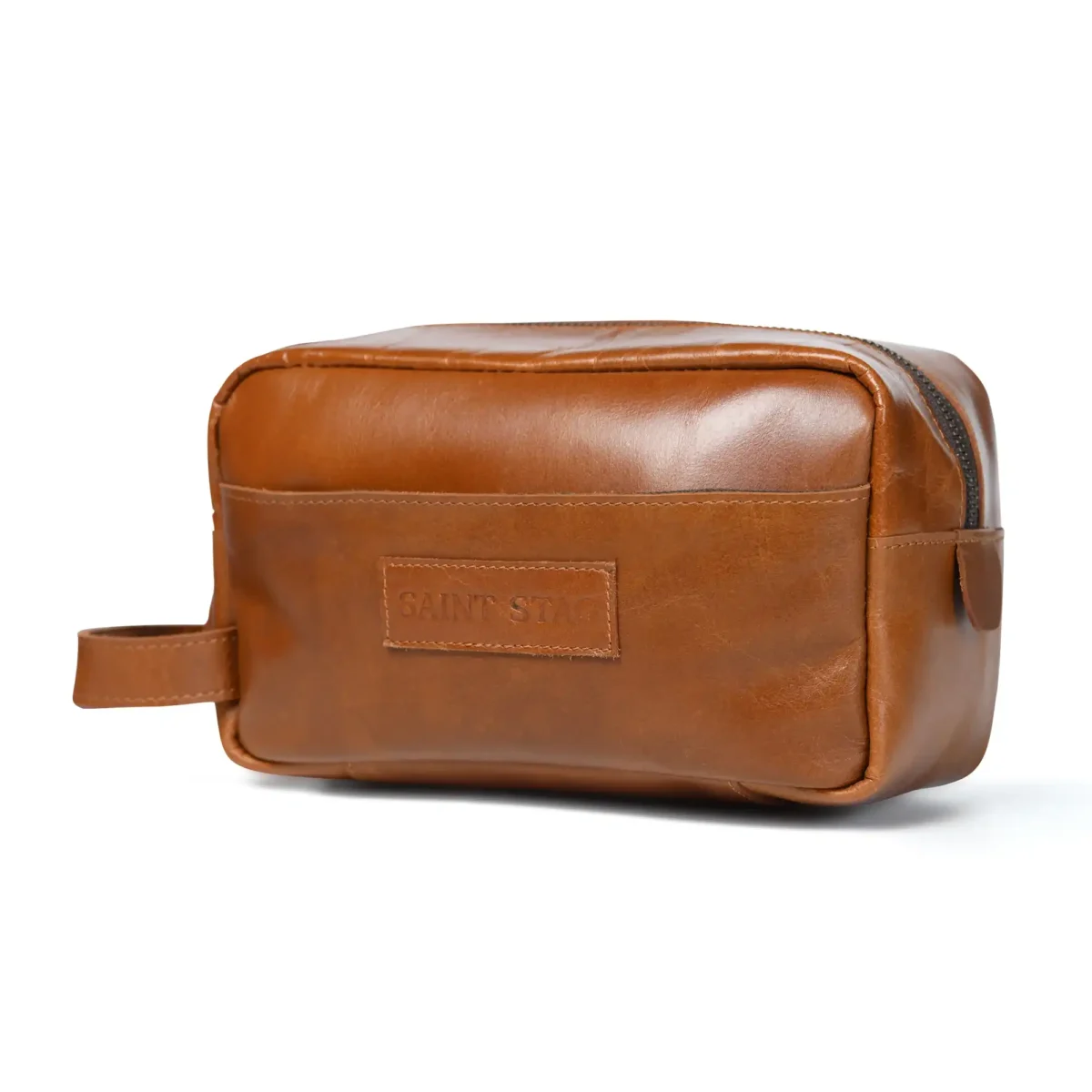
8 in stock
$90.00 Original price was: $90.00.$45.00Current price is: $45.00.
8 in stock
$70.00 Original price was: $70.00.$35.00Current price is: $35.00.
10 in stock
$130.00 Original price was: $130.00.$65.00Current price is: $65.00.
1 in stock
$98.00 Original price was: $98.00.$49.00Current price is: $49.00.