🚛 FREE SHIPPING | LIFETIME REPAIR WARRANTY | 20% Sale: “FASHION20”
Have you ever wondered why an old leather bag, despite its age, often looks more appealing than a brand-new one? It’s not just about nostalgia. There’s a special magic that happens to high-quality leather over time. This magic has a name: patina. When you choose a well-crafted leather product, like the sophisticated designs from Saint Stag, you’re not just buying an item; you’re investing in a piece that will evolve and tell your unique story.
Leather patina is essentially the beautiful transformation that natural leather undergoes as it ages and is used. Think of it like a fine wine that gets better with time, or a piece of antique furniture that gains character. It’s not dirt or damage; it’s a natural process where the leather develops a softer feel, a richer colour, and a unique sheen. This change is highly sought after by leather enthusiasts because it makes each bag truly one-of-a-kind.This elegant aging process happens gradually. It shows the journey your bag has taken with you. It’s a visible testament to its history and your experiences. A bag with a beautiful patina tells a story without saying a word.
Patina is more than just surface change; it’s a complex interaction of various elements with the leather. Understanding this helps us appreciate its beauty even more.* Natural Oils and Hands: Every time you touch your leather bag, natural oils from your skin transfer onto it. These oils absorb into the leather, enriching its colour and helping it soften. This is why handles and frequently touched areas often develop patina fastest.* Sunlight (UV Exposure): Just like our skin, leather reacts to sunlight. Over time, UV rays cause a subtle darkening and deepening of the leather’s colour. This isn’t harsh sun damage if done gently, but rather a slow, even tanning process.* Friction and Wear: Daily use naturally exposes certain parts of your bag to more friction. This rubbing polishes the leather fibres, creating a gentle sheen and making the surface incredibly smooth and supple. Edges and corners often showcase this burnished effect beautifully.* Air (Oxidation): Leather is an organic material. When exposed to air, its fibres undergo a subtle chemical reaction called oxidation. This also contributes to the deepening of colour and overall richness.The best patina develops on high-quality leathers, especially full-grain leather. This type of leather retains its natural surface, including all its pores and imperfections, allowing it to absorb oils and react to its environment naturally. Vegetable-tanned leather is particularly known for developing a stunning, rich patina because of the traditional tanning methods used.
A leather bag with a well-developed patina offers several compelling advantages that make it more desirable than a brand-new one.* Unique Story: Every scuff, every dark spot, every subtle change in shade contributes to the bag’s personal story. Your bag becomes a reflection of your life, distinct from any other. It literally wears your journey.* Depth and Richness: The original colour of the leather deepens and becomes more complex. Instead of a flat, uniform tone, you get a multi-dimensional look with varying shades. This adds a sophisticated visual appeal.* Softness and Suppleness: With consistent use and the absorption of natural oils, the leather becomes incredibly soft and pliable. This makes the bag more comfortable to carry and use, conforming to your body over time.* Timeless Style: A patinated bag exudes an undeniable sense of timeless elegance and authenticity. It shows that the bag is durable, well-loved, and has stood the test of time, making it a statement piece.* Sustainability: Investing in a high-quality leather bag that develops a beautiful patina encourages a sustainable mindset. You choose a product designed to last for years, reducing the need for frequent replacements.
The development of patina is a gradual process, and patience is key. There’s no fixed timeline, as it depends on the type of leather, how often you use the bag, and even your unique handling habits.* Initial Changes (Weeks to a Few Months): You might notice a slight darkening or a subtle sheen starting to appear, especially on areas you touch most, like handles or strap adjusters. The leather might start feeling a little softer.* Noticeable Patina (6 Months to 1 Year): After regular use for about six months to a year, the colour will have visibly deepened. The leather will feel more supple, and specific character marks from your usage patterns will become more apparent.* Deep, Rich Patina (Several Years): A truly deep and rich patina takes several years of consistent use and proper care. The leather will develop a complex range of tones and an almost glowing sheen. This is when the bag truly embodies its unique history.For example, the straps and handles of your leather laptop bag will likely develop a patina much faster than the main body because they are constantly handled and exposed to natural oils from your skin.
While patina develops naturally, you can certainly encourage a beautiful, even aging process.* Use it Regularly: The best way to develop patina is simply to use your bag often. Your hands, the environment, and daily wear are its best friends. Don’t keep it hidden away!* Gentle Sun Exposure: Occasionally leave your bag in indirect sunlight for short periods (e.g., 30 minutes to an hour). Rotate it to ensure even exposure. Avoid direct, harsh sunlight for long durations, as this can dry out or damage the leather.* Keep it Clean: Gently wipe your bag with a soft, dry cloth regularly to remove dust and surface grime. This prevents dirt from embedding into the leather and causing uneven darkening.* Light Conditioning: Use a good quality, neutral leather conditioner sparingly, perhaps once every few months. A thin layer can help moisturise the leather, keeping it supple and encouraging an even colour development. Always test on an inconspicuous area first.* Avoid Harsh Chemicals: Steer clear of any harsh cleaning agents, alcohol-based wipes, or strong soaps. These can strip the natural oils from the leather and hinder proper patina development, potentially causing damage.* Proper Storage: When not in use, store your bag in a breathable dust bag, away from extreme temperatures and humidity. Avoid plastic bags, which can trap moisture. Stuff it lightly with paper to maintain its shape and prevent creases that might age unevenly.
It’s important to distinguish between a beautiful, healthy patina and actual damage to your leather bag. Both involve changes over time, but their effects are very different.* Healthy Patina: This appears as a gradual, even-ish darkening and enriching of colour. The leather remains supple, smooth, and develops a soft sheen. It feels nourished and resilient. Scratches that integrate into the patina often look like character marks.* Signs of Damage: This includes cracking, peeling, excessive dryness, stiffness, or discolouration that looks unnatural (like green mold or severe fading in patches). These indicate the leather is breaking down or has been mistreated. If your bag looks brittle, flaking, or has deep, disruptive tears, it’s likely damage, not patina.If you’re unsure, a simple touch test can help. Healthy patinated leather feels alive and flexible, while damaged leather might feel stiff, rough, or fragile.
Once your bag has developed a lovely patina, ongoing care is crucial to maintain its beauty and ensure its longevity.* Routine Cleaning: Make it a habit to wipe your bag with a soft, dry or slightly damp (with plain water) cloth every week or two. This removes surface dust and oils, allowing the patina to shine through.* Conditioning: Depending on your climate and use, condition your bag every 3-6 months. Use a small amount of a high-quality leather conditioner, gently massaging it into the leather with a clean cloth. This keeps the leather hydrated and prevents it from drying out, which can lead to cracks.* Water Protection: While a light drizzle won’t harm patinated leather, try to avoid heavy rain. If your bag gets wet, gently blot it dry with a soft cloth and let it air dry naturally, away from direct heat. You can also use a water-resistant leather spray, though some prefer to let the leather breathe without it.* Proper Storage: When storing your bag for longer periods, ensure it’s clean and conditioned. Place it in a breathable dust bag (often provided with quality bags) and store it in a cool, dry place. Stuffing it lightly with acid-free tissue paper helps maintain its shape.Ultimately, a leather bag with a beautiful patina is more than just an accessory. It’s a companion that ages gracefully with you, collecting memories and stories along the way. Embrace the changes, care for your leather, and enjoy the unique character it develops over the years.
Yes, you can gently encourage patina development by using your bag frequently, exposing it to indirect sunlight for short periods, and applying a thin layer of natural leather conditioner occasionally. However, avoid harsh methods like excessive oiling or artificial distressing, as these can damage the leather.
Gentle cleaning with a soft, dry cloth or a slightly damp cloth will not remove the patina. In fact, regular cleaning helps maintain its clarity and richness. However, using harsh chemicals or abrasive cleaners can strip the natural oils and pigments, potentially damaging or reversing the patina.
No, not all leather develops a good patina. The best patina forms on high-quality, natural leathers, especially full-grain and vegetable-tanned varieties. Corrected-grain or bonded leathers, which have heavily processed surfaces, typically show very little or no natural aging and transformation.
For fresh water spots, gently blot the area immediately with a clean, dry cloth. If the spot has dried, you can try lightly moistening the entire panel of leather with a damp cloth to even out the moisture, then let it air dry naturally. A good quality leather conditioner applied afterwards can help blend the area. For stubborn spots, professional leather care might be needed.
Yes, using your leather bag every day is one of the best ways to encourage a rich and beautiful patina. Consistent handling, exposure to natural oils from your skin, and daily interactions with the environment all contribute to its unique aging process. Just remember to clean and condition it periodically.

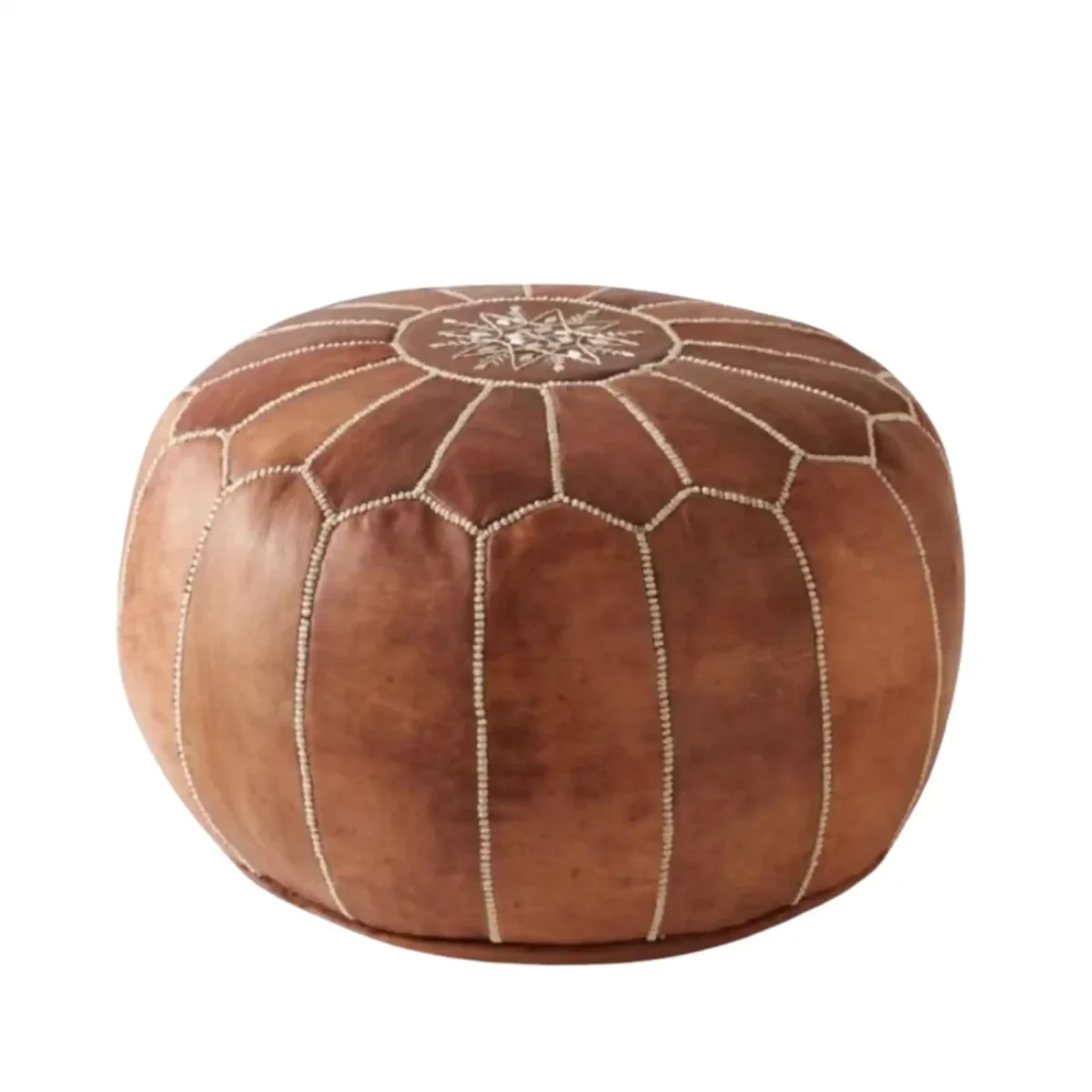
6 in stock
$138.00 Original price was: $138.00.$69.00Current price is: $69.00.
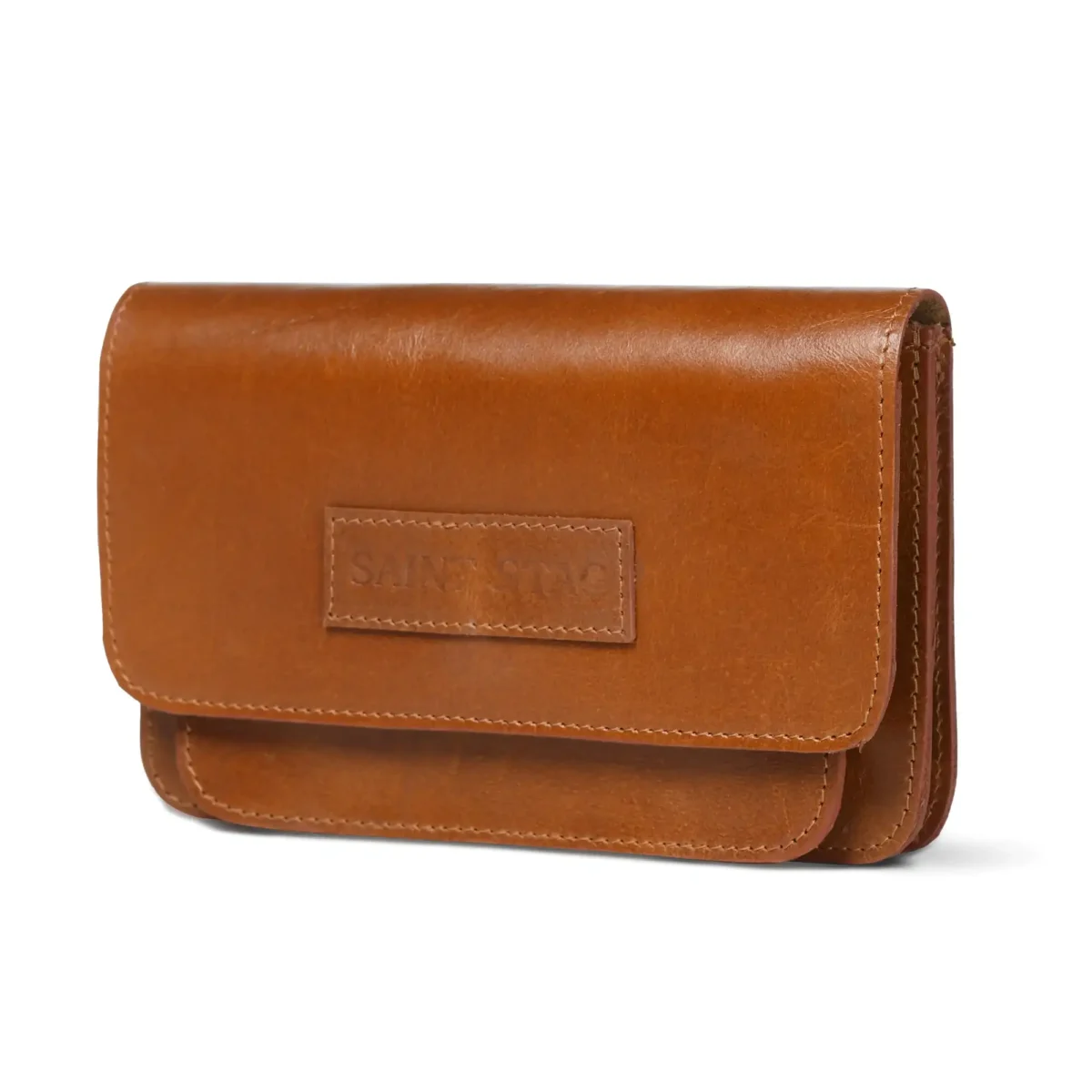
8 in stock
$84.00 Original price was: $84.00.$42.00Current price is: $42.00.
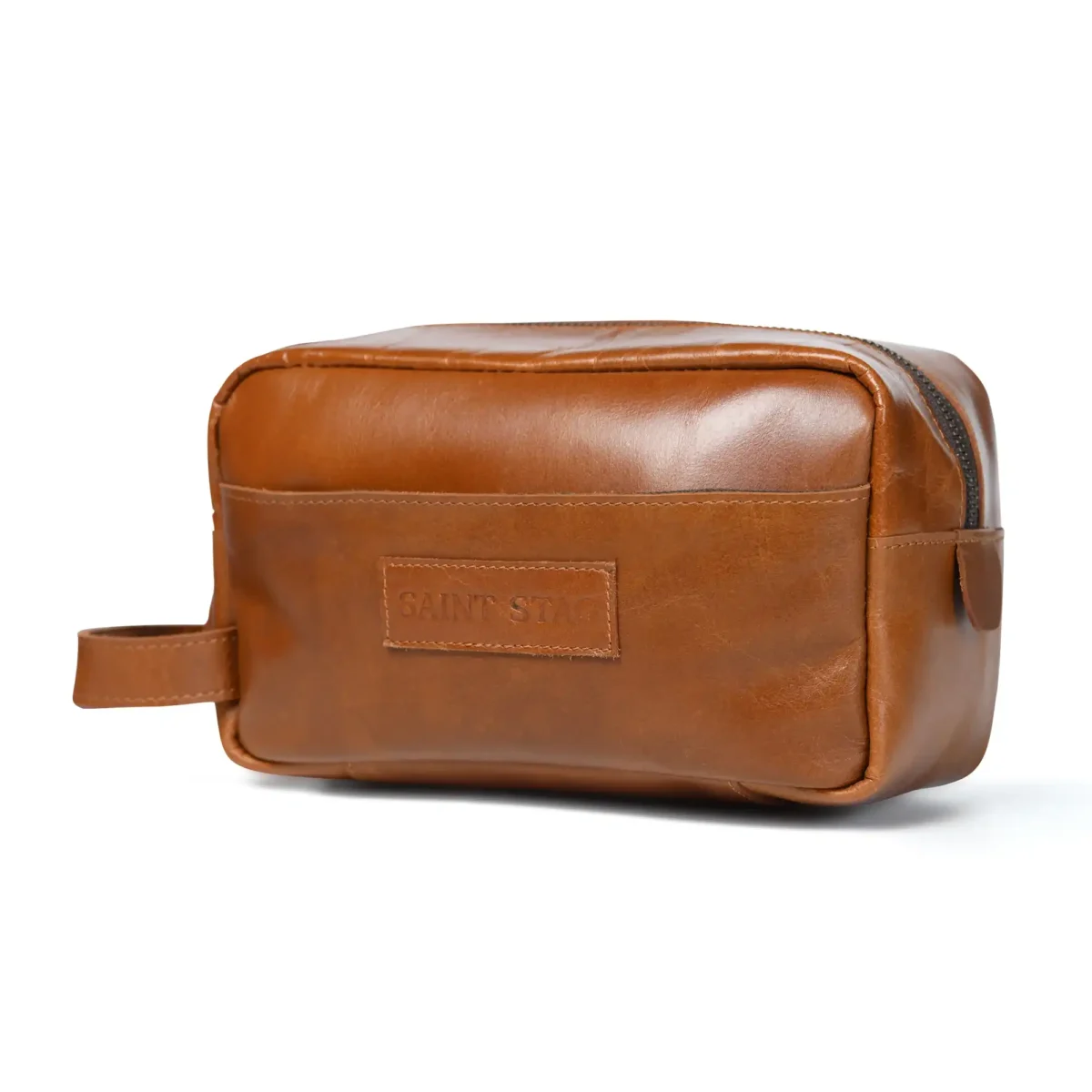
8 in stock
$90.00 Original price was: $90.00.$45.00Current price is: $45.00.
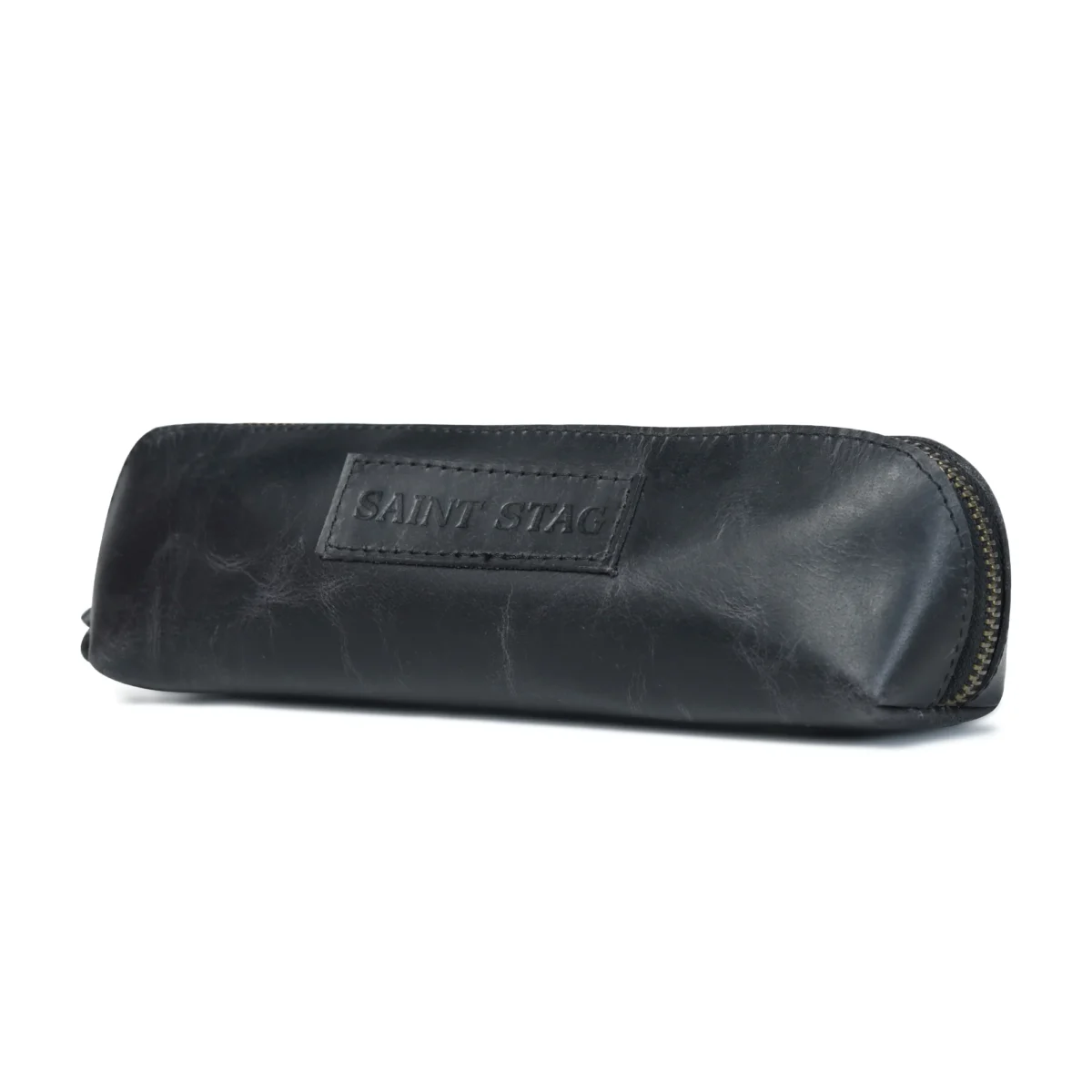
8 in stock
$70.00 Original price was: $70.00.$35.00Current price is: $35.00.
10 in stock
$130.00 Original price was: $130.00.$65.00Current price is: $65.00.
1 in stock
$98.00 Original price was: $98.00.$49.00Current price is: $49.00.