🚛 FREE SHIPPING | LIFETIME REPAIR WARRANTY | 20% Sale: “FASHION20”

Every leather bag has a story. From the moment a skilled artisan first selects a hide to the day it rests in your hand, a leather bag undergoes an incredible transformation. Whether you’re carrying a vintage leather messenger bag or a contemporary classic, understanding the journey of how leather bags are made gives you a deeper appreciation for this timeless accessory.
In this comprehensive guide, we’ll explore the fascinating process of how leather transforms from raw hide into the durable, beautiful bags you love.
The Journey Begins: Selecting the Right Hide
The first step in creating a quality leather bag starts with selecting the right raw material. Artisans and manufacturers don’t just pick any hide—they carefully choose premium hides based on specific criteria. The leather quality depends on the animal, breed, age, and how the animal was treated during its lifetime. This initial selection sets the tone for the entire production process.
From Raw Hide to Tanned Leather
Once the hide is selected, the real transformation begins with tanning. Tanning is the process that converts raw hide into workable leather. Without tanning, the hide would decay and become unusable. There are several tanning methods:
Vegetable Tanning: This traditional method uses tannins from tree bark. It’s the preferred method for vintage leather bags because it creates leather that ages beautifully and develops a unique patina over time. Chrome Tanning: A faster, more modern method that produces softer, more uniform leather. Combination Tanning: Blends both methods to balance characteristics.
The Choice of Tanning Method Matters
For vintage leather messenger bags, vegetable tanning is highly valued. This method produces leather that not only lasts for decades but actually improves with age. The leather develops richer colors and deeper character as it’s used, making each vintage piece truly one-of-a-kind.
Cutting and Shaping
After tanning, the leather is cut into panels and shaped according to the bag design. Skilled craftsmen use precision tools to ensure each piece meets exact specifications. The quality of this work directly impacts how well the bag holds its shape and functions long-term.
During the Craftsmanship: Stitching and Assembly
This is where the soul of a handmade vintage leather messenger bag truly shines. Master leather craftspeople stitch each component by hand or with precision machinery. The stitching must be perfect—not just for aesthetics, but for durability. A well-stitched leather bag can last for generations.
The construction method significantly influences the bag’s lifespan:
Adding Hardware and Details
Buckles, straps, clasps, and other hardware are then attached. These components must complement the leather and withstand regular use. Quality hardware is often made from brass, copper, or stainless steel to ensure longevity.
Finishing Touches and Quality Control
Before a leather bag leaves the workshop, it undergoes rigorous quality control. This includes checking stitching integrity, hardware attachment, and overall construction quality. The leather may receive finishing treatments like conditioning oils or protective coatings.
Drying and Curing
For some leather bags, especially those using vegetable tanning, a final curing period allows the leather to stabilize and strengthen. This can take weeks or even months, but it ensures the leather reaches its full potential.
From Artisan Workshop to Your Hands
Once complete, your leather bag is ready for its next chapter—with you. Whether it’s a newly crafted piece or a vintage treasure, each bag carries the marks of its creation journey.
The journey of a leather bag from raw hide to timeless treasure is a testament to craftsmanship and quality materials. Understanding this process deepens your appreciation for your vintage leather messenger bag or any quality leather accessory. Every patina mark, every aged crease, and every worn corner tells the story of skilled hands and premium materials working together to create something that lasts.
When you carry a quality leather bag, you’re not just carrying an accessory—you’re carrying the work of artisans and the result of a process perfected over centuries.
FAQs
1. What are the different types of leather used in making premium leather bags?
Common types include full-grain, top-grain, genuine leather, and suede. Full-grain leather is the highest quality and ages beautifully over time.
2. How is raw hide transformed into usable leather?
Raw hides undergo cleaning, tanning, dyeing, and conditioning before becoming durable leather suitable for bag making.
3. What is vegetable tanning and why is it preferred?
Vegetable tanning uses natural tree barks and organic tannins, resulting in leather that is eco-friendly, long-lasting, and develops a rich patina.
4. Why do handcrafted leather bags last longer than machine-made ones?
Handcrafted bags are made with precise stitching, premium hides, and skilled craftsmanship, making them stronger and more durable.
5. What makes full-grain leather bags more expensive?
Full-grain leather retains the original grain and strength of the hide, offering unmatched durability and a natural aging process.
6. How does a leather bag develop a patina over time?
Patina forms through exposure to sunlight, natural oils, and daily use, giving the bag a unique, vintage look.
7. Are high-quality leather bags environmentally friendly?
Yes, especially when made using vegetable tanning and ethical sourcing practices that minimize chemical impact.
8. How can I identify a genuine leather bag from a fake one?
Genuine leather has a distinct smell, natural grain patterns, soft touch, and imperfect texture—unlike synthetic leather.
9. How should a leather bag be maintained for long life?
Regular cleaning, conditioning every few months, and protecting it from excess moisture keep leather bags looking new for years.
10. Why are handcrafted leather bags considered timeless treasures?
Because they combine heritage craftsmanship, premium materials, and natural aging properties, making each bag unique and long-lasting.
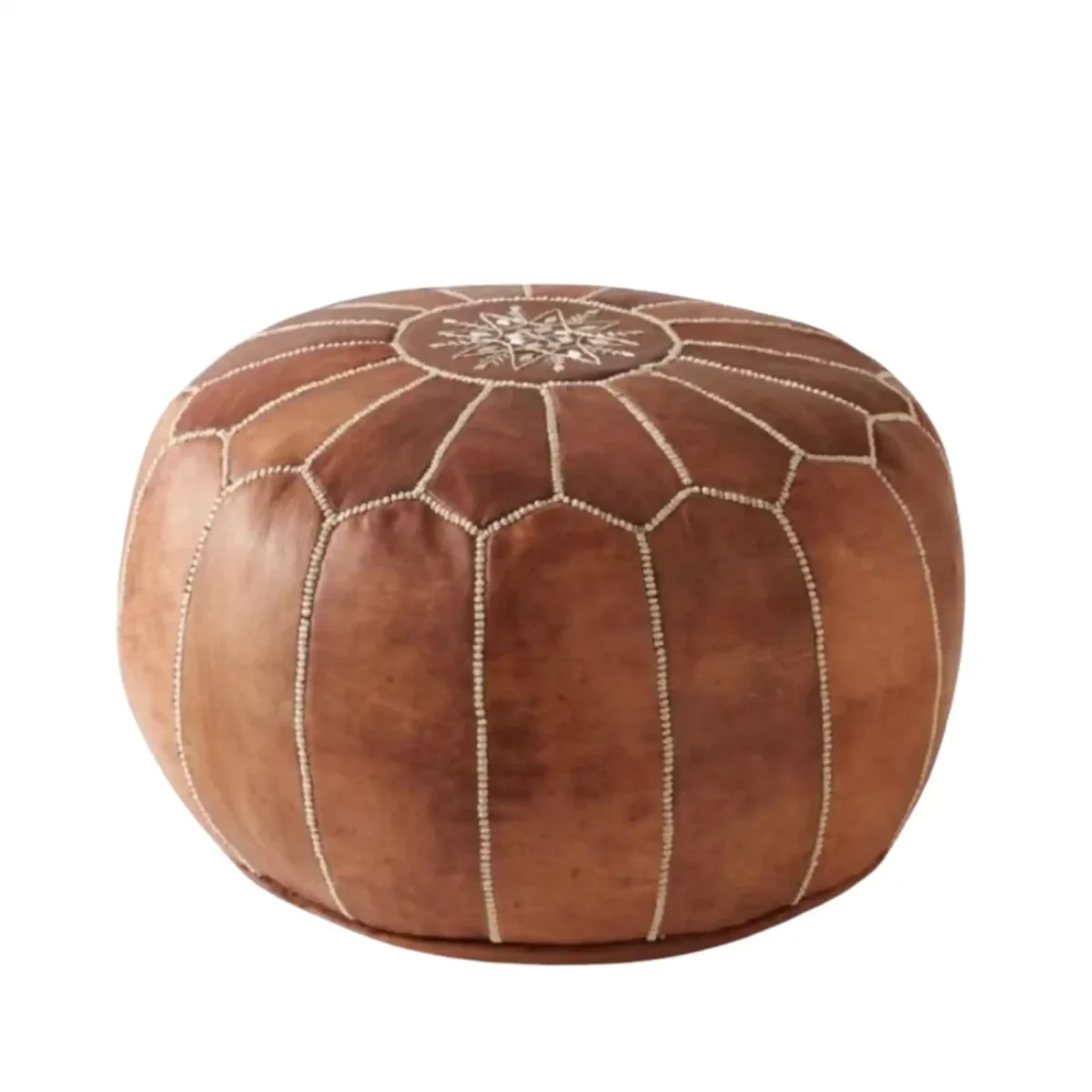
Out of stock
$138.00 Original price was: $138.00.$69.00Current price is: $69.00.
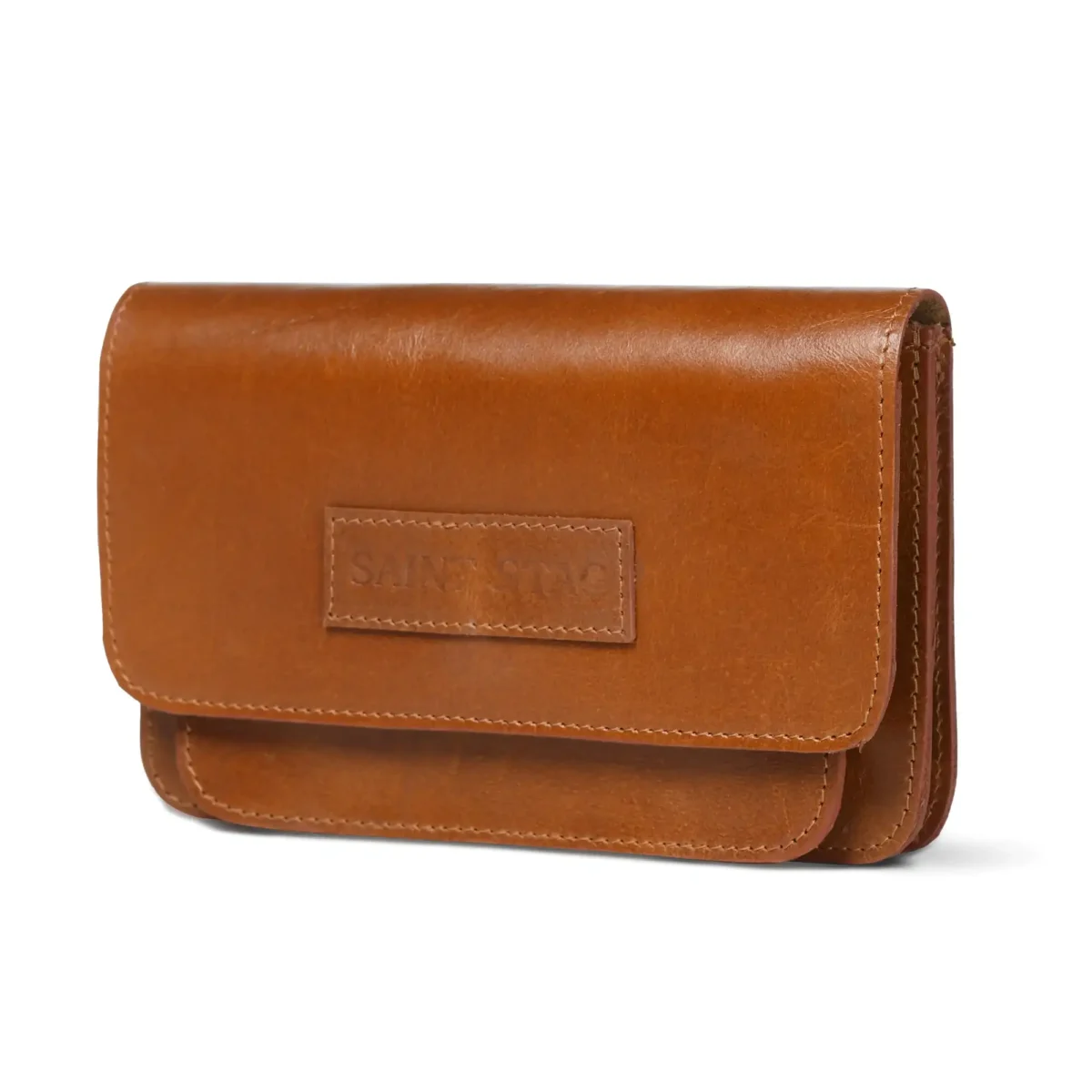
8 in stock
$84.00 Original price was: $84.00.$42.00Current price is: $42.00.
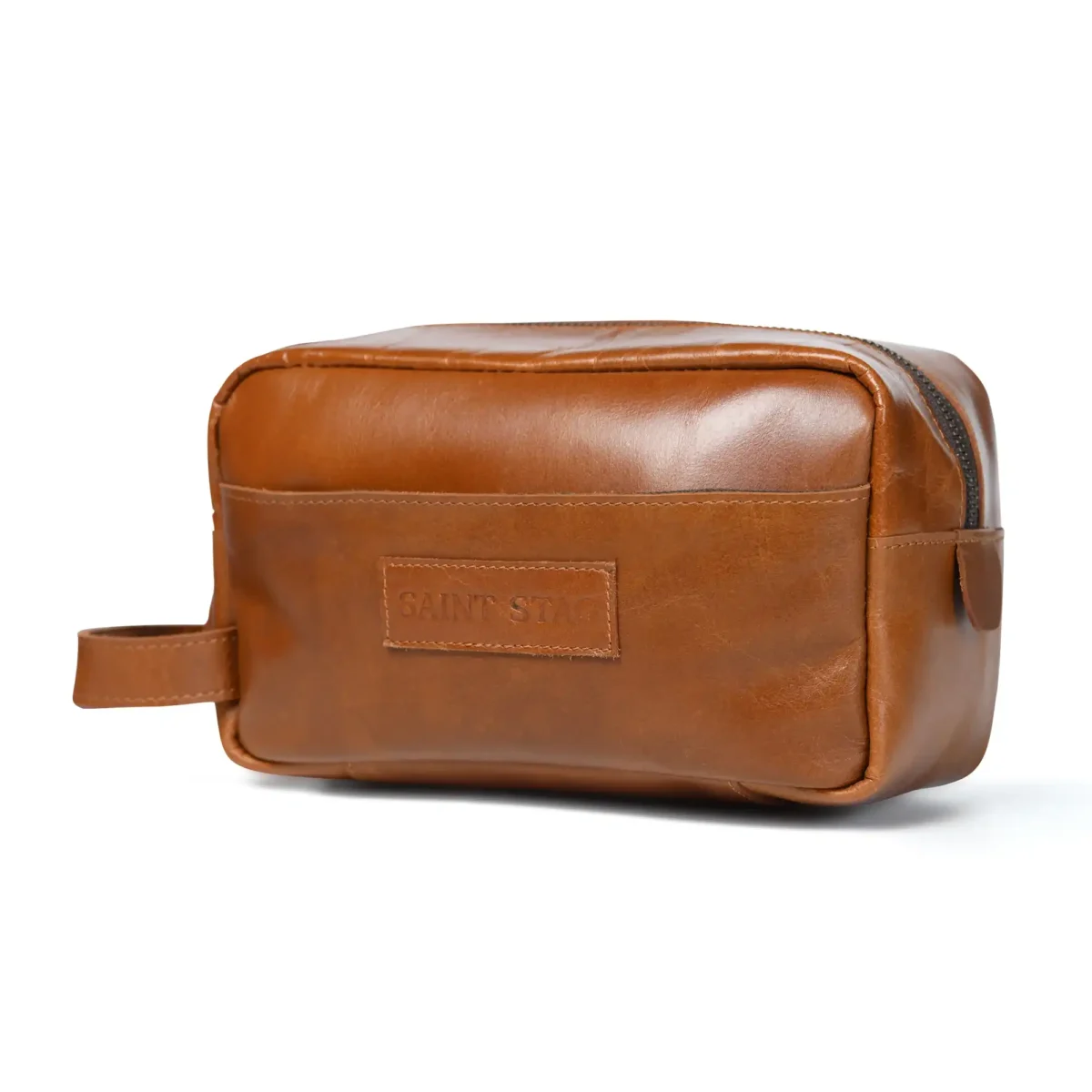
8 in stock
$90.00 Original price was: $90.00.$45.00Current price is: $45.00.
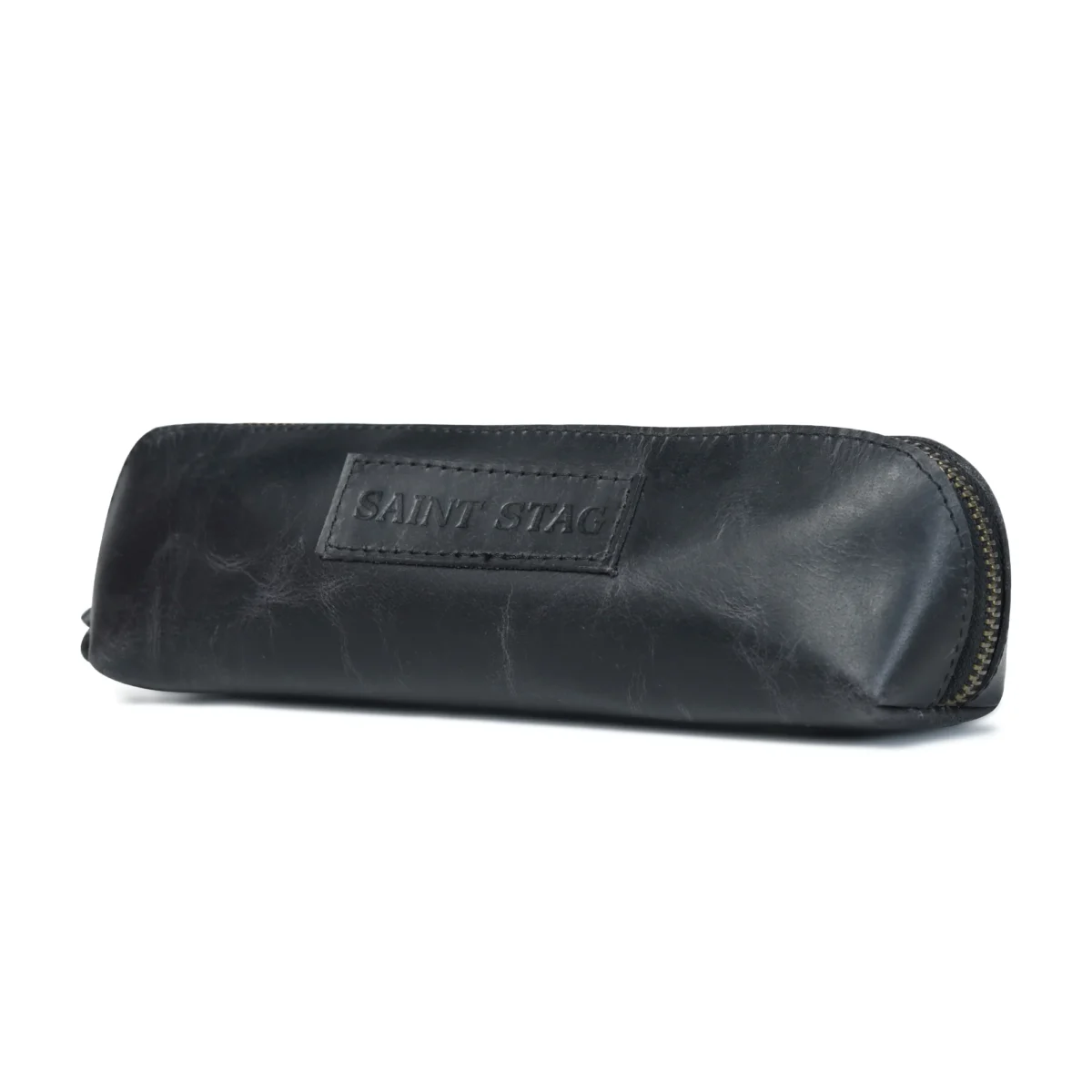
8 in stock
$70.00 Original price was: $70.00.$35.00Current price is: $35.00.
10 in stock
$130.00 Original price was: $130.00.$65.00Current price is: $65.00.
1 in stock
$98.00 Original price was: $98.00.$49.00Current price is: $49.00.