🚛 FREE SHIPPING | LIFETIME REPAIR WARRANTY | 20% Sale: “FASHION20”
Have you ever opened your cupboard to find an unwelcome guest on your beloved leather bag? That fuzzy, discolored patch is mold, and it’s a common problem. But don’t worry, you can save your cherished leather items. This guide will walk you through why mold appears, how to get rid of it, and how to keep it away for good. Protecting your high-quality leather goods, like those from Saint Stag, means understanding proper care.
Mold isn’t just unsightly; it’s a living organism. It thrives in specific conditions. Leather, being a natural material, is very susceptible to mold growth.Mold spores are everywhere around us. They are usually harmless. But when they land on a surface like leather, and the conditions are right, they begin to grow. The main culprits are humidity and poor airflow. If the air around your bag is too damp, mold will start to appear. Lack of ventilation means moist air stays trapped. This creates the perfect breeding ground for mold.Consider areas with high humidity, especially during monsoon seasons in India. This is prime time for mold. Storing bags in dark, damp places like unventilated wardrobes or basements also encourages mold. Any lingering moisture on the leather, perhaps from a spilled drink or rain, can also kickstart mold growth.
Sometimes, white spots on leather aren’t mold. It’s important to know the difference before you start cleaning. This helps you treat the problem correctly without damaging your bag.* Mold: Looks fuzzy, powdery, or slimy. It can be white, green, black, or grey. It often has a distinct musty smell. It usually spreads in patches.* Salt Stains: These look like white, crusty patches. They appear when moisture evaporates from leather, leaving behind salt from the leather-making process or from external sources. They are usually odorless and don’t feel fuzzy.* Wax Bloom (or ‘Repus’): This is common on vegetable-tanned leather. It looks like a white, cloudy film. It’s a natural process where waxes and oils in the leather come to the surface in cooler temperatures. It feels waxy, not fuzzy. You can usually buff it away with a soft cloth.If you see fuzzy growth and smell a musty odor, you are most likely dealing with mold.
Act fast when you spot mold. The longer it stays, the deeper it can penetrate the leather. This makes it harder to remove. Always test any cleaning solution on a small, hidden part of your bag first.
Before you start, protect yourself. Work in a well-ventilated area, preferably outdoors. Wear gloves and a face mask. Mold spores can affect your respiratory health.
This method works well for light mold.
Vinegar is a natural disinfectant and helps kill mold spores.
For more stubborn mold, rubbing alcohol can be effective.
Alcohol can be drying to leather. After this step, you may want to condition your bag once it’s completely dry.
Mold often leaves a musty smell.
Baking soda absorbs odors. You might need to repeat this step for strong smells.Once your bag is dry and clean, apply a good quality leather conditioner. This will help restore moisture and protect the leather. Use a product designed for your specific leather type.
Sometimes, the mold is too extensive. If the mold covers a large area, has penetrated deeply, or if it keeps returning, it’s best to seek professional help. A leather restoration specialist can safely treat severe mold without damaging your valuable bag.
Prevention is always better than cure. Following these steps will keep your leather goods, whether a stylish vintage leather messenger bag, a robust duffle bag, or a practical backpack, free from mold.
Maintain ideal humidity levels. Aim for 35-50% relative humidity. In humid climates, use a dehumidifier in your home or wardrobe. Place silica gel packets inside your bags or in storage areas. These small packets absorb excess moisture. Replace them regularly.
Do not store your bags in sealed plastic containers. This traps moisture and creates a perfect environment for mold. Instead, use breathable cotton dust bags. Keep your wardrobe or storage area well-ventilated. Occasionally, open your cupboards and allow fresh air to circulate.
* Breathable Dust Bags: Always store your leather bags in breathable cotton dust bags. Plastic bags are a big no-no.* Stuff Your Bags: Stuff your bags with acid-free tissue paper or old clothes. This helps them keep their shape and allows air to circulate inside.* Avoid Overcrowding: Don’t cram your bags into a tight space. Give them room to breathe.* Elevate Bags: If storing in a basement or garage, keep bags off the floor. Use shelves to avoid ground moisture.
Make it a habit to inspect your leather bags regularly, especially during humid months. Take them out of storage, wipe them down with a dry, soft cloth, and let them air out for a few hours. This simple routine can catch mold early or prevent it entirely. A quick wipe can remove dust and surface contaminants that mold feeds on.
During the monsoon season, take extra precautions. Increase ventilation, use more silica gel packets, and inspect your bags more frequently. You might also consider placing a small fan near your storage area for better air circulation.
Beyond damaging your bag, mold can impact your health. Exposure to mold spores can trigger allergies, asthma attacks, and other respiratory issues. Always wear gloves and a mask when cleaning mold. Ensure good ventilation to avoid inhaling spores. If you have severe mold, it’s safer to get professional help.
Your leather bags are an investment. They add style and functionality to your life. With the right care and preventative measures, mold doesn’t have to be a recurring nightmare. By understanding the causes, knowing quick fixes, and implementing smart prevention strategies, you can keep your beloved vintage leather messenger bag, duffle bag, or backpack looking pristine for years to come. Enjoy your beautiful leather worry-free!
Store leather bags in breathable cotton dust bags, not plastic. Stuff them with acid-free tissue paper to maintain shape and promote airflow. Keep them in a well-ventilated area with controlled humidity, ideally using silica gel packets or a dehumidifier, especially in humid climates.
No, never use bleach on leather. Bleach is too harsh and will damage, discolor, and degrade the leather permanently. Stick to gentler solutions like white vinegar or rubbing alcohol as recommended in this guide.
It’s good practice to wipe down your leather bags with a dry, soft cloth every few weeks, or after each use for everyday bags. Condition them every 3-6 months, or more often if they appear dry, to keep the leather supple and protected.
If your leather bag gets wet, wipe off as much surface moisture as possible with a clean, dry cloth. Stuff it lightly with paper to absorb internal moisture and help it keep its shape. Air dry it naturally in a well-ventilated room, away from direct heat or sunlight. Do not use a hairdryer.
No, the musty smell from mold is usually not permanent. After thoroughly cleaning the mold off the leather, use baking soda to absorb lingering odors. Place baking soda inside the bag and let it sit for a day or two, then vacuum it out. Repeat if necessary until the smell is gone.
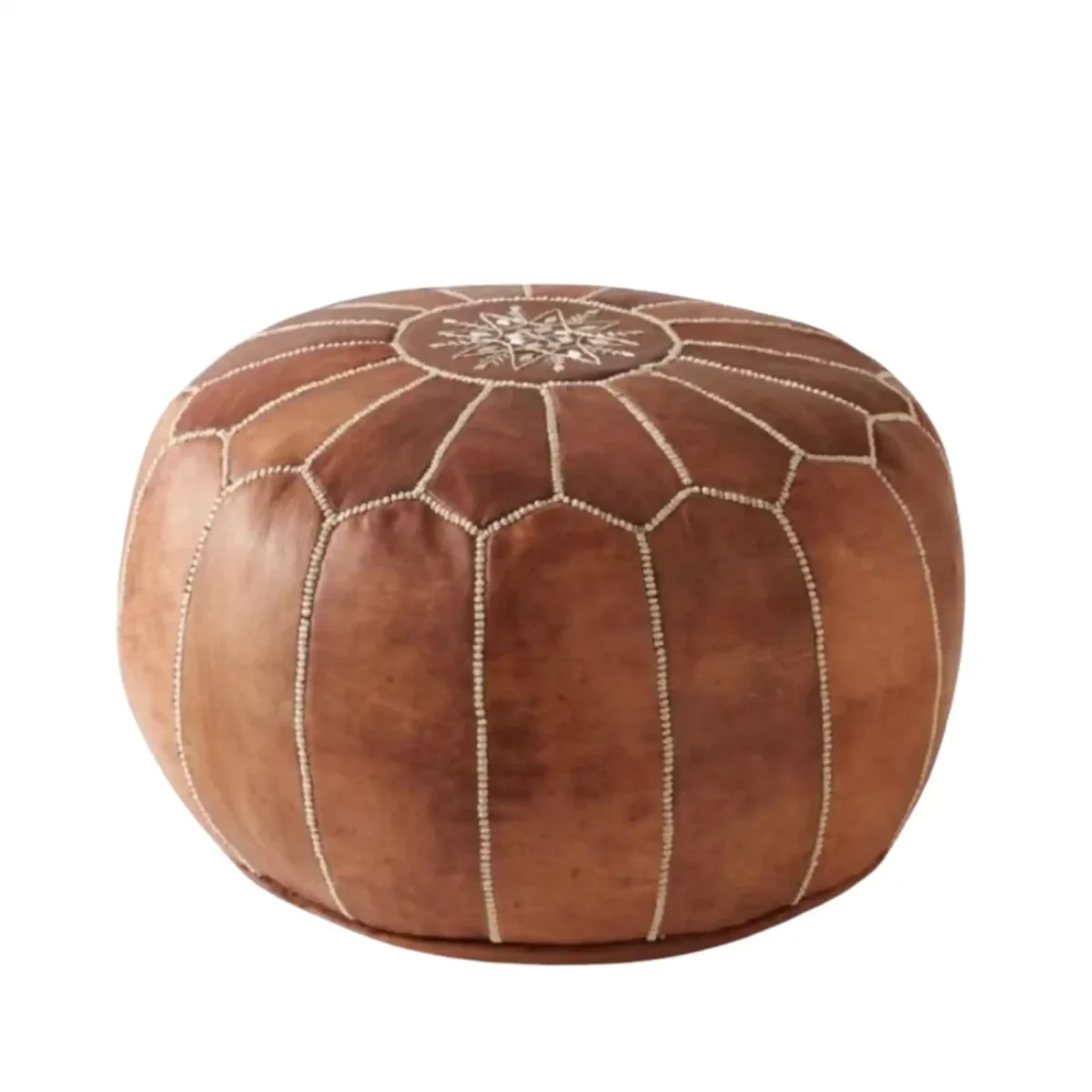
6 in stock
$138.00 Original price was: $138.00.$69.00Current price is: $69.00.
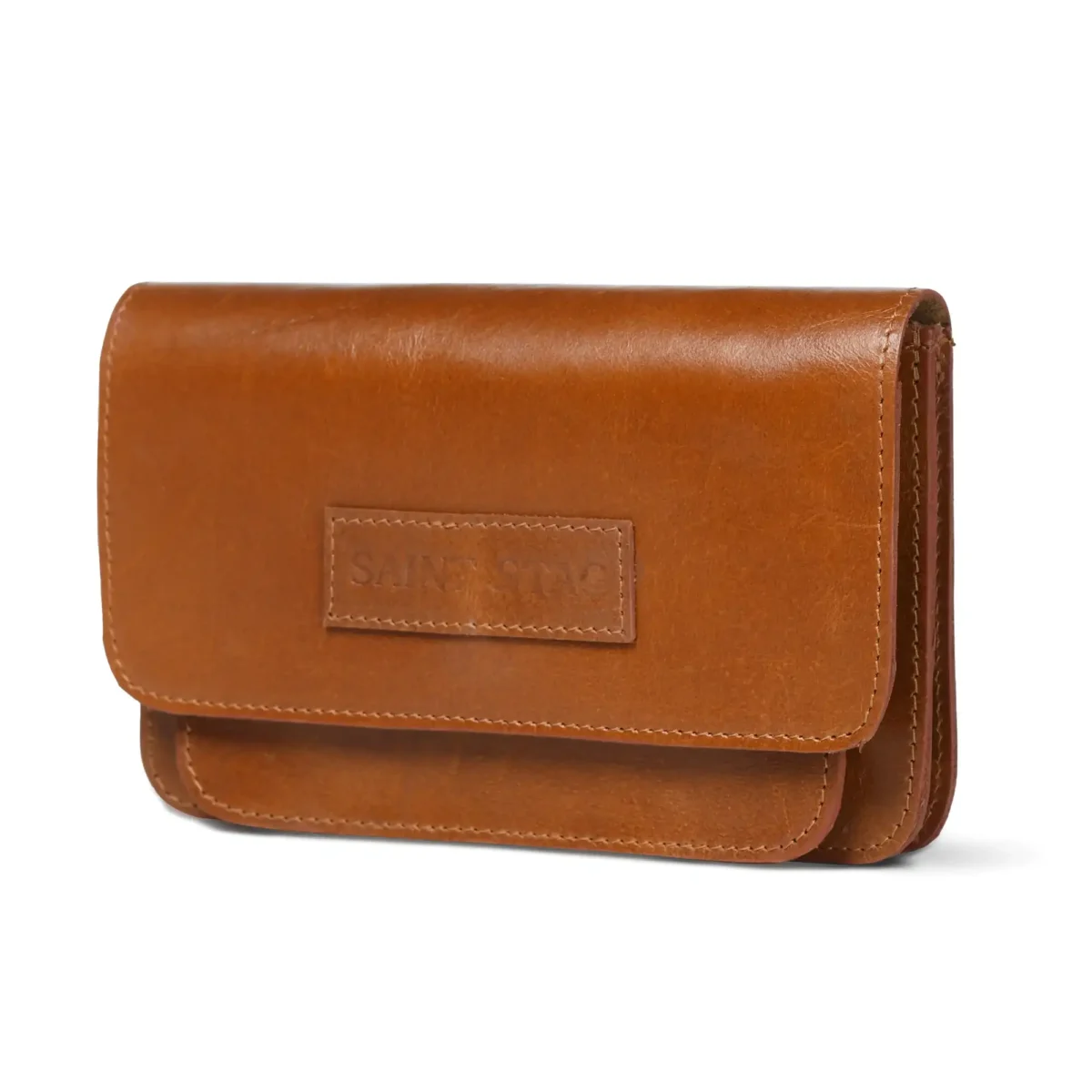
8 in stock
$84.00 Original price was: $84.00.$42.00Current price is: $42.00.
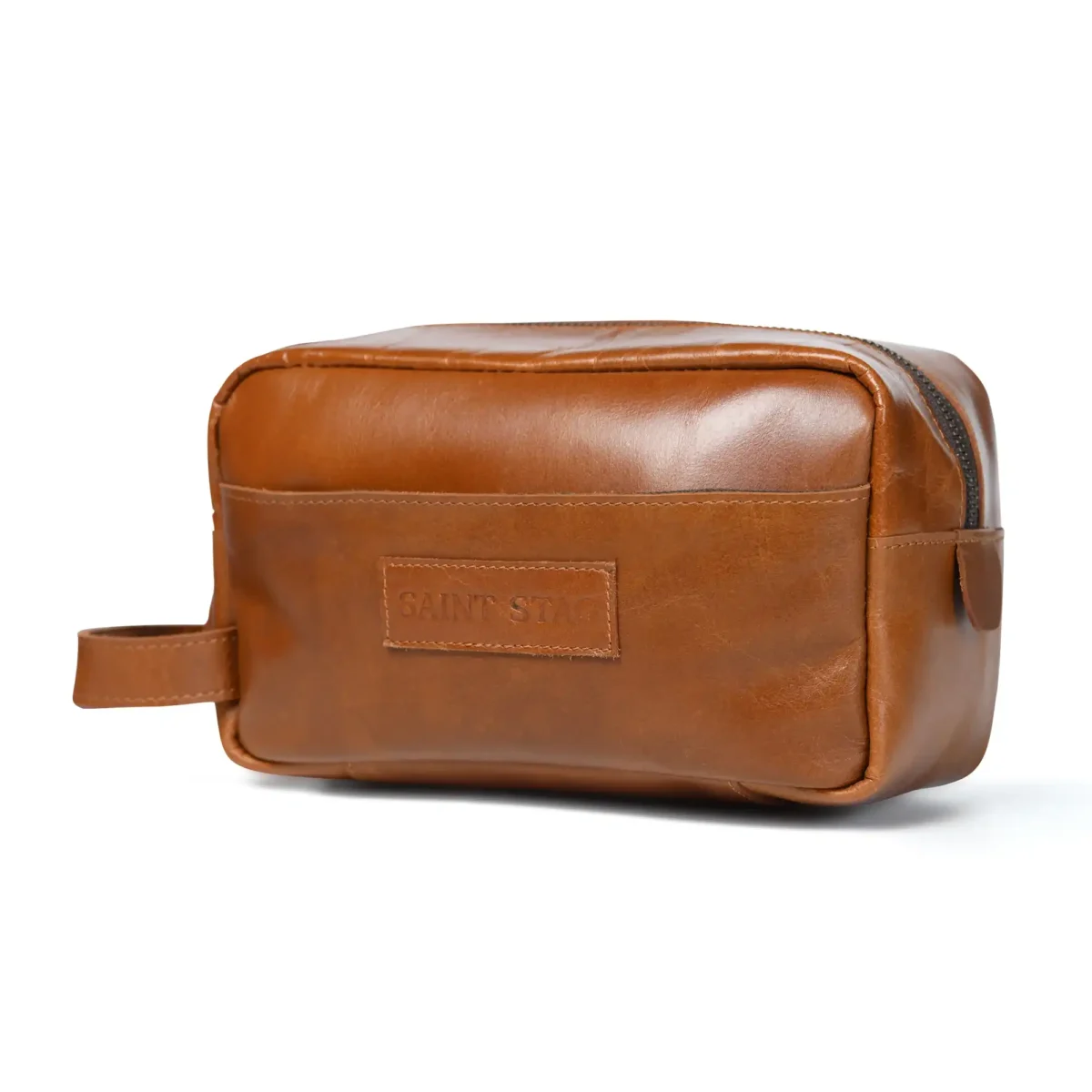
8 in stock
$90.00 Original price was: $90.00.$45.00Current price is: $45.00.
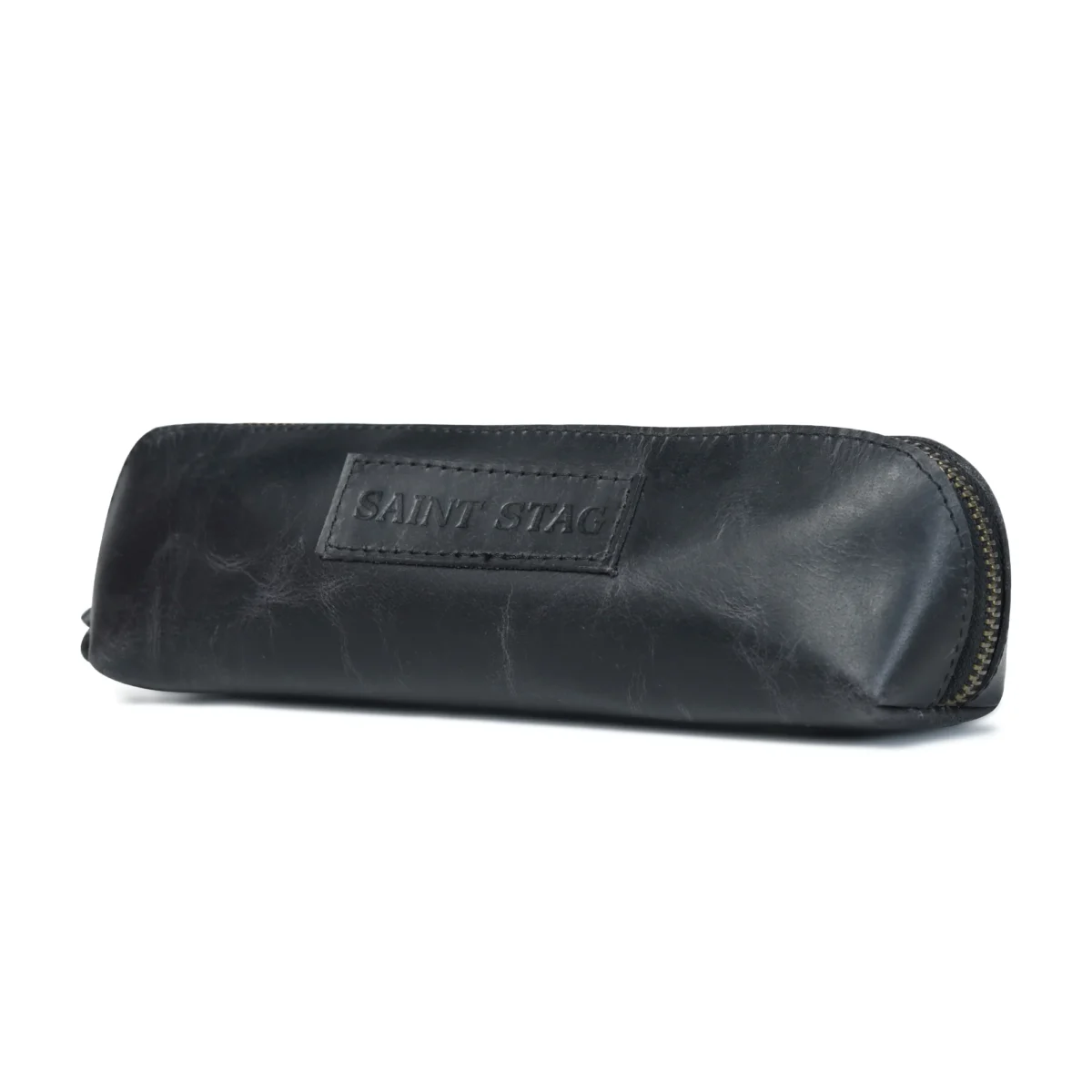
8 in stock
$70.00 Original price was: $70.00.$35.00Current price is: $35.00.
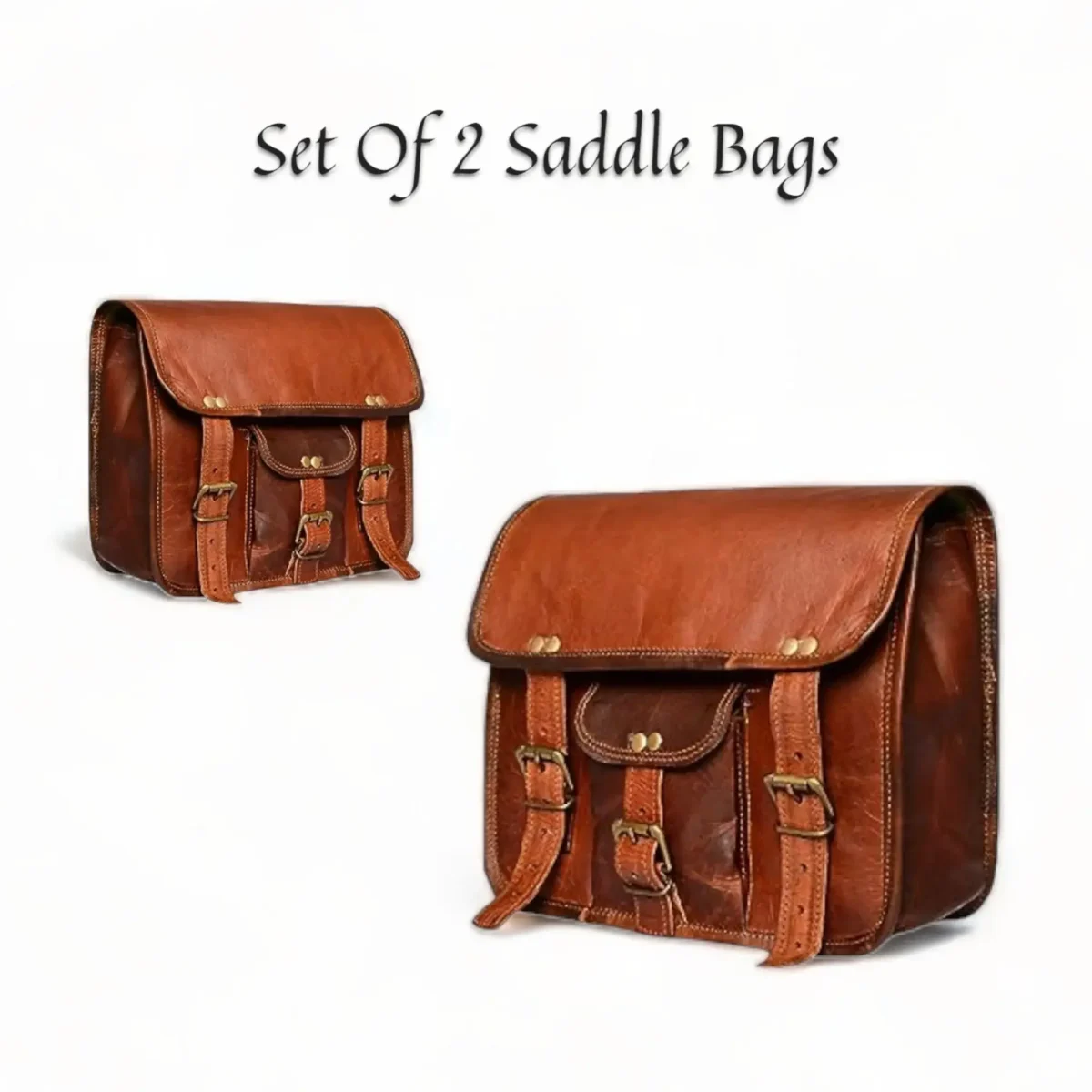
10 in stock
$130.00 Original price was: $130.00.$65.00Current price is: $65.00.
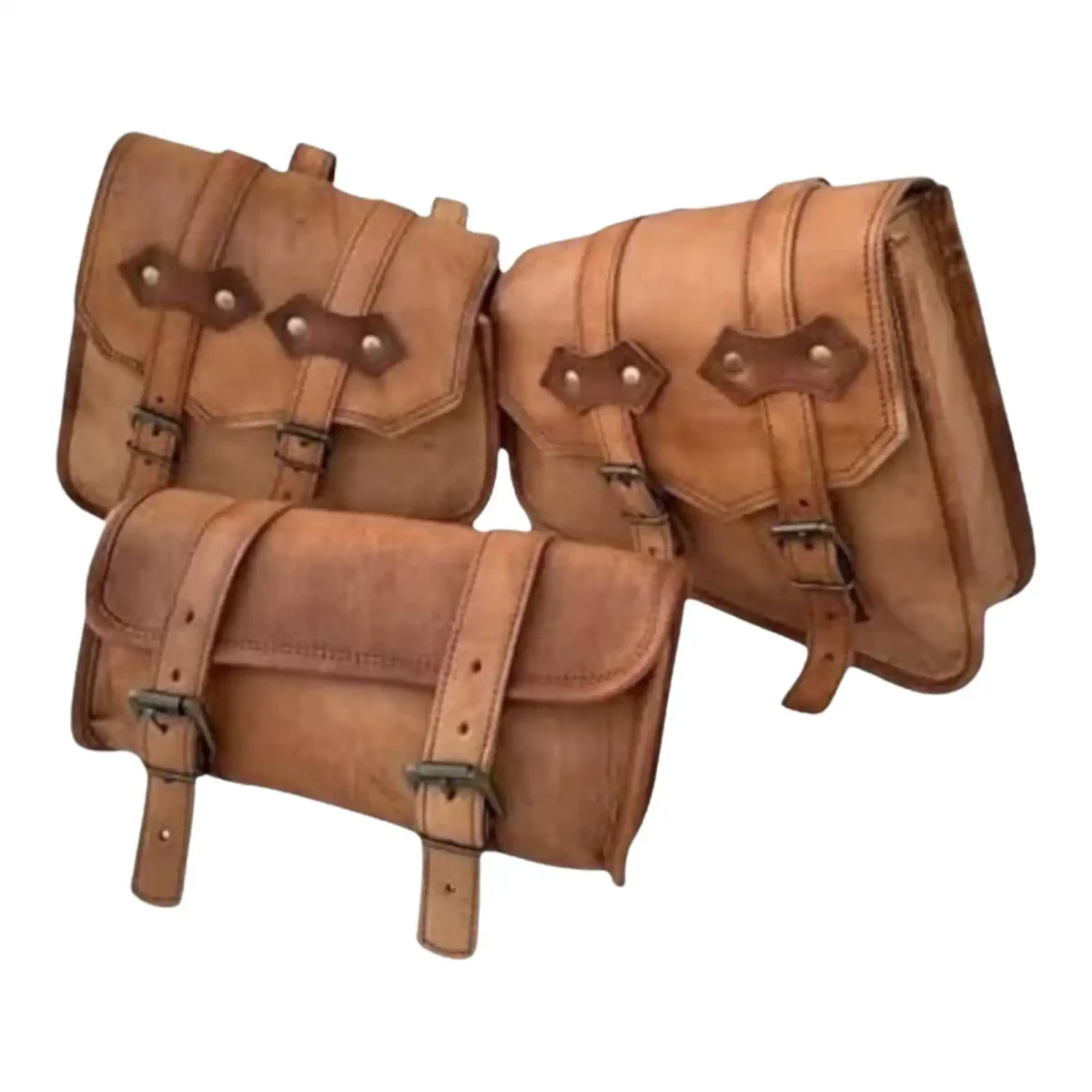
1 in stock
$98.00 Original price was: $98.00.$49.00Current price is: $49.00.