🚛 FREE SHIPPING | LIFETIME REPAIR WARRANTY | 20% Sale: “FASHION20”
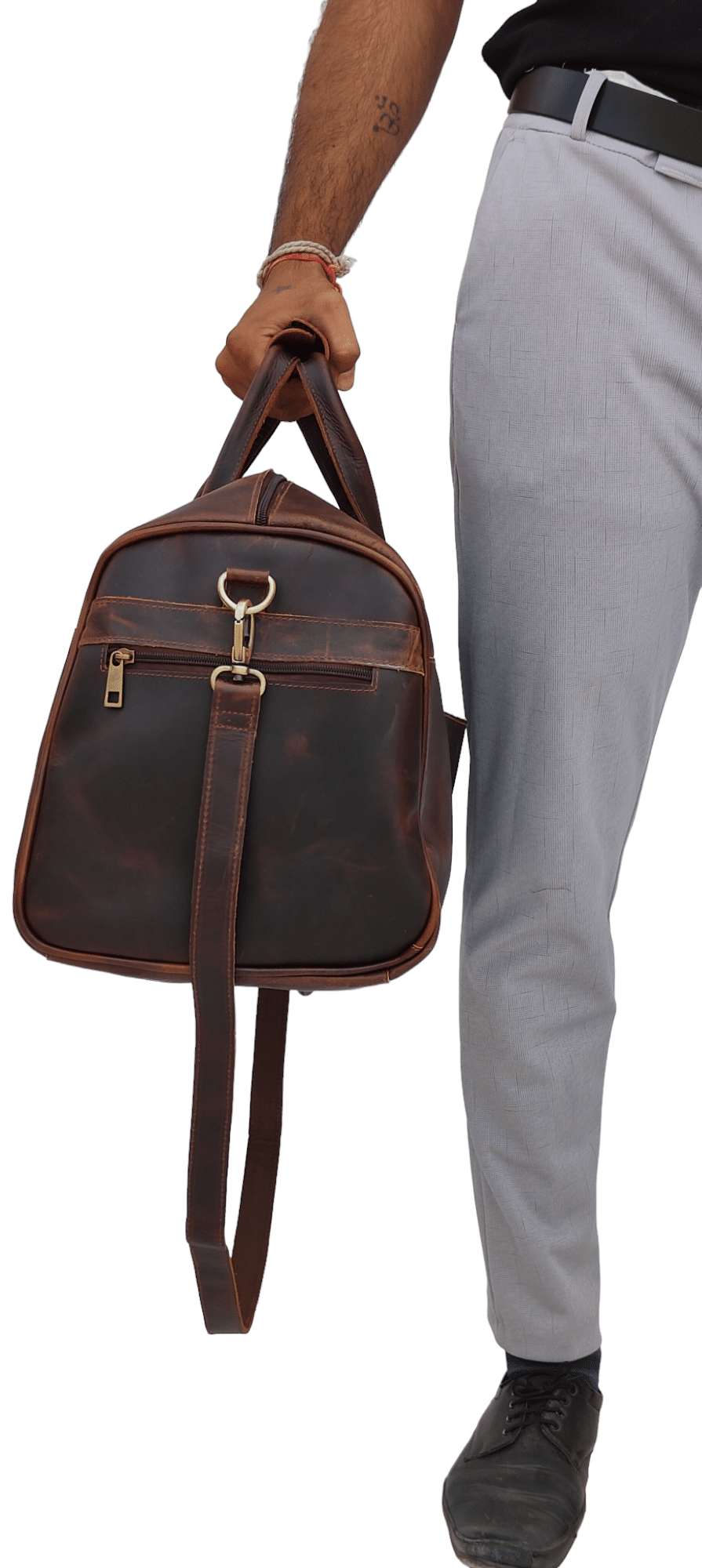
Do you worry about your beautiful leather bag getting ruined by an unexpected downpour, a humid day, or an accidental coffee spill? You’re not alone. Investing in a quality leather bag, especially a handcrafted Saint Stag piece, means you want it to last. Protecting your leather
isn’t just about keeping it looking good; it’s about preserving its integrity and story for years to come. This guide will show you simple, actionable ways to shield your cherished companion from the elements and everyday mishaps. Let’s ensure your leather remains as stunning and durable as the day you first got it.
The Imperative to Protect: Why Your Cherished Leather Bag Needs It
Your leather bag is more than just an accessory. It’s an investment, a reflection of your style, and for many Saint Stag owners, a handcrafted legacy. Protecting it ensures it continues to serve you beautifully.
The Value of Your Investment: A Handcrafted Legacy
The global leather goods market is immense, valued at over $498 billion annually. In the U.S. alone, consumers invest over $131 billion in leather products each year. This highlights the significant personal and financial value placed on items like your Saint Stag bag. These aren’t disposable items; they are crafted to endure. With proper care, your leather bag can last a lifetime, developing a unique patina that tells its own story. Protection is key to preserving this quality and ensuring it becomes a true heirloom.
Understanding the Threats: Rain, Humidity & Accidental Spills
Leather, while durable, is still a natural material. It reacts to its environment, and certain elements can cause irreversible damage. Knowing these threats helps you prepare effectively.
Rain’s Ravages: Water Spots, Stiffness & Shrinkage
Water is leather’s primary enemy. Rain can create unsightly water spots that are difficult to remove. Excess moisture can also strip away natural oils, causing the leather to become stiff, brittle, and even shrink as it dries. This diminishes both its appearance and lifespan.
The Silent Killer: Humidity, Mildew & Mold Growth
Humidity poses a more subtle, yet equally destructive, threat. In damp environments, leather can absorb moisture, creating a breeding ground for mold and mildew. These fungi not only stain the leather but can also degrade its fibers, leading to unpleasant odors and permanent damage. This is especially relevant in humid climates.
Everyday Hazards: Coffee, Ink & Other Spills
Life happens, and accidental spills are inevitable. Coffee, juice, ink, or even certain lotions can leave stubborn stains on your leather. These everyday incidents can quickly mar the surface, detracting from your bag’s aesthetic appeal. Prevention and quick action are crucial.
Foundation First: Essential Cleaning & Conditioning Before Protection
Before you apply any protective layer, your leather bag needs to be clean and well nourished. Think of it like preparing a canvas for painting; a good base ensures the best outcome.
A Clean Canvas: Gentle Cleaning Techniques for Leather
Start by gently wiping down your bag with a soft, dry cloth to remove any dust or loose dirt. For deeper cleaning, use a dedicated leather cleaner. Apply a small amount to a clean cloth, then wipe the leather in small sections using a circular motion. Always test cleaners on an inconspicuous area first. Never soak your leather bag or use harsh chemical cleaners, as these can strip natural oils or cause discoloration. Follow the product instructions carefully. A clean surface ensures your protective treatments can properly adhere and penetrate.
Nourish & Revitalize: The Role of Leather Conditioner
After cleaning, conditioning is vital. Leather conditioner replenishes the natural oils in the leather, keeping it supple and preventing it from drying out, cracking, or stiffening. It’s like moisturizer for your skin. Apply a small amount of high-quality leather conditioner to a clean, soft cloth. Gently rub it into the leather in circular motions, allowing it to absorb. Conditioning also prepares the leather to better accept and integrate protective treatments, enhancing their effectiveness.
Your Arsenal Against Moisture: Proven Protection Methods Explained
Once your bag is clean and conditioned, it’s time to add a protective barrier. There are several effective methods, each with its own benefits. Choosing the right one depends on your leather type and how you use your bag.
Waterproofing Sprays: The Quick & Convenient Shield to Protect Leather Bag from Rain
Waterproofing sprays create an invisible barrier on the surface of your leather. They are often silicone or polymer-based and designed to repel water, causing it to bead up and roll off. This makes them a popular choice for quick and easy protection.
Pros & Cons
Sprays offer quick application and often maintain the leather’s natural appearance without significantly altering its color or texture. They are breathable, allowing the leather to “breathe.” However, they typically require more frequent reapplication, especially after heavy exposure to rain. Some users worry about their long-term impact on leather’s breathability, though modern formulations are quite advanced.
Step-by-Step Application for Optimal Coverage
To apply a waterproofing spray, ensure your bag is clean and dry. Hold the can about 6-8 inches away from the leather surface. Apply an even, light mist, ensuring full coverage without oversaturating any one area. Allow the bag to dry completely in a well-ventilated space, away from direct sunlight or heat, before applying a second coat if desired. Always follow the product’s specific instructions.
When to Choose a Spray
Waterproofing sprays are excellent for general everyday use, light rain, or when you need quick protection before heading out. They are a good choice for bags you use frequently and for leathers where you want to preserve the original look and feel as much as possible. Consider them for lighter-colored leathers where darkening is a concern.
Leather Waxes & Balms: The Deep Barrier for Lasting Defense
Leather waxes and balms offer a more robust and longer-lasting protective barrier. These products, often made from natural ingredients like beeswax or carnauba wax, penetrate the leather fibers, creating a strong water-resistant seal. They also provide deep conditioning.
Pros & Cons
Waxes and balms offer heavy-duty protection and are less likely to require frequent reapplication. They deeply nourish the leather, often enhancing its richness and patina. However, they can slightly alter the leather’s finish, potentially darkening it or adding a subtle sheen. Application can also be more time-consuming than with a spray.
Application Guide for Waxes
Apply a small amount of wax or balm to a clean, soft cloth. Rub it into the leather in small circular motions, ensuring even coverage. You might need to use a bit of warmth (from your hands or a hairdryer on low) to help the wax melt and penetrate. After application, allow the wax to sit for 10-15 minutes, then buff off any excess with a clean, dry cloth until you achieve a smooth, even finish.
Ideal for Full-Grain & Crazy Horse Leather
Waxes and balms are particularly well-suited for durable leathers like full-grain and crazy horse leather, which Saint Stag frequently uses. These leathers benefit from the deep conditioning and robust protection. The slight darkening or enhanced patina often
complements the rugged, vintage aesthetic of Saint Stag bags, making them an excellent match.
Natural Oils (Mink Oil, Neatsfoot Oil): Traditional Protection with Conditioning Benefits
Traditional natural oils like mink oil or neatsfoot oil have been used for centuries to condition and protect leather. These oils deeply moisturize and add a degree of water resistance by saturating the leather fibers.
Pros & Cons
Natural oils offer excellent conditioning, making the leather incredibly soft and supple. They provide good water resistance and are natural products. The main drawback is that they almost always cause significant darkening of the leather, which might not be desirable for all bag types or colors. They also can leave a slightly oily residue if over-applied.
Cautions and Best Practices
Always perform a patch test on an inconspicuous area before applying natural oils to your entire bag. This allows you to see how the leather reacts and if the darkening is acceptable. Apply sparingly with a clean cloth, rubbing a very thin layer into the leather. Allow it to absorb fully, then buff off any excess. Over-application can make the leather greasy and attract dust.
Beyond Products: Smart Habits & Storage for Comprehensive Protection
Protection isn’t just about what you apply to your bag; it’s also about how you use and store it. Good habits complement your protective treatments, ensuring long-term durability.
Mindful Handling: Avoiding the Elements When Possible
The simplest protection is often avoidance. If heavy rain is in the forecast, consider using an umbrella or choosing a different bag for the day. While your Saint Stag bag is designed to be robust, minimizing direct exposure to harsh weather always helps. Carry a lightweight, foldable umbrella or a waterproof cover for unexpected showers.
The Art of Storage: Battling Humidity & Dust in Your Home
Proper storage is crucial, especially when your bag isn’t in use. How you store your leather bag can prevent issues like mold, dust accumulation, and loss of shape.
The Importance of Breathable Dust Bags
Always store your leather bag in a breathable dust bag (often provided with quality bags). Cotton or flannel dust bags allow air circulation, preventing moisture buildup. Avoid plastic bags or airtight containers, as these trap humidity and create the perfect environment for mold growth.
Air Circulation, Desiccants & Ideal Storage Environments
Store your bags in a cool, dry place with good air circulation. Avoid direct sunlight, which can fade and dry out leather. If you live in a humid area, consider using silica gel packets or other desiccants inside your bag or in your closet. These absorb excess moisture, helping to maintain a dry environment for your leather goods.
Tips for Humid Climates
Saint Stag’s origins in India give us a deep understanding of battling humidity. If you’re in a humid climate, regularly air out your bags by removing them from closets for a few hours. Keep wardrobe doors slightly ajar to encourage airflow. Consider a dehumidifier in your storage area if humidity is a constant concern. Periodically check your bags for any signs of mold, especially in seams and crevices.
Consistency is Key: Establishing a Regular Maintenance Routine
No protective treatment lasts forever. Regular maintenance is the cornerstone of long-term leather care. Establish a routine of cleaning, conditioning, and reapplying protection every few months, or more frequently if you use your bag often or in challenging conditions. Consistency will ensure your bag remains beautiful and protected.
Emergency Action: What to Do When Your Leather Bag Gets Wet (The “Oops!” Guide)
Despite your best efforts, sometimes accidents happen. If your Saint Stag bag gets unexpectedly wet, don’t panic! Acting quickly and correctly can minimize damage and help restore its beauty.
Immediate Steps: The Critical First Minutes After Exposure
The moment your bag gets wet, gently blot away as much surface moisture as possible with a clean, soft, absorbent cloth. Do not rub, as this can spread the water and push it deeper into the leather. Work quickly to absorb excess water without applying excessive pressure.
The Proper Drying Process: Airflow, Stuffing & Avoiding Heat
Once blotted, immediately stuff your bag with clean, dry paper or a towel to help it retain its shape and absorb internal moisture. Place the bag in a well-ventilated room, away from direct sunlight or any heat sources like radiators or hairdryers. Heat can cause leather to stiffen, crack, and shrink. Allow it to air dry naturally and slowly, turning it occasionally to ensure even drying. This process can take 24-48 hours.
Tackling Water Stains, Stiffness & Reshaping
After drying, you might notice water spots or stiffness. Re-condition the entire bag with a high-quality leather conditioner to restore suppleness. For water spots, a very light application of distilled water on a clean cloth can sometimes help to “feather out” the stain, blending it with the surrounding leather. Always follow up with conditioner. If the bag has lost its shape, continue to gently reshape it by hand while it’s still slightly damp during the drying process.
Addressing & Preventing Mold or Mildew After Moisture Exposure
If mold or mildew appears after moisture exposure, act swiftly. In a well-ventilated area, gently wipe away the mold with a cloth lightly dampened with a solution of equal parts white vinegar and water. For persistent mold, a commercial anti-fungal leather cleaner may be needed. After cleaning, ensure the bag is completely dry and re-condition it. Store it properly to prevent recurrence, as discussed earlier.
Preserving Your Saint Stag Investment: A Commitment to Longevity
Choosing a Saint Stag leather bag means you value quality, craftsmanship, and a unique vintage aesthetic. Our bags are made to last, and your commitment to protecting them extends that legacy.
How Protection Enhances Handcrafted Quality & Vintage Appeal
Every Saint Stag bag is a testament to skilled artistry. By protecting your leather, you’re not just preventing damage; you’re actively preserving the artisan’s work. This care allows the
leather to age gracefully, developing that distinctive, beautiful patina that enhances its vintage leather duffle appeal rather than degrading it. Protection helps maintain the richness of the leather, ensuring its character deepens over time.
Extending the Life of Your Saint Stag Messenger, Duffle, or Backpack
Whether it’s a sturdy messenger bag for daily commutes, a spacious duffle for travel, or a versatile backpack for adventures, Saint Stag products are designed for durability. Consistent protection and maintenance significantly extend their functional lifespan. This means your bag won’t just look good for years; it will remain a reliable, stylish companion through countless journeys and experiences, fulfilling its purpose as a lasting investment.
Specific Recommendations for Saint Stag Products
Given the robust full-grain and crazy horse leathers often used in Saint Stag bags, we highly recommend using a high-quality leather wax or balm for comprehensive protection. These products not only provide excellent water resistance but also deeply condition the leather, enhancing its natural richness and allowing it to develop a beautiful, unique patina that Saint Stag owners cherish.
FAQs
My Saint Stag bag just got caught in a heavy downpour. What’s the *absolute first thing* I should do to prevent permanent damage like water spots or stiffness?
The absolute first thing to do is gently blot the entire bag with a clean, dry, absorbent cloth to remove as much surface water as possible. Do not rub, as this can spread the moisture and push it deeper into the leather fibers. Quick action is key to minimizing water spot formation.
I love the natural, vintage look of my Saint Stag full-grain leather. Will waterproofing sprays or waxes alter its unique color, texture, or ability to develop a beautiful patina?
High-quality waterproofing sprays generally have minimal impact on color and texture, allowing patina to develop naturally. Leather waxes and balms, especially those with natural ingredients like beeswax, may slightly deepen the leather’s color and add a subtle sheen, which often enhances the vintage appeal of Saint Stag full-grain leather. Always test on a hidden area first.
Living in a humid climate like Florida, I’m constantly worried about mold. What are the best long-term storage solutions to protect my leather bags from mildew when I’m not using them regularly?
In humid climates, store your bags in breathable dust bags, not plastic. Ensure good air circulation in your closet or storage area. You can also place silica gel packets inside your bags or in the storage space to absorb excess moisture. Regularly airing out your bags for a few hours in a dry room also helps prevent mold growth.
There are so many leather protection products out there. Which
type is genuinely the most effective for *overall* protection against rain, humidity, and accidental spills for a bag I use daily?
For overall, robust protection, a high-quality leather wax or balm is often the most effective. These products create a deeper, longer lasting barrier against all forms of moisture and offer excellent conditioning benefits. While sprays are convenient, waxes provide more heavy-duty defense for daily use and diverse conditions.
My leather bag feels stiff and dry after accidentally getting wet. Can I fix this at home, or does water damage require professional restoration to avoid cracking?
You can often fix stiffness and dryness at home. After ensuring the bag is completely air-dried, generously apply a good quality leather conditioner. Work it into the leather in small sections, allowing it to absorb. Repeat if necessary. If the leather remains severely stiff, cracked, or shows extensive damage, professional restoration might be needed.
Conclusion: Embrace Every Journey with a Protected Saint Stag Companion
Your Saint Stag leather bag is designed to be a lifelong companion, accompanying you on countless adventures. By taking proactive steps to protect it from rain, humidity, and spills, you’re not just preserving its beauty; you’re ensuring its longevity. Embrace these simple yet effective strategies, and your cherished Saint Stag bag will continue to develop its unique character and stand the test of time, reflecting the enduring quality and craftsmanship you invested in. Care for it well, and it will serve you beautifully for years to come.
Out of stock
$138.00 Original price was: $138.00.$69.00Current price is: $69.00.
8 in stock
$84.00 Original price was: $84.00.$42.00Current price is: $42.00.
8 in stock
$90.00 Original price was: $90.00.$45.00Current price is: $45.00.
8 in stock
$70.00 Original price was: $70.00.$35.00Current price is: $35.00.
10 in stock
$130.00 Original price was: $130.00.$65.00Current price is: $65.00.
1 in stock
$98.00 Original price was: $98.00.$49.00Current price is: $49.00.