🚛 FREE SHIPPING | LIFETIME REPAIR WARRANTY | 20% Sale: “FASHION20”
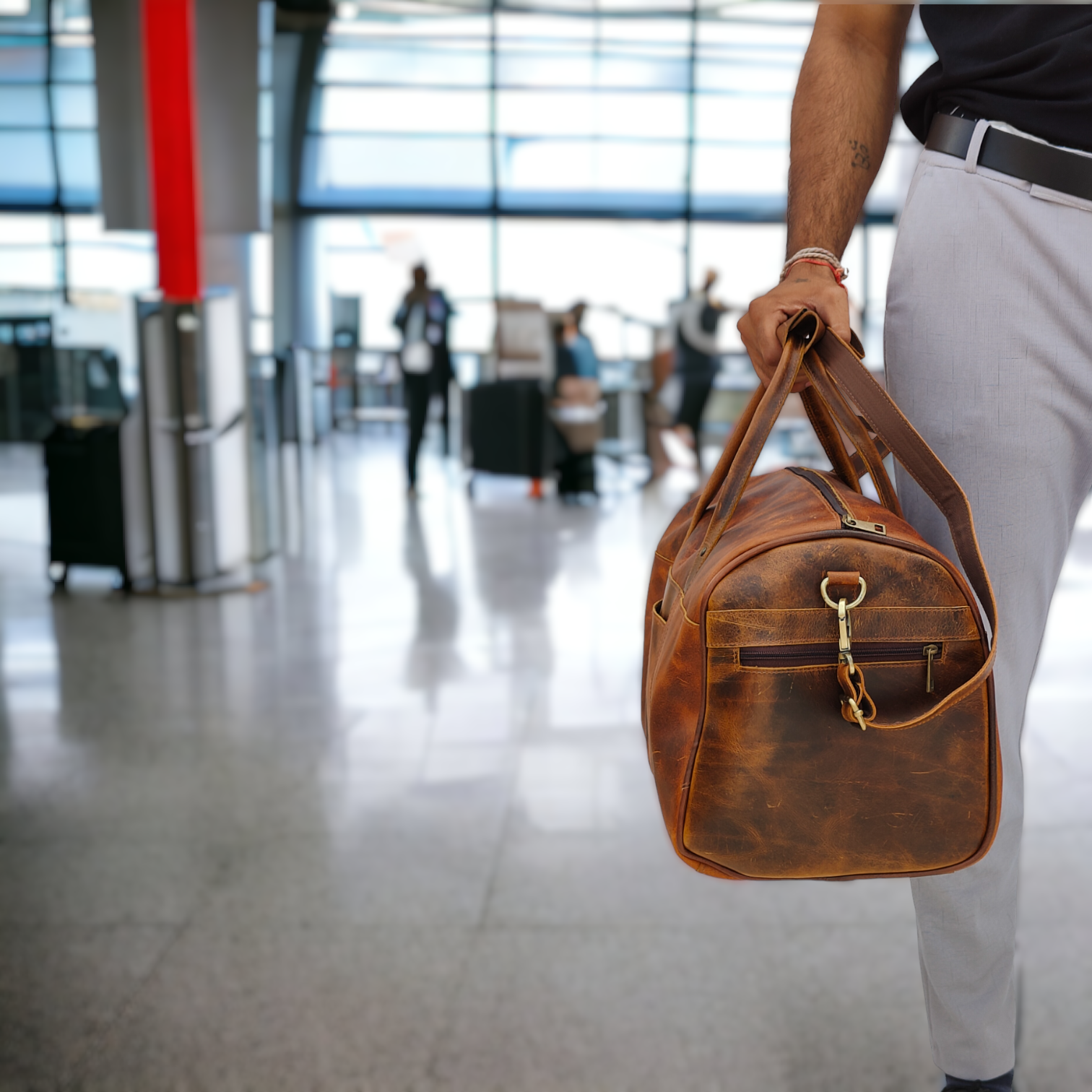
Do you own a beautiful vintage leather bag, filled with stories and character, but worry about how to clean it without losing its unique charm? It’s a common concern for many who cherish these timeless pieces. The fear of damaging that irreplaceable patina often stops us from giving our beloved bags the care they need. At Saint Stag, we understand the deep connection you have with your leather goods. We believe in quality, longevity, and respecting the material’s inherent beauty. This guide will walk you through safe, effective methods to clean your vintage leather bag at home, ensuring its patina, its story, remains perfectly intact. You can keep your cherished item looking its best for years to come.
Understanding Your Vintage Leather: A Prerequisite for Cleaning
Before you even think about cleaning, it’s vital to understand the type of leather your bag is made from. Different leathers react differently to cleaning agents and methods. This initial
assessment helps prevent accidental damage and ensures the preservation of its unique character.
Identifying Your Leather Type
Leather can be full-grain, top-grain, distressed, or vegetable-tanned, among others. Full grain leather retains the natural hide’s texture and develops a rich patina over time. Distressed leather is intentionally aged for a rugged look. Knowing your leather type helps you choose the gentlest approach for effective vintage leather bag maintenance.
What is Patina, Really?
Patina is not dirt; it’s a beautiful mark of age and history. It’s the soft sheen, darkening, and unique character that develops on natural leather over time through exposure to sunlight, oils from your skin, and everyday use. Patina tells the story of your bag’s journey, making each piece truly one-of-a-kind. Protecting it is central to caring for your vintage item.
Always Spot Test First!
This step is non-negotiable. Before applying any cleaner or conditioner to your entire bag, always test it on a small, inconspicuous area. An ideal spot might be the inside of a flap, the bottom of the bag, or an hidden seam. Wait a few hours to observe any adverse reactions like discoloration or damage before proceeding.
Essential Tools & Gentle Cleaning Agents
Gathering the right tools and choosing appropriate, mild cleaning agents are crucial for a successful cleaning process. Using the wrong products can strip away the natural oils and the cherished patina, so choose wisely. Remember, gentleness is key when working with aged leather.
Must-Have Tools
To begin, you will need a few basic items. Have several clean, soft cloths, preferably microfiber, on hand. A soft-bristle brush, like a clean toothbrush or an old makeup brush, is useful for gently removing dust from seams. Cotton swabs are perfect for intricate areas, and distilled water is recommended to avoid mineral deposits from tap water.
Safe Cleaning Agents
The goal is to clean without harming the leather’s integrity. Look for a mild leather cleaner that is pH-neutral and specifically designed for delicate or vintage leather. Some reputable brands offer excellent, gentle formulas. Alternatively, a small amount of mild saddle soap, used very sparingly and diluted, can be effective. A simple, gentle soap and water solution also works wonders. You can mix a few drops of baby soap or pure castile soap with distilled water. Ensure the solution is highly diluted. Always aim for the least aggressive cleaning method first, slowly increasing intensity only if necessary. This helps preserve the aged leather restoration.
What to Avoid Absolutely
Many common cleaning products are too harsh for vintage leather. Absolutely avoid abrasive cleaners, strong chemical solutions, alcohol-based products, and harsh detergents. Even seemingly innocent baby wipes often contain chemicals that can dry out or damage the leather over time, stripping its natural oils and patina. These can cause irreversible harm to your cherished old leather purse.
Step-by-Step Guide: Cleaning Your Vintage Leather Bag Safely
With your tools ready and your chosen cleaning agent tested, you can now proceed with the cleaning process. Approach each step with care and patience, remembering that a gentle touch is essential for preserving your bag’s unique character. Take your time to ensure thoroughness without rushing.
Prepare Your Bag
First, completely empty your bag of all its contents. Open all pockets, zippers, and flaps to ensure every part is accessible. Next, use a soft-bristle brush or a dry, soft cloth to gently brush off any loose dust, dirt, or debris from the exterior. This preliminary step prevents abrasive particles from scratching the leather during cleaning.
Surface Dust & Debris Removal
After emptying, give the bag a thorough but gentle once-over. Use your soft-bristle brush to sweep away crumbs, lint, and loose dirt from all surfaces, especially in crevices and along seams. Follow up with a dry microfiber cloth to wipe down the entire exterior, removing any lingering dust. This prepares the surface for a deeper clean.
The Gentle Cleaning Process
Dampen one of your soft cloths with the chosen mild leather cleaner or diluted soap solution. The cloth should be damp, not dripping wet, to avoid saturating the leather. Work in small sections, wiping the leather gently in circular motions. Focus on lifting dirt rather than scrubbing vigorously, which could damage the patina. After cleaning a section, use a separate, clean cloth lightly dampened with plain distilled water to wipe off any excess cleaning solution. This removes residue that could otherwise dry and dull the leather. Continue this process until the entire exterior of your vintage leather bag has been gently cleaned, preserving its aged look.
Interior Cleaning
For the interior lining, if it’s fabric, you can use a small handheld vacuum to remove dust and debris. If there are stains, a fabric spot cleaner designed for upholstery might work, but always spot test first. For leather-lined interiors, follow the same gentle cleaning steps as the exterior, ensuring very minimal moisture.
Drying the Bag
Once cleaned, allow your bag to air dry naturally. Never place it in direct sunlight, near a heat source, or use a hairdryer, as this can dry out and crack the leather. To help the bag maintain its shape while drying, you can lightly stuff it with acid-free tissue paper or crumpled paper, avoiding newspaper that could transfer ink. Let it dry completely for several hours or overnight.
Tackling Common Vintage Leather Issues (Patina Friendly Solutions)
Vintage leather bags often come with their own set of unique challenges beyond general dirt. Addressing specific stains requires a targeted approach, always prioritizing the protection of the leather’s natural patina. These methods help restore vintage leather without damage, keeping its history intact.
Water Stains
Water stains can sometimes leave a mark on leather. If you notice a fresh water stain, gently blot the area immediately with a clean, dry cloth. Do not rub. For older stains, slightly dampen the entire affected panel with a very fine mist of distilled water, then allow it to air dry naturally. This can sometimes help the stain blend in as the leather dries evenly.
Oil/Grease Stains
For oil or grease stains, immediate action is best. Sprinkle a small amount of absorbent powder, such as cornstarch or talcum powder, directly onto the stain. Let it sit for several hours, or even overnight, to absorb the oil. Gently brush off the powder with a soft brush. Repeat if necessary until the stain is visibly diminished. This method helps to pull the oil out without harsh scrubbing.
Mildew/Mold
Mildew or mold on leather requires careful attention. In a well-ventilated area, gently brush off any visible mold spores with a dry, soft brush. Then, lightly dampen a cloth with a diluted solution of white vinegar (1 part vinegar to 1 part distilled water) or rubbing alcohol. Spot test this solution first. Gently wipe the affected area, then immediately follow with a clean, damp cloth to remove residue, and allow to air dry completely.
Scuffs & Minor Scratches
Minor scuffs and scratches are often part of a vintage leather bag’s charm. For light scuffs, you can try gently buffing the area with a clean, dry finger or a soft cloth. The natural oils from your skin can sometimes help to smooth out the mark. For slightly deeper scuffs, a specialized leather balm or conditioner can often help to moisturize the area and make the scratch less noticeable, blending it with the existing aged leather.
Conditioning Your Vintage Leather: Restoring Suppleness & Protecting Patina
After cleaning, conditioning is a vital step in caring for your vintage leather bag. It replenishes essential oils, keeping the leather soft and pliable. Proper conditioning also acts as a protective barrier, helping to preserve that cherished patina and extend the life of your bag. This is key for effective leather conditioning.
Why Condition?
Over time, and especially after cleaning, leather can lose its natural oils. This can lead to it becoming dry, stiff, and prone to cracking. Conditioning restores these oils, ensuring the leather remains supple and resilient. It also nourishes the material, which in turn helps to maintain the depth and richness of its patina, preventing it from looking dull or faded.
Choosing the Right Conditioner
Select a high-quality leather conditioner specifically formulated for aged or vintage leather. Look for products that are natural, non-silicone, and free from harsh chemicals or dyes. Some excellent options include those made with natural leather oils like mink oil or lanolin. Always check product reviews and ensure it’s suitable for your specific leather type.
Application Method
Apply a small amount of conditioner onto a clean, soft cloth. Work it into the leather in small sections, using gentle circular motions. A little goes a long way, so avoid over-applying. Allow the conditioner to penetrate the leather for about 10-15 minutes, then use a separate clean, dry cloth to gently buff off any excess, revealing a soft, healthy sheen. This helps with care for old leather purse.
Beyond Cleaning: Long-Term Care & Patina Preservation
Cleaning is just one part of keeping your vintage leather bag in pristine condition. Long-term care involves preventative measures and smart storage solutions. By consistently protecting your bag, you ensure its unique patina continues to deepen beautifully and its structural integrity remains strong for generations.
Proper Storage
When not in use, store your bag in a cool, dry place away from direct sunlight and extreme temperatures. High humidity can encourage mold growth, while excessive dryness can cause cracking. Always use a breathable dust bag to protect it from dust and scratches. Stuff the bag lightly with acid-free tissue paper to help it retain its shape and prevent creasing.
Protection from Elements
Leather, especially vintage leather, is susceptible to damage from environmental factors. Avoid exposing your bag to prolonged direct sunlight, which can fade its color and dry out the leather. Protect it from heavy rain or snow; if it does get wet, blot it dry immediately and allow it to air dry naturally. Be mindful of placing it on rough surfaces that could cause scratches.
Regular Maintenance
Beyond deep cleaning, regular, light maintenance is crucial. Give your bag a quick wipe down with a soft, dry cloth periodically to remove surface dust. Depending on use and climate, a light conditioning every 3-6 months can keep the leather supple. This consistent attention ensures your leather bag remains a timeless accessory, showcasing its beautiful patina.
When to Seek Professional Help
While DIY vintage leather cleaning is often effective, some issues require expert intervention. If your bag has severe damage such as deep tears, extensive cracking, stubborn stains you can’t remove, or widespread mold and mildew, it’s best to consult a professional leather restorer. They have specialized tools and knowledge to handle complex restoration projects without compromising the patina.
Conclusion: Cherish and Preserve Your Saint Stag Legacy
Caring for your vintage leather bag is a rewarding process that honors its history and extends its future. By following these gentle, practical strategies, you can confidently clean and maintain your cherished item at home, without ever risking that precious, unique patina. It’s about more than just cleanliness; it’s about preserving a legacy. At Saint Stag, we design our handcrafted leather goods to develop their own beautiful patinas over time, just like the vintage pieces you adore. Our commitment to quality ensures that with proper care, your Saint Stag bag will become a treasured heirloom. Explore our collection and discover a bag designed to age gracefully with you, telling your unique story for years to come.
FAQ Section
Can I use regular soap and water to clean my vintage leather bag, or will it ruin the patina?
Using regular soap and water is generally not recommended as it can be too harsh. Many household soaps contain detergents that strip natural oils and can damage the patina. Instead, opt for a highly diluted mild soap solution, like baby soap or castile soap, or a pH neutral leather cleaner specifically designed for delicate leather. Always spot test first.
My vintage leather bag has mold. How do I remove it safely without damaging the leather or its aged look?
To remove mild mold, gently brush off loose spores with a soft, dry brush in a well-ventilated area. Then, use a cloth lightly dampened with a diluted white vinegar solution (1:1 with distilled water) or rubbing alcohol to wipe the affected area. Follow with a clean, damp cloth to remove residue, and allow the bag to air dry completely away from direct heat.
What’s the best way to condition an old leather bag after cleaning to keep it soft but not change its vintage feel?
After cleaning, apply a small amount of a natural, non-silicone leather conditioner specifically formulated for vintage or aged leather. Use a clean cloth to gently massage it into the leather in circular motions. Allow it to soak in, then buff off any excess with a dry cloth. This restores suppleness without altering the unique vintage feel or patina.
I’m worried about trying to clean my expensive vintage bag myself. When is it better to take it to a professional?
If your vintage bag has significant damage such as deep cracks, extensive tears, widespread mold, or very stubborn stains, it’s best to consult a professional leather restorer. They have the expertise and specialized tools to address these issues without causing further harm, ensuring the bag’s integrity and patina are preserved.
How can I prevent my vintage leather bag from getting dirty or damaged in the first place, especially to protect its unique patina?
Preventative care is key. Store your bag in a breathable dust bag, stuffed to maintain its shape, in a cool, dry place away from direct sunlight and extreme temperatures. Avoid exposing it to rain or harsh chemicals. Regularly wipe it down with a soft, dry cloth and apply a light conditioner every few months to keep the leather protected and supple.
Out of stock
$138.00 Original price was: $138.00.$69.00Current price is: $69.00.
8 in stock
$84.00 Original price was: $84.00.$42.00Current price is: $42.00.
8 in stock
$90.00 Original price was: $90.00.$45.00Current price is: $45.00.
8 in stock
$70.00 Original price was: $70.00.$35.00Current price is: $35.00.
10 in stock
$130.00 Original price was: $130.00.$65.00Current price is: $65.00.
1 in stock
$98.00 Original price was: $98.00.$49.00Current price is: $49.00.