🚛 FREE SHIPPING | LIFETIME REPAIR WARRANTY | 20% Sale: “FASHION20”
The difference between a genuine leather bag and a faux leather bag is not always obvious in a product photo or even in-store when the lighting is flattering. Faux leather has improved significantly over the past decade, and some synthetic bags are deliberately made to look convincingly real at first glance. The quality gap becomes clear within a year or two of regular use.
Knowing how to tell the difference before you buy saves you from spending serious money on something that will crack, peel, or look worn out long before a genuine leather bag would. This guide walks through the most reliable ways to identify genuine leather and the specific signs that indicate you are looking at a synthetic alternative.
Faux leather bags are sometimes labeled as vegan leather, PU leather, synthetic leather, or leatherette. These are different names for the same category: synthetic or coated fabric designed to look like leather. There is nothing inherently wrong with choosing faux leather if that is a deliberate decision. The problem is when a buyer pays for genuine leather and receives something else.
The fastest way to identify whether a bag is genuine leather is to read the label or product description carefully. Look for the words synthetic, polyester, polyurethane (PU), leatherette, or vegan leather. Any of these terms means the bag is not made from animal hide.
Genuine leather products should state the type: full-grain, top-grain, nubuck, or suede. If a bag is described simply as “leather” with no further detail, ask the retailer or check the inner label. Many brands apply a small leather-grade label to the inside of genuine leather products.
Be cautious about the term “genuine leather.” This phrase sounds reassuring but actually describes one of the lowest quality grades of real leather, made from the lower, less durable layers of the hide. It confirms the material is real animal leather, but not that it is high quality.
Genuine leather feels soft, slightly supple, and has a natural give when you press it. Hold the material between your fingers and apply light pressure. Real leather will compress and then slowly return, similar to how your own skin behaves under pressure.
Faux leather feels stiffer and more plastic-like. It tends to feel cold to the touch and does not warm up in your hands the way genuine leather does. The surface of faux leather feels smooth and consistent, almost manufactured. Genuine leather has natural variations in texture across the surface.
Press your thumb firmly into the material. Genuine leather wrinkles naturally under pressure, with the surface creasing in an irregular, organic pattern. Faux leather either does not wrinkle at all or wrinkles in a way that looks forced and unnatural.
This is one of the most reliable tests available, and it costs nothing. Genuine leather has a distinctive, earthy smell that is difficult to replicate. It comes from the tanning process and the natural composition of the hide.
Faux leather smells like plastic or chemicals. Even high-quality faux leather, when held close, has a processed, artificial smell rather than an organic one. If a bag you are considering smells like a new shower curtain or has no real smell at all, it is almost certainly synthetic.
Look closely at the grain pattern on the surface of the bag. Genuine leather has natural imperfections: small variations in the grain, tiny scars, stretch marks, or variations in the pore depth across different sections. No two pieces of genuine leather are identical.
Faux leather has a surface that is perfectly uniform. The pore pattern repeats in a regular, manufactured way. If you look at a section of the surface and the grain pattern tiles identically across the whole area, you are looking at a synthetic material.
The edges of genuine leather tell the same story. Real leather has rough, slightly fibrous edges where it has been cut. Faux leather has clean, uniform edges that look machine-cut with no natural variation. If the edge of a panel looks too clean and consistent, it was likely cut from a synthetic sheet rather than a piece of hide.
Apply a few small drops of water to an inconspicuous area of the bag. Genuine leather absorbs water and darkens slightly in colour at the point of contact. The moisture is pulled into the fibres of the material. The darkening is temporary and fades as the leather dries.
Faux leather repels water. The drops will bead up and sit on the surface rather than soaking in. This is because synthetic materials do not have the porous fibre structure of genuine leather.
Note that heavily coated or treated leather may also repel water initially. If this test is inconclusive, use it alongside the feel test and the smell test rather than relying on it alone.
Genuine leather is more expensive to produce than synthetic alternatives. A full-grain leather bag that costs the same as a fast-fashion tote should raise a question. Genuine leather involves sourcing quality hides, professional tanning processes, and skilled cutting and stitching. These costs are reflected in the final price.
This does not mean every expensive bag is made from genuine leather. But if a bag is priced at a level that seems too good for the quality claimed, check the other indicators. Faux leather can be manufactured at a fraction of the cost of genuine leather, and that cost difference usually shows up in the retail price.
The most obvious difference between genuine and faux leather often only becomes apparent after six months to a year of regular use.
Genuine leather, particularly full-grain leather, softens and develops character with use. The surface develops a patina that becomes more distinct over time. High-use areas like the handles and corners develop a natural wear pattern. The bag looks better with age rather than worse.
Faux leather does not age the same way. It tends to crack and peel along stress points, particularly at fold lines, corners, and handle attachment points. The surface coating separates from the backing material. Once faux leather starts to peel, there is no repair that restores it.
For proper care of genuine leather bags, Saint Stag’s leather care guide covers the routine maintenance that keeps full-grain leather in excellent condition for years.
Is faux leather completely waterproof while genuine leather is not? Faux leather repels water better initially because it has no porous surface structure. However, genuine leather treated with conditioning oils or wax coatings offers good water resistance for most everyday use, including light rain. Neither material is fully waterproof for submersion.
Can high-quality faux leather last as long as genuine leather? High-quality polyurethane faux leather will outlast low-grade genuine leather. But compared to full-grain or top-grain genuine leather, no current faux leather offers comparable longevity under daily use. Faux leather typically shows cracking and peeling at stress points within two to five years of regular use.
Is “vegan leather” the same as faux leather? Yes. Vegan leather, PU leather, synthetic leather, leatherette, and faux leather are all terms for non-animal-hide materials made to resemble leather. The material varies by brand but is commonly polyurethane or polyvinyl chloride applied to a fabric backing.
Why does some genuine leather peel or crack? Genuine leather does not peel or crack the way faux leather does. If you see peeling, it means the bag is made from bonded leather (scraps and adhesive pressed into sheets) or has a surface coating that is separating. Bonded leather is a low-grade product and should not be confused with full-grain or top-grain leather.
The gap between genuine and faux leather is most obvious in how each material responds to daily use over time. A genuine full-grain leather bag from a quality maker will outlast multiple faux leather replacements, and it will look better as it ages rather than worse.
Browse Saint Stag’s range of full-grain leather briefcases and bags to see the quality difference first-hand. Every bag is made from vegetable-tanned full-grain leather with no synthetic shortcuts.
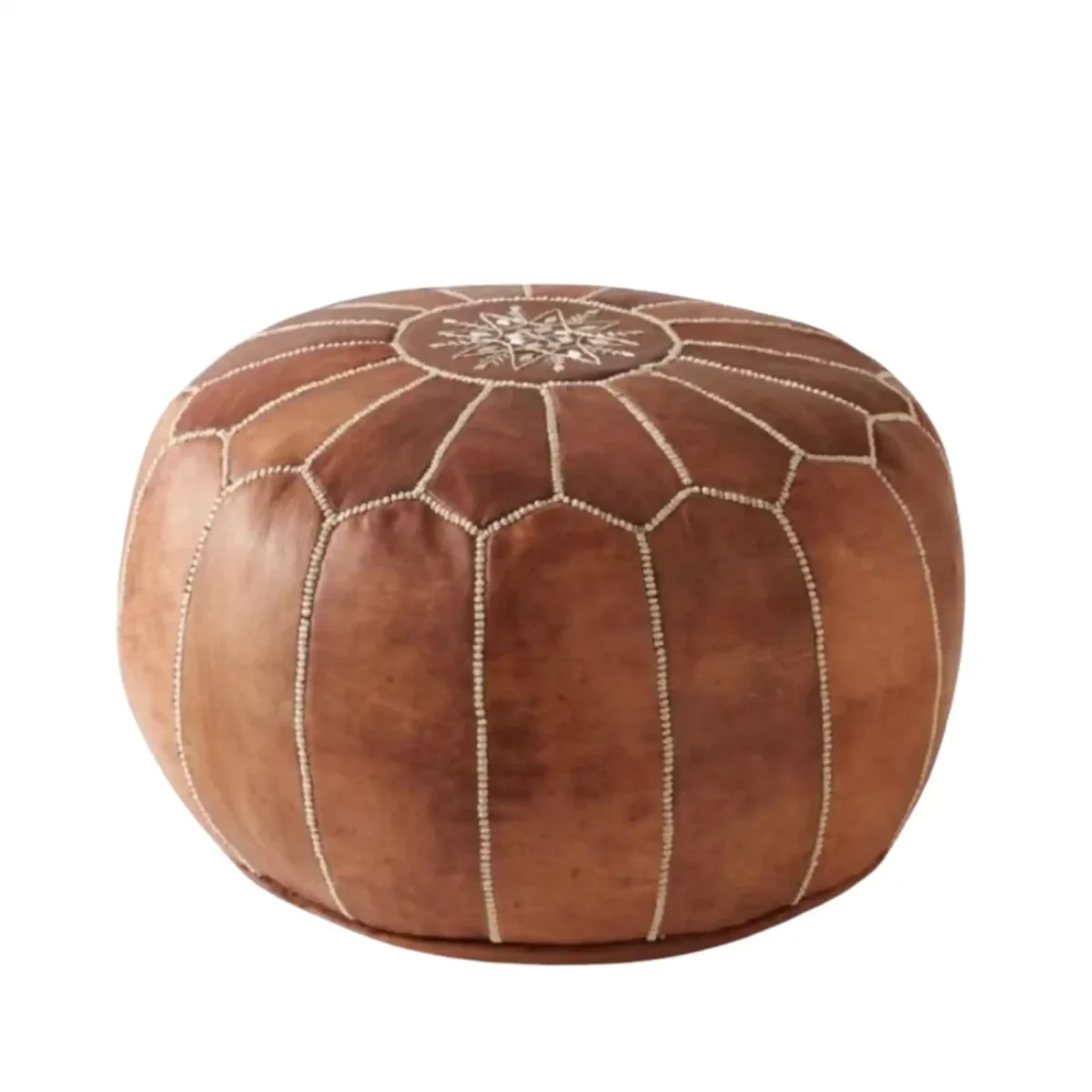
Out of stock
$138.00 Original price was: $138.00.$69.00Current price is: $69.00.
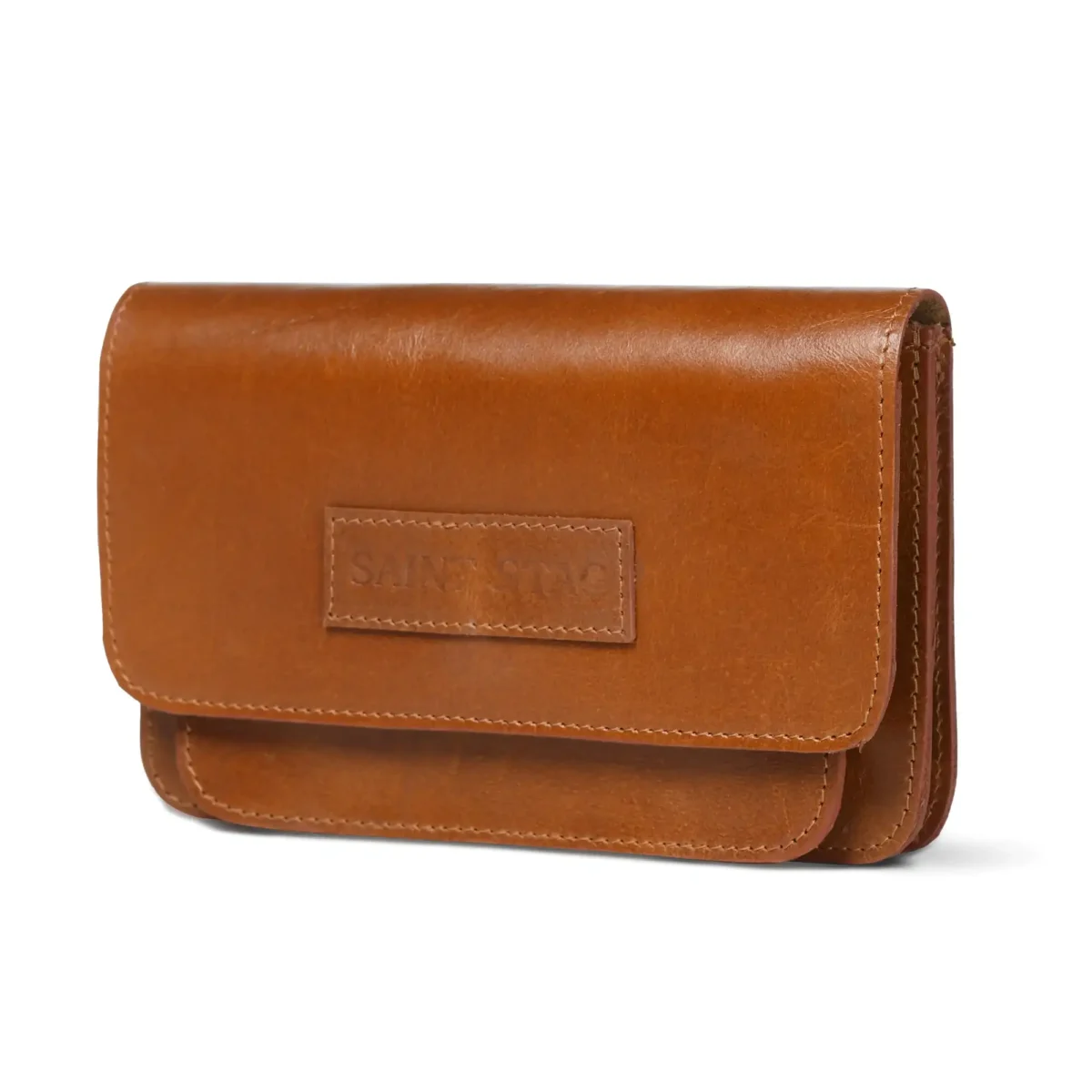
8 in stock
$84.00 Original price was: $84.00.$42.00Current price is: $42.00.
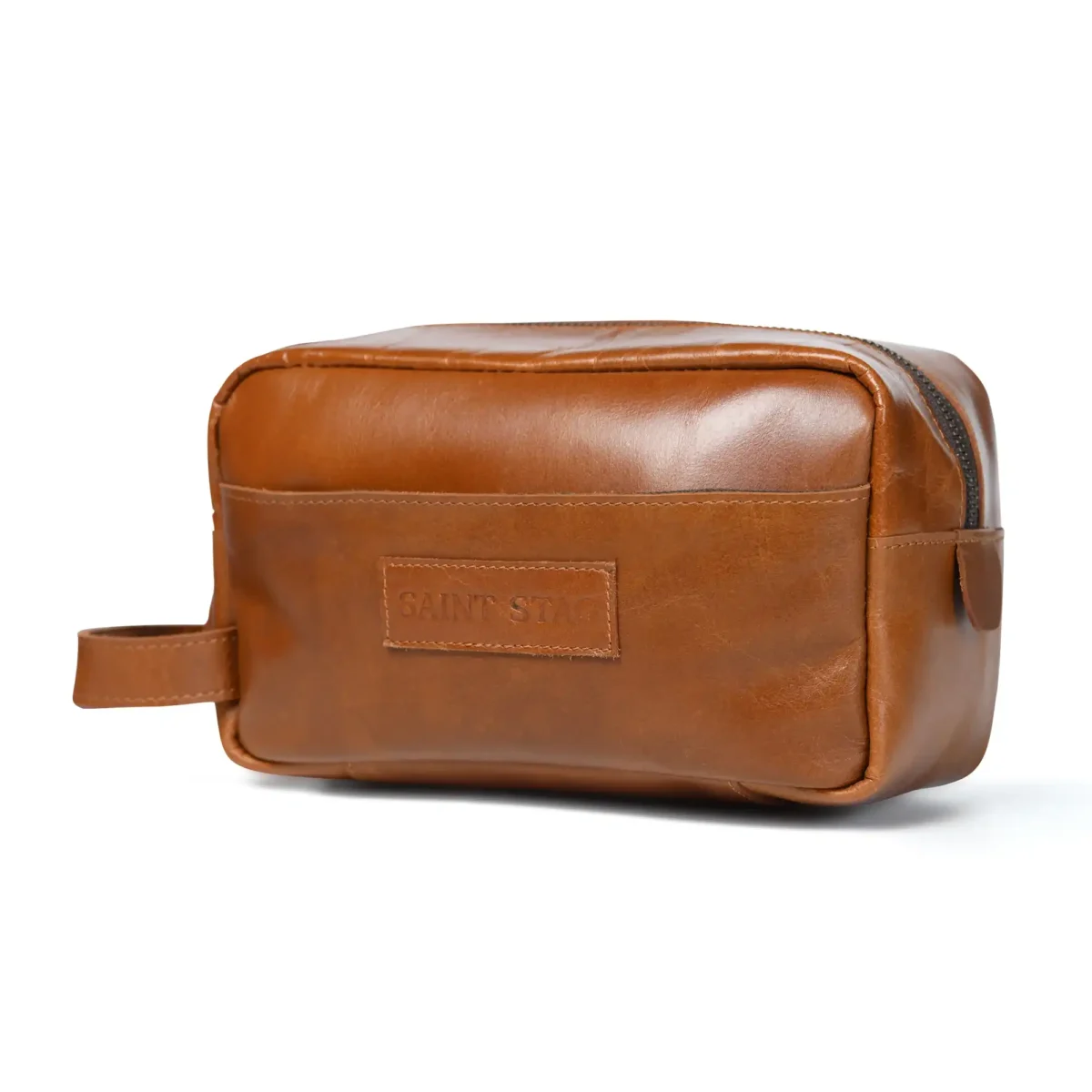
8 in stock
$90.00 Original price was: $90.00.$45.00Current price is: $45.00.
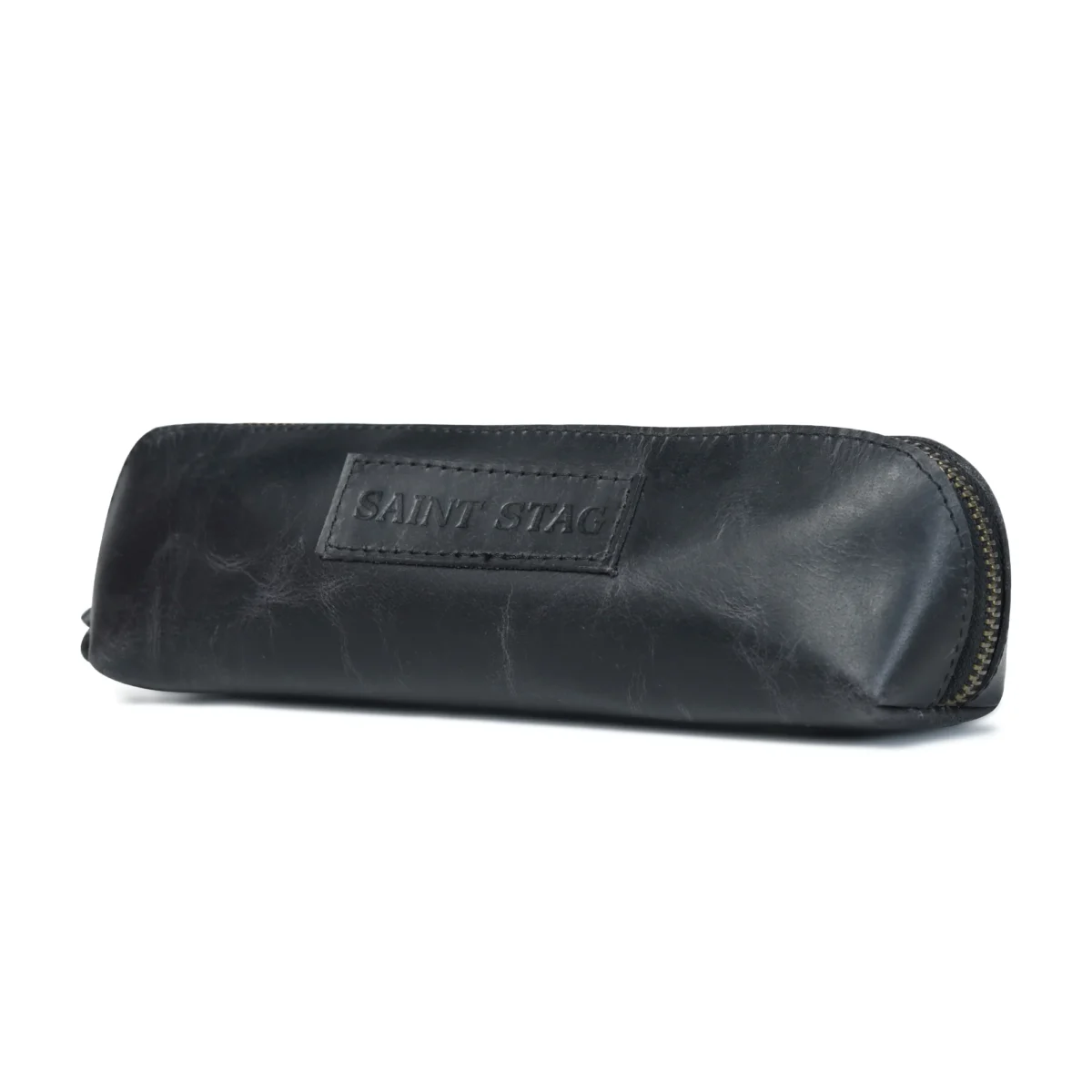
8 in stock
$70.00 Original price was: $70.00.$35.00Current price is: $35.00.
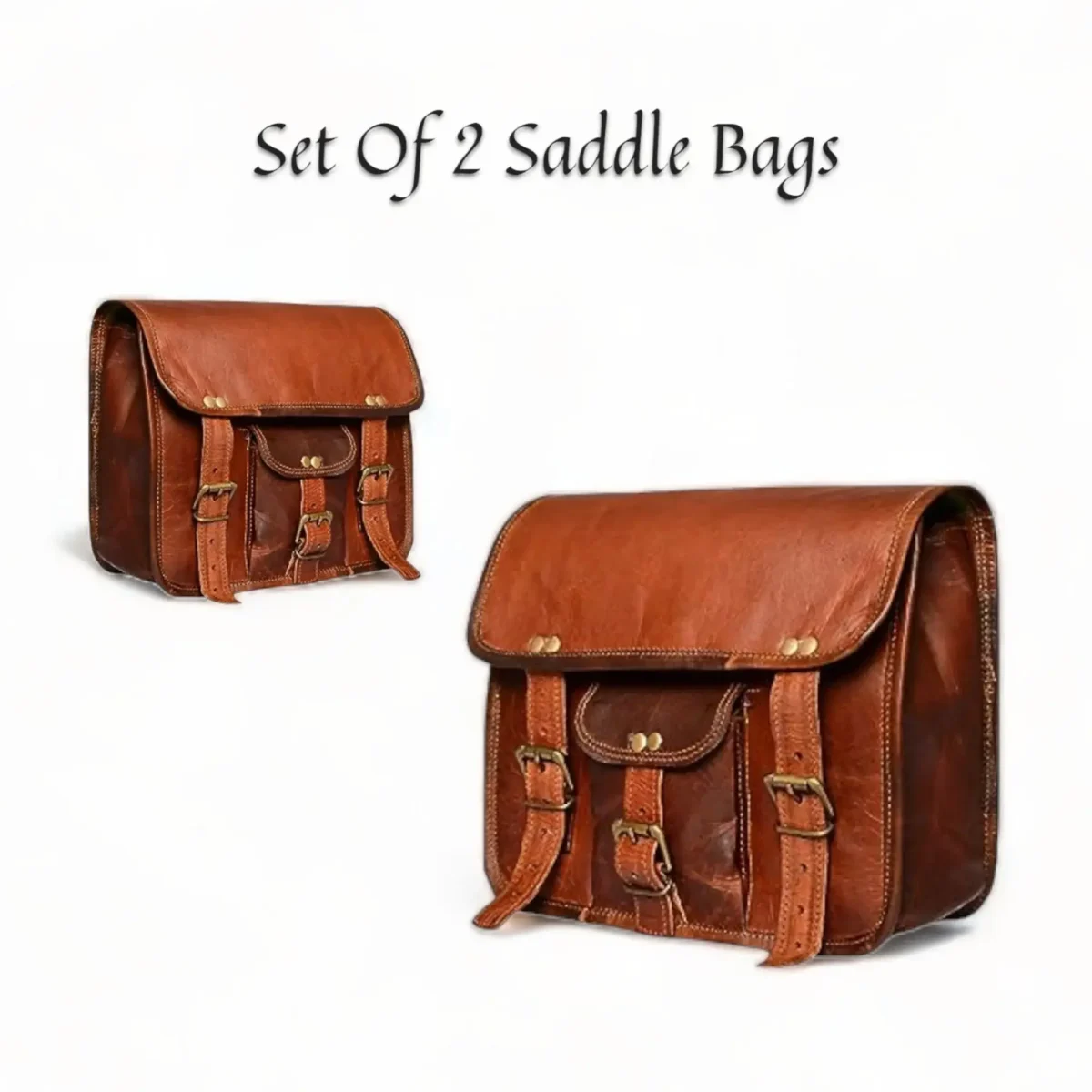
10 in stock
$130.00 Original price was: $130.00.$65.00Current price is: $65.00.
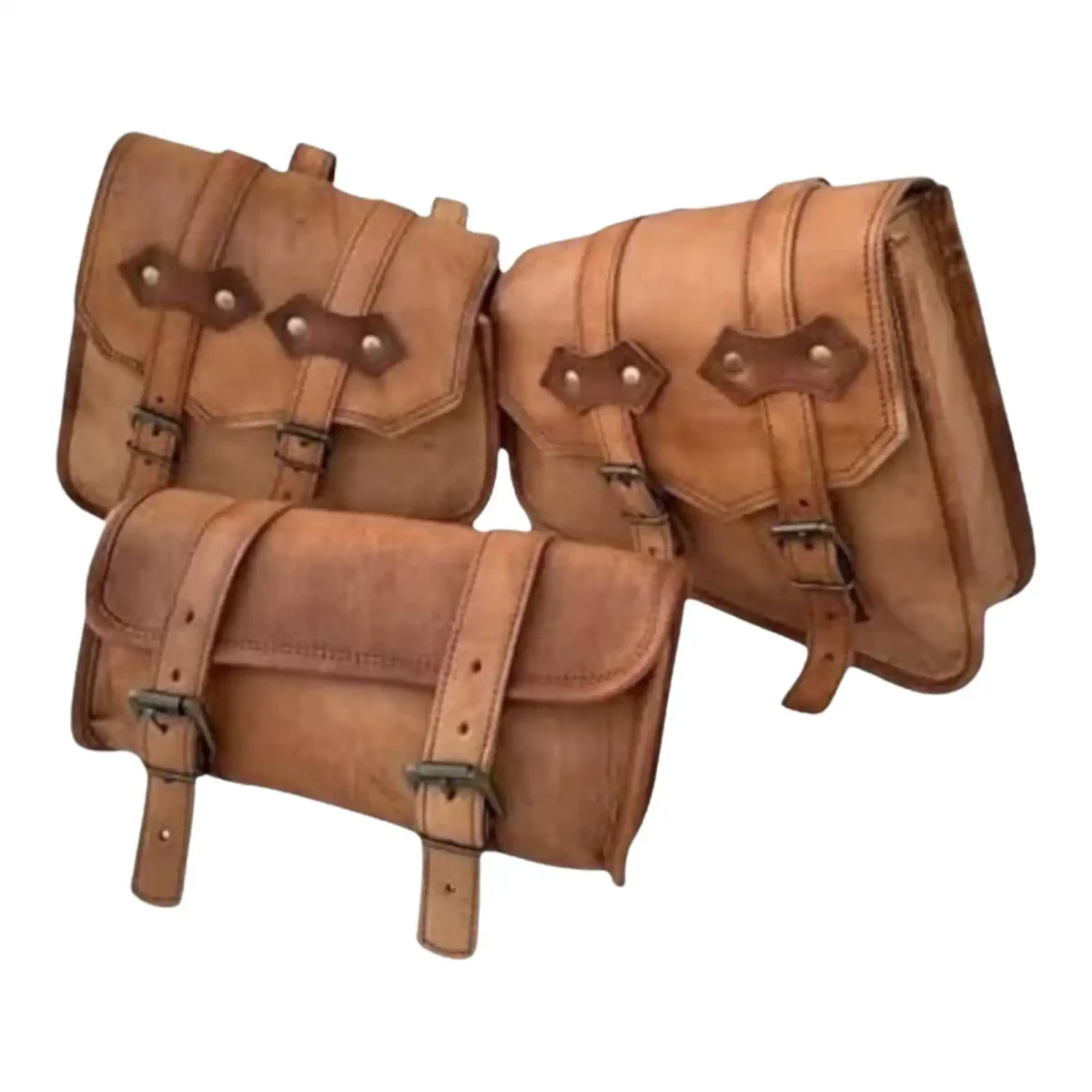
1 in stock
$98.00 Original price was: $98.00.$49.00Current price is: $49.00.