🚛 FREE SHIPPING | LIFETIME REPAIR WARRANTY | 20% Sale: “FASHION20”

Have you ever wondered why one leather bag lasts for decades while another falls apart in just a few years? Leather quality can be confusing, especially with terms like full-grain, top-grain, and genuine leather thrown around so freely. Choosing a truly good vintage leather bag shouldn’t be overwhelming.
The good news? It’s easier than you think. In this guide, we’ll break down the different leather types. You’ll learn how to identify quality, especially in older bags—so you can shop smart and confidently.
Choosing a vintage bag isn’t just about its appearance—it’s about legacy, craftsmanship, and how beautifully it ages. The type of leather used plays a huge role in how a bag wears over time.
Real leather” might sound impressive, but it’s a vague term. It’s like calling both plywood and solid oak “real wood.” The difference in durability and beauty is massive.
Some real leather is exceptional; other types aren’t. When you understand the differences, you can spot a vintage leather bag that’s built to last and worth your investment.
One of the most appealing things about a good vintage leather bag is its patina. Patina is that rich, soft sheen that develops on leather over time from use, sunlight, and oils from your hands. It’s the leather’s unique life story, etched beautifully onto its surface, making each bag unique. Patina is highly valued by vintage collectors.However, not all leathers develop a beautiful patina. Some leathers just show wear and tear, cracking or peeling. Understanding the type of leather tells you how it will age, letting you know if it will develop that sought-after character.
Buying a vintage bag is more than a fashion decision—it’s often an emotional or financial investment. Without proper knowledge, you could end up with a bag that looks nice at first but deteriorates quickly.
Understanding leather types puts you in control. You’ll feel confident choosing a piece that delivers the quality, longevity, and character you expect.
Leather is made from animal hides, but not all parts of the hide—or processing methods—are equal. Here’s a breakdown of the most common leather types used in vintage leather bags.
Full-grain leather is the highest quality leather you can find. It comes from the outermost layer of the animal hide. This layer proudly displays all its natural imperfections, such as subtle scars, wrinkles, and pores. It is not sanded, buffed, or altered in any way, meaning it retains the natural, original grain of the hide.Full-grain leather is incredibly strong and durable, and very breathable. Over time, it develops a rich, unique patina. This natural patina transforms the leather, making it even more beautiful. For vintage bags, full-grain is prized for its longevity and character. It can last a lifetime, or even longer, with proper care. Many enthusiasts specifically seek out full-grain leather backpacks because of their superior quality and aging process.When identifying full-grain on a vintage bag, look for natural variations in the surface. You might see faint marks or scars that show the animal’s life story. The texture should feel rich and varied, not perfectly smooth or uniform. The colour often deepens and becomes more complex over time.
Despite the name, genuine leather refers to lower-quality leather. It’s often made by bonding together multiple layers and heavily treating them to resemble higher-quality leather.
These bags might look good initially but lack durability. They’re prone to peeling, cracking, and won’t develop an attractive patina.
Extremely uniform or embossed surface.
Slightly plasticky or overly smooth texture.
May have a chemical smell instead of an earthy one.
Genuine leather is perhaps the most confusing term in the leather world. It often refers to lower-quality leather that has been heavily processed. This can be made from different layers of the hide, or even multiple layers bonded together. It is typically sanded, buffed, and then heavily pigmented or embossed to mimic a higher-quality look.Genuine leather is generally less durable, less breathable, and less supple than full-grain or top-grain. It does not develop a graceful patina. Instead, it tends to crack, peel, or show significant wear and tear over time. For vintage bags, “genuine leather” is often a red flag. These bags rarely age well and offer less value.When examining a vintage “genuine leather” bag, you’ll notice a very uniform, sometimes plastic-like feel. It might look too perfect or have an artificial grain pattern. You might see signs of peeling or flaking on the surface, especially at edges or stress points. The smell might be more chemical than earthy.
Corrected grain leather is heavily processed and artificially textured. Split leather (from the lower hide) includes suede and nubuck.
While they can be stylish, these leathers are less durable. They’re often used for linings or stylistic accents, not the main structure of a long-lasting vintage bag.
Bonded leather is made from leather scraps mixed with glue and coated with plastic. It often contains less than 20% actual leather.
This type is the least durable and deteriorates quickly—peeling and cracking within a few years. Avoid bonded leather for any vintage leather bag purchase.
Now that you know the different types, how do you put this knowledge to use when looking at an old bag? Here are some practical tips to help you identify good quality vintage leather.
Here’s a quick checklist to help you assess the quality of leather in any old bag:
Grain pattern: Natural variation = high-quality.
Edges: Raw and fibrous? Likely full-grain. Sealed edges? Possibly top-grain or lower.
Wear pattern: Softening and darkening suggest patina. Peeling or flaking? Poor quality.
Feel the leather. Is it supple and warm? That’s a good sign.
Pinch and flex a part. Quality leather wrinkles naturally and feels flexible.
Good leather has an earthy, woody scent.
Lower-quality leathers may smell like chemicals or plastic.
A drop of water should absorb quickly on full-grain leather.
Top-grain may resist water slightly.
If it beads and sits on the surface, it’s likely genuine or bonded leather.
Once you’ve found your treasure, keeping it in top condition matters. Different leathers need different care.
Use a high-quality conditioner every few months.
Avoid over-cleaning.
Let it develop patina naturally.
Clean gently with damp cloth and mild soap.
Condition sparingly using products for finished leather.
Avoid harsh chemicals, excess water, and direct sunlight.
Store in a breathable dust bag.
Air out your bag occasionally to prevent musty smells.
Understanding leather types transforms your shopping experience. You’re not just buying a bag—you’re investing in something that tells a story, grows with you, and becomes more beautiful with time.
Armed with this knowledge, you can confidently find a vintage leather bag that reflects true craftsmanship and style. Ready to discover your next heirloom?
Vintage leather bags are often made with higher-quality materials like full-grain leather, which age beautifully over time. They also reflect timeless craftsmanship and durability that’s often lacking in mass-produced modern bags.
Look for natural imperfections, a rich patina, and a textured feel. Full-grain leather shows scars, wrinkles, and unique grain patterns—signs of quality and authenticity.
Yes, especially if they’re made from full-grain or top-grain leather. Patina is the soft sheen and color richness that develops over time, making each bag one-of-a-kind.
Not really. “Genuine leather” refers to lower-quality leather and doesn’t age as well as full-grain or top-grain leather. It may peel or crack over time and is less durable for long-term use.
Condition full-grain leather regularly with a leather balm and avoid harsh cleaners. Keep it away from direct sunlight and store it in a dust bag. Top-grain leather needs less conditioning but still benefits from occasional care.
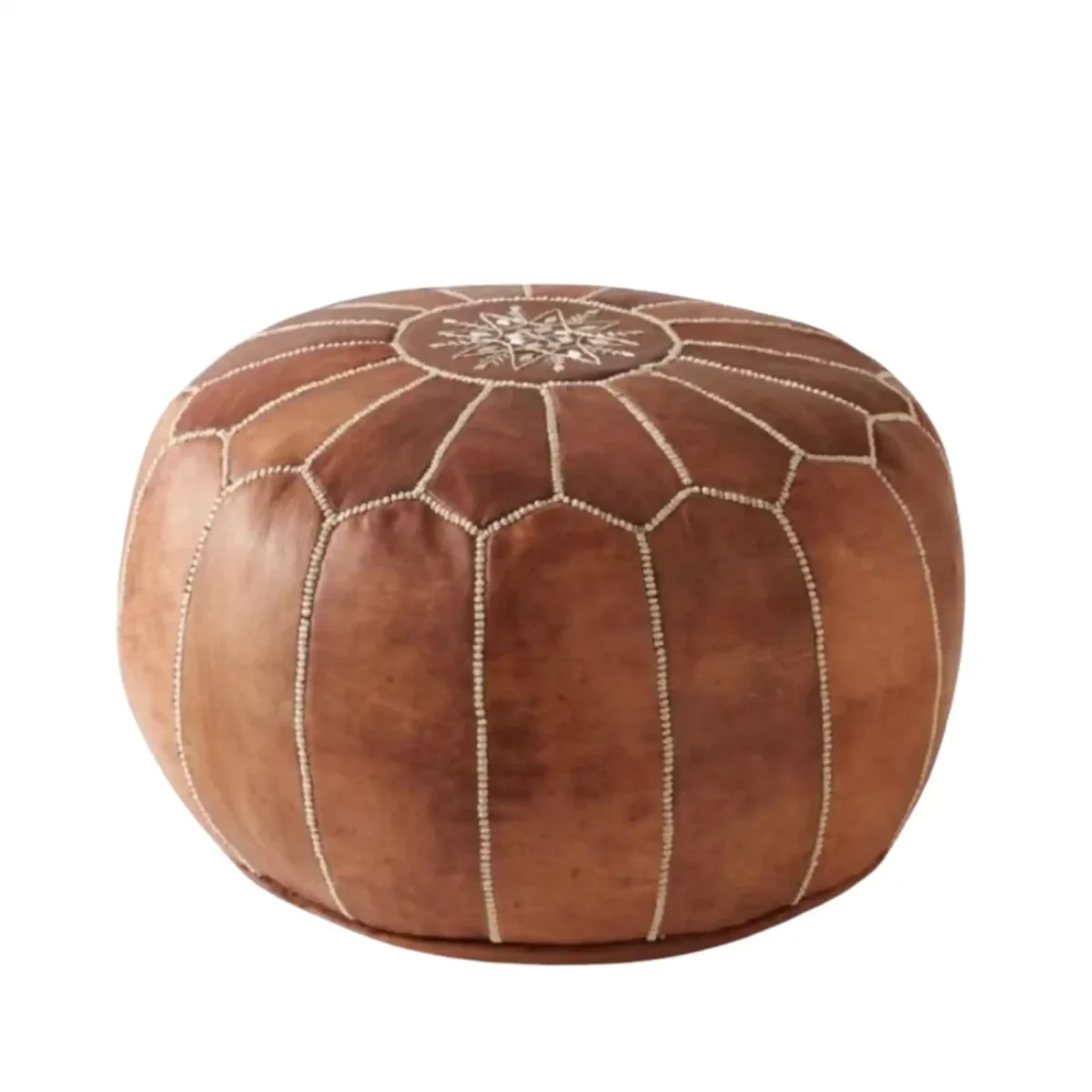
Out of stock
$138.00 Original price was: $138.00.$69.00Current price is: $69.00.
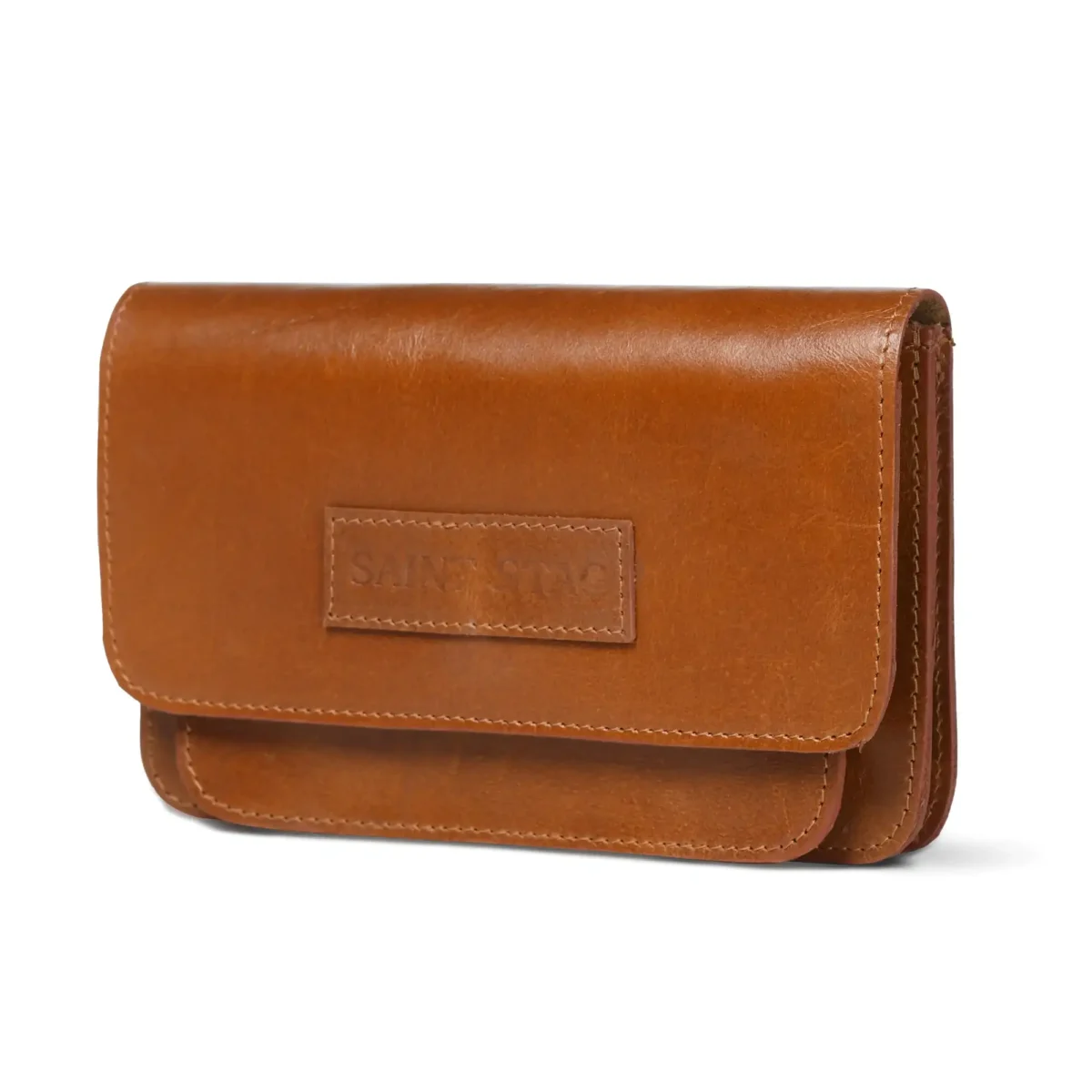
8 in stock
$84.00 Original price was: $84.00.$42.00Current price is: $42.00.
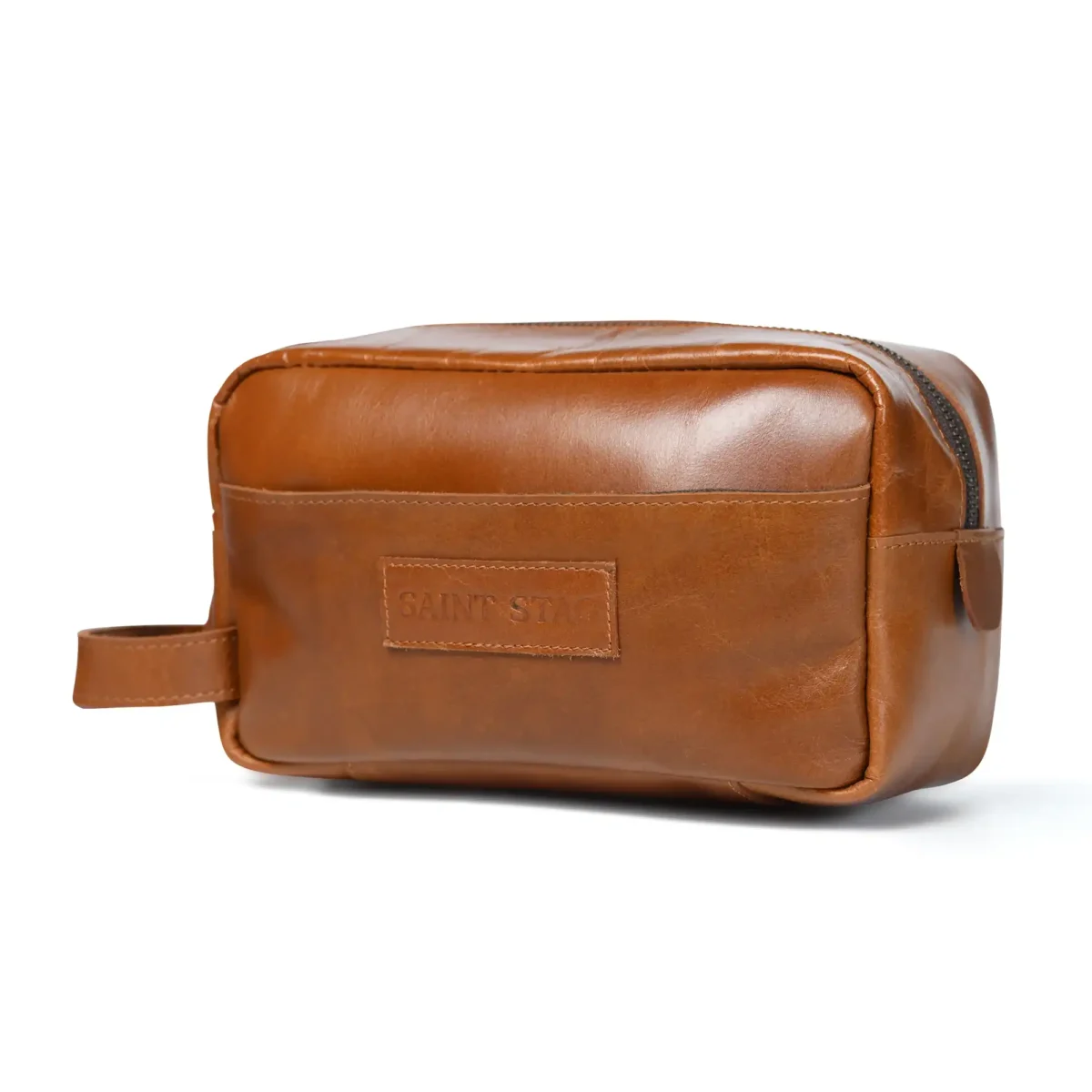
8 in stock
$90.00 Original price was: $90.00.$45.00Current price is: $45.00.
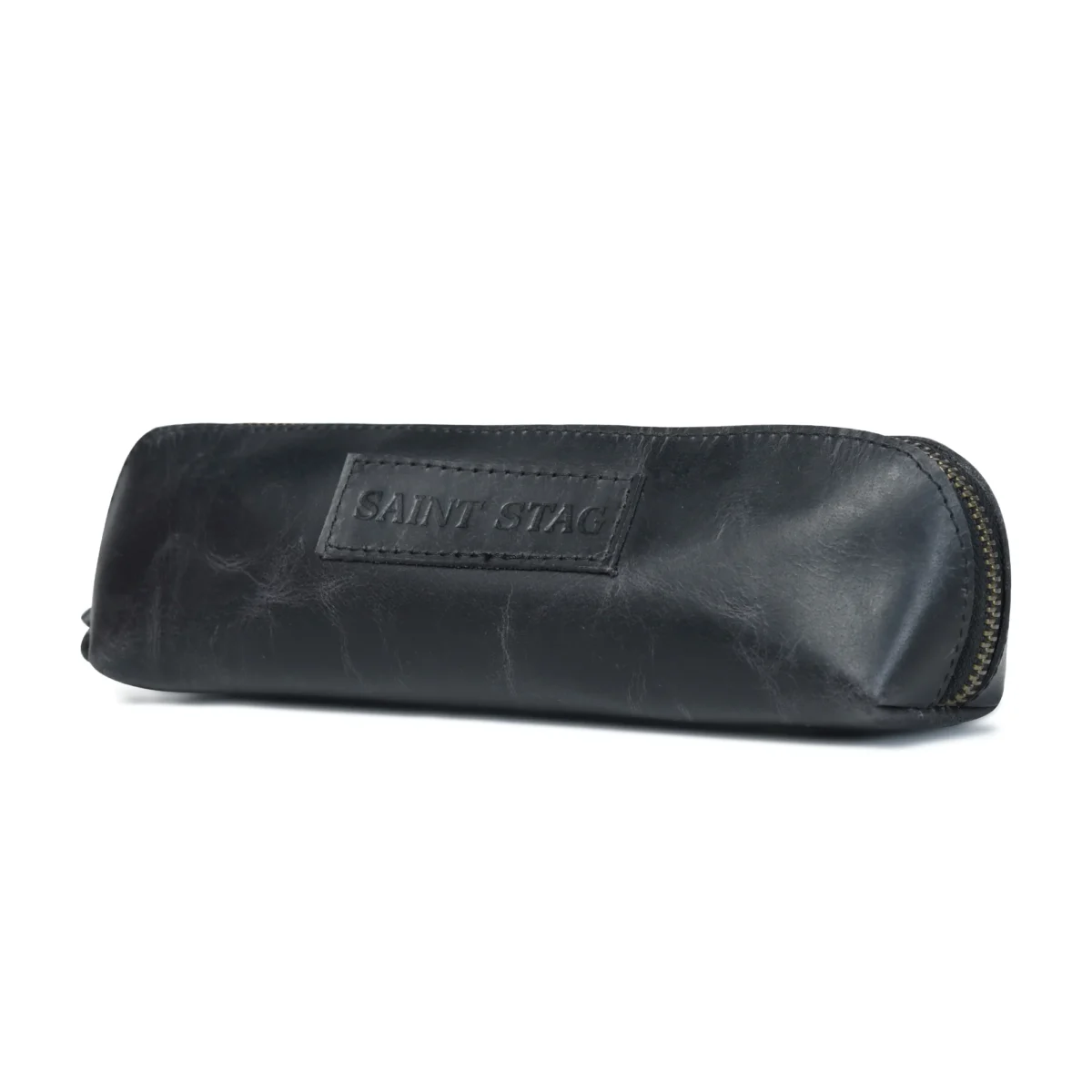
8 in stock
$70.00 Original price was: $70.00.$35.00Current price is: $35.00.
10 in stock
$130.00 Original price was: $130.00.$65.00Current price is: $65.00.
1 in stock
$98.00 Original price was: $98.00.$49.00Current price is: $49.00.