🚛 FREE SHIPPING | LIFETIME REPAIR WARRANTY | 20% Sale: “FASHION20”
Are you wondering what truly sets apart a luxurious, long-lasting bag from one that might disappoint you in just a few seasons? This is a crucial question for anyone investing in quality accessories. At saintstag.com, we believe in informed choices, especially when it comes to materials that define your style and investment. Your bag is more than just an accessory; it’s a companion that carries your essentials, reflects your personal brand, and often, tells a story. When choosing, two popular options often come up: full-grain leather and vegan leather. While both aim to offer style and utility, their origins, characteristics, and long term performance differ dramatically. This guide will unpack these differences to help you choose wisely.
Full-grain leather stands as the pinnacle of leather quality. It represents the outermost layer of the animal hide, retaining its natural grain, imperfections, and unique character. This part of the hide is the strongest and most durable.
To create full-grain leather, the hide undergoes minimal processing. It isn’t sanded, buffed, or snuffed to remove natural marks. Instead, it maintains its authentic texture, showcasing the animal’s natural life. This commitment to preserving the hide’s integrity is what gives full grain leather its superior qualities.
The benefits of full-grain leather are extensive, making it a preferred choice for high-quality items like a vintage leather duffle bag. Its unmatched strength comes from dense, intact fibers. This resilience means a well-maintained full-grain leather bag can easily last for 30 years or even a lifetime. One of its most cherished qualities is its ability to develop a beautiful patina over time. As it ages, full-grain leather absorbs oils from your hands and exposure to sunlight, creating a unique, rich sheen and deeper color. This process enhances its aesthetic appeal, turning a new bag into a treasured heirloom with a story. Unlike other materials, it doesn’t wear out; it wears in, becoming softer and more supple. Full-grain leather is also breathable due to its natural pores, making it comfortable to carry. This natural material is highly regarded by artisans because its robust nature lends itself perfectly to handcrafted goods. The ability to repair and restore full-grain leather further extends its lifespan, contributing to its sustainable nature.
The primary disadvantage of full-grain leather is its higher upfront cost. However, at saintstag.com, we position this as an investment in a durable, timeless piece. When you consider its exceptional longevity, the cost-per-year often proves to be lower than frequently replacing cheaper alternatives. Another point of consideration is the need for occasional care and maintenance. This typically involves simple steps like conditioning every few months to keep the leather supple and prevent drying. We provide easy-to-follow care instructions to help you preserve your full-grain leather bags for decades.
Vegan leather emerged as a response to ethical concerns regarding animal products. It encompasses a range of materials designed to mimic the look and feel of traditional leather without using animal hides. This makes it an appealing option for those prioritizing animal welfare above all else.
Most commonly, vegan leather refers to synthetic materials such as PU (Polyurethane) and PVC (Polyvinyl Chloride). These are essentially plastic-based materials that are textured and colored to resemble real leather. More recently, there’s been innovation in plant-based vegan leathers, including materials like Piñatex (made from pineapple leaf fibers), mushroom leather, or apple leather. While these plant-based options are growing, synthetic versions still dominate the market.
The most significant advantage of vegan leather is its alignment with animal welfare principles, as no animal products are used in its creation. Manufacturers can often produce it to closely mimic the initial appearance of real leather, offering a wide range of colors and textures. From a cost perspective, synthetic vegan leather is typically much lower in price upfront compared to its full-grain counterpart. This accessibility makes it a popular choice for fast fashion. Additionally, it generally requires less immediate maintenance, often needing just a simple wipe-down to clean.
Despite its initial appeal, synthetic vegan leather presents several significant disadvantages. Its durability and lifespan are typically much shorter than full-grain leather. Most vegan leather bags show significant wear and tear, like cracking or peeling, within 2-5 years. This short lifespan often leads to a cycle of frequent replacement, contributing to waste. A major misconception revolves around its environmental impact. While avoiding animal products, many synthetic vegan leathers are petroleum-based, making them non-biodegradable. They contribute to plastic pollution and microplastics. Lifecycle assessment studies often indicate that, over their entire lifespan, some synthetic vegan leathers can have a higher environmental footprint than real leather, especially considering real leather is often a by-product of the meat industry. Unlike full-grain leather, vegan leather does not develop a beautiful patina. Instead of gracefully aging, it tends to degrade, crack, and peel over time. It is also often less breathable than natural leather. Once damaged, vegan leather is notoriously difficult to repair, often needing complete replacement rather than restoration.
Let’s break down the critical differences between these two materials across key factors that influence your purchase decision. Understanding these points will help you make an informed choice for your next leather bags purchase.
A. Durability & Lifespan
This is where full-grain leather truly shines. Its robust fiber structure provides unparalleled resistance to wear, tear, and punctures. A well-crafted full-grain leather bag is an investment designed to last for decades, often becoming an heirloom. Vegan leather, particularly the synthetic varieties like PU and PVC, lacks this inherent strength. It’s prone to cracking, peeling, and scuffing, particularly at stress points. While it may look good initially, it often fails to withstand the rigors of daily use, typically lasting only 2-5 years before needing replacement.
B. Aesthetics & Aging
Full-grain leather possesses a unique quality: it ages with grace and character. Its natural imperfections and markings become part of its charm, developing a rich, unique patina over time. This aging process transforms the bag, making it uniquely yours and enhancing its vintage appeal. Vegan leather, on the other hand, does not age in this desirable way. Instead of developing a patina, it degrades. It maintains its initial, often uniform appearance for a short period before showing signs of wear like cracking, peeling, or fading. It lacks the depth and natural evolution of real leather.
C. Environmental & Ethical Impact
The environmental and ethical debate is nuanced. Full-grain leather is a by-product of the meat industry, meaning animals are not raised solely for their hides. It is a natural, biodegradable material with a very long lifecycle, reducing the need for frequent replacements and minimizing waste. Vegan leather avoids the use of animal products, addressing a significant ethical concern for some. However, the environmental impact of synthetic vegan leathers is often overlooked. Made from petroleum, they are non-biodegradable and contribute to plastic waste and microplastic pollution. While plant-based vegan leathers offer a more sustainable alternative, they are less common and still come with their own production footprints.
D. Cost: Upfront vs. Long-Term Value
Full-grain leather bags typically command a higher upfront price. This reflects the quality of the raw material, the minimal processing, and often the skilled craftsmanship involved. However, when viewed as a long-term investment, their exceptional durability means a much lower cost-per-year compared to frequently replacing cheaper, less durable bags. Vegan leather, especially synthetic types, is usually more affordable upfront. This makes it attractive for budget-conscious consumers or for those seeking trendy items that might only be used for a season. But its short lifespan means you’ll likely spend more money replacing bags over time, ultimately proving more expensive in the long run.
E. Maintenance & Care
Full-grain leather requires some basic care to maintain its pristine condition and suppleness. This includes occasional cleaning with a damp cloth and conditioning with a specialized leather balm or oil every few months. This simple routine protects the leather and enhances its longevity. Vegan leather generally requires less specific maintenance; a simple wipe-down is often sufficient. However, this ease of care doesn’t prevent its inherent degradation. Once cracks or peels appear, they are usually irreversible. This means while cleaning is easy, repair is often impossible.
F. Weight & Feel
Full-grain leather offers a substantial, rich feel in the hand, conveying a sense of quality and craftsmanship. Its weight is often a testament to its density and durability. It softens and molds to your body over time, becoming more comfortable with use. Vegan leather can vary widely in weight and feel. Some high-quality synthetic versions can initially mimic the softness of leather, but they often lack the natural give and breathability. Lighter, cheaper versions might feel thin and plasticky. It rarely achieves the same luxurious drape or supple character as full-grain leather over time.
Making an informed decision about your next bag depends on your priorities and lifestyle. At saintstag.com, we understand the discerning tastes of our customers.
A. When to Choose Full-Grain Leather (Saint Stag’s Recommendation)
You should choose full-grain leather if you prioritize longevity, heirloom quality, and an investment piece. This material is for those who appreciate unique character and natural aging that develops a beautiful patina. If you need a durable bag for travel, professional use, or daily rugged wear, such as a vintage leather duffle bag, full-grain leather is unmatched. You value authentic craftsmanship and sustainable consumption through reduced waste. A growing segment of consumers prioritizes product longevity and quality craftsmanship over cheaper, disposable alternatives, even if it means a higher upfront investment.
B. When Vegan Leather Might Be Considered (and its Limitations)
Vegan leather might be considered if you have a strict ethical stance against all animal products, even by-products. It can also be suitable for short-term fashion trends or low-budget items where longevity isn’t a concern. However, it’s crucial to understand the type of vegan leather and its true environmental cost. Many synthetic varieties contribute to plastic pollution and have a much shorter lifespan, leading to more frequent replacements and waste.
At saintstag.com, our mission is to offer handcrafted bags with timeless, vintage aesthetics and modern functionality. This commitment is why full-grain leather is integral to our brand identity and product promise. We believe in creating pieces that not only serve a purpose but also tell a story and endure for generations. Our artisans, often from regions with rich leatherworking traditions like Kanpur and Chennai, expertly craft each bag. They leverage the inherent strength and beauty of full-grain leather to create items like our renowned vintage leather duffle bag that are both robust and elegantly stylish. We choose full-grain leather for its unmatched durability, its ability to develop a unique patina, and its classic appeal that resonates with discerning individuals across the USA and globally. We are proud to deliver quality products directly to your doorstep, anywhere in the USA, knowing they are built to last. We invite you to explore our collection of full-grain leather bags and experience the Saint Stag difference.
Choosing between full-grain leather and vegan leather bags involves weighing durability, aesthetics, ethical considerations, and long-term value. While vegan leather offers an animal-free alternative, full-grain leather stands out for its superior longevity, graceful aging, and inherent strength. For the conscious consumer seeking an authentic, handcrafted investment piece that will last a lifetime, full-grain leather remains the definitive choice. Make an informed decision that aligns with your values and carry your belongings with confidence and timeless style.
My last ‘leather-look’ bag peeled after a year. Will a full-grain leather bag truly last longer, and how much care does it really need?
Yes, a full-grain leather bag will significantly outlast a synthetic \”leather-look\” bag. While synthetic vegan leathers typically show signs of peeling and cracking within 2-5 years, a well-maintained full-grain leather bag can last for 30 years or more, often becoming an heirloom. Care involves simple steps like wiping it clean and conditioning it every few months to keep the leather supple.
I want to be more eco-conscious. Is full-grain leather really a better choice for the environment than vegan leather, or is it just clever marketing?
The environmental impact is complex. Full-grain leather is a natural by-product of the meat industry, biodegradable, and exceptionally long-lasting, reducing waste. Many synthetic vegan leathers, however, are petroleum-based plastics that are non-biodegradable and contribute to plastic pollution and microplastics. While plant-based vegan leathers exist, their production still has an environmental footprint. Choosing a durable, repairable full-grain leather bag often means a lower environmental impact over its long life.
I’m a frequent traveler/professional, and I need a bag that looks sophisticated but can also take a beating. Which material is genuinely more reliable for heavy use?
For frequent travelers and professionals, full-grain leather is genuinely more reliable for heavy use. Its robust structure provides superior resistance to abrasions, punctures, and daily wear and tear. It maintains its sophisticated appearance even after years of use, developing a rich patina rather than degrading. Vegan leather, especially synthetic types, is prone to quicker wear and tear, which can compromise both its appearance and structural integrity under demanding conditions.
I’m considering investing in a high-quality bag. Will a full-grain leather bag maintain its value and look good for years, or will it just look old and worn out?
A full-grain leather bag is an excellent investment because it maintains and often enhances its aesthetic appeal over time. Rather than looking \”old and worn out,\” it develops a unique patina—a soft sheen that enriches its color and character. This natural aging process adds to its beauty and uniqueness, making it a timeless piece that looks even better with age.
I’m drawn to the vintage look of Saint Stag’s bags. Does vegan leather develop that same rich, unique character over time that full-grain leather does?
No, vegan leather does not develop the same rich, unique character as full-grain leather. The coveted vintage look of Saint Stag’s bags comes from the natural aging of full-grain leather, which forms a distinctive patina. Vegan leather, being a synthetic or plastic-based material, degrades over time, often cracking or peeling, rather than developing an authentic character. It cannot replicate the natural depth and evolution that make full-grain leather so special.
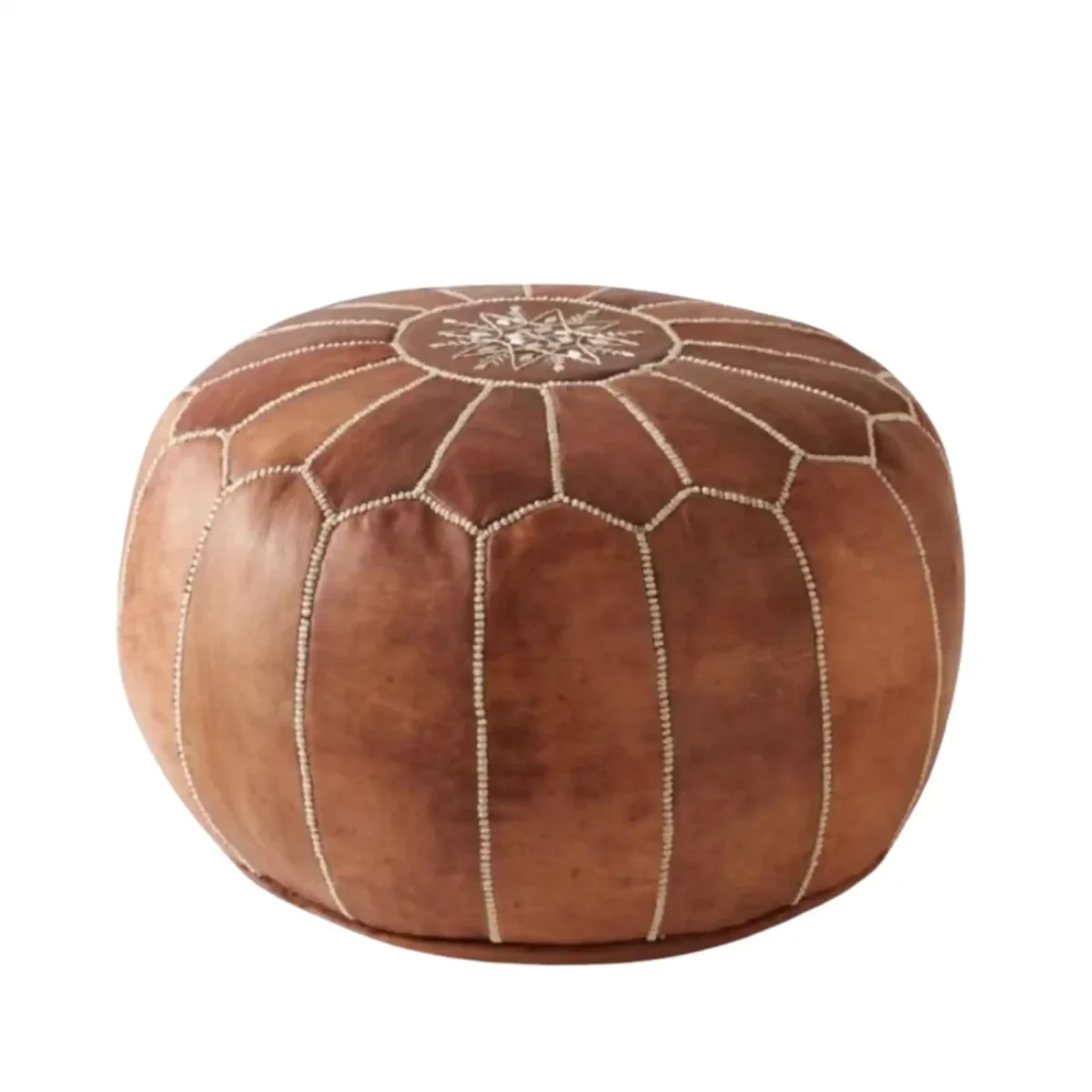
Out of stock
$138.00 Original price was: $138.00.$69.00Current price is: $69.00.
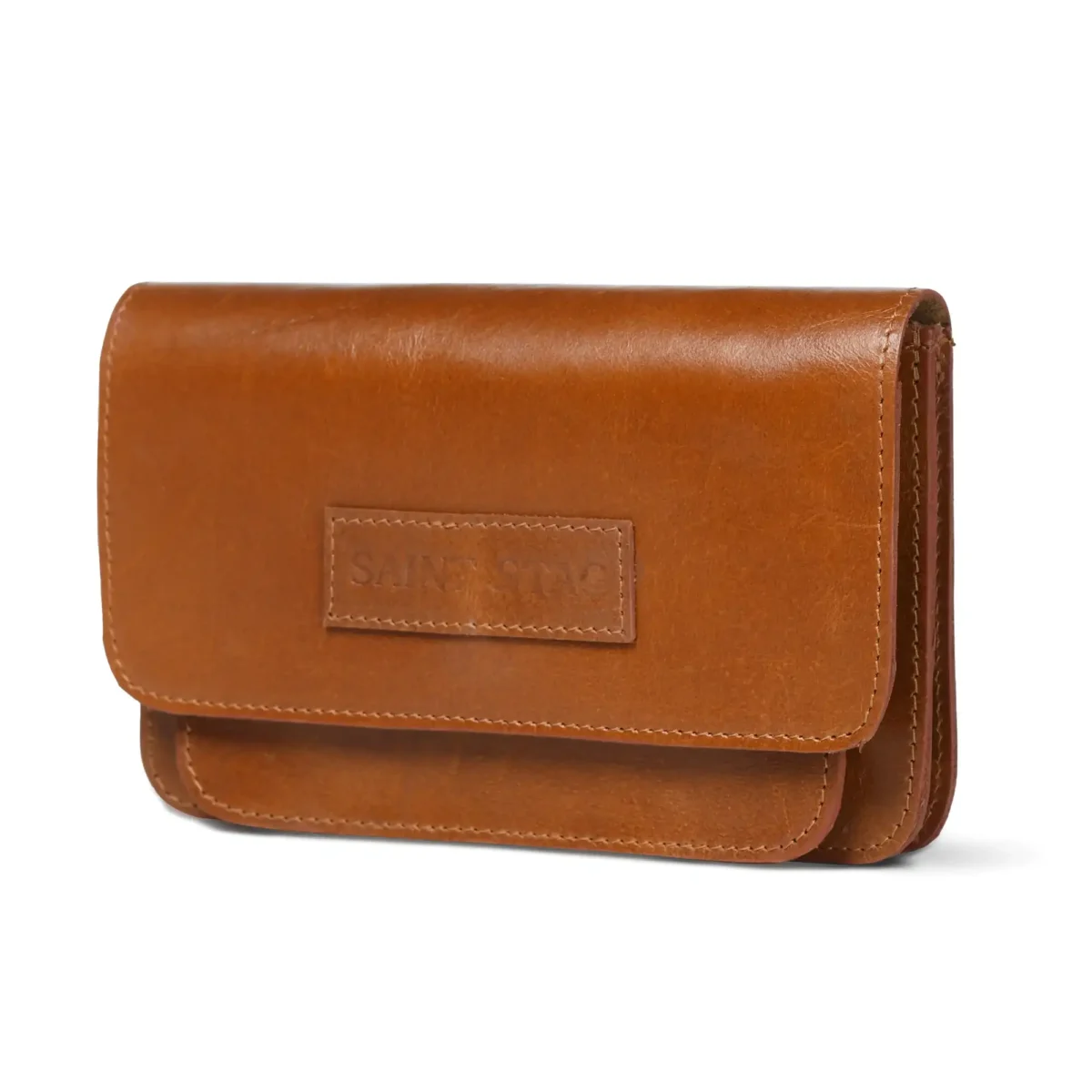
8 in stock
$84.00 Original price was: $84.00.$42.00Current price is: $42.00.
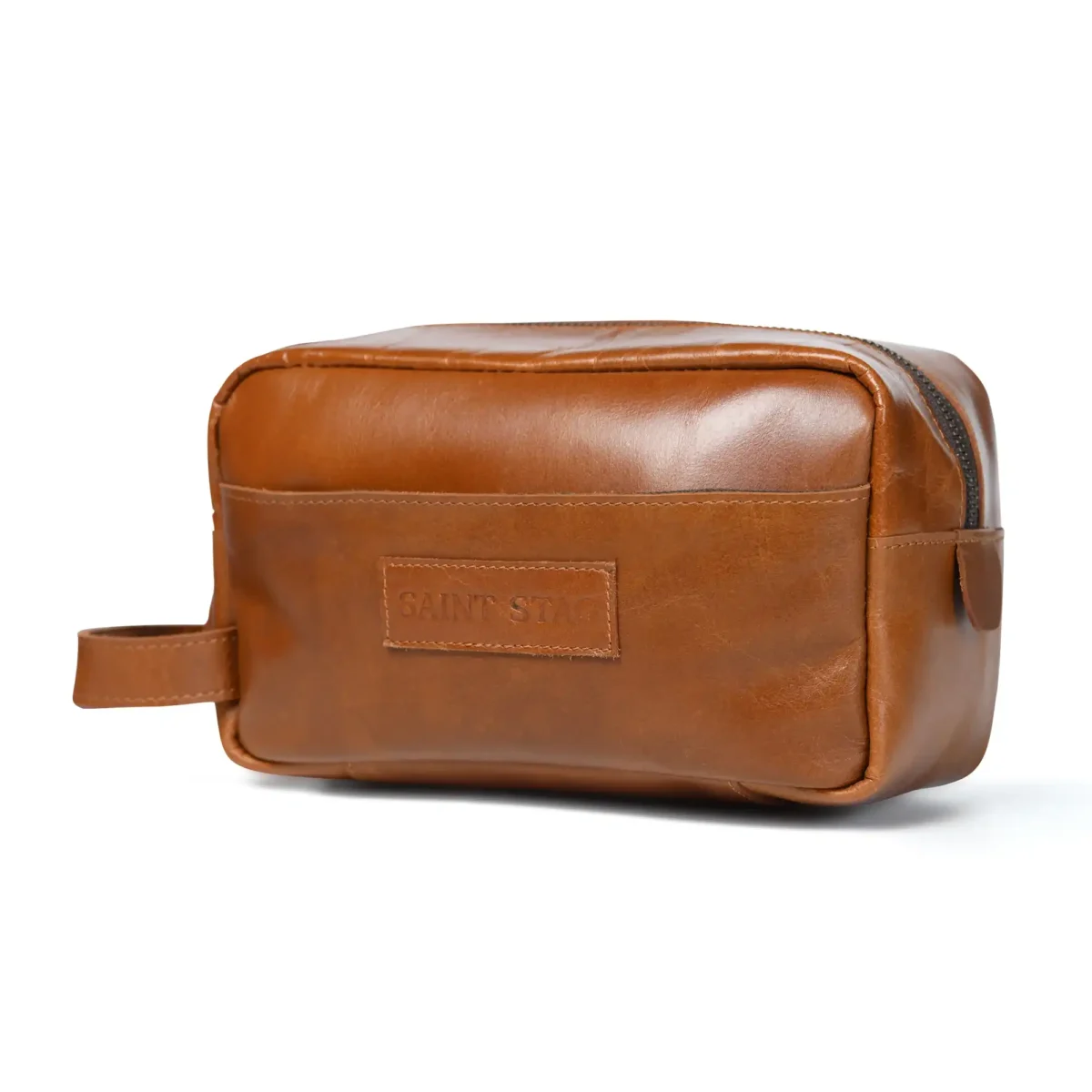
8 in stock
$90.00 Original price was: $90.00.$45.00Current price is: $45.00.
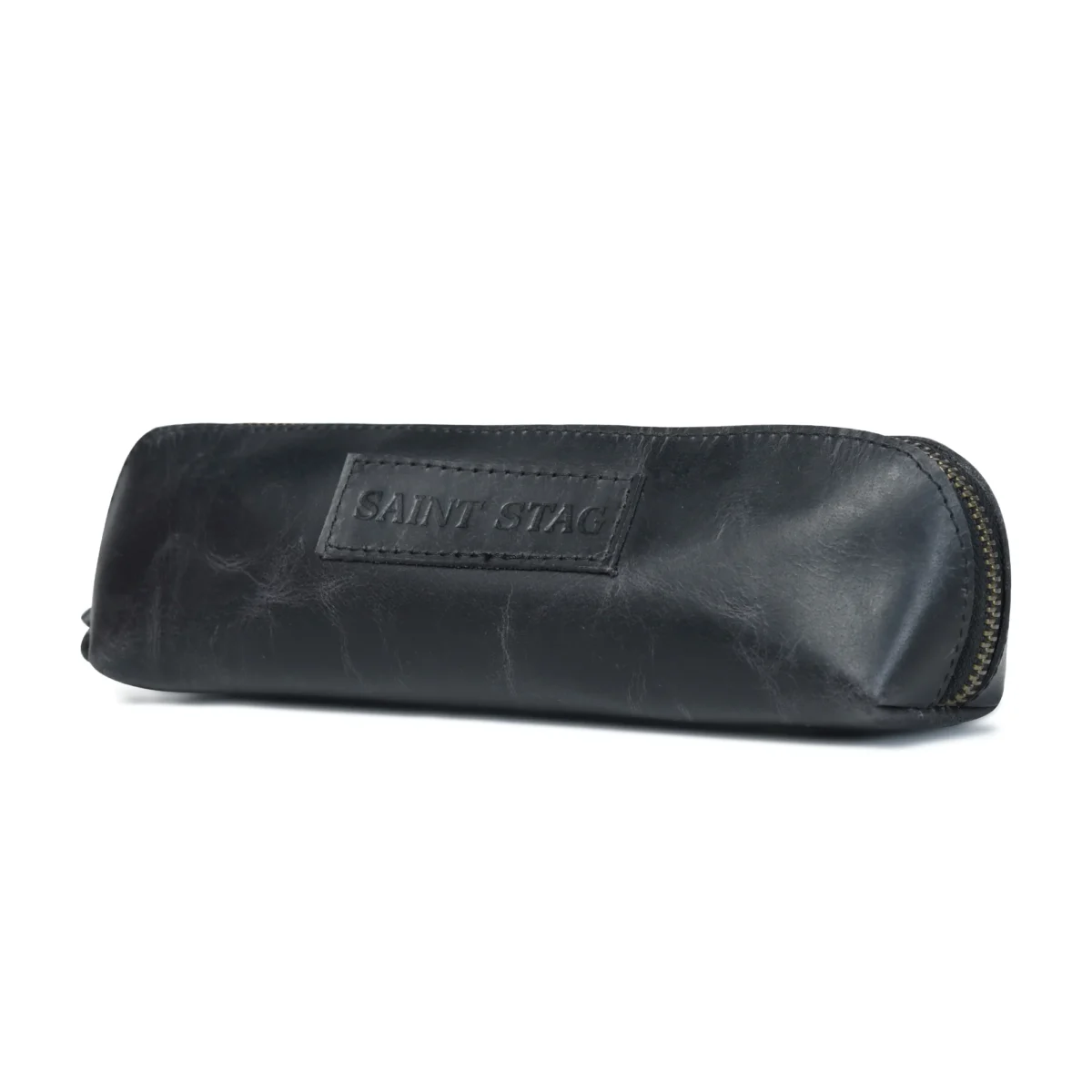
8 in stock
$70.00 Original price was: $70.00.$35.00Current price is: $35.00.
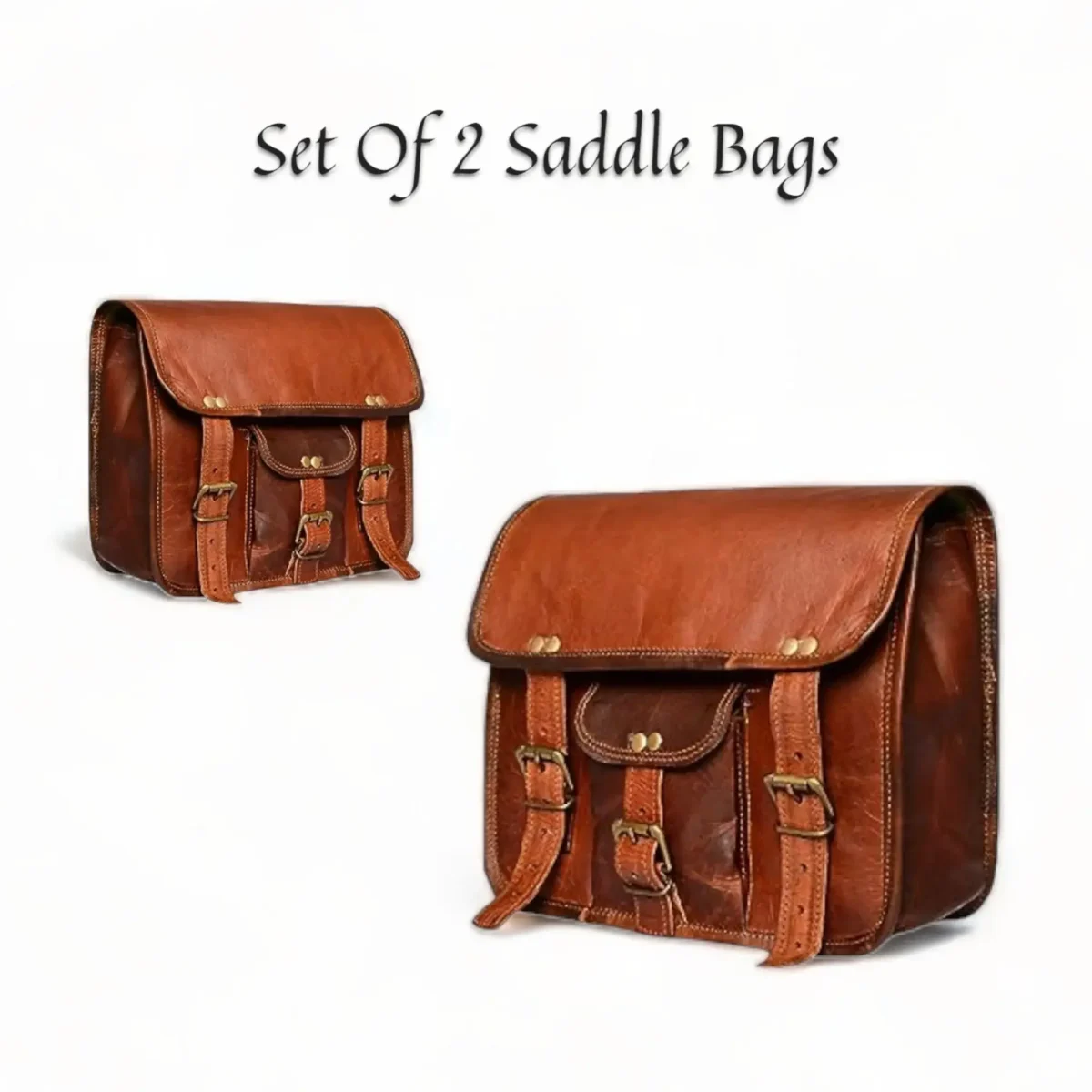
10 in stock
$130.00 Original price was: $130.00.$65.00Current price is: $65.00.
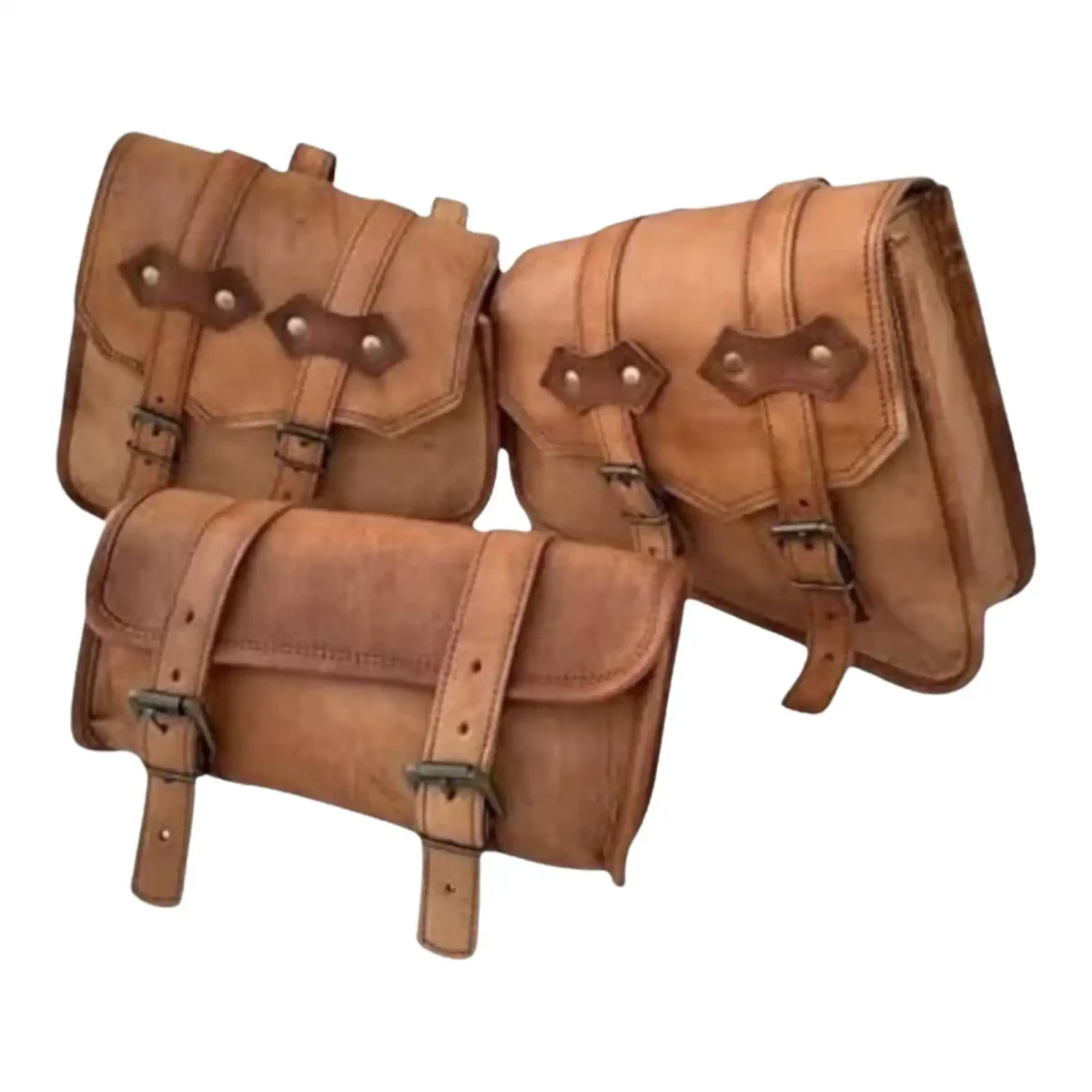
1 in stock
$98.00 Original price was: $98.00.$49.00Current price is: $49.00.