
🚛 FREE SHIPPING | LIFETIME REPAIR WARRANTY | 20% Sale: “FASHION20”
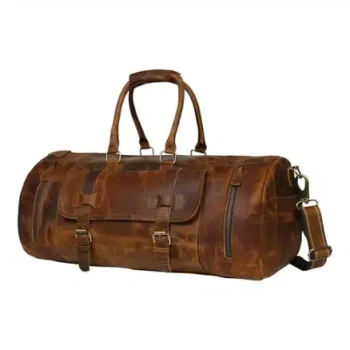
Handmade vintage leather products represent more than just fashion statements—they embody generations of skilled craftsmanship, time-tested techniques, and an unwavering commitment to quality. Understanding the artistry behind handmade vintage leather illuminates why these pieces command respect and retain their value across decades.
The Art of Handmade Leather Craftsmanship
Handmade vintage leather bag is distinguished by its meticulous construction. Craftspeople who created these pieces possessed knowledge accumulated over years of apprenticeship and practice. Every cut, every stitch, and every finish was executed with precision and purpose.
The Role of Skill in Leather Craftsmanship
Experienced leather artisans developed an intuitive understanding of their material. They knew how different leather thicknesses behaved, which stitching patterns provided maximum durability, and how to correct imperfections without compromising the piece.
Traditional Techniques That Define Vintage Craftsmanship
Vegetable Tanning
One of the most important traditional techniques is vegetable tanning. This process, using tannins from tree bark, creates leather that develops a unique patina over time. The process requires patience—sometimes taking months—but produces leather that improves with age and use.
Hand Stitching Methods
Traditional hand stitching created tight, secure seams that have survived decades. Craftspeople used specific stitching patterns—like the saddle stitch—that distributed stress across the leather and prevented unraveling.
Edge Finishing
Vintage leather pieces showcase carefully finished edges. Artisans would sand, burnish, and often treat edges to prevent fraying and create aesthetic appeal. This attention to detail extends the life of leather goods significantly.
Hardware Selection and Integration
Craftspeople selected hardware that complemented and reinforced their designs. Brass, copper, and steel components were chosen not just for appearance but for their ability to withstand decades of use without degradation.
The Philosophy Behind Handmade Leather
Sustainability Through Durability
Handmade vintage leather bag represents the original sustainable practice: creating items designed to last. Modern sustainability often focuses on reducing waste in production; handmade vintage leather achieved sustainability through longevity. A leather bag that lasts 50 years requires no replacement.
Quality Over Quantity
Artisans who handcrafted leather pieces couldn’t produce massive volumes. They focused on creating items of exceptional quality, understanding that their reputation depended on the durability and appearance of each piece.
Repairable Design
Handmade vintage leather goods were designed with repair in mind. Broken handles could be replaced, stitching could be re-done, and leather could be reconditioned. This repairability extended the functional life of items indefinitely.
Signatures of Handmade Craftsmanship
Identifying authentic handmade vintage leather involves recognizing specific markers of craftsmanship:
1. Variation in stitching: Hand stitching naturally shows slight variations in spacing and depth, which is actually a sign of authenticity.
2. Leather patina: Genuine vegetable-tanned leather develops a rich, unique patina that can’t be artificially replicated.
3. Leather quality: Original craftspeople selected high-quality hides. You can feel the difference in how the leather ages.
4. Hardware integration: Quality hardware is securely attached with reinforcement behind stress points.
5. Edge craftsmanship: Well-finished edges that have aged gracefully show exceptional attention to detail.
The Economics of Handmade Leather
Why Handmade Costs More (Then and Now)
Handmade leather craftsmanship requires significant time investment. Creating a single leather messenger bag might take 20-30 hours of skilled labor. This time commitment means higher prices, but it also means superior quality and longevity.
Vintage Leather as Investment
Because handmade vintage leather goods are genuinely durable and well-crafted, they become investments. They appreciate in value not through inflation but through increased rarity and timeless appeal.
Learning from Handmade Craftsmanship
The principles of handmade leather craftsmanship offer lessons for modern manufacturing:
1. Quality materials create quality results
2. Attention to detail compounds over time
3. Durability is more economical than replacement
4. Visible craftsmanship adds value
5. Repairability extends product life
Preserving Handmade Leather Heritage
As machine manufacturing has become dominant, the heritage of handmade leather craftsmanship faces preservation challenges. Collecting and using vintage leather pieces helps maintain appreciation for these traditional skills and encourages contemporary craftspeople to continue these practices.
Conclusion: Respecting the Craft
Understanding the craftsmanship behind handmade vintage leather transforms how we view these pieces. They’re not just bags or accessories; they’re testament to human skill, artistic vision, and dedication to quality. When you carry a handmade vintage leather piece, you’re not just using an accessory—you’re preserving a living tradition of exceptional craftsmanship.
Check the leather quality, craftsmanship, stitching, hardware, and overall condition. Authentic vintage leather should feel sturdy yet soft.
Evaluate the material (full-grain is best), brand reputation, craftsmanship, age, and current condition. A fair price balances quality with long-term use.
Full-grain leather is the strongest and ages beautifully, making it ideal for vintage bags, jackets, and accessories.
Not always. Vintage only means old, but high quality depends on leather grade, tanning method, and care history.
Vegetable-tanned leather is eco-friendly, rich in character, and extremely durable, while chrome-tanned leather is softer and more affordable.
Focus on classic designs, minimal branding, and trusted sellers. These pieces remain stylish without inflating the price.
Yes,if you purchase from reputable sellers, check product photos, reviews, return policies, and request close-up images if needed.
Look for tight stitching, strong handles/straps, minimal cracking, smooth interior lining, and hardware that functions properly.
Use a leather conditioner, avoid extreme moisture, keep it in a dust bag, and clean gently with a soft cloth.
Absolutely. Handcrafted bags offer premium materials, long-lasting build quality, and timeless aesthetics, making them cost-effective over time.
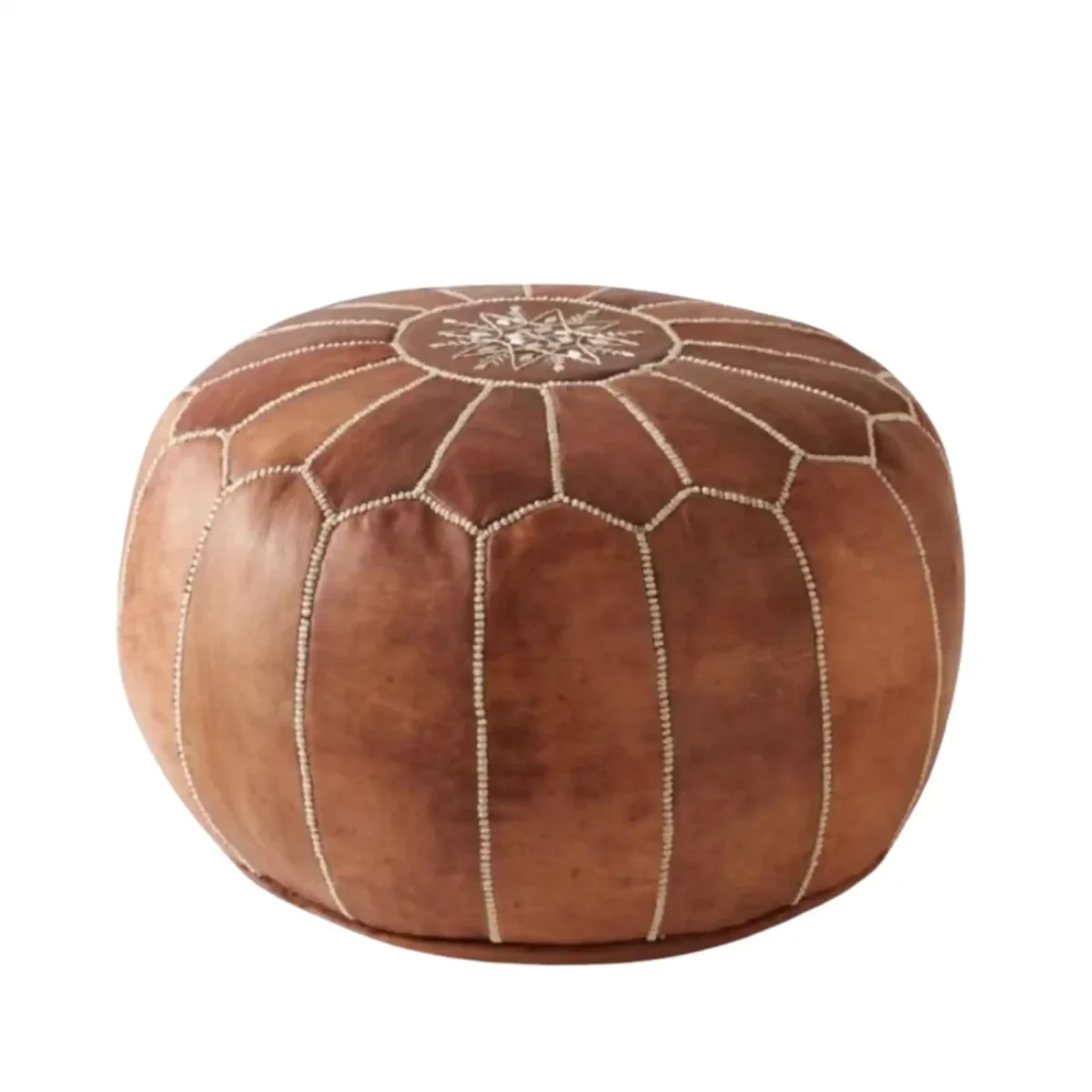
Out of stock
$138.00 Original price was: $138.00.$69.00Current price is: $69.00.
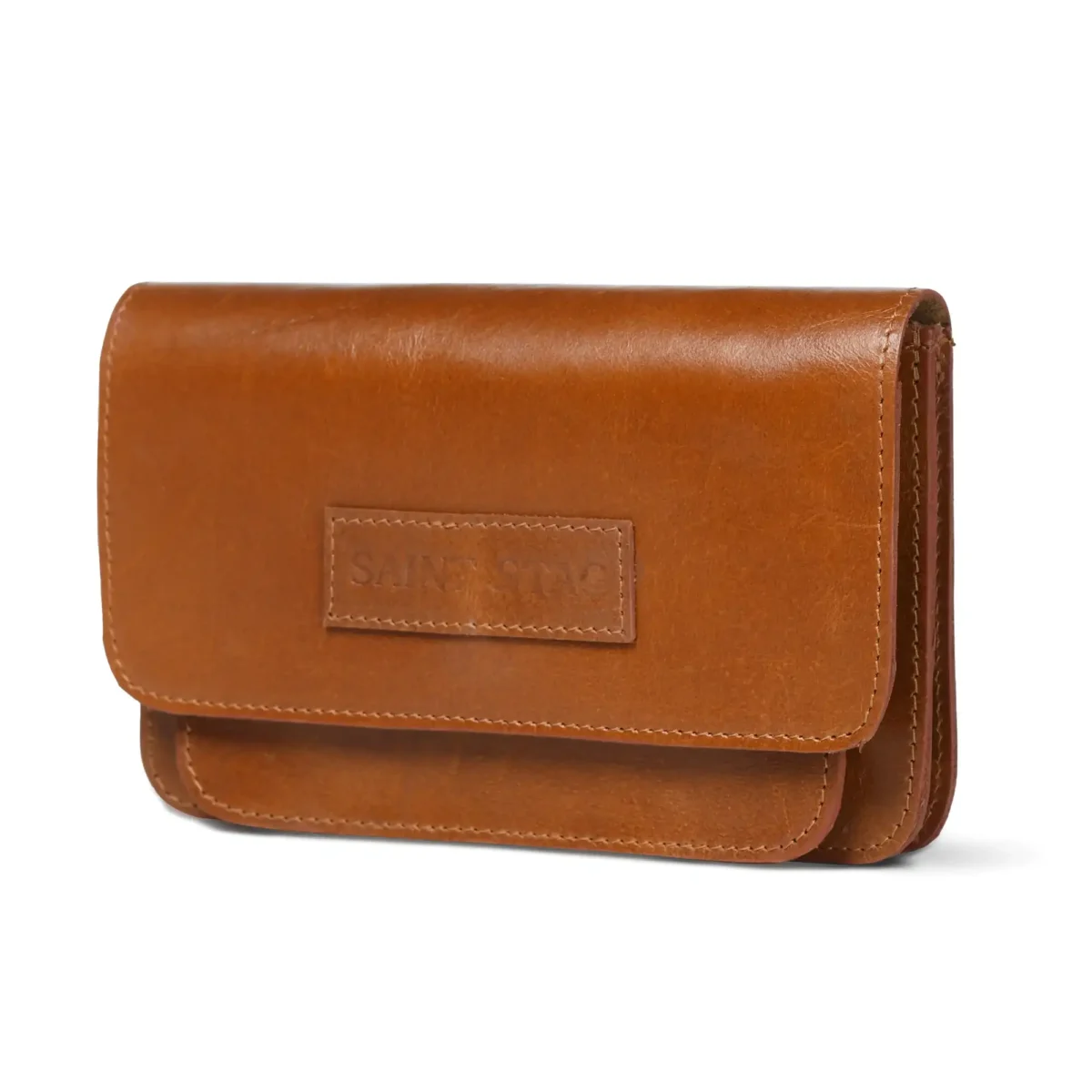
8 in stock
$84.00 Original price was: $84.00.$42.00Current price is: $42.00.
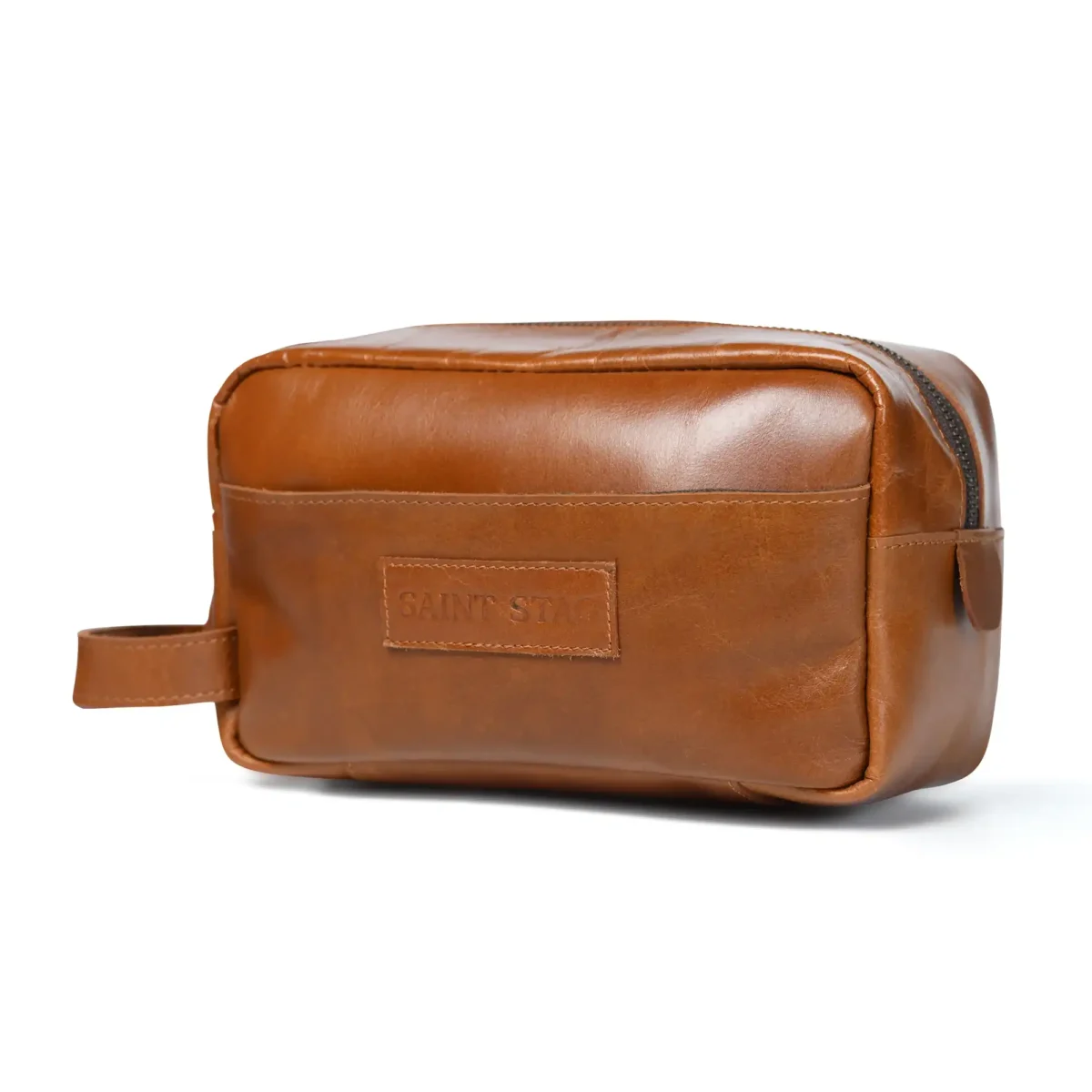
8 in stock
$90.00 Original price was: $90.00.$45.00Current price is: $45.00.
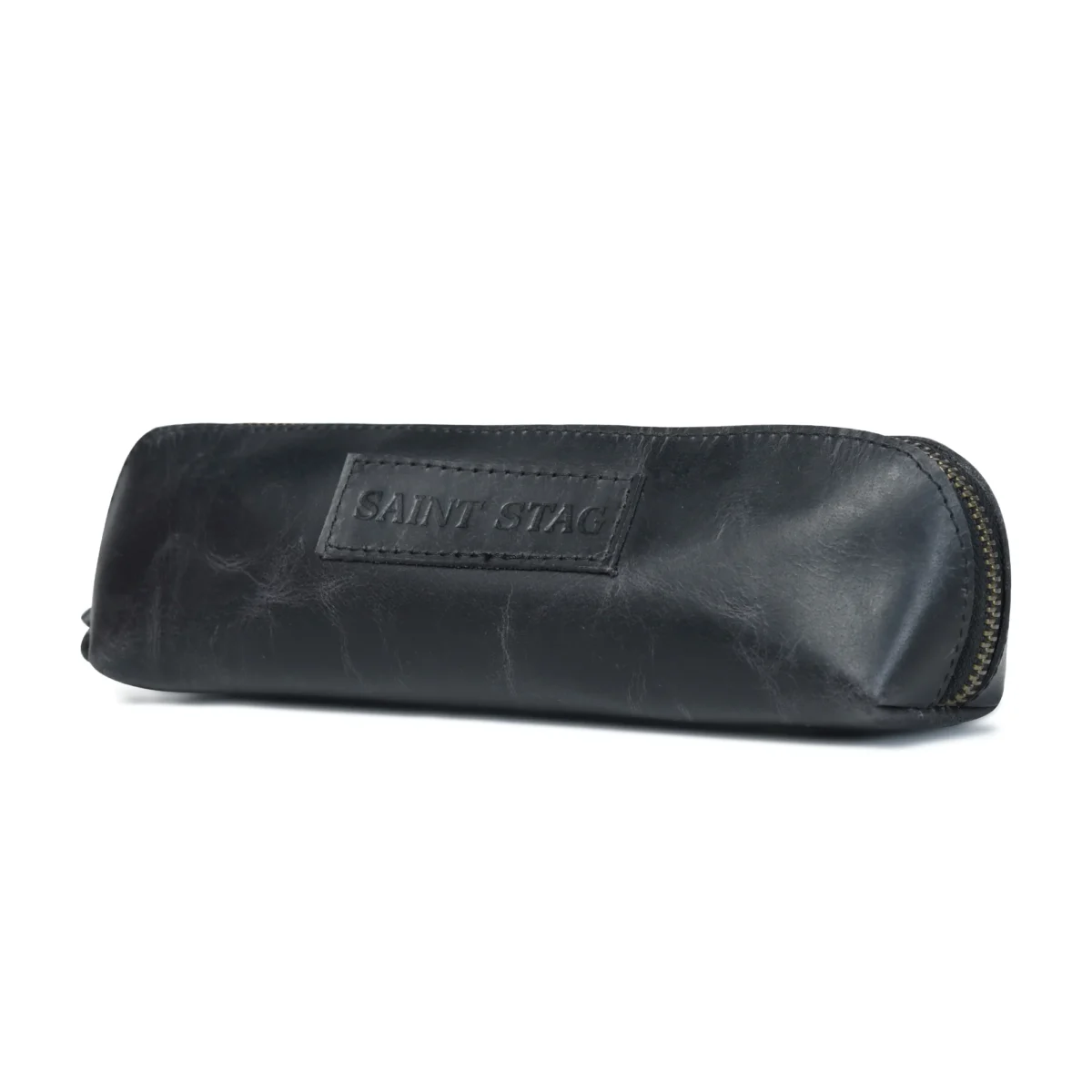
8 in stock
$70.00 Original price was: $70.00.$35.00Current price is: $35.00.
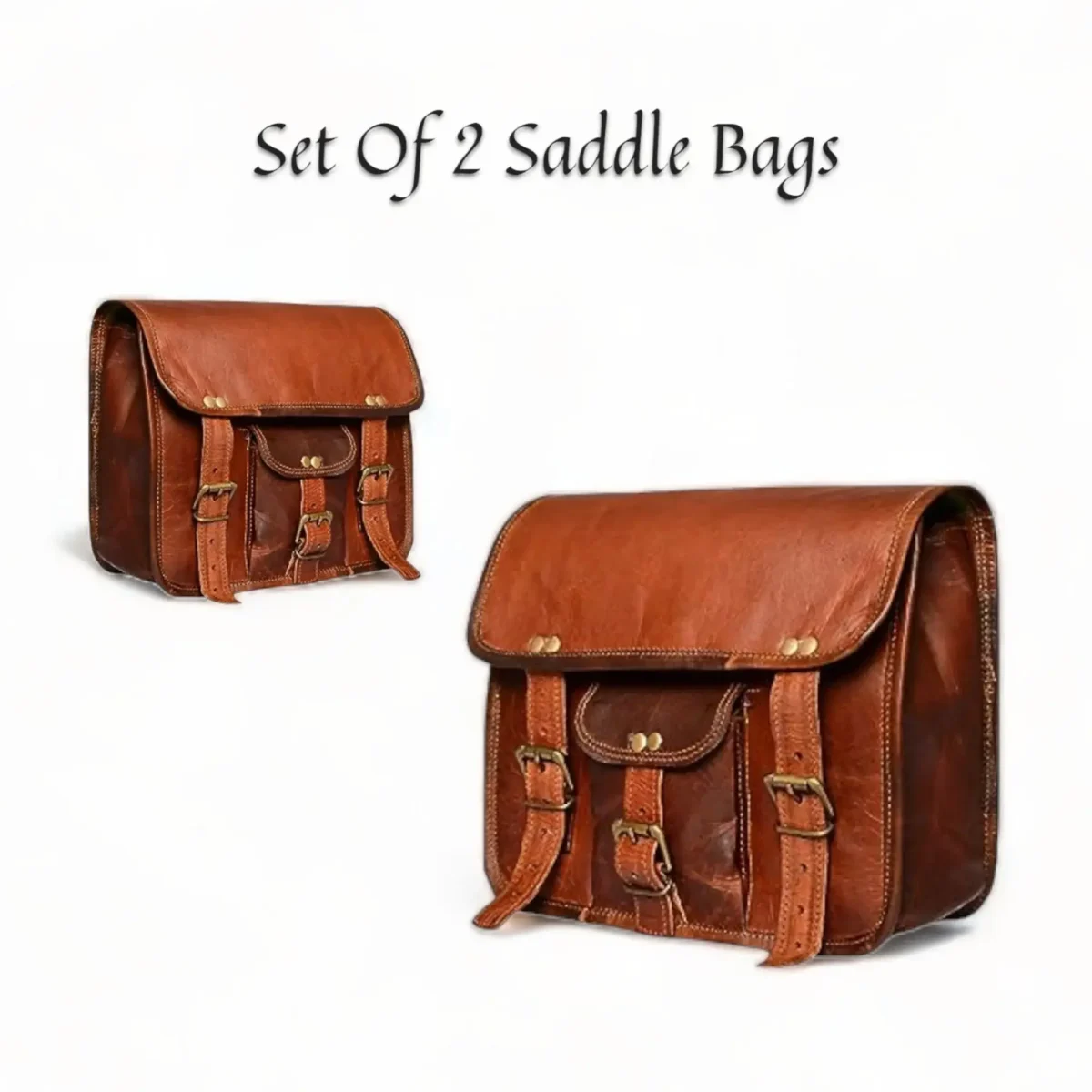
10 in stock
$130.00 Original price was: $130.00.$65.00Current price is: $65.00.
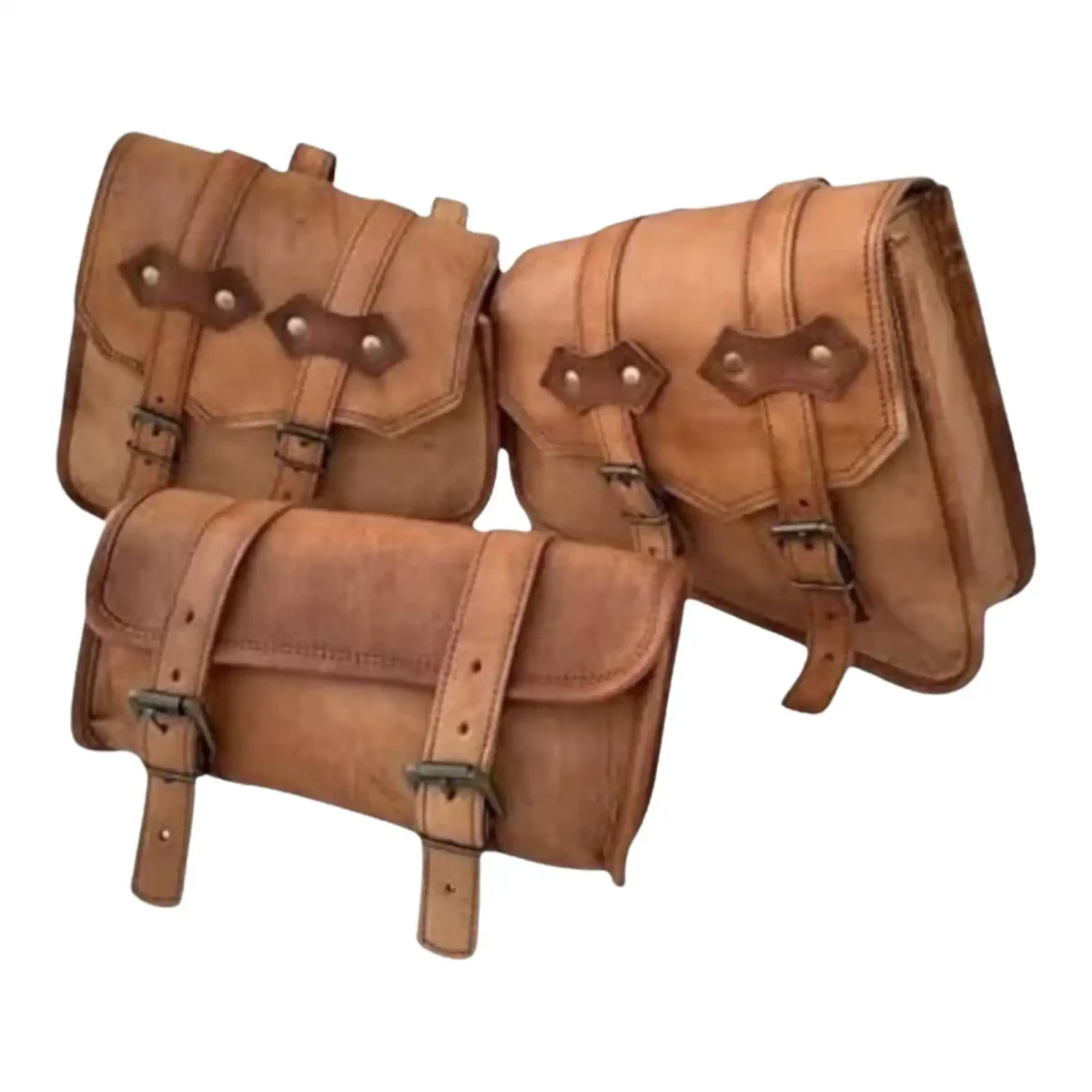
1 in stock
$98.00 Original price was: $98.00.$49.00Current price is: $49.00.

