🚛 FREE SHIPPING | LIFETIME REPAIR WARRANTY | 20% Sale: “FASHION20”
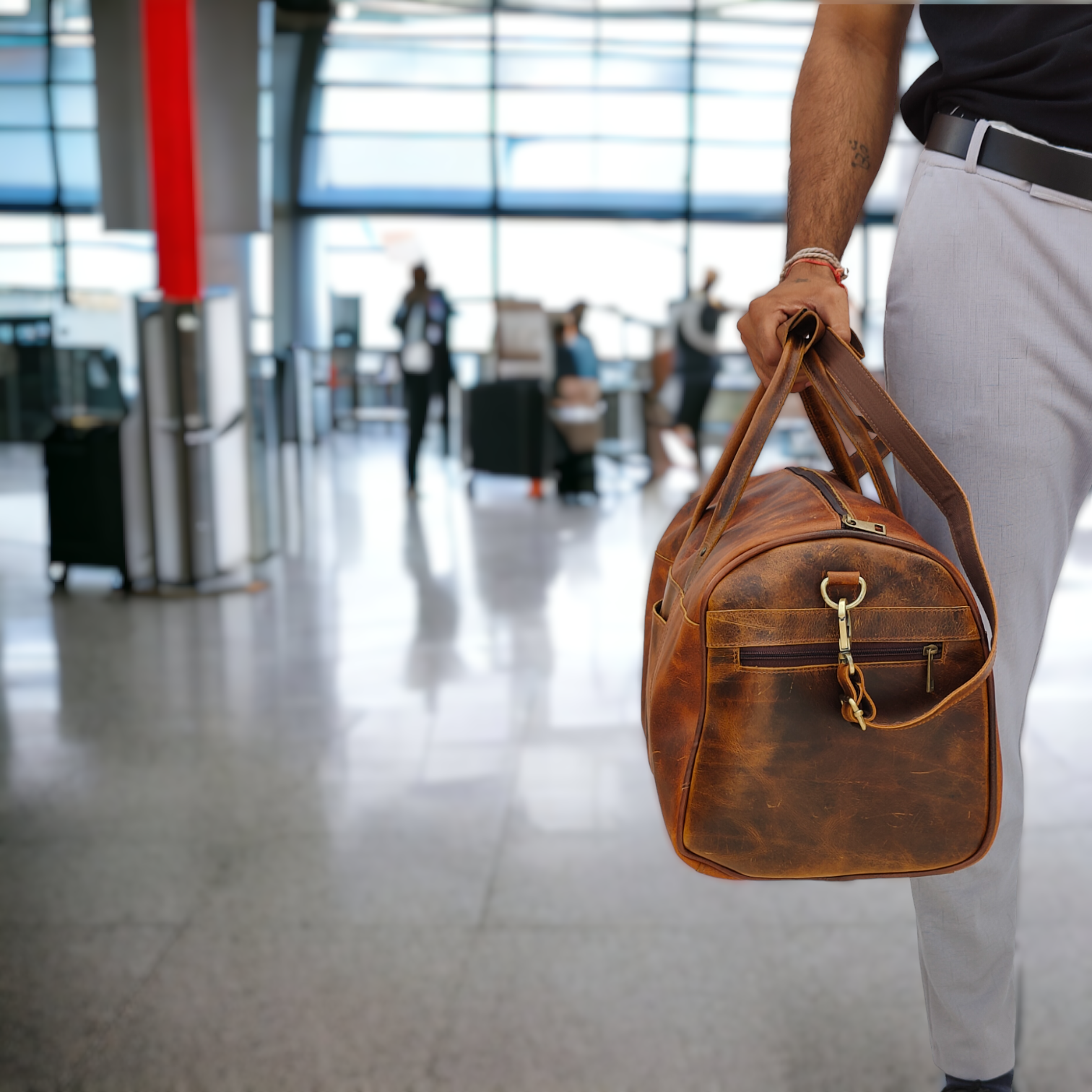
Has a frustrating stain ever marred the beautiful surface of your favorite leather bag? It is a common moment of panic for any owner of a high-quality, handcrafted leather item.
You invest in a bag known for its durability, unique character, and timeless appeal. Then, an accidental spill or mark threatens to diminish its charm. The good news is, many tough stains on leather bags can be safely and effectively removed with the right approach.
This guide is designed for Saint Stag owners and anyone who cherishes their leather goods. We will walk you through proven methods to tackle common culprits like ink, oil, and water marks. Our aim is to help you restore your bag’s pristine condition without causing further damage.
At Saint Stag, we believe in the lasting beauty and resilience of handcrafted leather. We are here to empower you with the knowledge to maintain your cherished companion for years to come. With careful attention and the correct techniques, you can keep your leather looking its best.
Crucial First Step: The Patch Test (Before Anything Else!)
Before you apply any cleaning solution to a noticeable stain, it is absolutely essential to perform a patch test. This step is non-negotiable for preserving your leather duffle bag’s integrity.
Choose a small, inconspicuous area on your bag. A hidden corner or the bottom interior are good spots. Apply a tiny amount of your chosen cleaning agent to this area.
Wait a few minutes to observe any adverse reactions. Look for discoloration, drying, or damage to the leather’s finish. If there are no negative changes, you can proceed with confidence to the stained area.
Essential Preparations: Setting the Stage for Stain Removal
Effective stain removal starts with preparation. Gathering your materials and understanding your leather type will significantly improve your chances of success.
Gather Your Tools
You will need a few common items for most stain removal tasks. These include several clean, soft cloths (microfiber works well), cotton swabs, a small bowl for mixing, distilled water, and a mild, pH-neutral soap specifically for leather or a very gentle dish soap.
Identify Your Leather Type
Different leather finishes react differently to cleaning agents. Saint Stag often uses full-grain and distressed leathers, which are known for their natural beauty and durability. However, they require careful handling to preserve their unique patinas.
Full-grain leather retains the natural grain, showing original marks and imperfections. Distressed leather has a worn or aged appearance. Always consider your specific leather type when choosing a method.
Act Fast
The golden rule of stain removal is to address the mark as quickly as possible. Fresh stains are significantly easier to remove than old, set-in ones. Immediate action can often prevent a minor mishap from becoming a permanent problem.
The 7 Safe Ways to Tackle Tough Stains
Here are seven reliable methods to help you remove stains from leather bag surfaces. Remember to always perform a patch test first.
Water marks, especially those caused by rain or spills, can leave unsightly rings on leather. The key here is to re-wet the area evenly.
Method: Slightly dampen a clean, soft cloth with distilled water. Gently rub the water mark from its center outwards, blending the moisture into the surrounding leather. This helps to soften the edges of the mark. Once the entire area is evenly damp, let it air dry naturally, away from direct heat or sunlight.
Saint Stag Tip: For full-grain leather, you might need to repeat this process a couple of times. After it dries, apply a high-quality leather conditioner to moisturize and blend the treated area with the rest of the bag.
Oil and grease stains can be tricky, but absorbent powders are your best defense. These powders draw out the oil from the leather fibers.
Method: As soon as you notice an oil or grease stain, gently blot away any excess liquid with a clean, dry cloth. Do not rub, as this can spread the stain. Then, generously sprinkle cornstarch, talcum powder, or baking soda directly onto the stain. Let the powder sit for several hours, or even overnight, to absorb the oil. After the waiting period, gently brush off the powder with a soft brush or a clean cloth.
Saint Stag Tip: Preventing oil stains is easier than removing them. Be mindful of placing your bag on oily surfaces. Regular conditioning also creates a slight barrier, making the leather less porous to future oil absorption.
Ink stains, especially from ballpoint pens, can be notoriously difficult to remove from leather. Precision and patience are crucial.
Method: For fresh ink marks, a cotton swab dipped in rubbing alcohol (isopropyl alcohol) can be effective. Lightly dab, do not rub, the ink stain. Use a clean part of the swab for each dab to avoid spreading the ink. Alternatively, some specialized leather ink removers are
available. For older, stubborn ink, a very small amount of non-gel, non-cream hairspray on a cotton swab can sometimes work, but always test this very carefully.
Saint Stag Tip: Distressed leather often has a more open pore structure, which can make ink penetrate deeper. Work slowly and gently. If the stain persists after a couple of light attempts, consider professional help rather than risking damage.
These dark, liquid stains need immediate attention to prevent them from setting into the leather fibers.
Method: Immediately blot the spill with a clean, absorbent cloth to remove as much liquid as possible. Avoid rubbing. Next, mix a tiny drop of mild dish soap or saddle soap with distilled water to create a very light sudsy solution. Dampen a clean cloth with this solution and gently wipe the stained area. Follow up with a cloth dampened only with distilled water to remove any soap residue. Pat dry and allow to air dry completely.
Saint Stag Tip: For wine stains, a paste made from cream of tartar and lemon juice can sometimes work. Apply it to the stain, let it sit for a few minutes, then gently wipe away. This method is more aggressive and requires a very thorough patch test first.
Everyday use can lead to a general accumulation of dirt and grime, especially in creases and corners of your leather bag.
Method: Start by wiping down the entire bag with a dry, soft cloth to remove loose dust. Then, dampen a cloth with distilled water and a small amount of mild leather cleaner or pH neutral soap. Gently wipe the dirty areas in small sections, avoiding excessive moisture. Finish by wiping with a separate, clean, damp cloth to remove any cleaner residue, then pat dry.
Saint Stag Tip: Make routine cleaning a habit for your daily use bags. A quick wipe-down once a week can prevent dirt from building up and becoming ingrained. This maintains the bag’s fresh appearance and prolongs its life.
Dye transfer, often from dark denim jeans rubbing against a lighter-colored leather bag, can leave noticeable smudges. This type of stain requires careful and often repeated attention.
Method: For fresh dye transfer, a gentle wipe with a cloth dampened with a mild leather cleaner might be sufficient. For more stubborn cases, specialized dye transfer removers are available. Always follow the product instructions precisely and perform a thorough patch test. Apply the remover to a clean cloth and gently blot and wipe the affected area. Avoid aggressive scrubbing.
Saint Stag Tip: Prevention is key for new bags. Be aware of dark, new clothing that might bleed dye, especially when carrying lighter-colored leather. Using a protective leather spray can create a barrier against dye transfer.
Over time, your leather bag will inevitably acquire minor scuffs and marks. These are often part of the leather’s natural aging process and contribute to its unique character.
Method: For very minor, superficial scuffs, sometimes gentle buffing with a clean, soft cloth can help. The natural oils from your skin can also sometimes minimize light marks. For slightly deeper but still superficial scuffs, a good quality leather balm or conditioner can help to moisturize the area and make the scuff less noticeable, blending it into the leather’s surface.
Saint Stag Tip: At Saint Stag, we appreciate the journey of your bag. Minor scuffs and marks tell a story and contribute to the rich patina of full-grain leather. Embracing these marks as part of its character can add to your bag’s unique charm, rather than trying to remove every single one.
Post-Stain Care: Restoring & Protecting Your Leather Investment
After successfully removing a stain, your work is not quite finished. Proper post-stain care is essential to ensure the leather remains hydrated, supple, and protected.
Conditioning is Key
Cleaning, even with mild solutions, can sometimes strip natural oils from the leather. This can lead to dryness and potential cracking over time. Conditioning replenishes these vital oils.
Apply a high-quality leather conditioner after any significant cleaning. Use a clean, soft cloth to gently rub a small amount of conditioner into the leather in circular motions. Allow it to
soak in, then buff off any excess with a clean, dry cloth.
Rehydrating the Leather
Maintaining the leather’s moisture balance is crucial for its longevity and appearance. A well hydrated leather bag is more resistant to cracking, fading, and future staining.
Regular conditioning, especially in dry climates, ensures the leather remains supple. Consider conditioning your bag every 3-6 months, or more frequently if it sees heavy use or exposure to harsh elements.
Protection
Adding a layer of protection can significantly reduce the likelihood of future stains and water damage. Many leather protection sprays are available that create an invisible barrier.
Ensure any protectant you choose is suitable for your specific leather type. Apply it according to the product instructions, typically in light, even coats. Proper storage in a dust bag, away from direct sunlight and extreme temperatures, also safeguards your bag.
Common Mistakes to Avoid (and Why They Harm Your Bag)
While the desire to fix a stain quickly is understandable, certain actions can cause irreversible damage to your leather bag. Knowing what not to do is as important as knowing what to do.
Harsh Chemicals
Never use household cleaners like bleach, ammonia-based products, furniture polish, or abrasive scrubbers on your leather bag. These chemicals are too strong for leather. They can strip its natural oils, cause discoloration, drying, and irreparable damage to the finish.
Excessive Rubbing or Scrubbing
Aggressive rubbing or scrubbing, especially with a coarse cloth, can damage the leather’s surface. It can spread the stain, remove the finish, or create permanent scuffs. Always use gentle blotting and light wiping motions.
Over-Wetting the Leather
Leather does not like excessive water. Over-wetting can lead to water marks, swelling, stretching, and potential mold growth if not dried properly. Use only slightly damp cloths and distilled water when possible.
Direct Heat Drying
After cleaning, never use direct heat sources like hair dryers, radiators, or direct sunlight to dry your leather bag. Rapid drying can cause the leather to shrink, crack, and become stiff. Always allow it to air dry naturally in a cool, well-ventilated area.
Ignoring the Patch Test
Skipping the patch test is a gamble that can lead to catastrophic results. Always test any cleaning agent on an inconspicuous area first. This simple step can save your bag from permanent damage.
When to Call the Professionals: Knowing Your Limits
While many stains can be safely removed at home, there are times when professional intervention is the best course of action. Recognizing your limits is crucial to preserving your valuable leather bag.
When DIY isn’t enough: If you are dealing with a deep-set, old, or particularly stubborn stain that does not respond to gentle DIY methods, it is time to seek expert help. Delicate leathers, antique bags, or extensive damage also warrant professional attention. Do not risk further damage by attempting overly aggressive home remedies.
The value of professional restoration for Saint Stag products cannot be overstated. Professionals have access to specialized tools, cleaners, and techniques that can restore your bag without compromising its integrity. They understand different leather types and their unique care requirements, ensuring your investment is in safe hands.
Preserve Your Legacy: The Long Life of a Saint Stag Bag
Your Saint Stag leather bag is more than just an accessory; it is a companion on your journey, designed to last and tell a story through its unique patina. Proper care, including effective stain removal and consistent maintenance, ensures its longevity.
By understanding how to safely remove stains and proactively care for your leather, you are preserving its beauty and durability. This commitment to care reflects the craftsmanship and
quality inherent in every Saint Stag item.
We encourage you to explore Saint Stag’s collection of durable, handcrafted leather goods. Each piece is made to stand the test of time, and with your diligent care, it will truly become a lasting legacy.
Frequently Asked Questions
Q: My expensive leather bag has an ink stain! What is the absolute safest thing I can do right now to get it out without ruining the leather?
A: Act quickly! Gently blot the fresh ink with a clean, dry cloth. Then, use a cotton swab lightly dampened with rubbing alcohol. Dab only the ink, avoiding rubbing. Use a clean part of the swab for each dab to prevent spreading. Always do a patch test first in an inconspicuous area.
Q: I am worried about using harsh chemicals. Are there any natural or common household items that can effectively remove stains from leather bags without causing discoloration or drying?
A: Yes, for grease and oil, cornstarch or baking soda are excellent natural absorbents. For mild dirt or coffee/wine stains, a tiny drop of pH-neutral dish soap diluted in distilled water can be effective. Always perform a patch test on a hidden spot to ensure no discoloration or drying occurs.
Q: How can I tell if my leather bag stain is something I can fix myself, or if I absolutely need to take it to a professional to avoid making it worse?
A: If a fresh, minor stain (like a small water mark or light dirt) does not respond to gentle, basic cleaning methods, or if the stain is large, deep, old, or on delicate leather, it is best to consult a professional. If you are unsure or fear causing more damage, a professional leather restorer is always the safest option.
Q: After I manage to get a stain out, what steps should I take immediately to ensure the leather does not dry out, crack, or lose its original look and feel?
A: After the treated area is completely air dry, immediately apply a high-quality leather conditioner. This replenishes lost moisture and oils, keeping the leather supple and
preventing dryness or cracking. Gently buff it in with a clean, soft cloth. This helps restore the leather’s original texture and appearance.
Q: I just bought a beautiful new Saint Stag leather bag. What can I do preventatively to protect it from future stains and minimize the need for major cleaning?
A: Regularly condition your new bag to create a protective barrier. You can also apply a leather protector spray suitable for your specific leather type. Avoid placing your bag on dirty or oily surfaces, and be mindful of dye transfer from new clothing. Storing it in a dust bag when not in use also helps.
Out of stock
$138.00 Original price was: $138.00.$69.00Current price is: $69.00.
8 in stock
$84.00 Original price was: $84.00.$42.00Current price is: $42.00.
8 in stock
$90.00 Original price was: $90.00.$45.00Current price is: $45.00.
8 in stock
$70.00 Original price was: $70.00.$35.00Current price is: $35.00.

10 in stock
$130.00 Original price was: $130.00.$65.00Current price is: $65.00.
1 in stock
$98.00 Original price was: $98.00.$49.00Current price is: $49.00.