🚛 FREE SHIPPING | LIFETIME REPAIR WARRANTY | 20% Sale: “FASHION20”
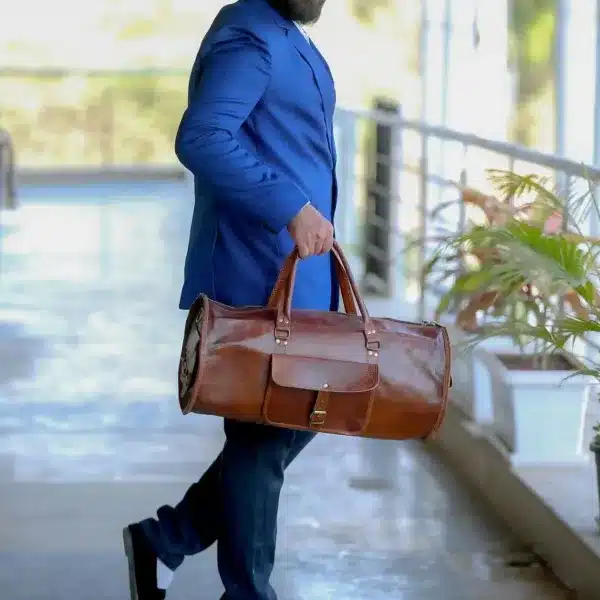
Are you looking to keep your cherished vintage leather bag looking its best for years to come? Every vintage leather bag tells a unique story, carrying the charm of its past adventures. These aren’t just accessories; they are timeless investments. To truly honor their character and ensure their longevity, specialized care is essential. Unlike new leather, vintage pieces have unique needs due to their age, tanning methods, and prior use. This guide will provide you with practical, actionable strategies to clean, condition, and protect your prized possession. Let’s explore the secrets to extending the life and beauty of your vintage leather bag.
Understanding Your Vintage Leather: A Foundation for Care
Caring for vintage leather starts with truly understanding what makes it special. Its unique characteristics are what give it so much appeal. Recognizing these qualities helps you choose the right care methods and products.
The Unique Nature of Vintage Leather
Age and history significantly impact vintage leather. Over the years, the leather fibers can dry out, become stiff, or develop unique patinas. Previous owners might have used various products, adding to its distinct character. Tanning methods also play a role. Older techniques might result in leather that reacts differently to modern cleaners and conditioners. Respecting these aspects is key to preservation.
Identifying Your Leather Type
Knowing your leather type guides your care decisions. Full-grain leather is the most durable, showing natural imperfections, and is generally more porous. Top-grain leather has had its top layer sanded, making it softer but slightly less durable. Special finishes like patent leather (shiny, coated), suede or nubuck (napped, velvety), and distressed leather (intentionally aged look) each require specific attention. Additionally, vegetable-tanned leather darkens and softens with age, while chrome-tanned leather is often softer and more uniform. Each type responds differently to cleaning and conditioning.
Common Signs of Aging & Wear
Vintage leather often shows specific signs of its journey through time. You might notice dryness, which can lead to cracking if left unaddressed. Scuffs and scratches are common, telling tales of past adventures. Fading can occur from sun exposure, altering the original color. Additionally, old leather can be susceptible to mold or mildew if stored in damp conditions. Recognizing these signs early helps you intervene effectively.
Essential Vintage Leather Bag Care Toolkit
To properly care for your vintage leather bag, having the right tools and products on hand is crucial. A well-equipped toolkit ensures you can tackle cleaning, conditioning, and protection tasks effectively. Choose items specifically designed for leather, and always prioritize gentle options for vintage pieces.
Start with the basics. A soft-bristle brush, like an old toothbrush or a dedicated leather brush, helps remove loose dirt from crevices. Several clean microfiber cloths are indispensable for
wiping, applying products, and buffing. A gentle sponge can be useful for spot cleaning.
Cleaning Agents
For general cleaning, a mild, pH-neutral soap or specialized saddle soap is ideal. Always dilute soap with distilled water to avoid mineral deposits. Look for cleaners formulated specifically for vintage or aged leather. Avoid harsh chemicals or abrasive cleaners which can strip natural oils.
Conditioning Products
Conditioners rehydrate and nourish the leather fibers. Natural leather balms, made from beeswax or natural oils, are excellent choices. Oils like mink oil or neatsfoot oil can be effective but use sparingly, as they can darken leather. Cream conditioners are also good, but avoid petroleum-based products which can clog pores.
Protection & Storage Essentials
Leather protector sprays can offer a shield against moisture and stains, though their effectiveness varies on vintage leather. Breathable dust bags are vital for storage, preventing dust buildup while allowing air circulation. Acid-free tissue paper helps maintain the bag’s shape without causing discoloration. Humidity absorbers like silica gel packets can protect against moisture in storage.
Step-by-Step Vintage Leather Bag Cleaning Process
Regular cleaning is fundamental to preserving your vintage leather bag’s beauty and longevity. A gentle, systematic approach will ensure you remove dirt without causing damage. Always work slowly and observe how the leather reacts to each step.
Initial Inspection & Preparation
First, empty your bag completely. Open all pockets and check for any forgotten items. Gently brush off any loose dust, dirt, or debris with a soft-bristle brush. Before applying any product, always perform a small spot test on an inconspicuous area, like the inside of a flap, to check for discoloration or adverse reactions.
Surface Dusting & Wiping
This is the crucial first step for all vintage bags. Use a clean, dry microfiber cloth to wipe down the entire surface, including straps and hardware. This removes superficial dust and
grime that can scratch the leather during deeper cleaning. Regular dusting alone can significantly extend the life of your bag.
Gentle Cleaning for Dirt & Grime
For dirt that dusting can’t remove, prepare a mild soap solution. Mix a small amount of pH neutral soap or saddle soap with distilled water. Dampen a clean cloth or sponge with the solution, ensuring it’s not soaking wet, and gently wipe the leather surface in small sections. Avoid saturating the leather. If using a specialized vintage leather cleaner, follow the product instructions carefully. Apply it sparingly and evenly. Always use a light touch to prevent rubbing off the patina or causing damage to delicate aged leather.
Proper Drying
After cleaning, use a dry, clean microfiber cloth to gently wipe off any excess moisture or cleaning solution. Allow your bag to air dry naturally in a well-ventilated area, away from direct sunlight or any heat sources. Never use a hairdryer or place it near a radiator, as rapid drying can cause the leather to crack and stiffen. Patience is key to preserving the leather’s integrity.
Deep Conditioning: Restoring Suppleness and Preventing Cracks
Conditioning is a critical step in vintage leather care, especially for aged pieces. It replenishes the natural oils that leather loses over time, keeping it flexible and preventing common issues like dryness and cracking. Think of it as moisturizing your leather.
Why Conditioning is Vital for Aged Leather
Over the years, leather fibers can become brittle and lose their elasticity. Conditioning rehydrates these fibers, restoring their natural suppleness. This not only improves the leather’s feel but also creates a protective barrier against future wear and tear. Regular conditioning helps maintain the leather’s rich appearance and prolongs its life.
Choosing the Right Conditioner
For vintage leather, always opt for conditioners that focus on natural, nourishing ingredients. Products containing beeswax, lanolin, or natural oils are excellent choices. Avoid harsh chemicals, silicone-based products, or petroleum distillates, as these can dry out or damage aged leather over time. Always check the ingredient list carefully.
Application Techniques
Apply a small amount of conditioner to a clean, soft cloth. Work the conditioner into the leather in small circular motions, ensuring even coverage. Don’t over-apply; a thin, even coat is more effective than a thick one. Allow the conditioner to penetrate the leather for about 10- 15 minutes, then gently buff off any excess with a clean, dry cloth until a soft sheen appears.
Conditioning Frequency
The frequency of conditioning depends on several factors: your climate, how often you use the bag, and the leather’s current condition. In dry climates or with frequently used bags, conditioning every 3-6 months might be necessary. For bags stored most of the time, once or twice a year should suffice. Always assess your bag’s dryness and flexibility as your guide.
Protecting Your Investment: Proactive Measures
Beyond cleaning and conditioning, proactive protection is essential for your vintage leather bag. These measures help shield it from everyday hazards and environmental damage. By implementing these tips, you can significantly extend the life and beauty of your cherished item.
Water and Stain Repellents
While many modern leather protectors exist, exercise caution with vintage leather. Some older leathers may react unpredictably. If you choose to use one, select a product specifically safe for aged leather and always spot test first. These repellents create a barrier against light moisture and spills, but they are not foolproof and their effectiveness on vintage can be limited.
Guarding Against Scratches and Scuffs
Daily handling habits play a big role. Avoid placing your bag on rough surfaces that could cause abrasions. Be mindful of sharp objects in your bag or around it. When setting it down, try to use a soft, clean surface. Small scuffs are part of the vintage charm, but preventing deep scratches helps preserve the leather’s integrity.
Sun, Heat, and Humidity Control
These elements are formidable enemies of vintage leather. Prolonged exposure to direct sunlight can fade and dry out the leather, leading to cracking. High heat can accelerate drying and stiffening. Excessive humidity encourages mold and mildew growth. Always store
your bag in a cool, dark, and moderately dry environment. Never leave it in a hot car or near a window.
Tackling the Infamous “Vintage Smell”
That distinct “old” or musty smell is common in vintage items. To minimize it, ensure your bag is well-ventilated after cleaning. You can place open containers of baking soda or activated charcoal inside the bag for a few days to absorb odors. Airing the bag out in fresh air (but not direct sunlight) can also help. Avoid using strong perfumes directly on the leather, as they can stain or leave chemical residues.
Troubleshooting Common Vintage Leather Bag Problems
Even with the best care, vintage leather bags can encounter issues. Knowing how to address common problems can save your bag from further damage. Always proceed with caution and a gentle approach, as aged leather can be delicate.
Stain Removal Guide
Water stains often appear as dark marks. To address them, gently blot the fresh stain immediately. If dry, lightly re-wet the stained area with a damp cloth and allow it to air dry evenly to prevent a water line. For oil or grease stains, sprinkle cornstarch or talcum powder directly on the stain. Let it sit overnight to absorb the oil, then gently brush it off. Ink marks are tricky; for these, it’s often best to consult a professional to avoid irreversible damage. Mold and mildew can be removed by gently wiping the affected area with a cloth slightly dampened with a mixture of equal parts rubbing alcohol and water. Ensure the bag dries completely in a well-ventilated area afterward to prevent recurrence. Proper prevention through controlled humidity is key.
Reviving Dry, Stiff, or Cracking Leather
If your leather is very dry or stiff, it needs intensive conditioning. Apply a high-quality leather balm or oil specifically designed for aged leather more frequently than usual. Work it in thoroughly, allowing plenty of time for absorption between applications. For light cracks, continuous conditioning can improve flexibility and minimize their appearance. Deep cracks, however, may require professional repair.
Addressing Faded Color
Slight fading can sometimes be improved with consistent conditioning, as it brings out the natural oils and richness of the leather. If the color loss is significant, gentle touch-ups with
specialized leather dyes are possible, but this is a delicate process. For best results and to maintain the bag’s vintage appeal, professional re-dyeing or restoration is often the safest option.
Caring for Hardware
The metal hardware on your bag also needs attention. Clean buckles, zippers, and clasps with a soft, dry cloth. For tarnished metal, a tiny amount of metal polish applied with a cotton swab can restore shine. Be extremely careful to prevent any polish from touching the leather, as it can cause stains or discoloration. Always wipe away any residue immediately.
Long-Term Storage for Cherished Vintage Bags
Proper storage is as crucial as regular cleaning and conditioning for your vintage leather bag. It protects your investment from environmental damage and helps maintain its shape and condition while not in use. A little foresight goes a long way in preservation.
Preparing Your Bag for Storage
Before tucking your bag away, ensure it is thoroughly cleaned and conditioned. This prevents dirt from becoming ingrained and keeps the leather supple. Empty all contents, including any small items or dust from pockets. Make sure the bag is completely dry inside and out to prevent mold growth during storage.
Maintaining Shape
To prevent your bag from collapsing and creasing, gently stuff it with acid-free tissue paper. This helps maintain its original silhouette. Avoid using newspaper, as the ink can transfer to the interior lining. Inflatable bag inserts are another excellent option for preserving structural integrity without adding unnecessary weight.
The Ideal Storage Environment
The best place to store your vintage leather bag is a cool, dark, dry, and well-ventilated space. Avoid attics, basements, or garages where temperature and humidity can fluctuate wildly. Consistent conditions are key to preventing drying, cracking, or mold. A closet away from direct sunlight is usually suitable.
Breathable Dust Bags
The unsung hero of vintage bag protection is the breathable dust bag. These fabric bags protect your leather from dust accumulation while allowing air to circulate. Never store your bag in a plastic bag or airtight container, as this traps moisture and can lead to mildew and degradation of the leather. A cotton or felt dust bag is perfect.
When to Seek Professional Help (DIY vs. Expert Restoration)
While many basic care tasks can be handled at home, there are times when a vintage leather bag requires the skilled hand of a professional. Knowing when to call in an expert can prevent irreversible damage and ensure your investment is properly preserved. It’s about recognizing the limits of DIY.
Recognizing When to Call a Pro
You should consider professional help for extensive damage, such as deep tears, major structural issues, or severe discoloration. Complex stains, like significant ink marks or large oil spills, are also best left to experts. If your bag has significant historical value or is an irreplaceable designer piece, professional intervention is highly recommended.
What a Professional Leather Restorer Can Do
A professional leather restorer possesses specialized tools, knowledge, and products unavailable to the average owner. They can perform intricate repairs, expertly clean and condition delicate aged leather, re-dye faded areas to match original colors, and even address structural problems. Their expertise can truly bring a cherished vintage bag back to life without compromising its integrity.
Finding a Reputable Specialist
Finding a trustworthy professional is crucial. Look for restorers with specific experience in vintage or antique leather. Ask for references, review their portfolio, and inquire about their techniques and products. Don’t hesitate to ask questions about their process and what to expect regarding turnaround time and cost. A reputable specialist will be transparent and provide a clear assessment of your bag’s needs.
Conclusion: Your Vintage Bag, Rejuvenated and Protected
Caring for your vintage leather bag is more than just maintenance; it’s an act of preservation. By understanding its unique needs and consistently applying these cleaning, conditioning, and protection strategies, you ensure your cherished investment continues its story for generations. The journey of leather care is rewarding, bringing renewed life and beauty to your timeless piece. Embrace these practical steps and feel confident in preserving the character of your bag. We invite you to explore our collection of handcrafted leather goods, where quality and timeless design meet.
Frequently Asked Questions About Vintage Leather Bag Care
How can I prevent my vintage leather bag from drying out and cracking, especially if it’s already showing signs of age and wear?
The best prevention is regular conditioning with a high-quality, natural leather balm or cream. Apply a thin layer every 3-6 months, or more often in dry climates, to keep the leather hydrated and supple. Store your bag away from direct heat or sunlight, which can accelerate drying.
What’s the best and safest way to remove common stains like water marks, oil, or even mildew from an old leather bag without damaging its delicate finish or altering its unique patina?
For water marks, gently re-wet the entire stained area with a damp cloth and let it air dry evenly. For oil stains, sprinkle cornstarch or talcum powder, let it sit overnight, then brush off. Mildew can be wiped with a cloth dampened with equal parts rubbing alcohol and water. Always spot test first on an inconspicuous area.
I’m confused about which leather care products are suitable for vintage leather. What specific ingredients or types of conditioners/cleaners should I look for, and which should I absolutely avoid to protect my investment?
Look for pH-neutral cleaners and conditioners made with natural ingredients like beeswax, lanolin, or natural oils. Avoid products containing harsh chemicals, silicone, or petroleum based ingredients, as these can dry out or damage aged leather. Always read labels carefully and prioritize gentle formulations.
My vintage leather bag has a distinct ‘old’ or musty odor. How can I effectively and safely remove this smell and keep the bag fresh, especially when storing it for long periods?
To remove musty odors, air out your bag in a well-ventilated area away from direct sunlight for several days. Place open containers of baking soda or activated charcoal inside the bag to absorb smells. Avoid using strong perfumes directly on the leather, which can cause new stains.
At what point should I stop attempting DIY cleaning or restoration on my vintage leather bag and consider taking it to a professional for repair or specialized treatment?
If your bag has extensive damage such as deep tears, significant cracking, severe discoloration, or complex stains like ink, it’s best to seek professional help. Professionals have specialized tools and expertise to address these issues without risking further damage to your cherished vintage item.
6 in stock
$138.00 Original price was: $138.00.$69.00Current price is: $69.00.
8 in stock
$84.00 Original price was: $84.00.$42.00Current price is: $42.00.
8 in stock
$90.00 Original price was: $90.00.$45.00Current price is: $45.00.
8 in stock
$70.00 Original price was: $70.00.$35.00Current price is: $35.00.
10 in stock
$130.00 Original price was: $130.00.$65.00Current price is: $65.00.
1 in stock
$98.00 Original price was: $98.00.$49.00Current price is: $49.00.