🚛 FREE SHIPPING | LIFETIME REPAIR WARRANTY | 20% Sale: “FASHION20”
You’ve invested in a beautiful leather bag, perhaps a timeless messenger bag, a sturdy duffle, or a versatile backpack from a brand like Saint Stag. These aren’t just accessories; they are often cherished items, even family heirlooms. But over time, leather can crack, sag, or lose its elegant shape if not cared for properly. This guide will show you simple, effective ways to protect your leather bags, ensuring they look great for years.Proper storage is key to preserving your leather. It prevents common problems like unsightly creases, dryness that leads to cracking, and the dreaded sag that can ruin a bag’s silhouette. Think of it as protecting your investment.
Leather is a natural material. It “breathes” and changes over time, much like our own skin. This unique quality gives it character but also makes it vulnerable to environmental factors. Things like too much humidity, extreme dryness, or direct sunlight can cause serious damage.Cracking often happens when leather loses its natural oils and moisture, becoming brittle. Sagging occurs when the bag’s structure isn’t supported, letting gravity take its toll. Losing shape is a result of improper stuffing or crushing. By understanding these basics, you can take smart steps to prevent them.
Before you tuck away your bag, a little preparation goes a long way. This ensures your bag is clean and protected before it rests. It’s like preparing your car for a long trip.
Always clean your leather bag before storing it. Dirt, dust, and body oils can set into the leather over time, causing permanent stains or deterioration. Use a soft, damp cloth to gently wipe down the exterior. For tougher spots, a specialised leather cleaner is best.Always test any cleaner on a small, hidden area first to make sure it doesn’t discolour the leather. Avoid harsh chemicals, alcohol-based wipes, or excessive water. These can strip the leather of its natural moisture.
After cleaning, conditioning is crucial. A good leather conditioner replenishes the natural oils in the leather, keeping it supple and preventing it from drying out and cracking. Apply a small amount of conditioner with a clean, soft cloth.Gently rub it into the leather in circular motions. Let it absorb for a few minutes, then buff off any excess. This step is like moisturising your skin; it keeps the leather soft and flexible for longer periods of storage.
Before storage, make sure your bag is completely dry. Any lingering moisture can lead to mould and mildew, which are very difficult to remove. If your bag has gotten wet, let it air dry naturally at room temperature, away from direct heat sources or sunlight.Ensure good air circulation around the bag as it dries. This prevents moisture from getting trapped. Proper drying is a simple but vital step to protect your leather’s health.
Where you store your bag is just as important as how you prepare it. The right environment protects against common adversaries like humidity, light, and stagnant air.
Leather thrives in a stable environment. Extreme temperatures can cause leather to dry out and crack or become sticky. High humidity encourages mould growth. Aim for a cool, dry place with consistent room temperature.Ideally, relative humidity should be between 40-60%. If you live in a very humid area, consider using silica gel packets inside your bag or a small dehumidifier in your closet. In very dry climates, a humidifier might be helpful, but generally, avoiding direct heat is enough.
Direct sunlight is very damaging to leather. It can fade the colour, dry out the material, and even cause it to crack over time. Always store your leather bags away from windows or any direct light sources.Even strong artificial light over long periods can cause harm. A dark closet or a cabinet is usually the best place. Keeping your bag covered with a dust bag also provides excellent light protection.
Leather needs to breathe. Storing bags in airtight containers, like plastic bags or tightly sealed boxes, can trap moisture and chemicals. This leads to dry rot, mould, and an unpleasant odour.Ensure your storage area has good airflow. This prevents stale air from damaging the leather. Open shelving or breathable fabric storage bags are far better than plastic.
Different bag styles have different storage needs to maintain their unique structure. Pay attention to how each bag is designed to give it the best support.
Vintage leather messenger bags often have a flap and a distinct body shape. To prevent the flap from creasing or the body from collapsing, stuff the main compartment with acid-free tissue paper or soft, clean towels. Make sure it’s full enough to support the bag’s shape without over-stuffing. Lay the flap flat and consider placing a piece of acid-free tissue paper underneath it to prevent impressions on the main body.
Duffle bags are known for their spacious, often cylindrical shape. To prevent them from collapsing and developing deep creases, fill them generously. Use clean, soft items like old t-shirts, bubble wrap, or acid-free tissue paper. Ensure the duffle bag holds its original rounded or rectangular shape firmly. Avoid using newspaper as the ink can transfer and cause damage.
Leather backpacks need special attention to their straps and padded sections. Unzip all compartments and stuff them lightly with acid-free tissue paper to maintain their form. Coil the straps loosely and place them inside the main compartment or drape them carefully over the bag to prevent creasing or stretching. Avoid hanging heavy backpacks by their straps for long periods, as this can stretch or distort them.
The inside of your bag needs as much care as the outside to prevent sagging and shape loss. What you use for stuffing makes a big difference.
The right stuffing material is crucial for maintaining your bag’s shape. Use acid-free tissue paper, old t-shirts, soft towels, or even inflatable bag shapers. These materials are breathable and won’t harm the leather. They provide gentle, firm support.Never use newspaper; the ink can transfer onto the leather and is very hard to remove. Avoid over-stuffing, which can stretch the leather, and under-stuffing, which leaves the bag unsupported.
For structured bags, dedicated bag shapers or base shapers can be a great investment. These are designed to fit specific bag models and maintain their form perfectly. They help prevent the bottom of the bag from sagging.If a commercial shaper isn’t available, you can create DIY inserts from firm but flexible cardboard covered with a soft fabric. Ensure any DIY solution is smooth and won’t scratch the leather.
Handles and straps are often the first parts of a bag to show wear. To prevent stretching or deforming, especially on top-handle bags, wrap the handles with acid-free tissue paper. You can also lay the bag flat or stand it upright without putting pressure on the handles.For shoulder straps, coil them loosely inside the bag or drape them gently. Avoid hanging heavy bags by their handles or straps for extended periods. This can cause the leather to stretch and weaken.
Once your bag is cleaned, conditioned, and stuffed, it needs a final layer of protection. This protects it from dust, light, and accidental damage.
Always store your leather bag in a breathable dust bag. These are usually made from cotton flannel or non-woven fabric. A dust bag protects against dust, scratches, and light exposure while allowing the leather to breathe.Never use plastic bags. Plastic traps moisture and prevents air circulation, leading to mould, mildew, and dry rot. If your bag didn’t come with a dust bag, a clean, soft pillowcase works perfectly as a substitute.
For truly long-term storage or delicate bags, an acid-free archival storage box can be beneficial. These boxes protect against physical damage and provide a stable environment. However, ensure the box is not airtight and allows some air exchange.Place the bag inside its dust bag before putting it into the box. Avoid stacking multiple bags on top of each other in a box, as this can cause compression and loss of shape.
Generally, storing leather bags upright on a shelf is preferred over hanging. Hanging can distort the handles and straps, especially for heavier bags. If you must hang a bag, use a padded hanger and ensure the bag is light and evenly balanced.For shelving, make sure the shelf is clean and free of splinters or sharp edges. Place the bag upright in its dust bag, ensuring it has enough space and isn’t squashed by other items.
If you have many bags or plan to store one for a very long time, a few extra steps can ensure its pristine condition. Regular checks are vital.
Even when stored perfectly, it’s a good idea to check your leather bags every few months. Take them out of their dust bags, give them a quick wipe, air them out, and re-stuff if necessary. This also gives you a chance to recondition the leather if it looks dry.Rotating your bags means you use them more often. This prevents any single bag from being stored indefinitely and lets you spot potential issues early.
In India’s varied climate, seasonal changes are important. During monsoon season, humidity is high. Ensure extra silica gel packets are used, and check bags more frequently for mould. In dry winters, re-condition your bags to prevent cracking.Adjust your storage location if necessary. For instance, an area that’s dry in winter might become humid in summer. Being mindful of these changes helps keep your bags safe.
When travelling or moving homes, ensure your bags are well-protected. Stuff them, put them in dust bags, and pack them in a way that prevents crushing. For short-term storage, like overnight at a hotel, use a pillowcase if a dust bag isn’t handy.Avoid leaving bags in hot cars or direct sunlight during transit. These temporary situations can still cause damage if you’re not careful.
Many common mistakes can accidentally harm your precious leather bags.
After a long rest, your bag might need a little pampering to look its best again. This process is like waking it up.When you take a bag out of long-term storage, remove the stuffing and let it air out for a day or two. Then, give it a gentle wipe down with a soft cloth. Check the leather for any signs of dryness.If needed, apply a fresh coat of leather conditioner to restore its suppleness and shine. Re-stuff it lightly for a day or two before use to help it fully regain its shape. This ensures your bag is ready to be admired and used.
Taking good care of your leather bags, whether a Saint Stag vintage leather messenger, a durable duffle bag, or a stylish backpack, is an investment in their longevity and beauty. By following these simple steps – cleaning, conditioning, choosing the right environment, and providing proper support – you can prevent cracking, sagging, and shape loss. Treat your leather well, and it will serve you beautifully for many years to come, holding its value and charm.
You should condition your leather bags every 6-12 months, or whenever the leather starts to feel dry to the touch. In very dry climates, you might need to do it more often. Always clean the bag first before applying conditioner.
It’s best to use a clean, soft microfibre cloth for both cleaning and conditioning. Paper towels can be abrasive and might leave tiny fibres on the leather. A soft cloth ensures gentle application and prevents scratches.
If you spot mould, immediately move the bag to a well-ventilated area. Gently wipe away the mould with a cloth dampened with a mild solution of white vinegar and water (50/50). Let it air dry completely, then recondition. For severe mould, consult a professional leather cleaner.
No, you should never store leather bags in plastic containers or vacuum-sealed bags. Leather needs to breathe, and these airtight options trap moisture, which can lead to mould, mildew, dry rot, and unpleasant odours. Always use breathable fabric dust bags.
To protect hardware, ensure it’s clean and dry before storage. You can wrap delicate metal parts with acid-free tissue paper to prevent tarnishing or scratching, especially if the hardware is touching the leather or other metal parts. Ensure zippers are closed but not overly tight, and clasps are in a neutral, relaxed position.
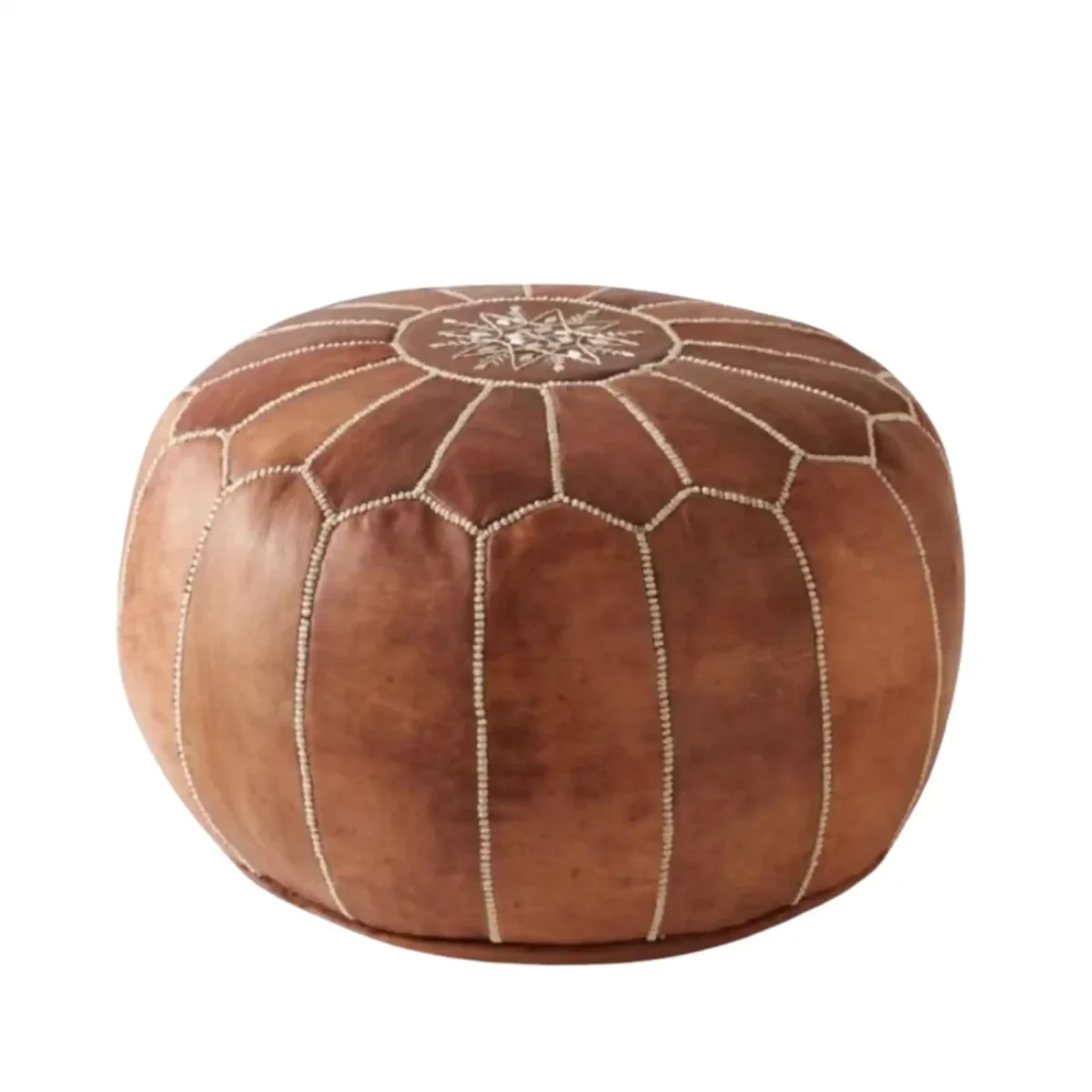
6 in stock
$138.00 Original price was: $138.00.$69.00Current price is: $69.00.
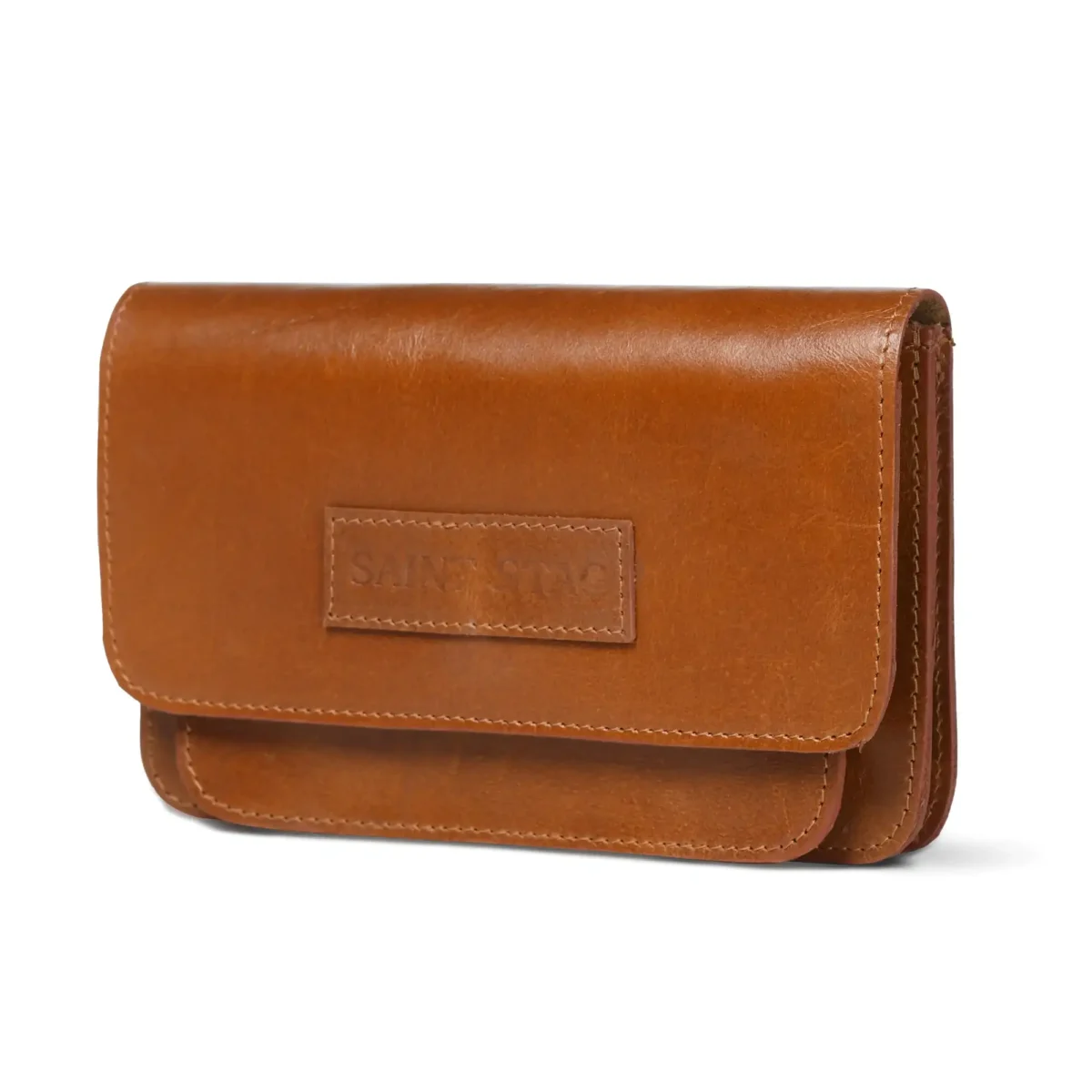
8 in stock
$84.00 Original price was: $84.00.$42.00Current price is: $42.00.
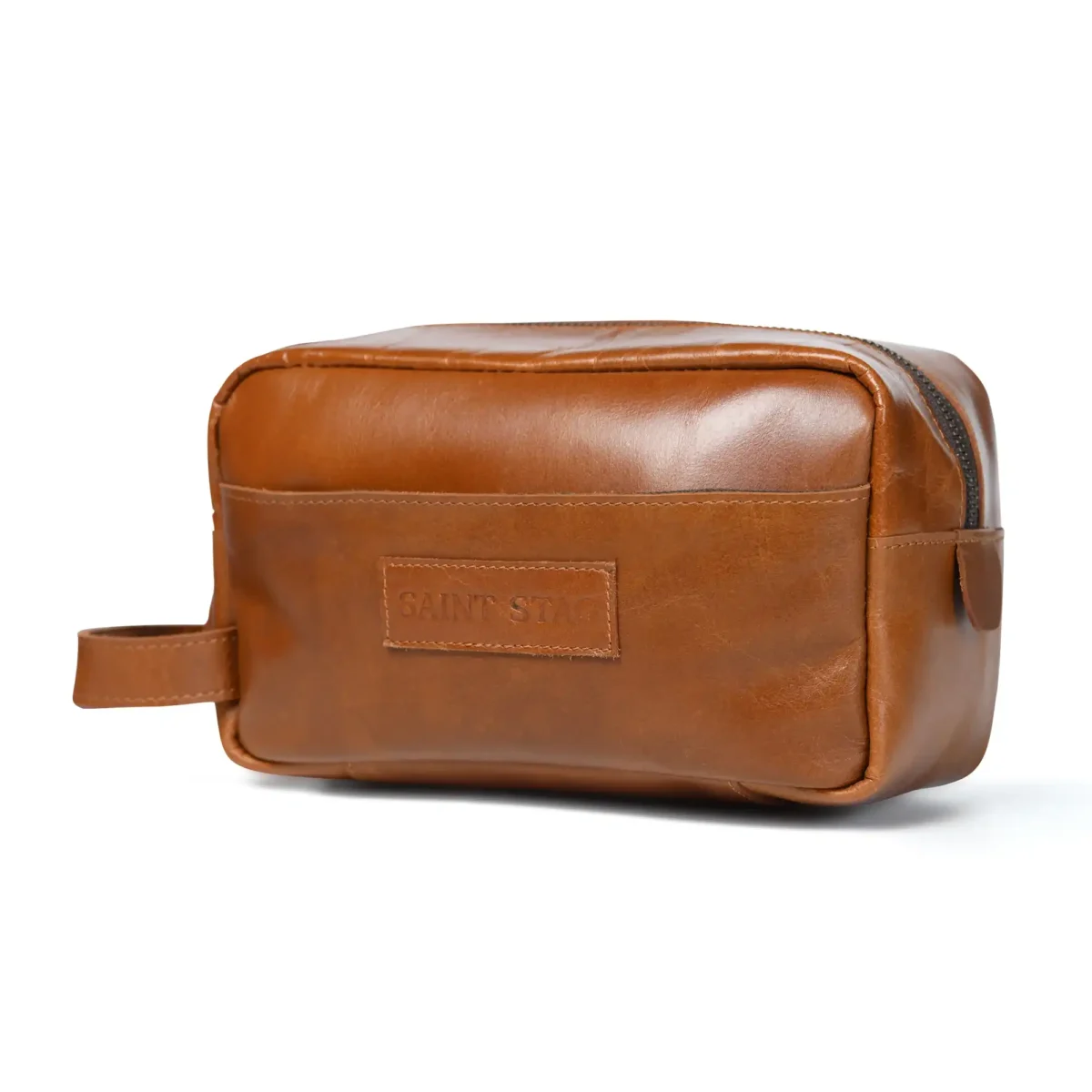
8 in stock
$90.00 Original price was: $90.00.$45.00Current price is: $45.00.
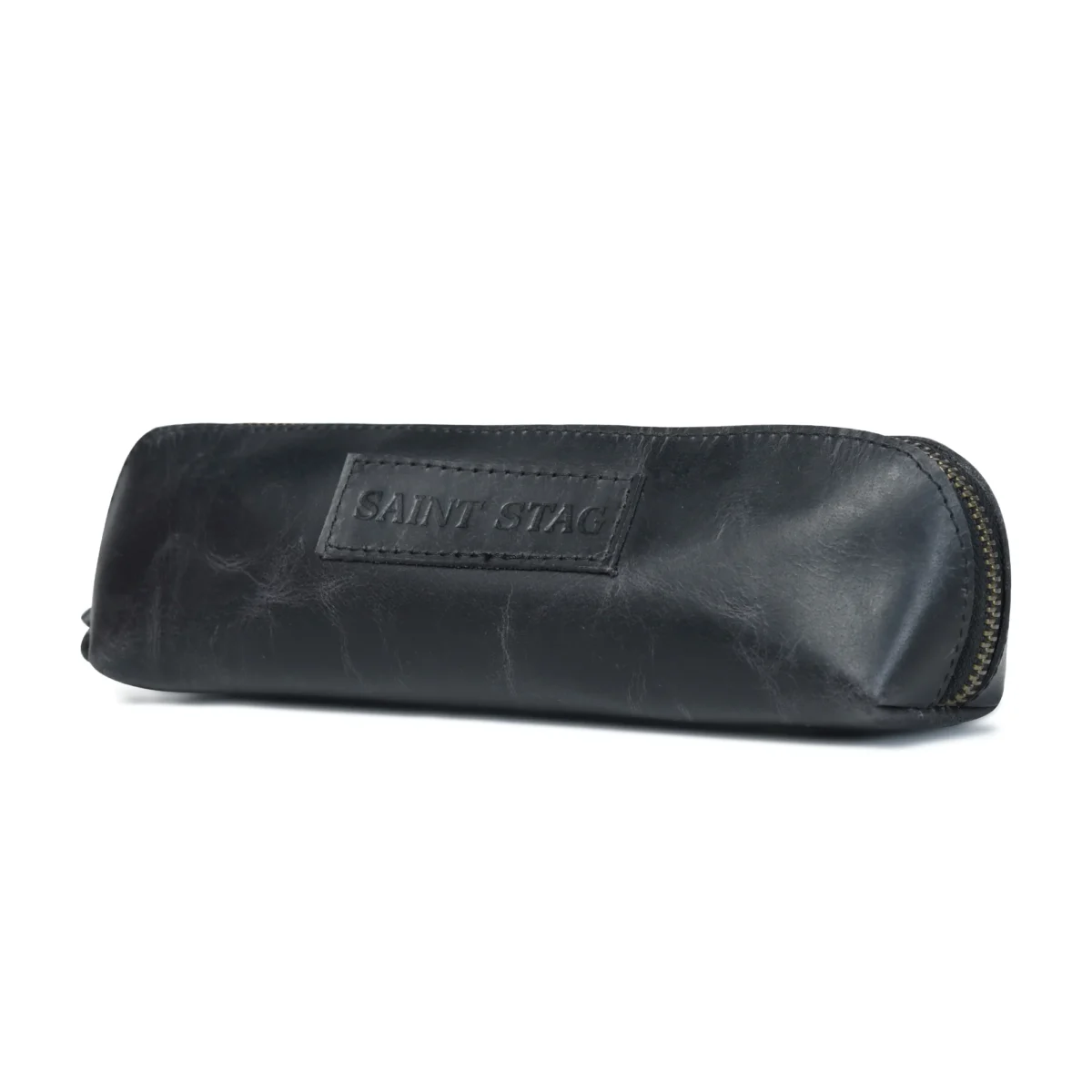
8 in stock
$70.00 Original price was: $70.00.$35.00Current price is: $35.00.
10 in stock
$130.00 Original price was: $130.00.$65.00Current price is: $65.00.
1 in stock
$98.00 Original price was: $98.00.$49.00Current price is: $49.00.