🚛 FREE SHIPPING | LIFETIME REPAIR WARRANTY | 20% Sale: “FASHION20”
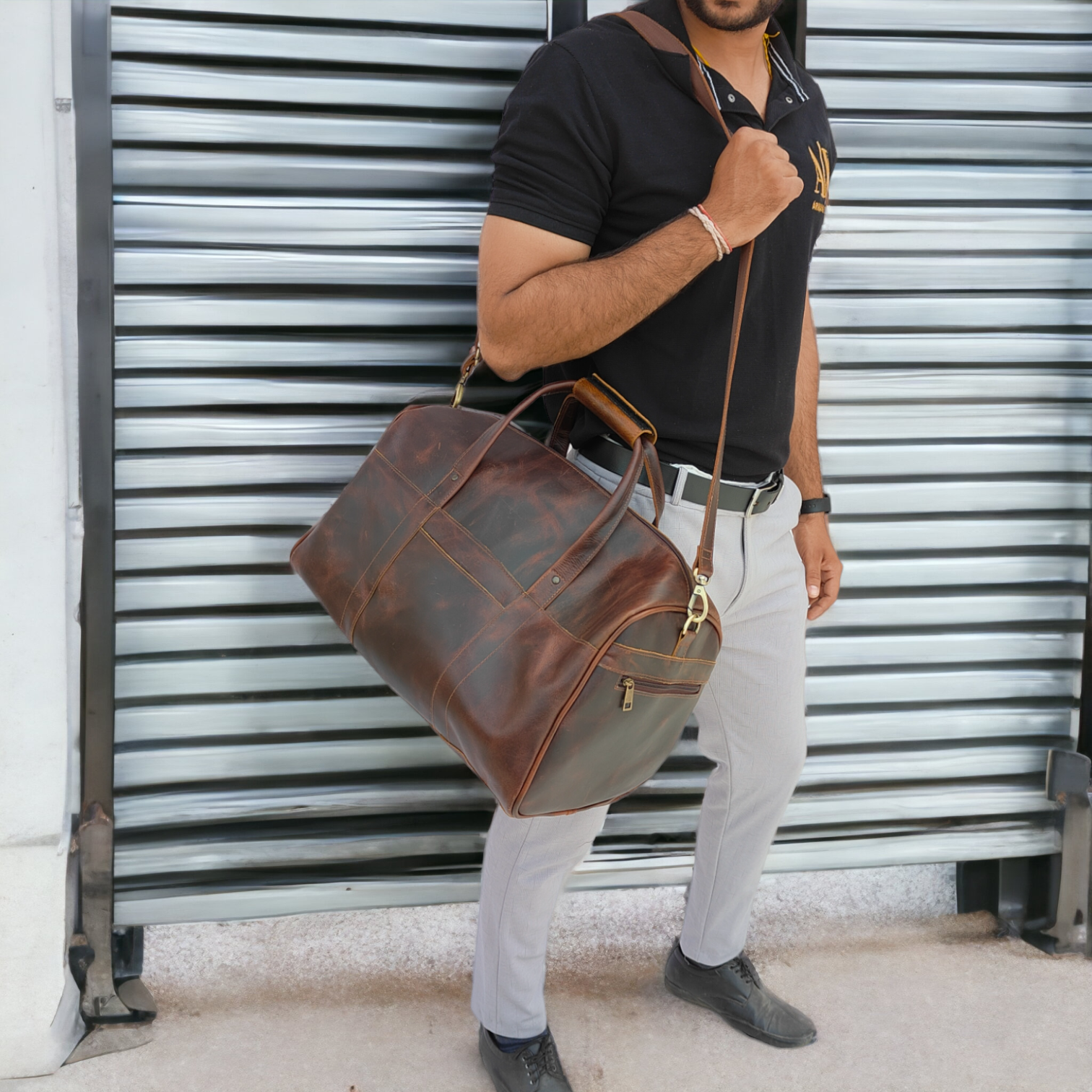
Do you own a beautiful vintage leather bag, cherish its history, and wonder how often you should really condition it to keep it looking its best? You’re not alone. Many vintage enthusiasts struggle with finding the perfect care routine for their beloved pieces.
A vintage leather duffle bag isn’t just an accessory; it’s a piece of history, carrying stories and character that modern bags simply can’t replicate. Its unique patina, the soft feel developed over years, and its timeless style make it a treasured item. But with age comes the need for specialized care. Leather, like skin, needs moisture to stay supple and prevent drying, cracking, and stiffness.
Proper conditioning is the secret to extending the life of your vintage bag, ensuring it remains beautiful and functional for decades to come. Without it, the leather’s natural oils deplete, leaving it vulnerable to environmental damage and daily wear. This guide will provide you
with a comprehensive, expert-backed conditioning schedule, designed specifically for your cherished vintage pieces.
Understanding Your Vintage Leather Bag: Not All Leather Is Created Equal
Before you even think about conditioning, it’s vital to understand the type of leather your vintage bag is made from. Different leathers have distinct properties and absorb conditioners differently. Common vintage leather types include vegetable-tanned, chrome-tanned, and full-grain leather, each with its own care requirements.
Vegetable-tanned leather, for example, is often more porous and can feel stiffer. It tends to absorb conditioners more readily and develops a rich patina over time. Chrome-tanned leather, on the other hand, is usually softer and more resistant to water, potentially requiring less frequent conditioning. Full-grain leather, regardless of tanning method, retains the natural grain and often feels quite robust, benefiting immensely from regular nourishment.
Identifying your leather type can be tricky if you don’t know the bag’s history. Look for visual cues: Does it feel stiff or soft? Does it have a natural, visible grain or a very smooth, processed surface? The more you know about your bag’s material, the better you can tailor its care, ensuring its longevity and preserving its unique character.
The “Why” Behind Conditioning: What Leather Needs and Why It Dries Out
Leather is essentially a hide that has been treated to make it durable and flexible. However, it still retains some natural characteristics. Over time, the natural oils present in the leather begin to deplete. This process is accelerated by various environmental factors and how the bag is used.
Exposure to direct sunlight can dry out leather, causing it to fade and become brittle. Low humidity climates will pull moisture from the leather, leading to dryness and stiffness. Conversely, excessively humid environments can encourage mold growth if not properly managed. Even daily usage, such as rubbing against clothing or exposure to different temperatures, contributes to the depletion of these vital oils.
Conditioner acts as a moisturizer for your leather. It replenishes these lost natural oils, restoring flexibility and suppleness to the material. A good conditioner also forms a protective barrier, helping to guard against minor scratches, water damage, and environmental
stressors. This barrier is key to maintaining the leather’s structural integrity and aesthetic appeal.
Your Expert Vintage Leather Conditioning Schedule: A Dynamic Approach
Forget rigid rules; the best conditioning schedule for your vintage leather bag is a dynamic one. It adapts to your specific bag, its environment, and how you use it. However, we can start with a general baseline and adjust from there.
The Baseline: General Recommendation
For most vintage leather bags that are used moderately in temperate climates, a good starting point is to condition them every three to six months. This frequency allows for regular replenishment of oils without over-saturating the leather. Think of it as a seasonal check-up for your bag.
Factors That Influence Conditioning Frequency
Several elements will tell you when to adjust this baseline. Pay close attention to these factors to truly customize your care schedule.
Climate Considerations
Dry or Arid Climates: If you live in a region with low humidity, like a desert or an area with harsh winters, your vintage bag will dry out faster. You may need to condition it more frequently, perhaps every two to three months, or whenever the leather starts to feel dry.
Humid Climates: In very humid environments, leather retains moisture more easily. You might extend your conditioning schedule to every six to eight months. Here, the focus shifts slightly to ensuring good airflow and preventing mold, which can thrive in damp conditions.
Temperate Climates: The standard three to six-month recommendation usually works well for regions with balanced humidity and temperature.
Usage Patterns
Daily or Heavy Use: A bag you carry every day, especially if it’s exposed to the elements or experiences frequent handling, will benefit from more frequent
conditioning. Consider conditioning every two to three months, or even as often as once a month if it feels consistently dry or stiff.
Occasional Use or Storage: For bags you only use on special occasions or store for long periods, you can reduce the frequency. Conditioning every six to twelve months should suffice, but always inspect it before and after storage.
Leather Condition: The Ultimate Indicator
Your bag itself will tell you when it needs attention. Look and feel for these signs:
Signs Your Bag Needs Conditioning:
The leather feels dry, stiff, or brittle to the touch.
It looks dull, lacking its usual luster or sheen.
Light scratches or scuffs appear more prominent and don’t buff out easily. The leather’s color seems to be fading or looking washed out.
You notice small surface cracks or creasing, especially in areas of flexion. Signs of Over-Conditioning:
The leather feels tacky, greasy, or sticky.
It appears noticeably darker than usual, and this darkening doesn’t dissipate after drying.
While rare for vintage leather which is often thirsty, over-conditioning can lead to product buildup and attract dust.
Leather Type Revisited
Vegetable-Tanned Vintage: These often have a more open pore structure and can be quite absorbent. They might need conditioning more often than chrome-tanned leathers, especially if they feel dry.
Chrome-Tanned Vintage: Generally more resistant to moisture, these might tolerate slightly longer intervals between conditioning. However, age can make any leather thirsty.
The Conditioning Ritual: Step-by-Step Guide for Vintage Bags
Conditioning isn’t just about slathering on product; it’s a careful ritual, especially for a vintage treasure. Follow these steps to ensure your bag gets the best treatment.
Step 1: Gentle Cleaning Is Paramount (Before Conditioning)
This step is non-negotiable. You should never condition over dirt or grime. Doing so will only trap impurities into the leather, potentially causing damage or an uneven finish. For vintage bags, gentle methods are key.
Step 2: Choosing the Right Conditioner for Vintage Leather
This is where quality truly matters, especially for delicate vintage items. The wrong product can do more harm than good.
Look for: Natural, pH-neutral formulas specifically designed for leather. Ingredients like lanolin, natural waxes (beeswax, carnauba wax), and gentle, non-greasy oils are excellent. These mimic the leather’s natural fats and absorb well.
Avoid: Silicones, petroleum-based products, mineral oils, harsh solvents, or anything with artificial dyes. These can clog pores, dry out leather over time, or even damage the patina. Household items like olive oil or Vaseline are generally not recommended as they can go rancid, attract dust, or leave a sticky residue.
Saint Stag’s Recommendations: (If applicable, consider subtle product placement here, e.g., “We recommend conditioners that emphasize natural ingredients, similar to the care we put into our durable leather goods.”) Choose a product known for its preserving qualities rather than just a quick shine.
Step 3: Always Patch Test
Before applying any conditioner to your entire bag, always, always perform a patch test. Apply a tiny amount of conditioner to an inconspicuous area, such as the bottom, inside a flap, or a hidden corner. Wait for a few hours, or even overnight, to observe any changes in color, texture, or finish. This step is critical for vintage pieces where the leather’s history and response to products can be unpredictable.
Step 4: Application Technique (Less Is More!)
Patience and a light hand are your best tools here.
Step 5: Drying and Buffing
The final steps bring out the conditioner’s protective and aesthetic benefits.
Beyond Conditioning: Comprehensive Care Tips for Vintage Leather Longevity
Conditioning is vital, but it’s part of a larger picture of care that ensures your vintage leather bag lasts a lifetime.
Proper Storage: When not in use, store your bag in a breathable dust bag (never plastic, which traps moisture). Stuff it lightly with acid-free tissue paper or bubble wrap to help maintain its shape. Keep it in a cool, dry place with consistent humidity, away from direct sunlight or extreme temperatures.
Protection from Elements: Avoid exposing your bag to heavy rain or prolonged direct sunlight. If it does get wet, blot it immediately with a clean, dry cloth and let it air dry naturally.
Handling with Care: Avoid overfilling your bag, which can strain seams and alter its shape. Be mindful of sharp objects that could scratch the leather. Try to keep pens and liquids in separate pouches to prevent leaks.
Professional Cleaning and Repair: For deep cleaning, major repairs, or specific issues like dye transfer or extensive damage, don’t hesitate to seek out a professional leather conservator or specialized repair shop. They have the expertise and tools to handle delicate vintage pieces safely.
Addressing Common Vintage Leather Conditioning Concerns (FAQs)
“My vintage leather bag feels really dry and stiff, almost like it’s going to crack. Can conditioning actually save it, or is it too late?”
It’s often not too late! Regular conditioning can significantly improve the suppleness and appearance of a dry, stiff vintage bag. The key is to apply thin, even layers of a high-quality, natural conditioner, allowing each layer to absorb fully. You may need several applications over a few days or weeks to rehydrate deeply, but patience can truly revive and prevent further cracking, restoring much of its original feel.
“I’m worried about changing the beautiful, aged patina of my vintage bag. Will conditioning darken the leather or alter its unique look permanently?”
A good, natural leather conditioner is designed to nourish without drastically altering the patina. Some darkening might occur temporarily, especially if the leather is very dry, but this usually lightens as the conditioner absorbs and dries. To be safe, always perform a patch test on an inconspicuous area first. Avoid products with dyes, silicones, or petroleum, as these are more likely to cause permanent changes or an unnatural finish.
“There are so many leather conditioners out there—oils, balms, creams. Which one is genuinely best for an old, possibly delicate vintage bag, and what ingredients should I absolutely avoid?”
For vintage and delicate bags, a natural leather balm or cream is generally preferred over oils. Balms and creams often contain a blend of natural waxes and gentle oils (like lanolin or jojoba oil) that provide deep nourishment without over-saturating. Avoid products containing
silicones, petroleum jelly, mineral oils, or harsh chemical solvents. These can clog the leather’s pores, dry it out over time, or damage its delicate structure and patina.
“My climate is really dry (or very humid). Does this mean I need to condition my vintage leather bag more (or less) often than the general recommendations, and how do I tell?”
Yes, climate significantly impacts your conditioning schedule. In dry or arid climates, your bag will need more frequent conditioning, perhaps every 2-3 months, as moisture evaporates faster. In very humid climates, you might extend the period to 6-8 months, as the leather naturally retains more moisture. Always feel the leather: if it feels dry, stiff, or dull, it’s time for conditioning. If it feels supple and moisturized, you can wait.
“I found a vintage leather bag that seems to have some mold spots. Do I need to clean that off before conditioning, and how do I do it safely without damaging the leather further?”
Absolutely, you must clean off any mold before conditioning. Conditioning over mold will trap it and potentially worsen the problem. Gently brush off dry mold outdoors with a soft brush to avoid spreading spores indoors. Then, wipe the area with a cloth very lightly dampened with a mixture of equal parts rubbing alcohol and water, or a specialized leather mold remover.
Let it dry completely in a well-ventilated area before even considering conditioning. If the mold is extensive, professional cleaning is recommended.
Conclusion: Invest in Your Vintage Piece, Follow the Schedule
Your vintage leather bag is an investment, a testament to enduring style and craftsmanship. By understanding its unique needs and committing to a thoughtful, dynamic conditioning schedule, you’ll ensure its beauty and integrity for years to come. Remember, it’s about listening to your leather, providing consistent care, and using the right products.
Embrace the ritual of caring for your vintage treasures. With proper attention, your bag won’t just tell stories of the past; it will continue to create new ones with you. Explore Saint Stag’s commitment to durable, handcrafted leather goods, designed to stand the test of time, just like your cherished vintage pieces.
6 in stock
$138.00 Original price was: $138.00.$69.00Current price is: $69.00.
8 in stock
$84.00 Original price was: $84.00.$42.00Current price is: $42.00.
8 in stock
$90.00 Original price was: $90.00.$45.00Current price is: $45.00.
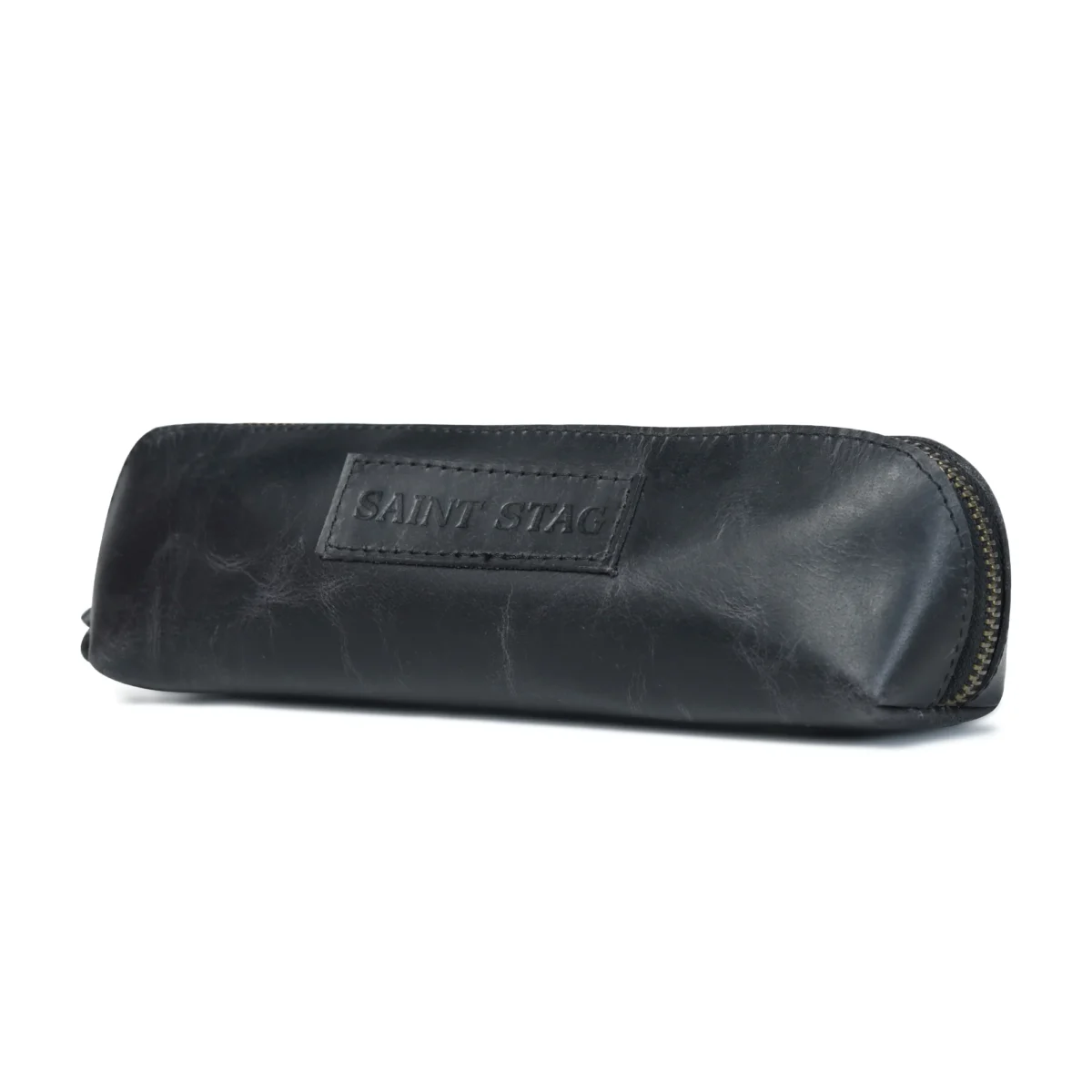
8 in stock
$70.00 Original price was: $70.00.$35.00Current price is: $35.00.
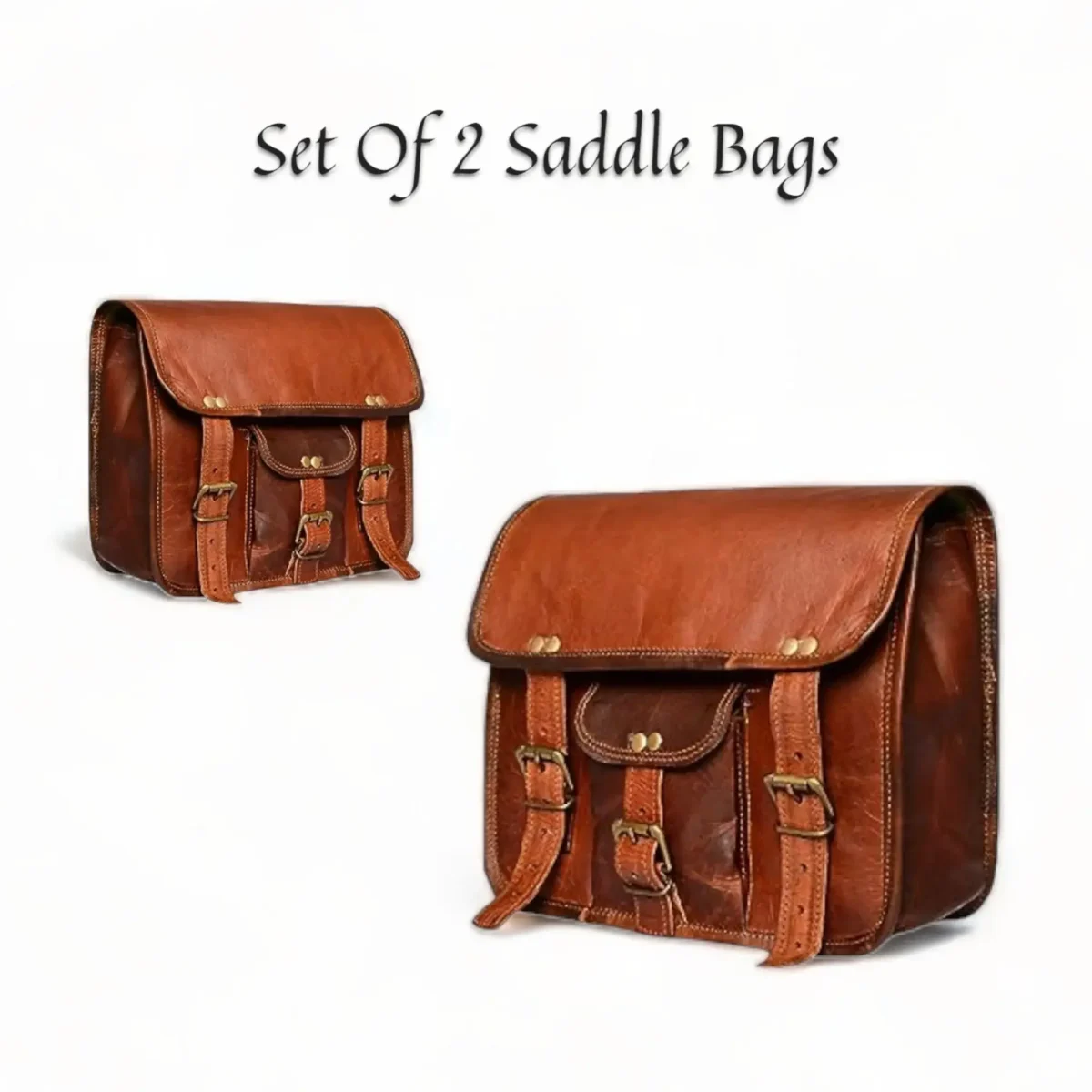
10 in stock
$130.00 Original price was: $130.00.$65.00Current price is: $65.00.
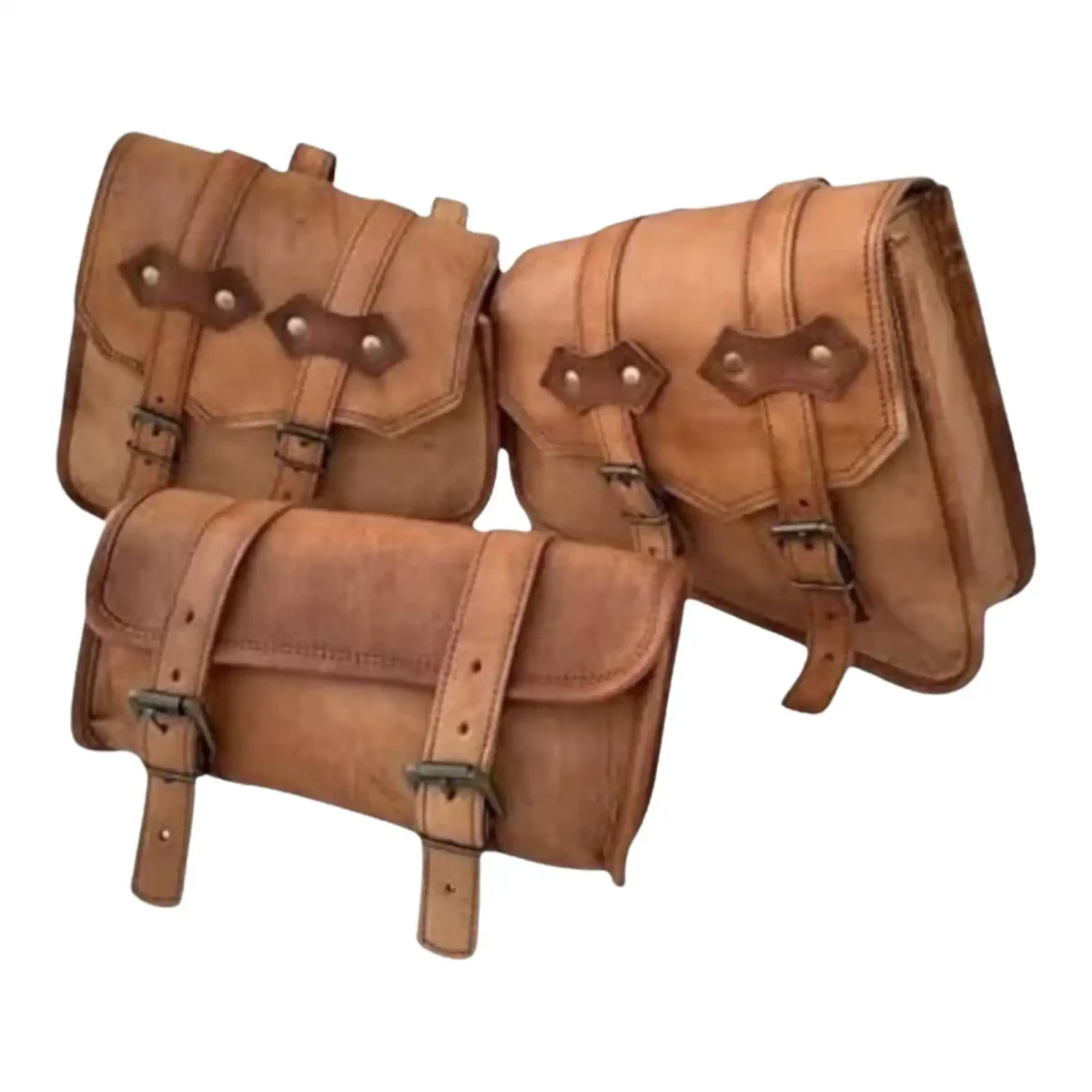
1 in stock
$98.00 Original price was: $98.00.$49.00Current price is: $49.00.