🚛 FREE SHIPPING | LIFETIME REPAIR WARRANTY | 20% Sale: “FASHION20”
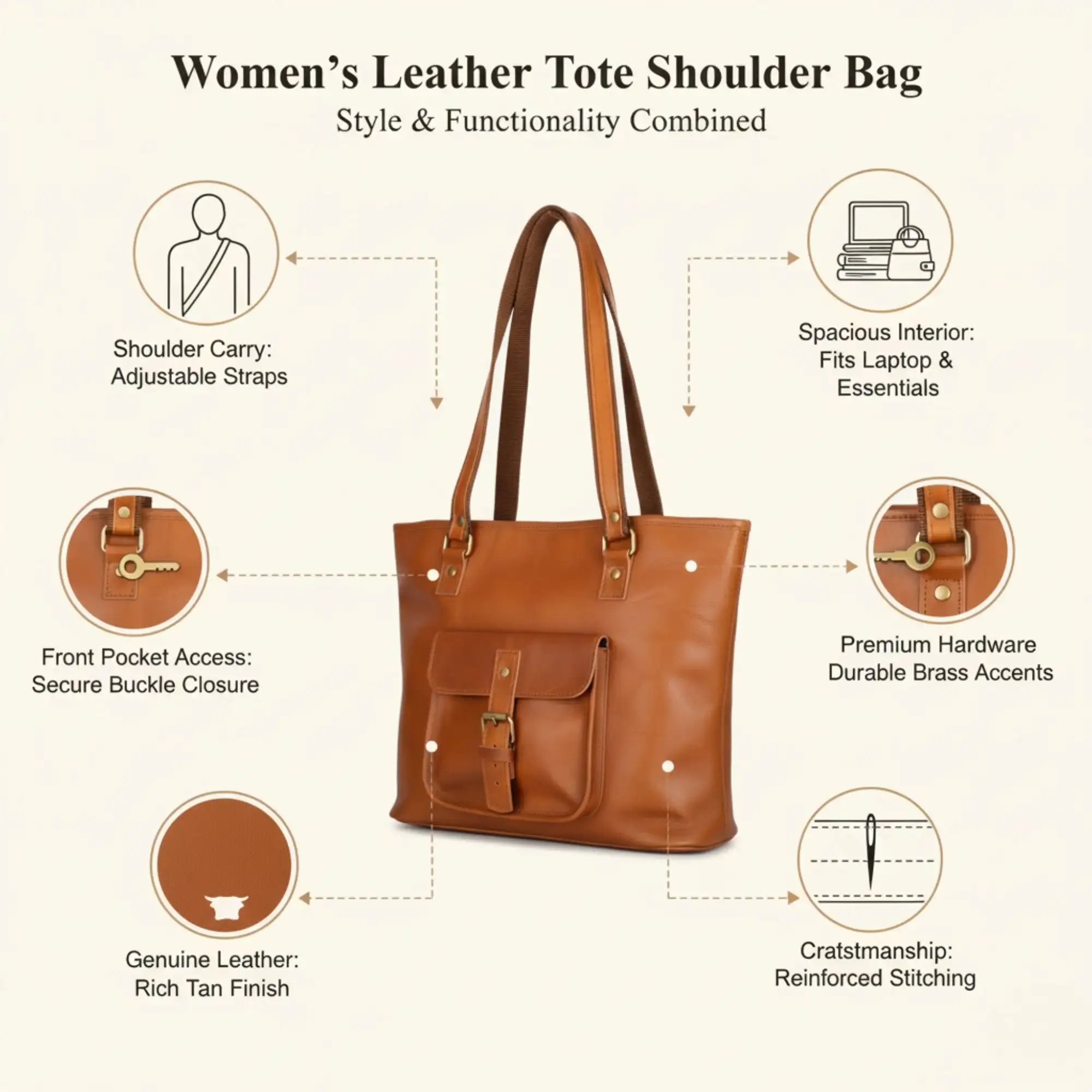
You’re looking for a new leather messenger bag, maybe it’s for your daily commute, for business travel, or simply to carry your essentials with style. You’ve likely noticed a huge range of prices and descriptions. Some bags promise “genuine leather” at a low cost, others boast “full-grain leather” and “handcrafted quality” with a higher price tag. What’s the real difference between a handmade and a factory-made leather bag?
This question isn’t just about price; it’s about durability, style, ethical production, and how a bag stands up to the demands of everyday use. For those in the USA seeking a bag that truly lasts and makes a statement, understanding these differences is crucial. Let’s explore why the journey from hide to finished bag matters and how it impacts your investment.
The Soul of Craftsmanship: What “Handmade” Truly Means
When you hear “handmade,” it suggests more than just human involvement. It speaks to a philosophy of creation, a dedication, skill, and a deep connection to the material. A truly handmade leather bag is a labor of love; an individual artisan or a small team crafts it.
Artisans perform each stitch, cut, and finish with meticulous attention to detail. This isn’t about speed, but about perfection. Artisans often learn their craft through generations, inheriting techniques passed down through families. Their hands guide every step, ensuring precision and quality that machines can’t replicate.
Artisan Skill and Dedication
At the heart of every handmade bag is the artisan. These craftspeople possess a unique blend of talent and experience. They understand leather intimately, recognizing its textures, strengths, and how it’ll age. They aren’t simply assembling parts; they’re bringing a vision to life.
This dedication means artisans inspect each bag at every stage. There are no shortcuts. They correct any flaw immediately, ensuring the final product meets the highest standards. This personal touch imbues the bag with a unique character, making it truly one-of-a-kind.
Careful Material Selection
Handmade bags typically begin with the best materials. Artisans often hand-pick premium full-grain leather, the strongest and most durable part of the animal hide, retaining its natural grains and imperfections. It’s often sourced from tanneries that use traditional, environmentally friendlier methods, like vegetable tanning.
Vegetable-tanned leather, for example, uses natural tannins found in bark and plants. This process is slower but results in leather that’s richer, more resilient, and ages beautifully. This careful selection ensures the bag not only looks good but will also withstand the test of time.
Superior Construction Methods
One of the clearest distinctions lies in how artisans put the bag together. Handmade leather bags often feature traditional stitching methods, like saddle stitching. This technique uses two needles and a single thread, creating a robust, interlocking stitch. If one stitch breaks, the others remain intact, preventing the seam from unraveling.
Contrast this with machine stitching, which uses a lockstitch. While efficient, a single broken thread can cause an entire seam to come apart easily. Beyond stitching, hand-cut pieces allow for greater precision and less material waste. Artisans often meticulously hand-burnish or paint edges, sealing them against moisture and wear, which is a painstaking process rarely seen in factory production.
Time and Patience: The Unseen Ingredient
Making a handmade leather bag isn’t a quick process. It takes time. From selecting the leather to cutting, stitching, assembling, and finishing, artisans perform each step deliberately. This slower pace allows for greater control and attention to detail. It’s a process that values quality over quantity.
This patience reflects in the final product. The bag feels substantial, well-constructed, and thoughtfully made. It isn’t just an item; it’s an artifact of skill and dedication.
The “Vintage Leatherbag” Connection
Many people are drawn to the timeless appeal of a Vintage Leatherbag. This is where handmade craftsmanship truly shines. High-quality, full-grain leather, especially when vegetable-tanned, develops a unique patina over time. Picture a favorite old book or a well loved leather jacket; that’s the natural darkening and softening that occurs with age and use. It tells the story of your journeys and experiences.
Factory-made bags, often using lower-grade or heavily processed leathers, may not develop this rich character. Instead, they might simply wear out or crack. A handmade bag, however, gains depth and personality, becoming more beautiful and distinct with every passing year. It transforms from a new item into a cherished piece with its own history.
At Saint Stag, our artisans pour their heritage and skill into every piece. They understand a bag is more than just an accessory; it’s a companion, designed to mature gracefully with you, embodying that sought-after vintage aesthetic from day one.
The Efficiency of Industry: Understanding “Factory Made”
In contrast to the artisanal approach, factory-made leather bags prioritize efficiency, speed, and cost-effectiveness. This production model aims to create a large volume of products quickly to meet consumer demand at various price points. It relies heavily on automation and standardized processes.
This approach allows for wider availability and often lower retail prices. However, it also brings a different set of compromises. Understanding these differences helps you appreciate the true value of your purchase.
Mass Production and Assembly Lines
Factory production means bags move through an assembly line. Different workers or machines specialize in specific tasks: cutting, stitching, attaching hardware, and so on. This division of labor speeds up the process significantly. It ensures uniformity across many units, making each bag identical to the next.
While efficient, this method often lacks the individual oversight of a single artisan. Quality control happens at specific checkpoints, but individual craftsmanship isn’t the focus. The goal is consistent output rather than unique perfection.
Material Sourcing for Scale
Factories often source materials based on cost and availability for large-scale production. This can lead to the use of more processed or lower-grade leathers. Terms like “genuine leather” or “bonded leather” are common here. Genuine leather, for example, is a lower quality split leather that’s been processed to look like higher grades.
Bonded leather is even further removed from natural hide, made from leather scraps bonded together with adhesives. These materials are cheaper and easier to work with in large
machines. However, they lack the durability, natural grain, and aging properties of full-grain leather. They may also undergo extensive chemical treatments for consistency and color.
Machine Stitching and Faster Assembly
The vast majority of factory-made bags use industrial sewing machines. These machines are incredibly fast, capable of thousands of stitches per minute. While modern machines are precise, they rely on the lockstitch method. This type of stitch can unravel if a single thread breaks, potentially leading to seam failure over time.
Assembly is optimized for speed. Components are often glued, then stitched. Hardware might be chosen for ease of attachment rather than long-term durability. These decisions are driven by the need to keep production costs down and output high.
Speed and Scale: Meeting High Demand
The primary advantage of factory production is its ability to produce a vast number of bags quickly. This allows brands to respond to trends and offer products at competitive prices. For consumers, it means more options and immediate availability; it fills the market with choices across all budgets.
However, this speed and scale often mean less emphasis on individual longevity and character. Bags are designed to be appealing and functional for a certain period, but perhaps not to be passed down through generations.
Pros and Cons: A Balanced View
Factory-made bags offer convenience and a lower initial cost. They’re accessible and provide functional solutions for many. You’ll find a wide variety of styles and colors easily. However, the trade-off can be in long-term durability, the uniqueness of the aesthetic, and the environmental impact of mass production. They may not develop the rich patina of a true vintage leatherbag, and could wear out faster, requiring replacement.
Handmade vs. Factory-Made: The Crucial Differences for Everyday Use
Now that we’ve explored both methods, let’s directly compare them. Understanding these distinctions is key to making an informed choice, especially when you need a bag that can handle the daily demands of life in the USA.
Durability and Longevity
This is perhaps the most significant difference. A handmade leather messenger bag is built to last. Artisans use robust construction techniques and premium materials specifically for longevity. The saddle stitching, heavy-duty threads, and reinforced stress points ensure the bag can withstand constant use.
Many experts and long-time users often find that a well-crafted handmade leather bag can easily outlast several factory-made alternatives They’re designed to be an heirloom, not a disposable item. Factory-made bags, while functional, are often designed with a shorter lifespan in mind. Their machine stitching can unravel, and lower-grade leathers are more prone to cracking, tearing, and general deterioration over time. Imagine this: a crucial meeting, and your factory bag’s strap suddenly fails, spilling contents. A handmade bag, in contrast, offers steadfast reliability. For daily commutes or frequent travel, this durability isn’t just a luxury; it’s a necessity.
Quality of Materials
The type of leather used profoundly impacts a bag’s quality. Handmade bags almost exclusively use full-grain leather, often vegetable-tanned. This material is strong, breathable, and develops a beautiful, unique patina. It resists moisture better and is less prone to cracking than other grades. This makes it ideal for a bag that’ll see constant outdoor exposure or daily handling.
Factory-made bags frequently use “genuine leather,” corrected grain, or even bonded leather. These are inferior grades. Genuine leather has had its top layer removed and replaced with an artificial grain, making it less durable. Bonded leather is essentially ground up leather scraps glued together, offering minimal strength or longevity. These materials simply can’t compete with the resilience and aesthetic appeal of full-grain leather over time.
Aesthetics and Uniqueness
A handmade bag possesses a unique character. Slight variations in the leather grain or stitching aren’t flaws; they’re hallmarks of its artisanal origin. This uniqueness contributes to its vintage appeal, ensuring your bag stands out. It tells a story and develops a personal connection with its owner. Each bag acquires a distinctive look as it ages, reflecting the journey it’s taken with you. Imagine carrying a bag that, over years, literally reflects your unique path.
Factory-made bags, by their nature, are uniform. They lack individual character. While they might look stylish when new, they tend to age less gracefully, often showing signs of wear
and tear rather than developing a rich patina. For someone who values individual style and a bag that reflects their personality, the difference is profound.
Ethical and Environmental Impact
The production methods also have significant ethical and environmental implications. Handmade leather bags are often produced in smaller batches. They support individual artisans or small workshops, ensuring fair labor practices and often better working conditions. The use of vegetable-tanned leather also typically involves fewer harsh chemicals, making it more environmentally friendly than chrome tanning, which is common in large factories.
Supporting artisans often means a greater portion of your purchase directly benefits the craftspeople and their communities. This aligns with the “slow fashion” movement, which advocates for quality over quantity and mindful consumption. Large factories, while providing jobs, can sometimes face scrutiny regarding labor conditions and their environmental footprint, particularly concerning water usage and chemical waste in tanning processes. Choosing handmade is often a conscious step towards more sustainable and ethical consumption.
Cost versus Value: An Investment Perspective
Initially, a handmade leather messenger bag will almost always have a higher price tag. This reflects the premium materials, the artisan’s skill, and the time invested. However, it’s crucial to view this not as an expense, but as an investment. A bag built to last for decades, that improves with age, offers exceptional long-term value. You won’t need to replace it frequently.
A growing number of consumers are consciously choosing handcrafted goods, willing to invest more for ethical production and lasting quality. Factory-made bags have a lower initial cost, which can be appealing. However, if they wear out quickly and need frequent replacement, the cumulative cost can surpass that of a single, well-made handmade bag. Consider the total cost of ownership, not just the purchase price, to understand the true value.
Why It Matters for Your Everyday Use in the USA
For individuals in the USA, a leather messenger bag is more than just a carrier. It’s an extension of their professional image, a travel companion, and a daily essential. The choice between handmade and factory-made directly impacts these everyday experiences.
Functionality and Practicality
A well-constructed handmade leather bag is designed for real-world use. Its robust stitching, durable hardware (like solid brass buckles), and thoughtfully designed compartments make it highly functional. It can withstand the bumps and scrapes of daily commuting, the rigors of frequent travel, and the demands of a professional environment. These bags are built to protect your laptop, documents, and other essentials reliably, day after day. Picture confidently navigating a busy airport knowing your valuables are securely housed in a bag built for the journey.
Factory-made bags, while often featuring similar designs, may compromise on the underlying strength. Zippers can fail, straps can fray, and seams can come apart under regular stress. This can be more than an inconvenience; it can mean damaged contents or the need for constant repairs or replacements, disrupting your daily routine.
Personal Expression and Style
Your bag is a powerful statement about who you are. A handmade leather bag, with its unique character and the beautiful patina it develops, speaks to a discerning taste. It shows an appreciation for quality, craftsmanship, and individuality. It’s a timeless piece that complements various styles, from casual to business formal.
It stands apart from the mass-produced uniformity, making it a significant element of personal expression. For those who value authentic style and pieces that tell a story, a handmade bag is an ideal choice.
An Investment Piece That Improves with Age
Few items in our modern lives truly get better with age. A quality handmade leather messenger bag is one of them. The rich, deep color and soft texture that develop over years of use are unique to full-grain leather. This transformation makes the bag increasingly valuable, both aesthetically and sentimentally.
Instead of becoming worn out, it becomes “worn in” – gaining character and comfort. This is the hallmark of a true investment piece. It’s a sustainable choice, reducing waste by offering decades of use rather than contributing to the cycle of disposable fashion.
Buying in the USA: What to Expect from Saint Stag
When considering a handmade leather bag from a brand like Saint Stag, especially when based in the USA, it’s important to understand the purchase experience. We understand
concerns about international shipping, customs, and returns. Our focus is to make this process seamless for our USA customers.
We provide clear information on shipping times, tracking, and any customs procedures, ensuring transparency from order to delivery. Our customer service team is dedicated to addressing any questions or concerns specific to our US clientele, making sure your experience is as smooth as if you were buying locally. We stand behind the quality of our handcrafted products, offering support and guidance to ensure your complete satisfaction.
How to Spot a Truly Handmade Leather Bag: Practical Tips for Consumers
superior materials involved. If a “full-grain leather” bag seems too cheap, it likely isn’t what it claims to be.
Choose Wisely, Carry with Pride
The choice between a handmade and a factory-made leather messenger bag goes beyond aesthetics or initial cost. It’s about investing in quality, durability, and a piece that reflects your values. A handmade bag offers superior materials, meticulous craftsmanship, and the promise of a timeless accessory that grows richer in character with every passing year. It’s a sustainable choice, supporting artisans and offering decades of reliable use.
For your everyday use in the USA, where practicality meets personal style, a handmade leather messenger bag stands as a testament to enduring quality. It’s a companion that won’t just carry your essentials but also embody your story. Make an informed decision, choose wisely, and carry your bag with the pride of owning something truly exceptional.
Discover the difference quality craftsmanship makes. Explore Saint Stag’s collection of handcrafted, vintage-inspired leather messenger bags today and find your perfect companion for life’s journey.
Frequently Asked Questions
Is the higher price of a handmade leather messenger bag truly justified for everyday use, or is a cheaper factory-made option just as good in the long run?
The higher price of a handmade leather messenger bag is generally justified by its superior quality and longevity. Handmade bags use premium full-grain leather and robust construction methods, like saddle stitching, which makes them incredibly durable.
While a factory-made option might be cheaper upfront, it often uses lower-grade materials and less durable stitching. This can lead to faster wear and tear, requiring you to replace the bag sooner. Over time, the cumulative cost of replacing multiple factory-made bags can often exceed the initial investment in one high-quality, handmade bag.
How can I tell if a ‘vintage style’ leather messenger bag is genuinely handcrafted with quality materials that will last, rather than just a mass-produced imitation?
To identify a genuinely handcrafted vintage-style bag, first, feel the leather. It should be full grain, supple, and rich, with natural variations or imperfections, not a uniform, plasticky feel. Authentic leather will also develop a beautiful patina over time, rather than just wearing out.
Next, examine the stitching. Handmade bags often feature slightly imperfect but strong saddle stitching. Look at the edges; they should be hand-burnished or painted, not raw or folded. Finally, check the hardware for solid, durable metals like brass, which indicates quality built to last.
I’m concerned about supporting ethical production. Do handmade leather bags consistently offer better ethical and environmental benefits compared to factory-made ones, especially from brands based overseas?
Yes, handmade leather bags generally offer significant ethical and environmental benefits. They’re often produced by individual artisans or small workshops that prioritize fair labor practices and safe working conditions. This contrasts with some large factories where oversight can be challenging.
Environmentally, handmade production often uses fewer harsh chemicals, especially if vegetable-tanned leather is utilized. This reduces pollution compared to industrial chrome tanning. Supporting handmade from reputable brands, even overseas, typically means you’re contributing to sustainable practices and empowering artisan communities.
Will a handmade leather messenger bag hold up to the rigors of daily commuting and travel in the USA, or are they too delicate compared to the robust, sometimes over-engineered, factory options?
A high-quality handmade leather messenger bag is anything but delicate. In fact, it’s often far more robust and durable than many factory-made options. Artisans prioritize strength in their construction, using techniques specifically designed to withstand daily stress.
The use of full-grain leather, strong saddle stitching, and solid hardware means these bags are built for longevity. They’re designed to handle the demands of daily commutes, constant handling, and the rigors of travel. They improve with age, adapting to your lifestyle rather than wearing out quickly.
What specific features or details should I look for to ensure a handmade leather messenger bag will develop a beautiful, rich ‘vintage’ patina over time, rather than just looking worn out?
To ensure your bag develops a beautiful vintage patina, prioritize full-grain, vegetable-tanned leather. This type of leather contains natural oils that react to light, touch, and moisture, gradually darkening and softening into a unique sheen.
Avoid bags that are heavily coated, painted, or made from corrected-grain or bonded leather, as these materials typically don’t develop a true patina. Instead, they might scratch or peel. Look for subtle variations in the leather texture and color when new, as these often indicate authentic material that’ll age gracefully and gain character, rather than simply appearing worn.
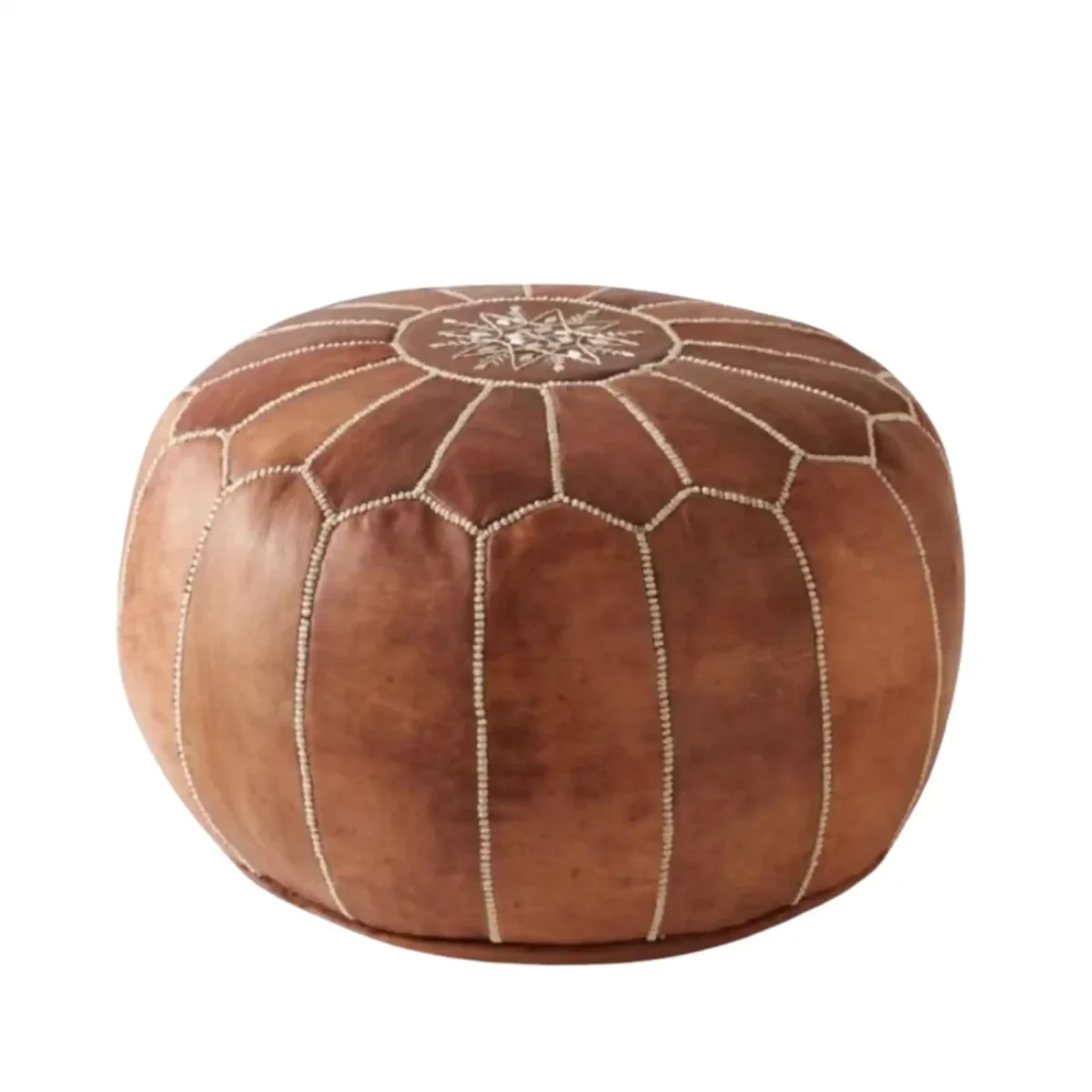
Out of stock
$138.00 Original price was: $138.00.$69.00Current price is: $69.00.
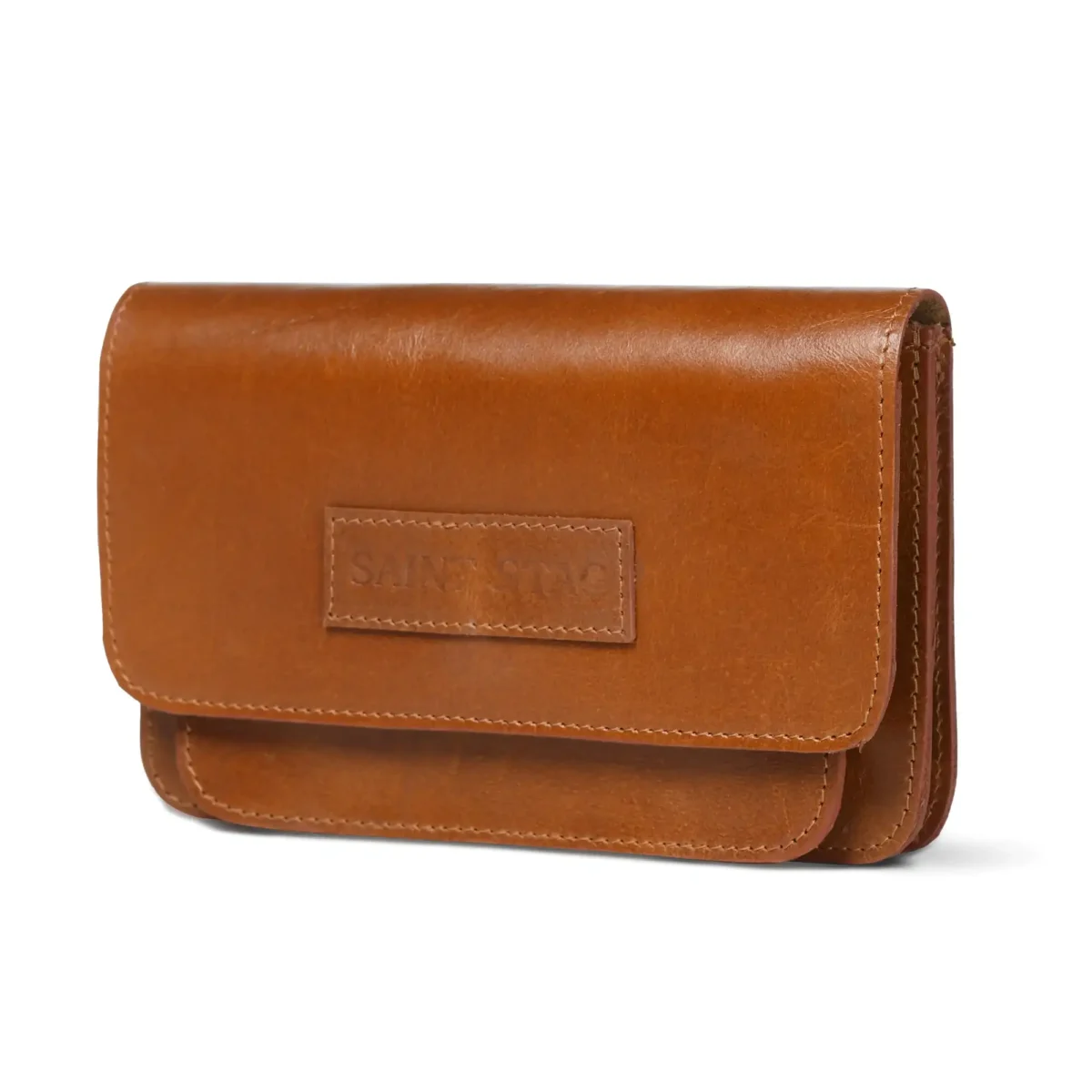
8 in stock
$84.00 Original price was: $84.00.$42.00Current price is: $42.00.
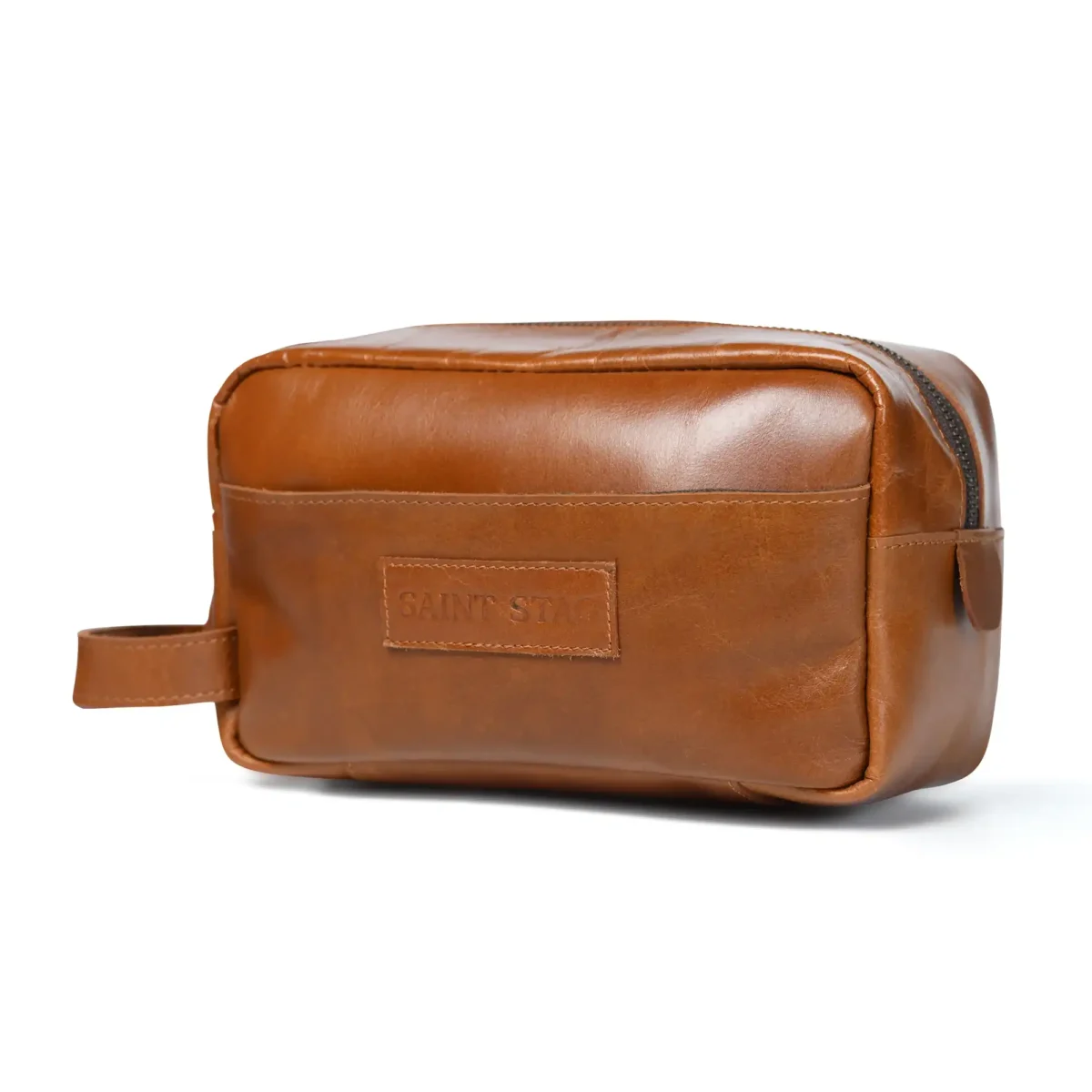
8 in stock
$90.00 Original price was: $90.00.$45.00Current price is: $45.00.
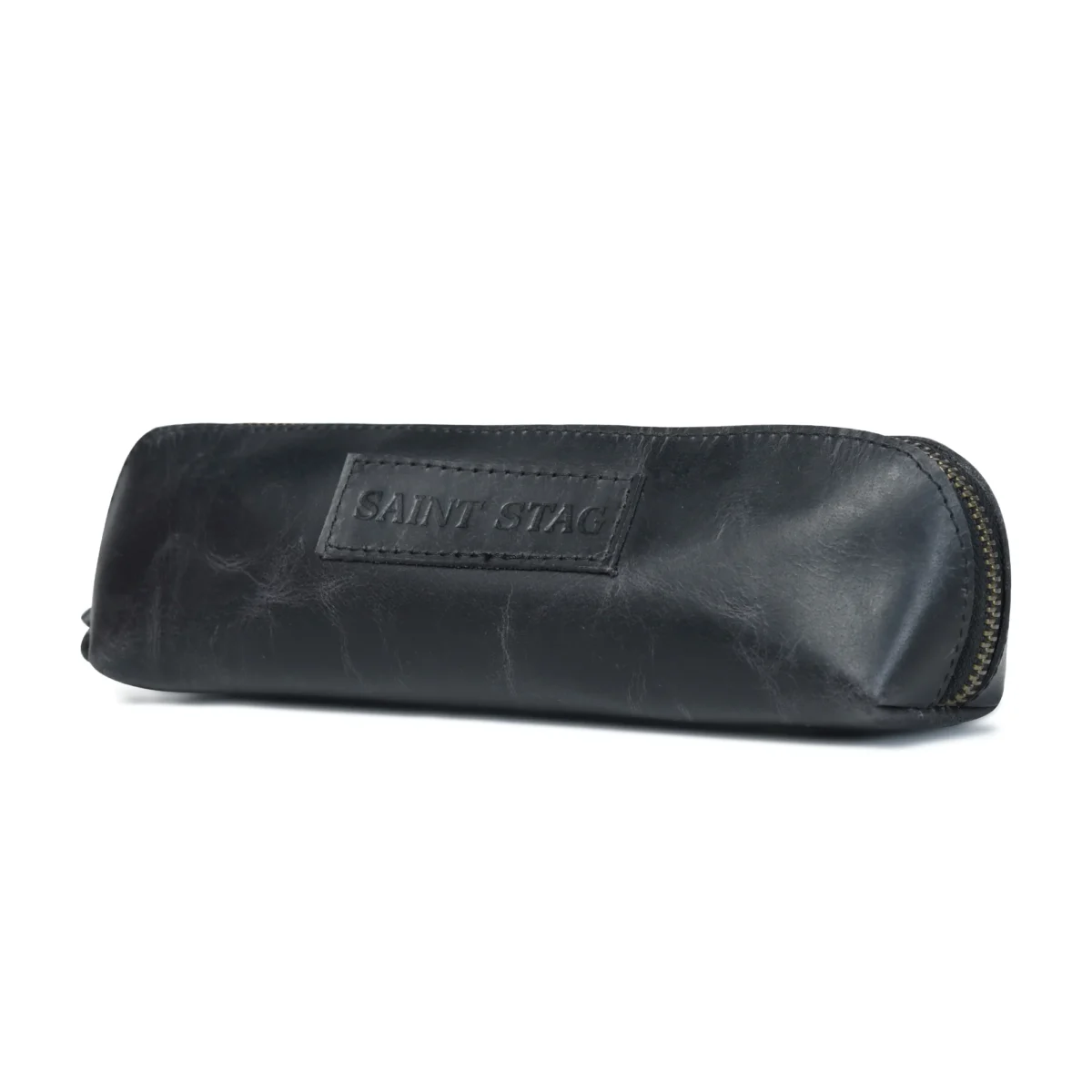
8 in stock
$70.00 Original price was: $70.00.$35.00Current price is: $35.00.
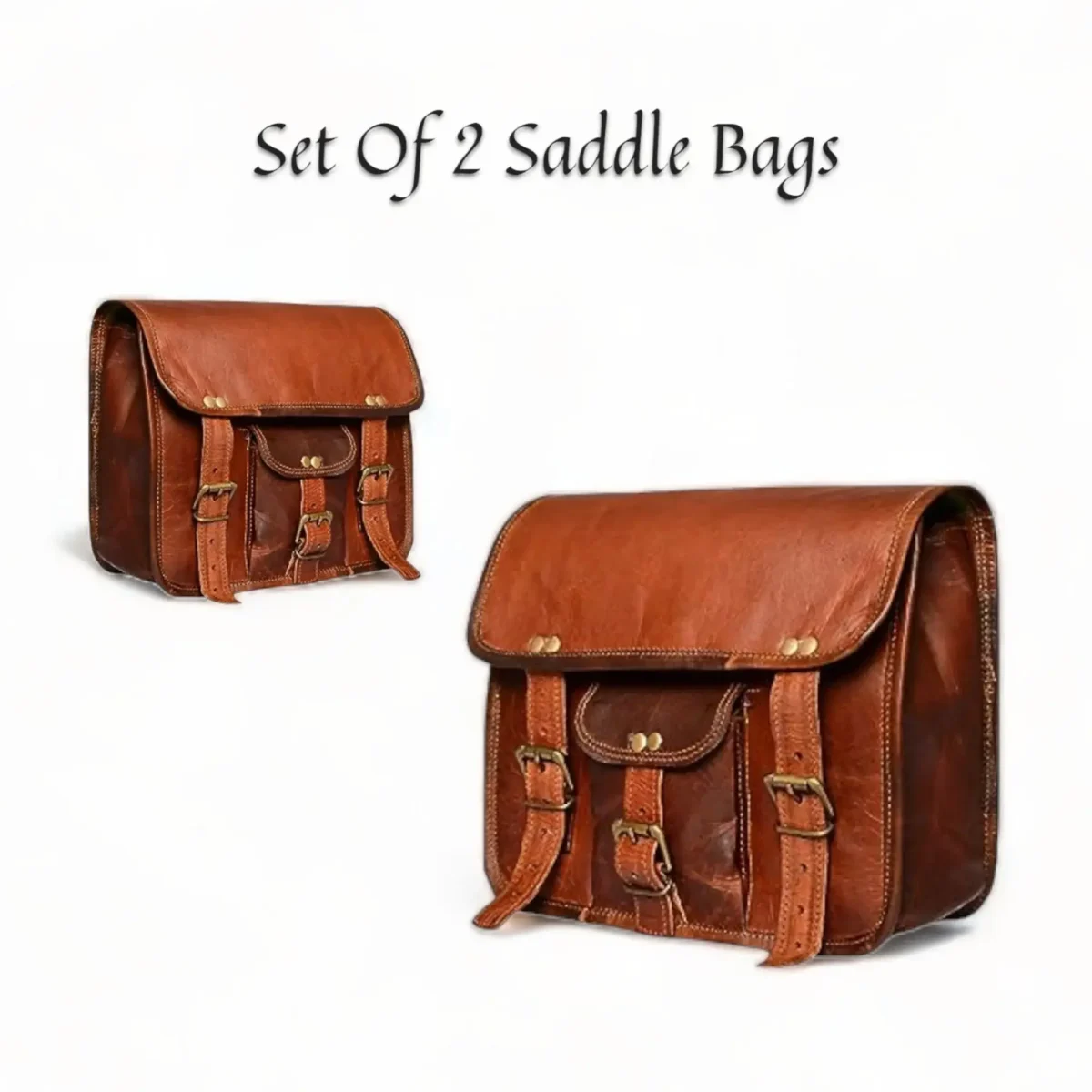
10 in stock
$130.00 Original price was: $130.00.$65.00Current price is: $65.00.
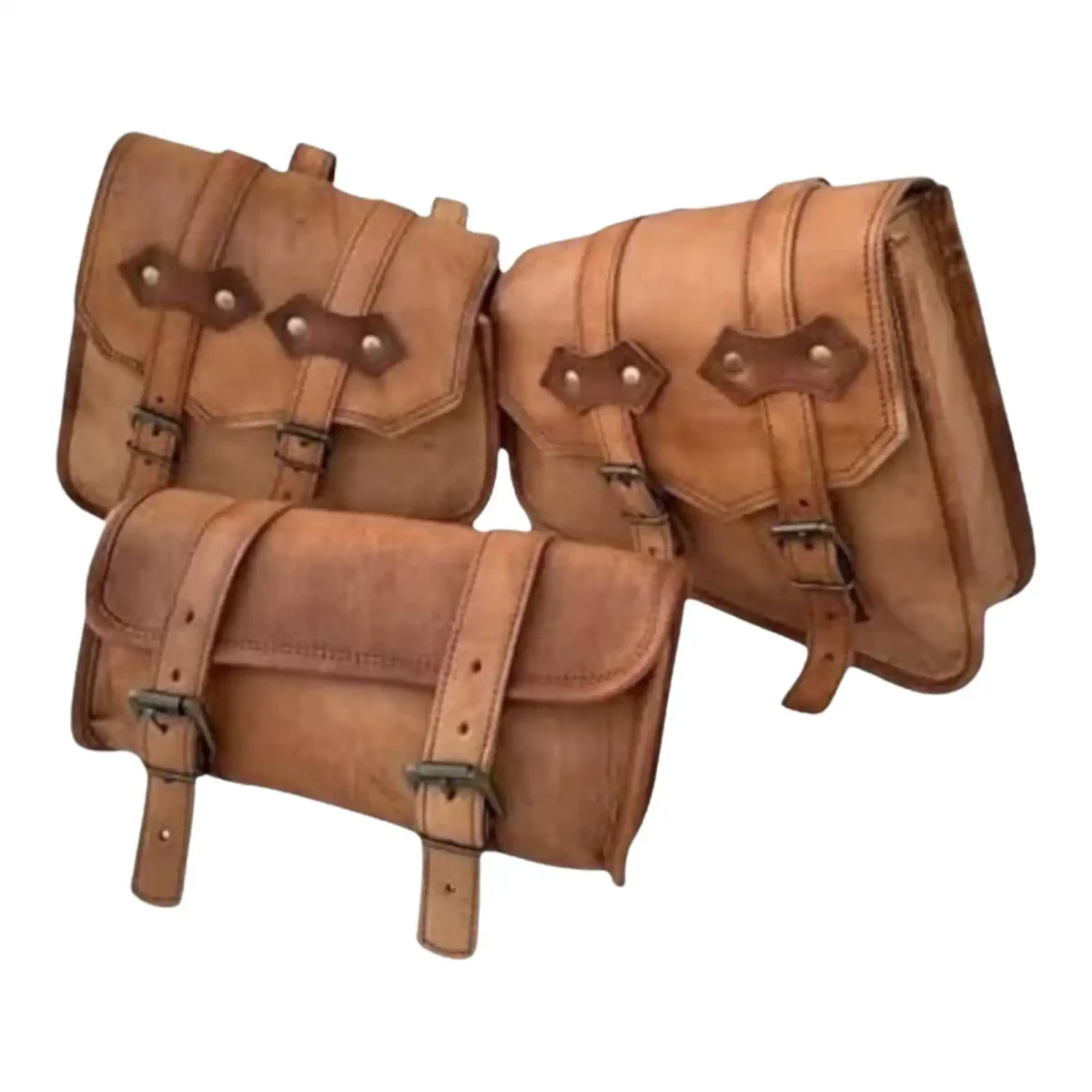
1 in stock
$98.00 Original price was: $98.00.$49.00Current price is: $49.00.