🚛 FREE SHIPPING | LIFETIME REPAIR WARRANTY | 20% Sale: “FASHION20”
Are you looking for a messenger bag that stands out? Do you want a bag that tells a story, improves with age, and lasts for years? If so, a genuine vintage leather messenger bag might be exactly what you need.
These bags are more than just accessories; they’re companions for your daily adventures. They carry your essentials and reflect your personal style. But with so many options out there, how do you choose a real vintage leather bag, and how do you make sure it’s high quality and will truly last a lifetime?
This guide will show you how. We’ll uncover the secrets to finding an authentic, durable, and stylish vintage leather messenger bag. By the end, you’ll know exactly what to look for and you’ll be confident in making a choice you’ll cherish for years to come.
We believe in quality and sustainability. We want to help you make an informed choice. A good vintage leather bag is an investment – an investment in style, durability, and a more sustainable lifestyle.
Decoding “Genuine Vintage Leather”: What Does It Really Mean?
The term “genuine leather Duffle Bag” can be confusing. Many brands use it, but it doesn’t always mean high quality. Real vintage leather is about much more than just a label. It refers to leather that has aged beautifully, developing a unique character. It also implies a certain level of craftsmanship and durability.
Beyond the Label: Understanding Leather Grades for Longevity
To choose a bag that lasts, you need to understand different leather grades. These grades tell you about the leather’s quality and how it will age.
Full-Grain Leather: The Gold Standard
Full-grain leather is the best quality leather you can find. It comes from the outermost layer of the animal hide and includes all the natural imperfections and
grain. These are the marks that make each piece unique. This leather is strong, durable, and develops a beautiful “patina” over time – a soft sheen that develops from age and use. Patina is highly valued in vintage items. Full-grain leather doesn’t crack or peel; instead, it gets softer and richer in color with age. This is the kind of leather we use in our bags, ensuring they stand the test of time so you can truly enjoy a bag that ages with you.
Top-Grain Leather: A Good Alternative
Top-grain leather is the second-highest grade. It’s similar to full-grain, but the very top layer is lightly sanded or buffed to remove imperfections. This creates a more uniform look. While still durable, it won’t develop the same rich patina as full-grain
leather. It’s a good choice, but full-grain is superior for true vintage appeal and longevity.
Corrected-Grain/Split Leather: Lower Quality
Often heavily processed, sanded, and stamped with an artificial grain pattern, corrected-grain or split leather comes from the inner layers of the hide. It might feel stiff or have a plastic-like coating. This leather is less durable and more prone to cracking and showing wear quickly. It’s often used for cheaper bags.
Bonded Leather: Avoid at All Costs
Bonded leather is the lowest quality. It’s made from scraps of leather dust and fibers, bonded together with adhesive, and then coated. It looks like leather but is very weak. It peels, cracks, and falls apart quickly. Always avoid bags made from bonded leather; they’ll give up the ghost quickly.
The Magic of Patina: Why Natural Aging Is a Sign of Quality
Patina is key to genuine vintage leather bag. It’s a beautiful, natural sheen that develops on full grain leather over time. It happens from daily use, oils from your hands, sunlight, and the environment. This process creates a unique look. Imagine the faded leather, a soft mark from where your hand always rests, telling tales of bustling commutes or quiet café moments. It adds depth and character that can’t be replicated artificially. A genuine vintage bag will show signs of this natural aging; it will have a rich, warm glow. This isn’t wear and tear; it’s a mark of quality and a story being told.
The Expert’s Checklist: How to Identify Authenticity and Quality
Choosing a genuine vintage leather messenger bag requires a keen eye and a few simple tests. Here’s what to look for.
Genuine full-grain leather will have natural markings. These can be small scars, wrinkles, or variations in the grain. These aren’t flaws; they’re proof of authenticity. Faux leather or lower-grade leather will have a perfectly uniform, repeating pattern, which is a sign it’s man-made or heavily processed. Look closely for these unique “fingerprints” of real leather.
Real leather has a rich, deep color; it isn’t painted on the surface. The color might vary slightly across the bag, showing its natural origin. The texture should feel organic and varied, not flat or plasticky. Lower quality leather often has a uniform, artificial texture and might even look like a sticker has been applied to the surface.
Examine the edges of the leather, especially where pieces are cut. Genuine full grain leather bag often has raw, unfinished edges, or they might be burnished (smoothed and polished). You’ll see the natural fibers. Fake leather or cheap leather will have perfectly smooth, plastic-coated, or folded edges; these coverings hide the poor quality material underneath.
High-quality bags feature tight, even, and strong stitching. Look for thick thread that is securely sewn. Saddle stitching, done by hand, is especially durable as it uses two needles to create a strong, interlocking stitch. Machine stitching can also be good, but it should be neat and without loose threads. Poor quality bags often have weak, uneven stitches that can easily unravel, a common failure point for cheaper bags.
Genuine leather feels supple, meaning it’s flexible and soft to the touch. But it should also feel sturdy and substantial; it shouldn’t be flimsy or easily bent out of shape. Good leather has a nice weight to it, giving a sense of durability. If a bag feels too light or thin, it might not be genuine leather, or it could be a lower grade.
When you touch genuine leather, it should feel warm to your hand. It has a natural, slightly textured surface that synthetics can’t truly imitate. Faux leather often feels cold, smooth, or plastic-like. Run your hand over the surface and feel for the natural variations and the slight give of the material. This tactile experience is a key indicator of authenticity.
Real leather has a distinct, pleasant, earthy smell; it’s rich and natural. Once you recognize it, it’s hard to forget. This scent is a strong indicator of authenticity, a byproduct of the tanning process, something that fake materials can’t replicate.
Beware of bags with strong chemical or plastic smells; this is a red flag. It often means the material is fake leather, or it has been heavily treated with harsh chemicals. A good quality leather bag should smell natural, not artificial.
The hardware on a bag is just as important as the leather itself. Cheap hardware can make even a good leather bag useless quickly.
Look for solid metal hardware. Materials like brass, copper, or stainless steel are excellent choices; they’re heavy, strong, and resist rust and corrosion. Avoid hollow feeling, lightweight metal or plastic hardware, as these will break or wear out quickly. High-quality hardware adds to the bag’s overall durability and feel.
Zippers are a common point of failure. Check if the zippers move smoothly without snagging. Look for reputable brands like YKK, Riri, or Lampo, as these brands are known for their sturdy teeth and reliable operation. A cheap zipper can ruin a bag, no matter how good the leather is, and we know you don’t want that frustration.
Ensure buckles and clasps are robust and securely attached; they shouldn’t wiggle or feel flimsy. Check that they open and close smoothly, and they should hold their position firmly. These small details contribute significantly to the bag’s lasting quality and functionality.
Beyond the Leather: Craftsmanship That Guarantees a Lifetime
Even the best leather needs excellent craftsmanship to last. A genuine vintage leather messenger bag is a testament to skilled artistry. The U.S. leather goods market alone was valued at about $50.08 billion in 2023, and it’s expected to grow at 6.5% through 2030. This shows a strong demand for durable, high-quality items. Genuine leather leads this market due to its exceptional longevity and style, and craftsmanship is a huge part of this.
Examine how the bag is put together. Look for reinforced stress points, such as where the strap attaches to the bag. These areas should have extra stitching or strong metal rivets; this prevents tearing under pressure. A good lining, often made of durable canvas or cotton, protects the interior and adds to the bag’s structure. It should be neatly sewn and not sag.
High-quality craftsmanship means attention to every detail. Seams should be straight, even, and strong; there should be no loose threads or uneven cuts. The interior of the bag should also be finished well, meaning no raw edges inside. A well-made bag looks good both inside and out. These details reflect the care taken during production.
Many genuine vintage bags show signs of being handcrafted. Hand stitching, though sometimes less uniform than machine stitching, is often stronger and more durable. Artisans put passion and skill into each piece, which gives the bag a unique character. Handcrafted bags often have a personal touch; they’re built to last by someone who cares about their work. This is the heart of what makes a vintage bag so special.
Choosing a vintage leather bag is often a more sustainable choice; it reduces demand for new production and gives a second life to existing items. The U.S. secondhand luxury goods market reached $7.52 billion in 2023, and it’s projected to hit $15.16 billion by 2030, growing at 7.9% CAGR. This highlights a clear move towards sustainable shopping. Look for brands that also prioritize ethical sourcing and production when they do create new items. This includes vegetable tanning, which uses natural plant-based tannins instead of harsh chemicals, making it better for the environment and creating leather that ages beautifully. A conscious choice benefits both you and the planet.
Choosing Your Perfect Companion: Style, Functionality & Fit
A genuine vintage leather messenger bag is an investment; it needs to fit your lifestyle and needs. Consider these factors to choose your perfect companion.
Think about how you’ll use the bag. Do you need it for daily commuting to work or college? Will you use it for travel? Or do you need it for specific items, like art supplies or camera gear? Your purpose will guide your choice of size, compartments, and durability features. A bag for daily use might need more quick-access pockets; a travel bag needs to be extra robust.
Lay out everything you typically carry. This could be a laptop, notebooks, a water bottle, chargers, or personal items. Choose a bag that comfortably fits these items without being overstuffed or too bulky. Measure your laptop to ensure it fits in the bag’s designated compartment. A bag that’s too small will be frustrating; one that’s too large might be cumbersome.
The strap is crucial for a messenger bag. It should be wide, comfortable, and adjustable. A padded strap can significantly reduce shoulder strain, especially if you carry heavy items. Check that the strap is made from strong leather or durable webbing. The hardware connecting the strap to the bag should be sturdy; this prevents breakage and ensures comfort during long periods of wear.
A well-organized interior makes a bag much more functional. Look for specific compartments for a laptop or tablet. Pockets for pens, your phone, keys, and other small items are very useful. Some bags have internal zippered pockets for valuables. Think about your organizational style: do you prefer an open main compartment or many smaller pockets to keep things tidy?
Nurturing Your Investment: Care Tips for a Lifetime of Use
A genuine vintage leather messenger bag, with proper care, can truly last a lifetime. Treating it well will help it age gracefully and retain its beauty.
Regular cleaning and conditioning are vital. Use a soft, damp cloth to wipe away dust and light dirt every few weeks. For deeper cleaning, use a specialized leather cleaner; always test it on a hidden spot first. After cleaning, apply a good quality leather conditioner. This moisturizes the leather, preventing it from drying out, cracking, and becoming stiff. Condition your bag every 3-6 months, or more often if it’s exposed to dry conditions.
When you’re not using your bag, store it properly. Keep it in a cool, dry place, away from direct sunlight and extreme temperatures. Sunlight can fade the leather, and excessive heat can dry it out. Stuff the bag with crumpled paper or soft cloth to help it maintain its shape. Avoid hanging it by the strap for long periods, as this can stretch the leather. A dust bag (often provided with quality bags) offers excellent protection.
Leather is naturally water-resistant, but it’s not waterproof. If your bag gets wet, gently wipe off excess water and let it air dry naturally. Never use a hairdryer or direct heat; this can cause the leather to crack. Consider using a leather protector spray for added resistance against water and stains. Try to avoid prolonged exposure to direct sunlight and very hot or very cold environments, as these can harm the leather over time.
Minor scuffs and scratches are part of a vintage bag’s charm; they add to its story. You can often buff them out with a soft cloth or a little leather conditioner. For more significant damage, like torn stitching, broken hardware, or deep cracks, it’s best to seek professional help. A skilled leather artisan can often restore a beloved vintage bag, extending its life significantly. Don’t try to fix complex issues yourself if you’re unsure.
Why Choose Saint Stag for Your Next Vintage Inspired Leather Bag?
At Saint Stag, we understand the desire for a bag that’s both timeless and durable. We’re committed to providing products that meet these high standards. Our focus on quality, sustainability, and artisan craftsmanship ensures that every Saint Stag bag is an investment built to last.
We use only genuine full-grain leather, the very best for durability and patina development. This means your Saint Stag bag won’t just last; it will get better with age. Our skilled artisans meticulously craft each bag, paying attention to every stitch and every piece of hardware. This ensures superior construction and longevity. We believe in creating pieces that become cherished companions.
Choosing Saint Stag means choosing quality that stands the test of time. It also means supporting sustainable practices. We design our bags to be timeless, not trend-driven, ensuring they remain stylish for years to come. We source our materials responsibly and prioritize ethical production. When you choose Saint Stag, you’re making a conscious choice for a product that aligns with your values.
We invite you to explore our collection of vintage-inspired leather messenger bags. Discover the perfect blend of classic design, rugged durability, and thoughtful functionality. Find a bag that not only meets your needs but also tells your unique story. Experience the Saint Stag difference and invest in a lifetime companion.
Invest in a Story, Invest in Quality
Choosing a genuine vintage leather messenger bag is a rewarding experience. It’s about more than just buying an accessory; it’s about investing in a piece of history, a work of art, and a companion that will serve you well for years. Remember to look for the signs of quality: full-grain leather, sturdy hardware, tight stitching, and that unmistakable leather smell.
By understanding these key elements, you can avoid fakes and find a bag that truly lasts. Take care of your leather investment, and it will develop a beautiful patina. It will tell your unique story. Make a conscious choice. Choose a bag that not only looks good but also aligns with durability and sustainability. Your perfect vintage leather messenger bag is waiting to begin its journey with you.
FAQs
How can I truly tell if a ‘vintage’ leather messenger bag is real full grain leather and not a cheaper, treated imitation that won’t last?
To identify real full-grain leather, look for natural variations in the grain and texture. Full-grain leather often shows small imperfections like scars or wrinkles. These are signs of its natural origin. The color should be deep and rich, not a uniform, painted-on finish. Examine the edges; real full-grain leather will often have raw, fibrous edges, or they will be burnished smooth. Avoid bags with perfectly smooth, plastic-coated edges. These usually hide lower quality material.
Also, feel the leather. Full-grain leather feels supple yet sturdy and has a distinctive, earthy scent. Fake or lower-grade leather often feels stiff, plasticky, or has a chemical smell. Finally, look for a developing patina. This natural sheen and darkening over time is a hallmark of genuine, high-quality leather that ages beautifully, unlike imitations that might crack or peel.
I’ve bought leather bags before that fell apart quickly, either with broken zippers or torn stitching. What specific craftsmanship details should I prioritize to ensure my next vintage bag is genuinely durable?
Durability lies in the details of craftsmanship. Prioritize bags with strong, even stitching, ideally saddle-stitched or using thick, waxed thread. Check stress points like where straps attach to the bag. These areas should be reinforced with extra stitching or sturdy metal rivets. Good hardware is crucial: look for solid brass, copper, or stainless steel buckles, clasps, and rings. They should feel heavy and robust, not hollow or flimsy.
For zippers, look for reputable brands like YKK, Riri, or Lampo. These are known for smooth operation and durable teeth. A well-constructed bag will also have a quality interior lining, usually canvas or cotton, neatly sewn without loose threads. These elements combined indicate a bag built to withstand daily use and last for years.
I love the idea of a vintage bag, but I’m worried about finding one that’s ethically sourced or doesn’t contribute to environmental harm. Is ‘vintage’ always sustainable, and how can I be sure?
Choosing a vintage leather bag is inherently more sustainable than buying new, as it extends the life of an existing item and reduces demand for new production. This aligns with the growing secondhand luxury market, which emphasizes value-driven consumption. However, “vintage” itself doesn’t guarantee the original production was ethical or environmentally friendly. To ensure your choice is as sustainable as possible, look for signs of quality that suggest it was built to last in the first place, reducing waste.
If you’re buying a new vintage-inspired bag, research the brand’s commitment to ethical sourcing. Look for terms like “vegetable-tanned leather,” which uses natural plant extracts instead of harsh chemicals, making it more environmentally friendly. Brands that are transparent about their supply chain and labor practices are a good indicator of ethical production. While true vintage items have an undeniable sustainable appeal, understanding the brand’s values for new products can further enhance your conscious choice.
My biggest concern is proper care – I want this bag to last a lifetime, but I’m unsure how to clean it or what products to use without damaging its vintage character. What’s the best long-term maintenance strategy?
Long-term maintenance for a vintage leather bag involves regular cleaning, conditioning, and proper storage. For daily care, simply wipe your bag with a soft, damp cloth to remove dust. For deeper cleaning, use a specialized leather cleaner designed for genuine leather, testing it first on a hidden area. Follow with a good quality leather conditioner every 3-6 months. This replenishes natural oils, preventing the leather from drying out and cracking, preserving its supple feel and vintage character.
Always store your bag in a cool, dry place away from direct sunlight and extreme temperatures. Stuff it with paper or cloth to help it maintain its shape. If your bag gets wet, blot off excess water immediately and let it air dry naturally, never using artificial heat. For significant damage, consult a professional leather restorer. Simple care goes a long way in ensuring your bag develops a beautiful patina and lasts for generations.
I’m looking for a vintage messenger bag that’s both stylish and practical for my daily commute/travel. How do I balance the aesthetic appeal of a vintage piece with modern functionality like laptop compartments and comfortable straps?
Balancing vintage aesthetics with modern functionality means looking for specific design features. For a daily commute or travel, prioritize a bag that offers dedicated, padded compartments for your laptop or tablet. Check that the dimensions fit your device comfortably. Look for multiple internal and external pockets for organization. These can include pen loops, phone pockets, and zippered sections for valuables. This ensures everything has its place and is easily accessible.
For comfort, a wide, adjustable shoulder strap is essential. Padding on the strap can significantly reduce strain, especially if you carry heavy items. While you want a vintage look, ensure the hardware on the strap is solid and robust, preventing breakage. Many modern vintage-inspired bags are designed with these practical features while maintaining a classic aesthetic. Focus on genuine leather and quality craftsmanship, and then check for the internal organization and strap comfort that meets your daily needs. This way, you get both timeless style and unwavering utility.
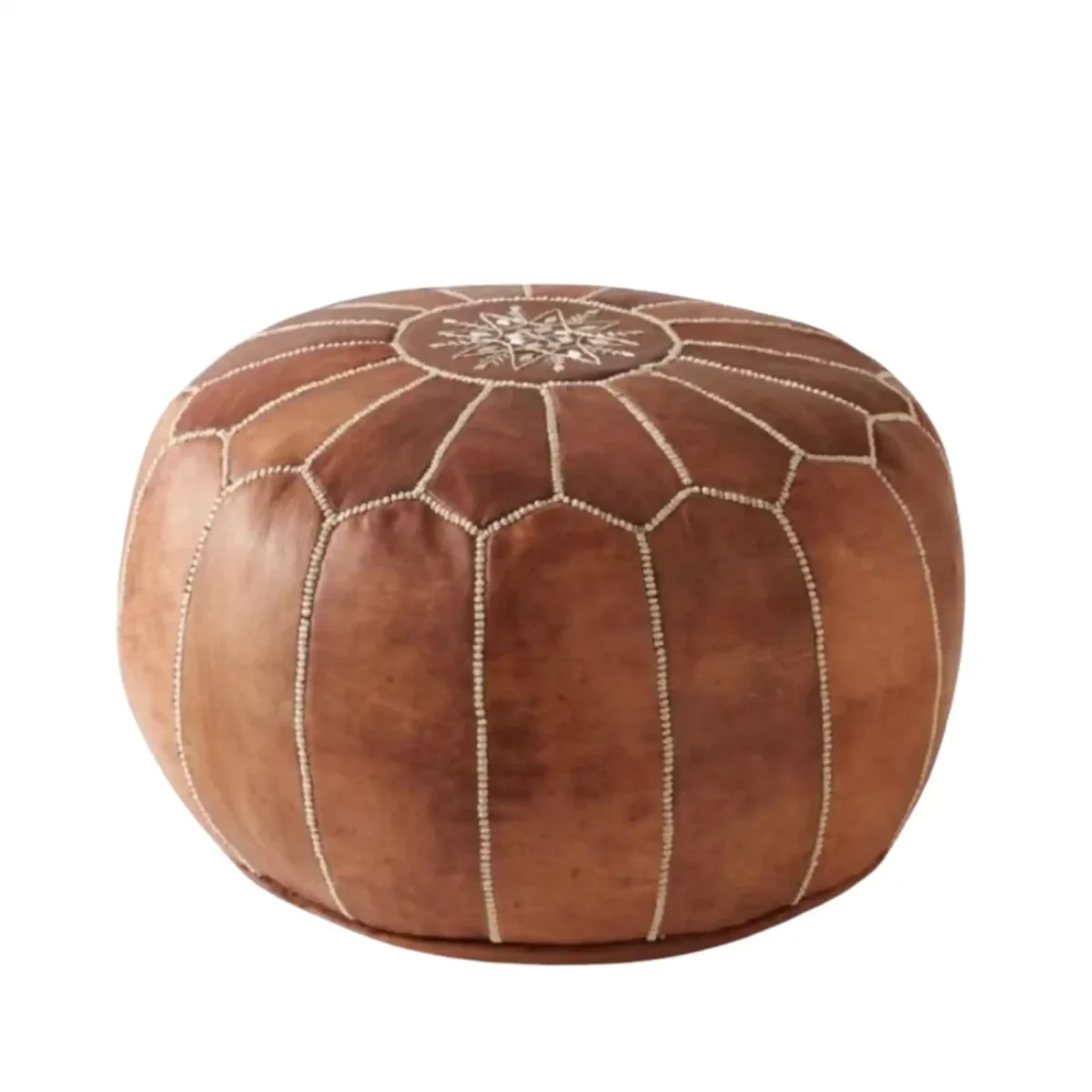
Out of stock
$138.00 Original price was: $138.00.$69.00Current price is: $69.00.
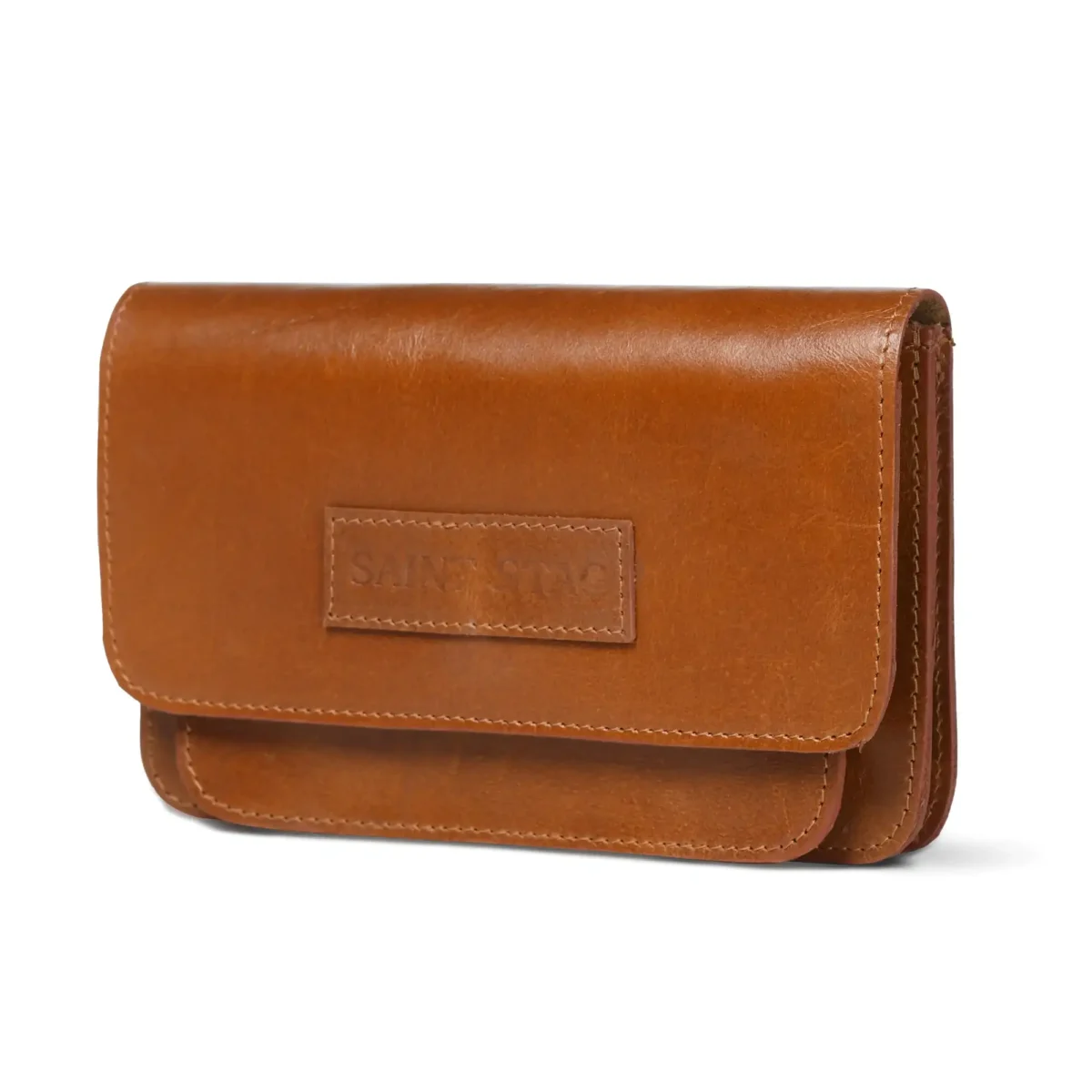
8 in stock
$84.00 Original price was: $84.00.$42.00Current price is: $42.00.
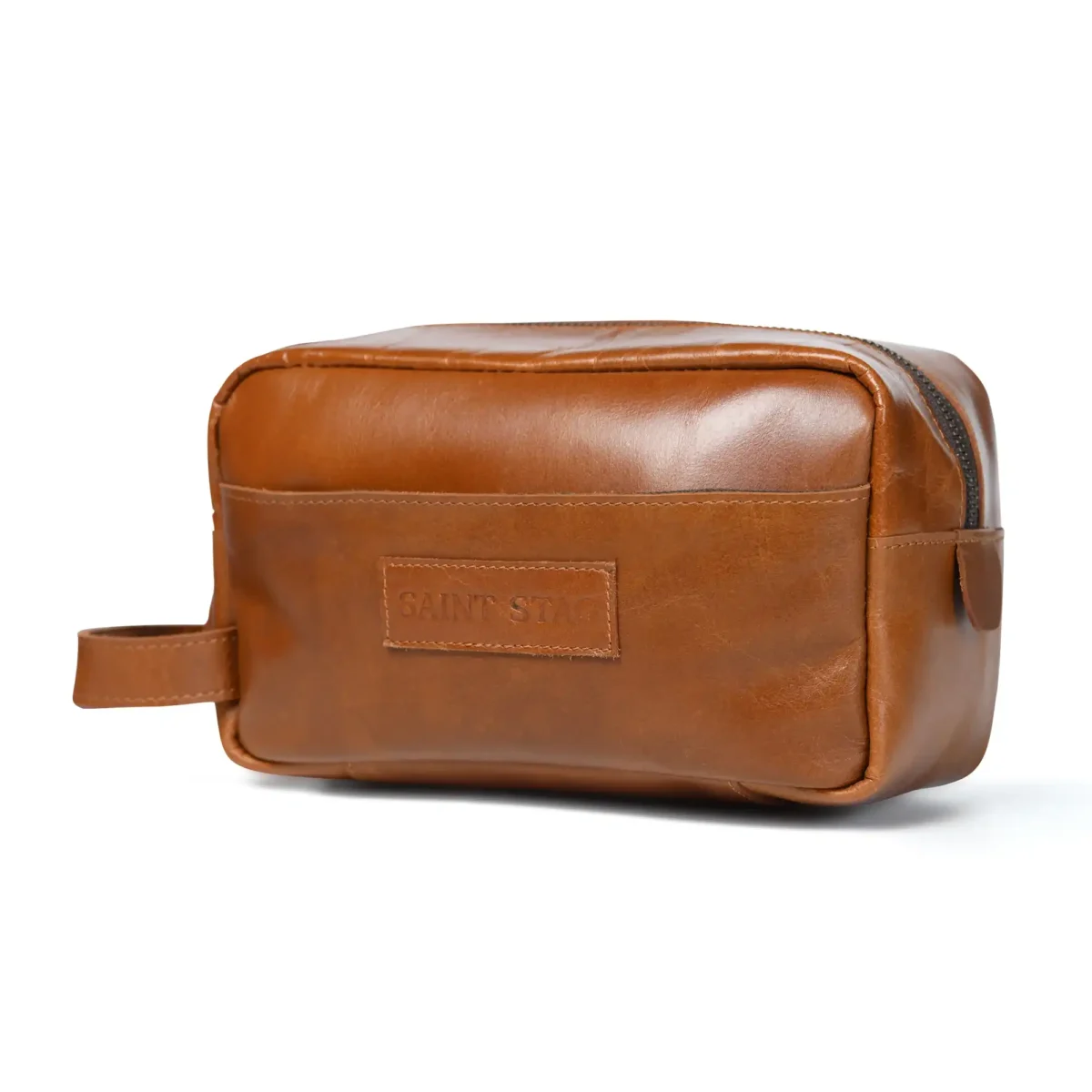
8 in stock
$90.00 Original price was: $90.00.$45.00Current price is: $45.00.
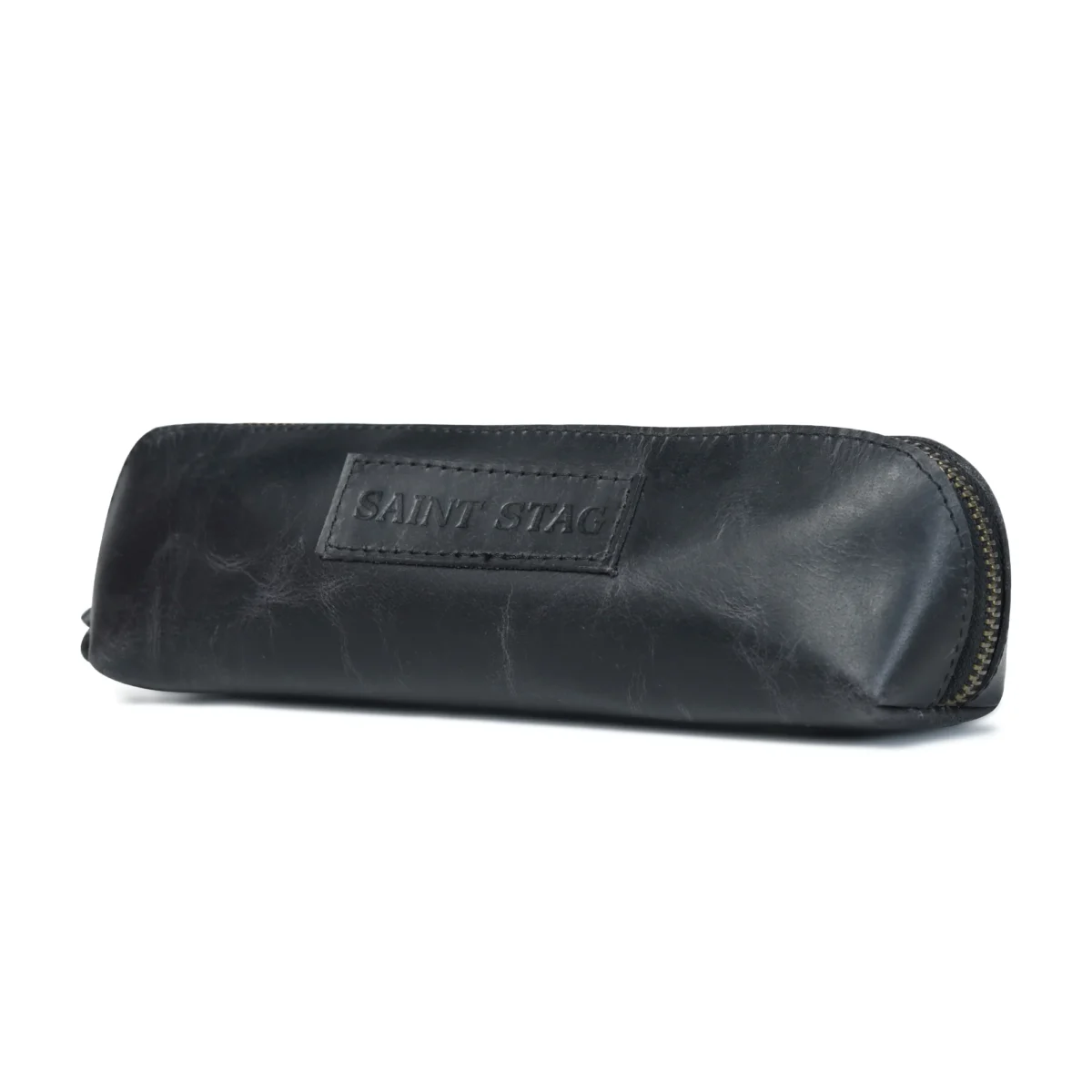
8 in stock
$70.00 Original price was: $70.00.$35.00Current price is: $35.00.
10 in stock
$130.00 Original price was: $130.00.$65.00Current price is: $65.00.
1 in stock
$98.00 Original price was: $98.00.$49.00Current price is: $49.00.